Winter brings beautiful snow and cold weather. It also brings dangers like frostbite. Many people don’t think about frostbite until it’s too late.
Frostbite happens fast. Your fingers, toes, nose, and ears are most at risk. These areas freeze first because they’re far from your heart.
When these areas freeze, blood flow stops. Without quick action, the damage can be permanent. You could lose fingers or toes. You might also face scarring or lifelong pain.
The good news is treating frostbite is easier when you know what to do. Quick action can make a big difference. Frostbite treatment is simple. Anyone can learn the steps needed to help someone in this situation.
This guide will teach you everything. You’ll learn how to spot frostbite symptoms early. You’ll discover the right first aid steps for frostbite treatment.
You’ll find out when you need a doctor’s help. You’ll also get tips to prevent frostbite. Winter safety starts with knowledge.
With the right information about frostbite treatment, you can protect yourself and others. Keep reading to become prepared for any cold-weather emergency.
Table of Contents
Understanding Frostbite and Its Dangers
Frostbite occurs when your skin and tissues freeze from extreme cold. It can cause permanent damage if not treated quickly. Knowing how frostbite develops and its symptoms helps keep you safe in winter.
When it gets cold, your body tries to stay warm. Blood vessels near your skin get smaller to save heat. This cuts off blood flow to areas like fingers, toes, nose, and ears. Without blood, ice crystals form inside your cells, causing damage.
What Happens to Your Body During Frostbite
Frostbite comes in stages, each one more serious. Frostnip is the first stage, where your skin turns red and feels tingly. You might feel numbness as blood flow decreases.
As frostbite gets worse, your skin changes color. Look out for these signs:
- Skin turns white or grayish-yellow
- Waxy appearance that feels hard to the touch
- Blistering and swelling after rewarming
- Skin turns blue or purple in severe cases
- Complete loss of feeling in the affected area
Deep frostbite damages tissues beneath the skin. Black skin means dead tissue that may need removal. This is why treating frostbite quickly is so important.
Risk Factors for Developing Frostbite
Not everyone is at the same risk for frostbite. Knowing your risk factors helps you stay safe.
| Risk Factor Category | Specific Risks | Why It Matters |
|---|---|---|
| Environmental Exposure | Long time outdoors, strong wind, high altitude | Increases heat loss from your body quickly |
| Clothing and Moisture | Inadequate clothing, wet fabric, tight boots | Wet materials draw heat away faster than dry ones |
| Medical Conditions | Diabetes, poor circulation, heart disease | Reduces blood flow to your extremities |
| Lifestyle Choices | Smoking, alcohol use, exhaustion | Impairs your body’s ability to regulate temperature |
| Personal History | Previous frostbite, very young or elderly age | Body becomes less resistant to cold damage |
| Direct Contact | Touching metal, ice, or frozen surfaces | Rapid heat transfer causes instant freezing |
Smoking narrows your blood vessels, making frostbite worse. Alcohol affects your judgment about cold. Older adults and young children are at higher risk because their bodies struggle to stay warm.
Having had frostbite before makes your skin more vulnerable. If you’ve had frostbite before, you need extra protection in winter. Medical experts say to watch for frostbite symptoms and treat them quickly.
Recognizing Frostbite Symptoms and Treatment Stages
Spotting frostbite early is key to avoiding permanent damage. When skin is exposed to freezing temperatures, it sends clear warning signs. Knowing what to look for helps you take quick action and understand how to treat frostbite before it becomes severe.
Frostbite develops in stages, and each stage shows different symptoms. The earliest warning signs appear as your skin reacts to extreme cold. You might notice redness, a waxy appearance, or tingling sensations in affected areas. These early signals give you a critical window to start warming the skin and prevent deeper injury.
Early Signs and Color Changes
In the beginning stages, look for these visible changes in your skin:
- Skin turns red or reddish-purple
- The area feels unusually cold to the touch
- Tingling or mild numbness develops
- The affected skin may feel warm despite cold exposure
As frostbite advances, the color transformation becomes more dramatic. The skin shifts from red to white, gray, yellow, or even blue. The texture changes too—skin becomes hard, waxy, and loses its normal flexibility.
Progressive Symptoms to Watch
| Frostbite Stage | Skin Appearance | Sensation | Recovery Outlook |
|---|---|---|---|
| Frostnip (Mild) | Red or reddish-purple skin | Tingling, numbness | No permanent damage |
| Superficial Frostbite | Waxy, hard outer skin with soft tissue below | Numbness with clear or milky blisters after rewarming | Usually good with proper care |
| Deep Frostbite (Severe) | White, gray, or blue skin; all layers affected | Complete numbness; blood-filled blisters | Risk of permanent damage or tissue loss |
Understanding how to treat frostbite depends on recognizing which stage you’re dealing with. Pain during rewarming is actually a positive sign—it means blood flow is returning to the area. Severe cases might remain completely numb, which suggests deeper tissue damage has occurred.
Pay attention to numbness and loss of feeling. When skin becomes pale and numb, frostbite has progressed beyond the early stage. This demands immediate action to understand how to treat frostbite properly and prevent lasting harm.
Treating Frostbite: Essential First Aid Steps
Knowing how to act fast when someone gets frostbite is key. The right steps focus on gentle care to avoid more harm. Quick and careful action is vital.
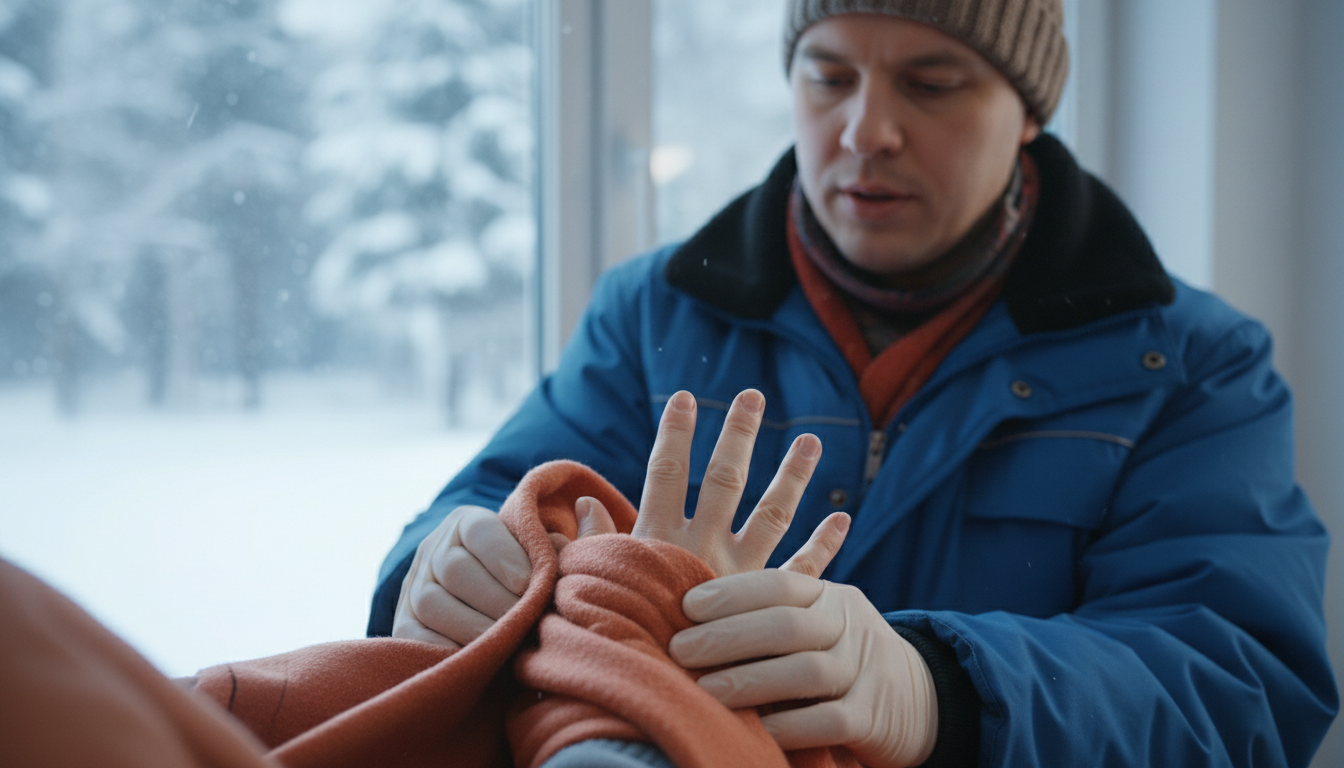
First, get the person out of the cold. Move them to a warm, safe place indoors. Take off wet clothes and put on dry ones or blankets. Then, start rewarming the frostbite carefully.
Safe Rewarming Techniques for Frostbitten Areas
Rewarming frostbite needs patience and careful steps. The aim is to warm the area slowly and safely. This avoids burns or more harm.
Use warm water between 100 and 105 degrees Fahrenheit. Check the water with your elbow—it should feel warm, not hot. Soak the frostbitten area for 20 to 45 minutes until it turns red or pink and feels warm.
- Place the affected area in warm water gently
- Keep the water temperature consistent throughout soaking
- Expect pain, tingling, and burning sensations as circulation returns
- Pat the area dry gently with a clean cloth
- Apply loose, sterile bandages to protect the skin
- Place dry gauze between frostbitten fingers or toes to keep them separated
The person might feel a lot of pain during rewarming. Tell them these feelings mean blood is flowing back, which is good.
What Not to Do When Treating Frostbite
Wrong treatment can harm frostbitten tissue more. Knowing what not to do is as important as knowing what to do.
| Action to Avoid | Why It’s Dangerous |
|---|---|
| Rubbing or massaging the area | Ice crystals in frozen tissue can cause more cell damage |
| Using direct heat sources like fires or heating pads | Numb skin cannot feel heat and will burn easily |
| Using water hotter than 105 degrees Fahrenheit | Hot water burns numb, insensitive skin without the person feeling it |
| Breaking blisters that form | Blisters protect healing tissue underneath |
| Allowing refreezing of the area | Refrozen tissue suffers much worse damage than initial freezing |
| Giving alcohol to the person | Alcohol widens blood vessels and increases heat loss from the body |
Never use dry heat directly on frostbitten skin. Keep them warm but handle them gently. Watch their breathing and be ready for CPR or rescue breathing if needed.
Caring for Blisters and Severe Frostbite Injuries
Blisters form when frostbite is moderate to severe. They are fluid-filled pockets that protect damaged tissue. The color and clarity of blisters show how deep the injury is.
Never pop, drain, or break frostbite blisters. These blisters protect against infection. Breaking them exposes damaged tissue to harmful bacteria and dirt. This is a key rule for treating severe frostbite.
Proper Blister Care Steps
Here are the steps for treating blisters:
- Apply loose, dry, sterile dressings that don’t press on the blisters
- Change bandages gently to avoid disturbing blister formations
- Place sterile gauze between frostbitten fingers or toes to prevent them from sticking together
- Elevate the affected area when possible to reduce swelling
- Keep the injured area protected from any contact or pressure
- Wrap the area loosely with clean, dry blankets for warmth during transport
Severe frostbite treatment needs patience and care. Tissue may stay hard, numb, or discolored after rewarming. This means deep tissue damage that needs immediate medical help.
Stay calm, keep the person warm and comfortable, and get emergency medical care quickly. Protecting the injured area from further trauma during transport is key for recovery.
When to Seek Professional Medical Care
It’s important to know when to seek medical help for frostbite. Minor cases of frostnip might heal at home. But most frostbite injuries need a doctor’s evaluation.
A doctor can check for tissue damage and prevent serious problems. This includes infection or permanent nerve damage. Don’t wait if you’re unsure about your symptoms. Getting help early is key to a good recovery.
Make an appointment with your health care provider if you notice blisters or skin color changes. Also, if numbness stays even after warming up. Large patches of frostbite need immediate medical attention. The sooner a professional sees your injury, the better your chances of healing without lasting damage.
Signs That Require Emergency Medical Attention
Call 9-1-1 immediately if you see serious warning signs. Time is critical in these situations. Emergency responders are trained to handle severe cold injuries. Learn about proper frostbite care techniques so you can act quickly when needed.
- Signs of hypothermia, such as shivering, confusion, slurred speech, or loss of consciousness
- No feeling in the affected area after 20-30 minutes of rewarming
- Large areas of the body affected by frostbite
- Skin that stays white, gray, or blue even after gentle rewarming
- Blood-filled blisters or dark-colored skin
- Signs of infection like increasing pain, redness, swelling, or fever
- Difficulty breathing or changes in alertness
- Need to walk on frostbitten feet before reaching medical care
Emergency medical teams can provide advanced frostbite care. This includes proper rewarming methods, strong pain relief, and tetanus protection. They will also check for complications that might not be obvious at first.
Follow-up care is important, as frostbite damage can change over days or weeks. Your doctor needs to monitor how well the tissue is healing and watch for any problems. Getting professional help quickly gives you the best chance for a full recovery without lasting effects.
Visit reliable first aid resources to learn more about recognizing when frostbite care requires immediate professional intervention. This way, you’re ready to act in any winter emergency.
Preventing Frostbite in Cold Weather Conditions
It’s easier to prevent frostbite than to recover from it. By taking the right steps, you can enjoy winter safely. Knowing how to dress and spot dangerous weather helps keep you safe.
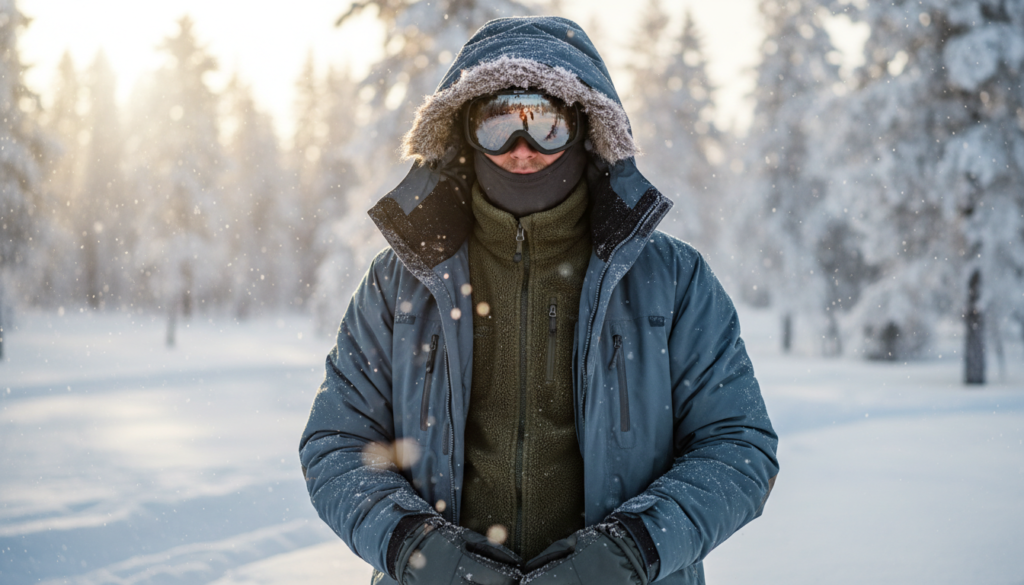
Wearing the right clothes is key. Use layered clothing to keep warm air close and moisture out. Start with moisture-wicking base layers, add insulating layers, and finish with a windproof shell. For your feet, wear light socks under heavy ones or over shoes in boots to avoid moisture.
Don’t forget to cover your hands and head. Insulated, waterproof gloves or mittens are best. Choose a warm hat that covers your ears. Add a scarf or face mask to protect your face from wind.
Always check the weather forecast and wind chill before going outside. If the wind chill is below zero, be extra careful or stay inside. Wet conditions increase your risk, so stay dry.
Here are some smart cold-weather habits:
- Limit time outdoors during extreme cold
- Take frequent warming breaks indoors
- Stay active to maintain circulation without sweating
- Drink warm fluids but avoid caffeine and alcohol
- Watch for numbness or skin color changes
For winter travel, keep extra clothes and blankets in your car. Also, have an emergency kit with matches, non-perishable food, water, and a first aid kit.
People who’ve had frostbite before need to be extra careful. They’re more likely to get frostbite again. Children and the elderly lose heat faster and might not notice early signs.
Conclusion
Frostbite is a serious cold-weather emergency that can happen fast. It freezes your skin and tissues when you spend time in below-freezing temperatures without proper protection. Now, you know how to spot frostbite early and take action. Quick recognition and proper treatment make a real difference in how well people recover from this injury.
The key steps you learned are simple yet powerful. Move to warmth right away. Rewarm the affected area slowly in water between 100 and 105 degrees Fahrenheit. Protect the skin with loose bandages and avoid rubbing or using direct heat. Get medical help for anything beyond mild frostnip. While people often search for frostbite home remedies, the truth is that correct first aid and professional care matter most.
Home treatment should focus on proper initial response and prevention, not on remedies that might delay real medical attention. According to research on rapid rewarming and treatment protocols, swift action can lead to dramatic improvements in healing and long-term outcomes.
Prevention remains your strongest tool against frostbite. Dress in layers. Keep your skin dry. Limit your time in extreme cold. Watch for warning signs like numbness, color changes, and waxy-looking skin. Share what you know with family, friends, and anyone who enjoys outdoor winter activities.
When you understand frostbite and take smart precautions, you can enjoy winter safely while protecting yourself and others from cold-weather injuries. You have the knowledge to stay safe and help others do the same.
FAQ
What exactly is frostbite and how does it damage tissue?
Frostbite is a serious injury from cold temperatures. It happens when skin and tissues freeze. Ice crystals damage cells, and blood flow drops, limiting oxygen.
This damage can lead to tissue death if not treated quickly. The severity depends on the temperature and how long tissues are frozen.
What are the early warning signs of frostbite I should watch for?
Look out for numbness or tingling in fingers, toes, ears, nose, or cheeks. Skin may turn red or purple, then pale or waxy. It may feel hard or cold to the touch.
Burning sensations are also a sign. Frostnip is the mildest form, where skin turns red and feels cold without lasting damage.
What’s the correct way to rewarm frostbitten skin?
Use warm, not hot, water between 100-105°F to rewarm. Test the water with your elbow—it should feel lukewarm. Rewarming takes 20-45 minutes until the area is red or pink.
During rewarming, you may feel pain, tingling, or burning. This is a good sign that circulation is returning. After rewarming, gently pat dry and apply loose, sterile bandages.
What should I absolutely avoid doing when treating frostbite?
Never rub or massage frostbitten tissue. This can cause more damage. Avoid direct heat sources like heating pads or fires.
Don’t break blisters, as they protect the tissue. Never let the area refreeze, as this causes more damage. Avoid hot water and alcohol, as they can worsen the injury.
How do I identify different stages of frostbite severity?
Frostbite has different stages. Frostnip is the mildest, with red skin and tingling. Superficial frostbite has outer skin feeling hard, with blisters after rewarming.
Deep frostbite affects all layers, with numbness and blisters. Look for color changes and a waxy texture for severe cases.
What do frostbite blisters mean and how should I care for them?
Blister formation after rewarming indicates tissue damage. Clear blisters suggest superficial frostbite. Blood-filled blisters mean deep tissue damage.
Never pop or drain blisters. Apply loose, dry, sterile dressings without pressure. Change dressings carefully to avoid disturbing blisters.
When should I seek professional medical care for frostbite?
Seek medical care for any frostbite with blisters, color changes, or numbness after rewarming. Don’t delay, as early treatment improves outcomes.
What are emergency signs that require calling 9-1-1 immediately?
Call 9-1-1 for hypothermia signs like shivering, confusion, or loss of consciousness. Seek emergency care for no feeling after rewarming, large areas of frostbite, or signs of infection.
Emergency medical care provides advanced treatment, including rewarming protocols and pain management.
How can I prevent frostbite during winter activities?
Prevent frostbite with proper clothing and monitoring. Wear layers, cover extremities, and check weather forecasts. Limit outdoor time in extreme cold.
Stay active without sweating and recognize early warning signs. Maintain hydration and nutrition to keep warm.
What emergency supplies should I keep in my vehicle during winter?
Keep a winter vehicle emergency kit with warm clothing, blankets, and a first aid kit. These supplies are essential for treating frostbite and other emergencies.
Are there effective home remedies for frostbite recovery?
Home remedies are important for mild frostnip. But, seek medical care for moderate to severe cases. Medical professionals can prevent complications.
Why is wind chill such an important factor in frostbite risk?
Wind chill increases frostbite risk by stripping away warm air. This accelerates heat loss from exposed skin. Wind chill below zero degrees Fahrenheit is extremely dangerous.
How do previous frostbite injuries affect future cold exposure?
Previous frostbite increases the risk of future cold injuries. Affected tissue has reduced circulation and altered nerve function. Take extra precautions and protect affected areas.
What role does wet clothing play in frostbite development?
Wet clothing increases frostbite risk by conducting heat away from the body. Wear moisture-wicking base layers and keep outer layers dry. Change into dry clothes if they become wet.
How does smoking and alcohol consumption increase frostbite risk?
Smoking and alcohol consumption reduce blood flow and impair judgment. They increase frostbite risk and make it harder to recognize warning signs. Avoid these substances in winter.
What is the specific water temperature range for safe frostbite rewarming?
Use warm water between 100-105°F for rewarming. This range is warm enough to restore circulation without burning numb skin. Test the water with your elbow for a comfortable temperature.
How long should frostbite rewarming typically take?
Rewarming takes 20-45 minutes until the area is red or pink. The exact time depends on the extent of the injury. Severe cases may remain numb even after rewarming.
Can frostbite and hypothermia occur together, and what should I do?
Yes, frostbite and hypothermia can happen together. If someone shows signs of both, call 9-1-1 immediately. Emergency medical care is necessary for both conditions.
Why is it dangerous to allow frostbitten areas to refreeze?
Refreezing causes more severe damage than the initial injury. It leads to cell death and tissue loss. Always keep rewarmed areas warm and dry to prevent refreezing.
How can I tell if frostbite is severe enough to require amputation?
Severe frostbite involves blood-filled blisters and complete numbness after rewarming. Look for tissue remaining hard or discolored. Only medical professionals can determine if amputation is necessary.
What special precautions should elderly individuals take to prevent frostbite?
Elderly individuals face higher frostbite risk. They should wear layers, limit outdoor time, and check extremities often. Family members and caregivers should monitor them during winter.
Should I massage or rub a frostbitten area to improve circulation?
No, never rub or massage frostbitten tissue. This can cause more damage. Use lukewarm water for rewarming instead.
How effective are pain management options for severe frostbite?
Pain during rewarming is normal and indicates recovery. Severe cases may need prescription pain medications. Medical professionals can provide effective pain management.
Are children at higher risk for frostbite than adults?
Yes, children lose heat faster and may not recognize warning signs. Monitor them closely during winter activities. Ensure they wear proper clothing and take breaks indoors.
What infections can develop from untreated or improperly treated frostbite?
Frostbite wounds can lead to serious infections. Look for signs like increasing pain, redness, swelling, and fever. Seek medical attention immediately for infections.