Build unshakeable confidence for any crisis with practical preparedness strategies that actually work.
Whether you’re just starting your preparedness journey or looking to strengthen your existing plans, Resilient Prepper gives you the knowledge, skills, and gear recommendations you need to protect what matters most.
Start Your Preparedness Journey
Emergency preparedness isn’t about fear – it’s about taking control. When you’re prepared, you can face uncertainty with confidence, knowing you have the skills and supplies to keep your family safe and secure.
Why Choose Resilient Prepper?
We believe preparedness should be practical, not paranoid. Our guides focus on real-world scenarios and actionable strategies you can implement today, whether you’re facing a natural disaster, power outage, or economic uncertainty.
- Practical, tested strategies – No theoretical fluff, just proven methods that work
- Beginner-friendly approach – Start where you are and build your skills progressively
- Comprehensive coverage – Everything from basic skills to advanced preparedness planning
- Expert recommendations – Gear and supply suggestions based on real-world testing
Ready to transform uncertainty into confidence? Start with our preparedness basics or dive into any topic that matters most to your situation.
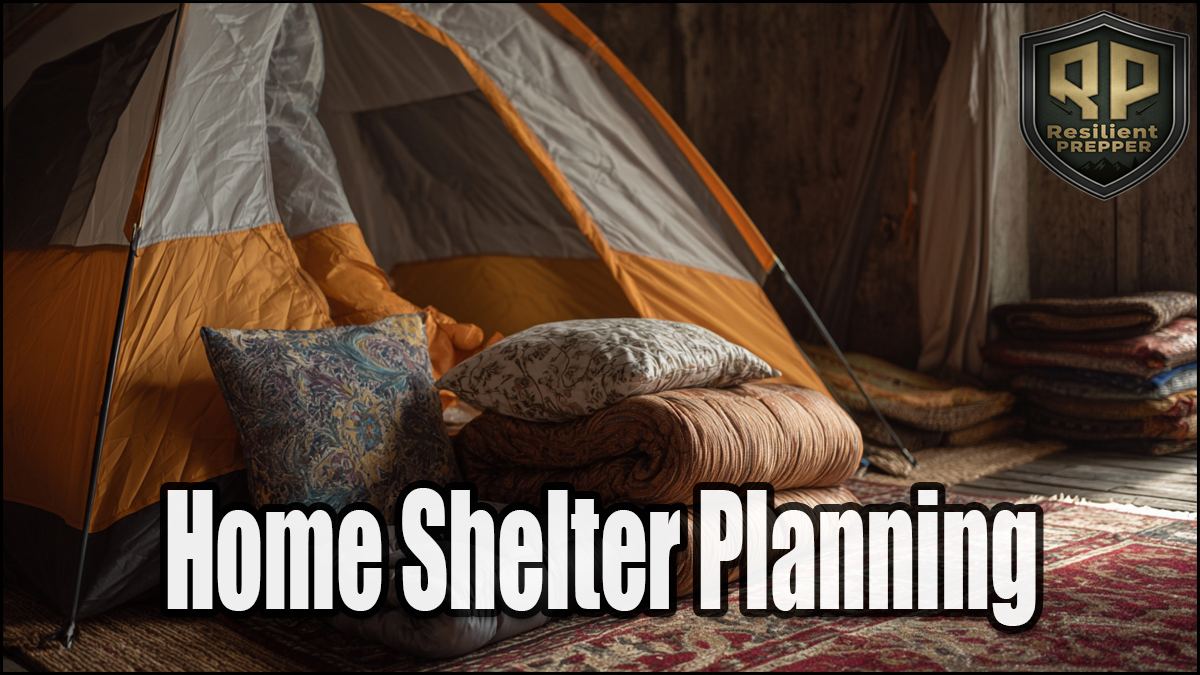
Home Shelter Planning for Emergency Situations | Complete Guide
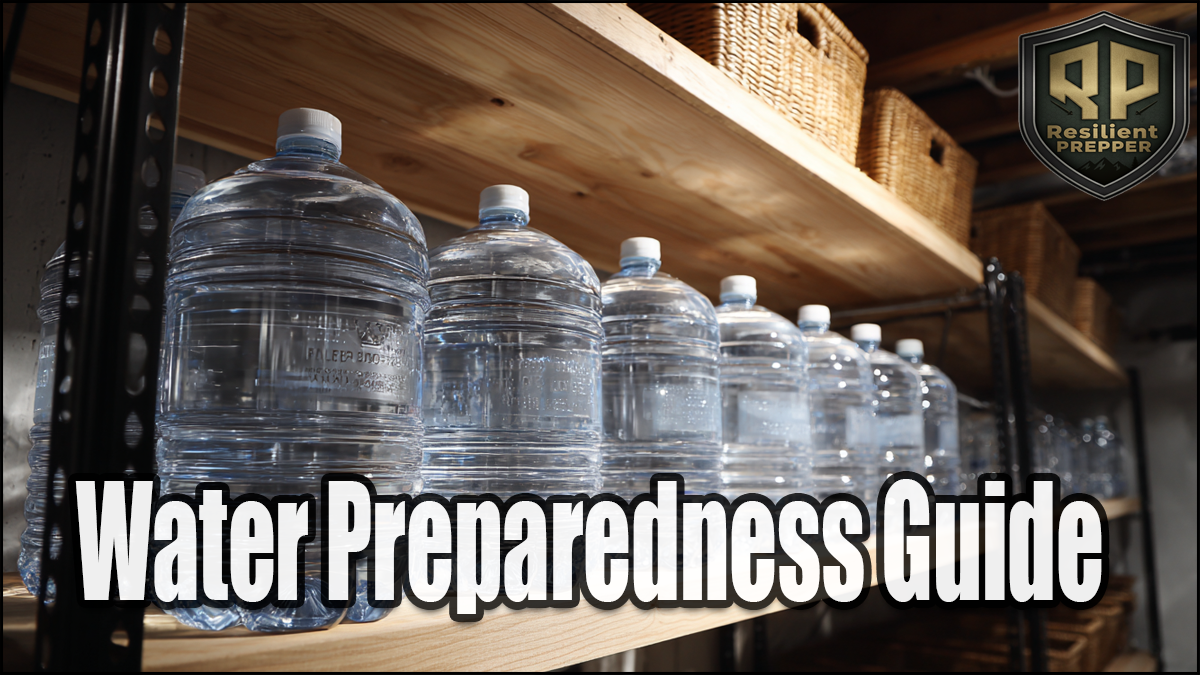
Complete Water Preparedness Guide | Emergency Storage and Purification
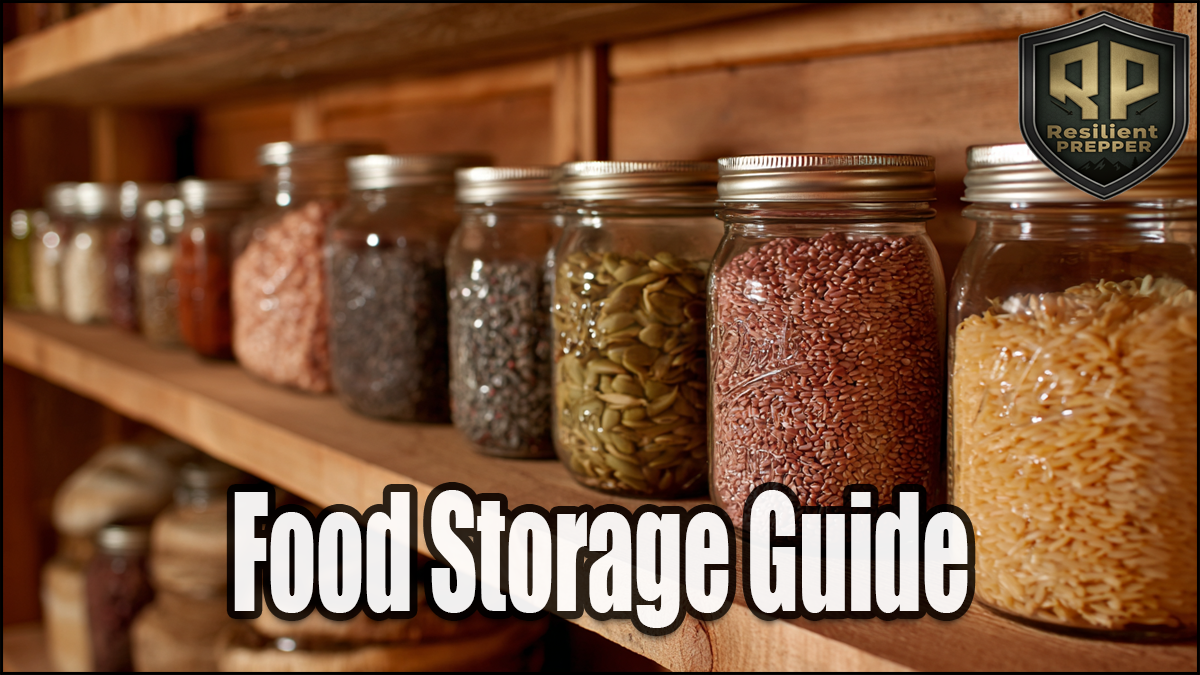
Practical Food Storage Guide | Build Your Emergency Food Supply
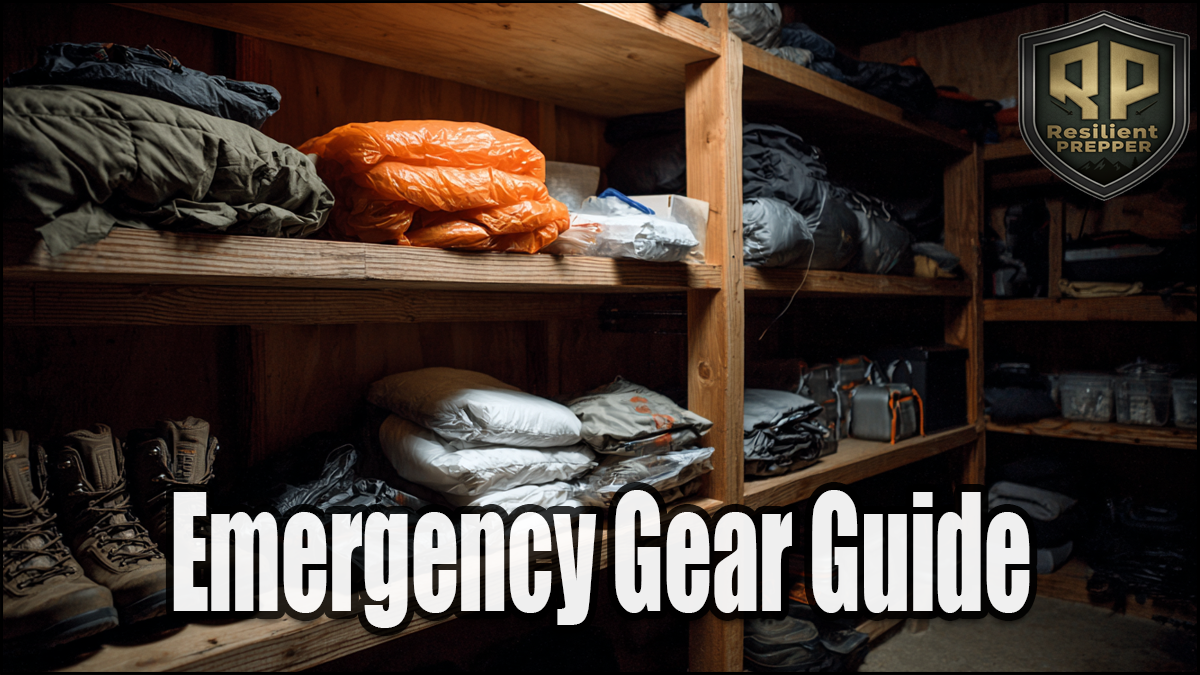
Emergency Gear Guide | Essential Equipment Every Prepared Person Needs
Critical Skills Everyone Needs During Emergencies
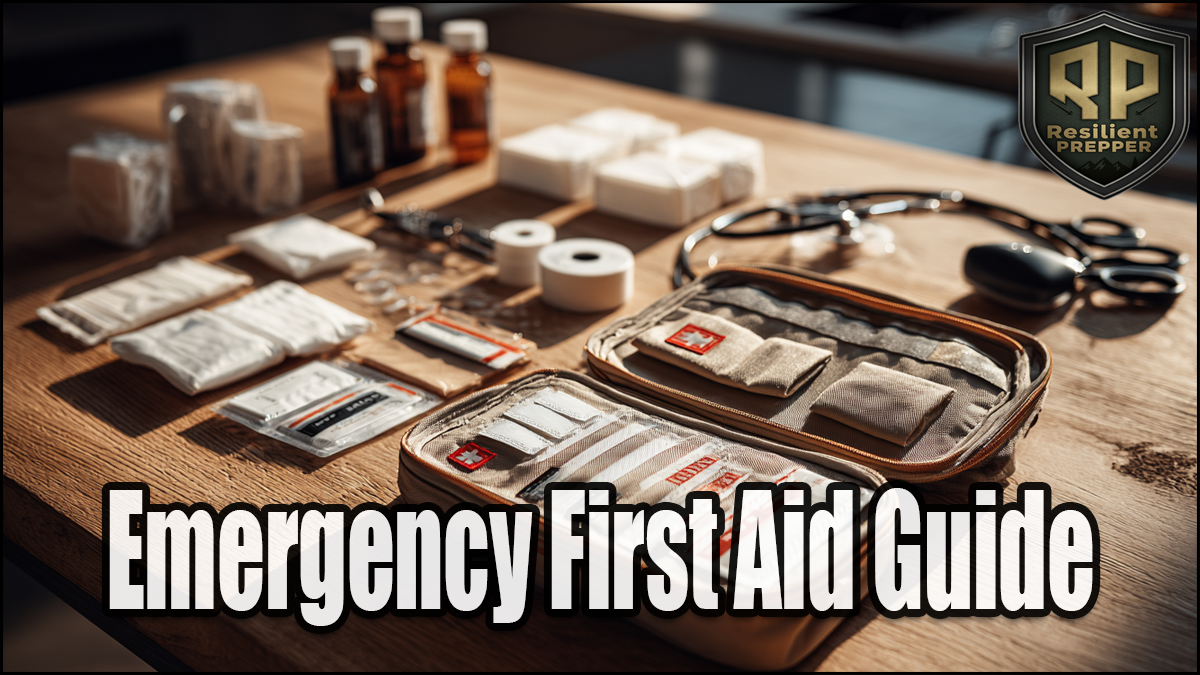
Emergency First Aid Guide | Essential Medical Skills Everyone Should Know

Home Security Guide | Protect Yourself During Uncertain Times
Articles | Comprehensive Preparedness Resource Library
Frequently Asked Questions
Get clear, practical answers to the most common questions about emergency preparedness and getting started with prepping.
A prepper is someone who takes practical steps to prepare for potential emergencies, disasters, or disruptions to normal life. This includes storing extra food, water, and supplies, as well as developing useful skills. Preppers aren’t doomsday fanatics – they’re responsible people who want to be self-reliant during power outages, natural disasters, or other unexpected situations.
Start with the basics: identify the most likely emergencies in your area (storms, power outages, etc.), then build a 72-hour supply of water, non-perishable food, and essential items like flashlights and first aid supplies. Focus on one category at a time – water first, then food, then tools and supplies. Don’t try to do everything at once.
Essential items include: water (1 gallon per person per day), non-perishable food for 3+ days, battery-powered or hand-crank radio, flashlights and extra batteries, first aid kit, medications, copies of important documents, cash, emergency contact information, whistle, dust masks, and basic tools like a multi-tool or wrench to turn off utilities.
Start with a minimum of 3 days’ worth: 1 gallon of water per person per day, and at least 2,000 calories of food per person per day. For a family of four, that’s 12 gallons of water and food for 24,000 calories total. Once you have 3 days covered, work toward 2 weeks, then longer-term storage based on your family’s needs and space.
Focus on the most common scenarios: power outages (happen to most people annually), severe weather events common to your region, job loss or income disruption, medical emergencies, and supply chain disruptions. These everyday emergencies are far more likely than extreme disasters, and preparing for them covers most of what you’d need for larger events too.
Focus on compact, multi-use items and rotate through your food storage by eating what you store. Use under-bed storage, closet space, and sturdy shelving. Prioritize water filtration over water storage, and choose dense foods like rice, beans, and canned goods. Many preparations like first aid training, important document copies, and emergency contacts don’t take up any physical space.
Absolutely. Start by buying a few extra canned goods and water containers each grocery trip. Many preparations cost nothing – like learning skills, making emergency plans, or organizing important documents. Focus on buying versatile, durable items over time rather than expensive specialized gear. Rice, beans, salt, and basic tools will serve you better than expensive “survival” products.
Short-term preparedness covers emergencies lasting hours to a few weeks – like storms, power outages, or temporary supply disruptions. Long-term preparedness addresses scenarios lasting months or longer – like major economic problems or extended infrastructure failures. Start with short-term preparations; they’re more affordable, practical, and likely to be used.
Check your supplies every 6 months when you change your smoke detector batteries. Test batteries, check expiration dates on food and medications, and ensure everything is still in working order. Rotate canned goods and dry foods by using older items in your regular cooking and replacing them with fresh supplies. Keep a simple inventory list to track dates.
Prepping is about responsibility, not fear. It’s the same mindset that leads people to buy insurance, wear seatbelts, or keep a spare tire in their car. You’re not preparing because you expect the worst to happen – you’re preparing because you want to take care of your family and be self-reliant when ordinary disruptions occur. It’s practical planning, not paranoia.
Start Building Your Preparedness Foundation Today
Emergency preparedness isn’t a destination – it’s a journey of continuous learning and skill building. Every step you take toward self-reliance makes you more confident and capable of handling whatever challenges come your way.
Whether you’re concerned about natural disasters, economic uncertainty, or simply want the peace of mind that comes with being prepared, the key is to start where you are and build progressively. Begin with the basics: secure your water supply, build a food reserve, learn essential skills, and gradually expand your knowledge and capabilities.
Remember, the best time to prepare was yesterday. The second best time is right now. Take that first step toward a more resilient future with Resilient Prepper.