Disasters can cut off water supplies. This makes emergency water procurement key for survival. Safe drinking water is essential for drinking, cooking, and staying clean.
The National Center for Emerging and Zoonotic Infectious Diseases (NCEZID) says having a plan for emergency water sources is vital.
The Centers for Disease Control and Prevention (CDC) offers tips on creating and storing an emergency water supply. They stress the need for a reliable source of clean water.
Key Takeaways
- Store at least 1 gallon of water per person per day for 3 days.
- Use bottled, boiled, or treated water for drinking, cooking, and hygiene.
- Follow CDC guidelines for making water safe in an emergency.
- Label and date stored water containers.
- Store water in a cool, dark place away from toxic substances.
Table of Contents
The Critical Need for Water in Disaster Situations
Water is key for life, even more so in disasters. Our bodies can go weeks without food but only days without water. So, having clean water after a disaster is vital.
How Long Humans Can Survive Without Water
How long you can live without water varies. It depends on your health, the weather, and how active you are. Usually, you can last 3 to 5 days without water.
Common Disaster Scenarios That Affect Water Supply
Disasters like hurricanes, earthquakes, and severe winter storms can mess up water supplies. Knowing these risks helps you get ready for emergencies.
Daily Water Requirements for Survival
R. Waskom from Colorado State University says we need two quarts of water each day if we’re active. More water is needed in hot weather or when we’re very active.
| Activity Level | Daily Water Requirement |
|---|---|
| Normal Activity | 2 quarts |
| High Activity | 4 quarts |
| Extreme Heat | 6 quarts |
Knowing how much water we need and how disasters can affect water is key. It helps us prepare and survive these tough times.
How to Find Emergency Water Sources After a Disaster
Disasters can mess up our water supplies. It’s key to know where to find other sources. Having clean water right away is vital for staying alive.
Immediate Sources in Your Home
Your home can be a good place to find emergency water. Here are some tips:
- Water from your hot-water tank
- Melted ice cubes
- Water from your toilet tank (not the bowl)
These can give you a lot of water at first.
Water Storage Locations You May Have Overlooked
There are other places where water might be stored or collected:
- Swimming pools and spas (for non-drinking purposes)
- Rainwater collection systems
The Colorado State University Extension says these can be used after treatment.
Essential Tools for Water Collection
To collect and store water well, you need the right tools:
- Water containers or buckets
- Water purification tablets or filters
- A way to boil water (like a portable stove)
Having these tools ready can help a lot in collecting and purifying water.

Natural Water Sources for Emergency Situations
In emergency situations, finding natural water sources is key to survival. Knowing where to find and how to use these sources can help you stay hydrated until help comes.
Surface Water: Rivers, Lakes, and Streams
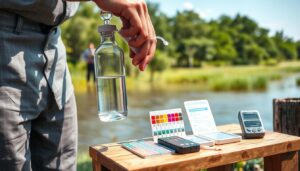
Rivers, lakes, and streams are good for finding water. But, you must treat or filter this water first to avoid getting sick. Always choose flowing water because stagnant water can be dirty.
- Rivers and streams have clearer water upstream.
- Lakes can be safe, but watch out for algae blooms.
Rainwater Collection Techniques
Collecting rainwater is a smart way to get water in emergencies. You can use different containers or make a simple rainwater system. Learn more about emergency water sources.
- Use clean containers to collect rainwater.
- Direct rainwater from rooftops into storage containers.
Finding Groundwater and Springs
Groundwater and springs are good for clean water. Look for places where water naturally comes out of the ground. Also, lush green vegetation means there’s water nearby.
- Search for springs in valleys or at the base of slopes.
- Use a simple digging method to access shallow groundwater.
Extracting Water from Plants and Trees
You can also get water from plants and trees. Some plants, like cacti, have water inside that you can get out carefully.
- Identify plants known to store water, such as cacti.
- Use a clean tool to extract water from the plant.
Knowing how to find and use these natural water sources is vital for disaster survival water strategies. Always treat or filter the water before drinking to make sure it’s safe.
Purifying Water for Safe Consumption
After a disaster, finding safe drinking water is key. Water purification stops waterborne diseases. The CDC says removing pathogens like Cryptosporidium and Giardia is vital.
Boiling and Chemical Treatment Methods
Boiling water kills germs. Boil it for 1-3 minutes to make it safe. Or, use bleach to treat it.
Add 1/8 teaspoon (or 8 drops) of unscented bleach per gallon. This method works well.
Filtration Techniques with Available Materials
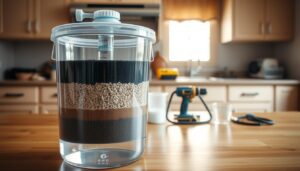
Filtration also purifies water. Use a clean cloth or coffee filters to remove particles. For better filtration, make a sand filter or use a portable filter.

Signs of Contaminated Water to Avoid
Know the signs of bad water. Murky, smelly, or cloudy water is not safe. Also, avoid water near factories or farms.
| Purification Method | Effectiveness | Ease of Use |
|---|---|---|
| Boiling | High | Easy |
| Chemical Treatment | High | Moderate |
| Filtration | Moderate to High | Moderate |
Conclusion
Knowing how to find water after a disaster is key to survival. We talked about finding water at home, using nature’s sources, and making water safe to drink. These skills are very important.
A study shows the need for new ways to get water during disasters. This includes using special taps on main pipes and getting the community involved. For more on how to prepare for emergencies, check out research on enhancing disaster preparedness.
Being ready and knowing how to get and clean water helps a lot. It’s very important for areas that often face disasters. It shows the need for good water plans and training.
FAQ
How long can a person survive without water?
How long you can live without water depends on many things. These include the weather, how active you are, and your health. Generally, you can survive for about three to five days without water.
What are some common disaster scenarios that affect water supply?
Disasters like hurricanes, floods, earthquakes, and droughts can mess up water supplies. It’s key to have backup water sources.
How much water do I need for survival per day?
The amount of water you need daily for survival varies. But, experts say you should have at least one gallon per person per day. This is for drinking, cooking, and staying clean.
What are some immediate sources of water in my home?
You can find water quickly in your home. This includes the water heater, pipes, and ice cubes. You can also use water stored in containers or bottles.
How can I purify water for safe consumption?
You can purify water in several ways. Boiling, chemical treatment, and filtration are good methods. Using a reliable system like Berkey is key to remove harmful stuff.
What are some natural water sources for emergency situations?
Natural water sources include rivers, lakes, streams, rainwater, and groundwater. You can also get water from plants and trees. But, make sure to treat and filter these sources before drinking.
How can I collect rainwater?
Collecting rainwater involves a few steps. You need a collection surface, gutters, downspouts, and storage tanks. This is called a rainwater harvesting system.
What are the signs of contaminated water?
Contaminated water might look, smell, or taste different. It could also have sediment, algae, or bacteria. Knowing these signs is important to avoid drinking bad water.
Can I drink water from plants and trees?
Yes, you can get water from some plants and trees. For example, cacti and willows. But, make sure to know the plant and extract water safely to avoid contamination.
What are some essential tools for water collection?
You’ll need containers, buckets, and water filtration systems for collecting water. A water testing kit is also important to make sure the water is safe to drink.