Having a no-cook emergency food supply is key for families to stay safe and fed during disasters. Events like natural disasters or power outages can cut off access to food.
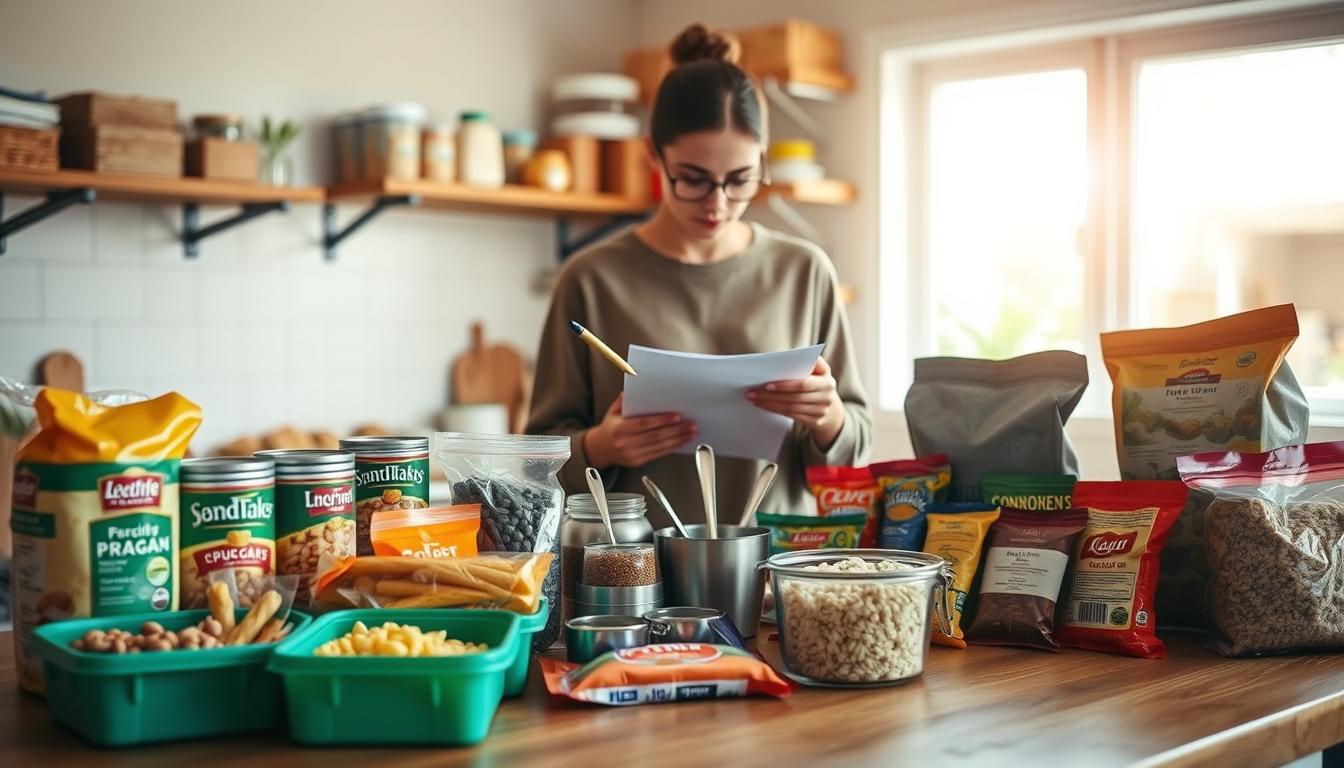
Begin by checking what food you already have. Look for items that don’t need cooking. Make a meal plan using these foods. This will help you build your emergency food stockpile slowly.
Key Takeaways
- Assess your current food supplies to identify non-perishable items.
- Create a meal plan that incorporates no-cook foods.
- Gradually build your emergency food stockpile.
- Focus on protein sources, shelf-stable fats, and ready-to-eat grains.
- Rotate your supply using a first-in, first-out system.
Table of Contents
Why You Need a No-Cook Emergency Food Supply
In times of crisis, a no-cook emergency food supply can save lives. Emergencies can happen anytime, leaving families without food and water.
Common Emergency Scenarios
Natural disasters like hurricanes, earthquakes, and winter storms can ruin food supplies and cooking. Having a no-cook emergency food supply lets you feed your family even without cooking.
- Power outages
- Supply chain disruptions
- Natural disasters
Benefits of No-Cook Food Options
No-cook food options are easy to prepare, last long, and are nutritious. They are perfect for emergencies when you can’t cook.
- Easy to prepare
- Long shelf life
- Nutritious
Knowing the value of a no-cook emergency food supply helps you prepare for the unexpected. It keeps your family safe and healthy.
Planning Your Emergency Food Needs
Starting a good emergency food supply means knowing what you need. Think about your family’s needs to be ready for anything.
Determining Food Quantities
First, figure out how much food you need. Count your family members and any special diets. A good rule is to have food for at least three days.
Calorie Requirements During Emergencies
Keep your energy up during emergencies. Aim for 2,000 calories a day for each person. This helps you stay strong and focused.
Setting a Realistic Budget
It’s important to set a budget for your food. Look for deals on bulk items. Choose non-perishable foods that fit your budget.

Water Supply Considerations
Don’t forget about water. Plan for at least one gallon of water per person each day. This is for drinking, cooking, and staying clean.
With good planning, you and your family will be ready for any emergency.
Essential No-Cook Foods for Your Emergency Supply
A good no-cook emergency food supply is key for staying healthy in tough times. It’s all about having a mix of foods that are both tasty and nutritious.
Ready-to-Eat Canned Goods
Ready-to-eat canned foods are a must-have for your emergency food stockpile. They last a long time and are full of nutrients. Try canned meats, fruits, and veggies for a good start. For tips on building your emergency food supply, check out this resource.
Shelf-Stable Packaged Foods
Shelf-stable foods like canned soups and juices are great for your no-cook survival food stash. They’re easy to store and packed with calories and nutrients.
Dried and Dehydrated Options
Dried and dehydrated foods like fruits, nuts, and jerky are perfect for emergencies. They’re light, nutritious, and don’t need cooking.
Nutrient-Dense Snacks and Energy Bars
Nutrient-rich snacks and energy bars are great for quick energy in emergencies. Choose ones with lots of protein and fiber.
Comfort Foods and Morale Boosters
Adding comfort foods like chocolate and coffee to your emergency kit can boost your mood. They’re great for keeping your spirits up during hard times.
| Food Category | Examples | Nutritional Benefits |
|---|---|---|
| Ready-to-Eat Canned Goods | Canned tuna, chicken, fruits, vegetables | Protein, vitamins, minerals |
| Shelf-Stable Packaged Foods | Canned soups, juices | Calories, nutrients |
| Dried and Dehydrated Options | Dried fruits, nuts, jerky | Lightweight, nutritious |
| Nutrient-Dense Snacks | Energy bars | Protein, fiber |
| Comfort Foods | Chocolate, coffee | Mental well-being |
How to Build a No-Cook Emergency Food Supply
Building a no-cook emergency food supply needs careful planning. You must think about your dietary needs and what foods are good for no-cook meals. Also, find high-quality emergency foods.
Starting Your Collection
Start by checking your current food and finding no-cook options. Use what you already eat and add new items. Ready-to-eat canned goods and shelf-stable packaged foods are good places to start.
Building a Balanced Supply
A good no-cook emergency food supply has many types of food. Include dried and dehydrated options, nutrient-dense snacks, and energy bars. This ensures you get all the nutrients you need. Here’s a sample balanced supply:
| Food Category | Examples | Nutritional Benefits |
|---|---|---|
| Canned Goods | Tuna, beans, vegetables | High in protein, fiber, and vitamins |
| Dried and Dehydrated | Fruits, nuts, dried meats | Rich in antioxidants, healthy fats, and protein |
| Energy Bars | Granola bars, protein bars | Convenient source of energy and nutrients |

Sourcing Quality Emergency Foods
When looking for emergency foods, think about shelf life, nutritional value, and how easy they are to prepare. Choose suppliers known for quality. Important things to consider are:
- Long shelf life to keep food good for a long time
- High nutritional value to keep you healthy and full of energy
- Ease of preparation to make meal planning easier during emergencies
Proper Storage Solutions for Emergency Food
To keep your emergency food safe and good to eat, you need the right storage. Good storage keeps your food fresh longer. It also makes sure it’s safe to eat when you need it most.
Temperature and Humidity Considerations
When storing emergency food, think about the temperature and humidity. Food should be in a cool, dry spot. The best temperature is between 50°F and 70°F (10°C and 21°C).
High temperatures can make food spoil faster. Too much humidity can cause mold and bacteria to grow.
Container Options for Food Safety
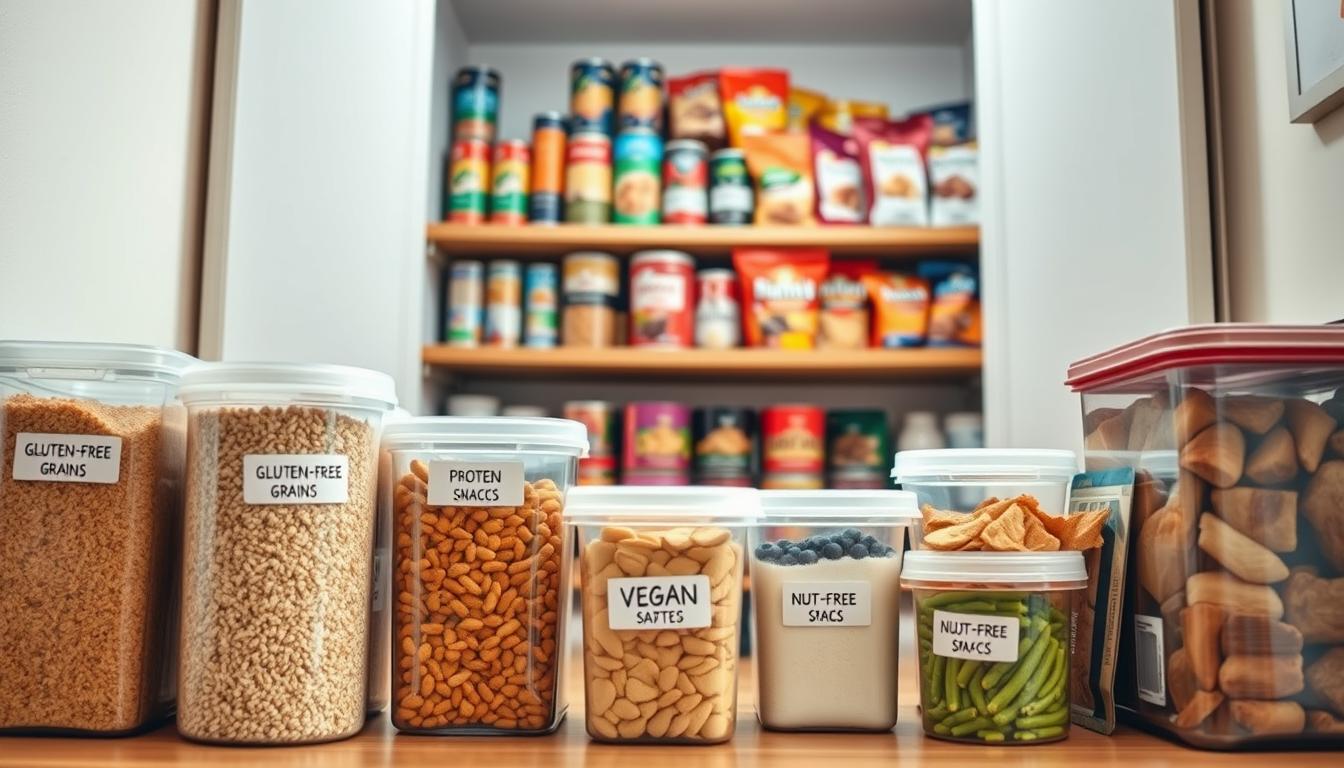
Choosing the right containers is key for food safety. Use airtight, moisture-proof containers or buckets. They keep your food safe from moisture, pests, and harmful stuff.
Location Selection for Your Emergency Supply
Where you store your emergency food is very important. Pick a spot that’s easy to get to, safe, and not too hot or wet. A basement or pantry is good if it’s cool and dry.
Understanding Shelf Life and Expiration Dates
Knowing how long your food lasts and when it expires is key. Check expiration dates often. Use a “first-in, first-out” system to keep your food fresh.
| Food Type | Shelf Life | Storage Tips |
|---|---|---|
| Canned Goods | 2-5 years | Store in a cool, dry place |
| Dried Legumes | 1-2 years | Keep in airtight containers |
| Energy Bars | 1 year | Protect from moisture and heat |
Organizing and Tracking Your Emergency Food
To make your emergency food stockpile useful, you need a good plan. This plan should help you keep your food fresh and easy to find. It’s all about organizing and tracking your food well.
Inventory Systems
Starting an inventory system is key to managing your food. You should list the food types, how much you have, and when it expires. This way, you know what you have and what to buy more of.
Labeling and Rotation Strategies
It’s important to label your food with its date. This helps you use the oldest food first. Also, make sure to move your food around regularly. This way, you won’t forget to use the older items.
Digital and Paper Tracking Methods
You can track your food using digital apps or old-school paper. Apps send reminders and update automatically. Paper is simple and doesn’t need tech. Pick what works best for you.
| Tracking Method | Advantages | Disadvantages |
|---|---|---|
| Digital | Automatic updates, reminders | Requires technology, possible data loss |
| Paper | Simple, no tech needed, safe from data loss | Needs manual updates, can have mistakes |
Using Your Emergency Food Supply
Using your no-cook emergency food supply well needs planning. A good plan helps you use your food right when you need it most.
Creating Simple No-Cook Meal Plans
It’s key to make simple meal plans for your emergency food. Mix different foods to keep your diet balanced and avoid wasting food.
Practical Tips for Emergency Eating
Good tips can help a lot when eating in emergencies. Use manual can openers and keep food clean. Also, remember to eat the right amount.
Sanitation and Food Safety During Emergencies
Keeping food clean and safe is very important in emergencies. Handle food right, store it well, and don’t mix foods to keep it safe to eat.
| Food Type | Storage Tips | Safety Precautions |
|---|---|---|
| Canned Goods | Store in cool, dry places | Check for dents and rust |
| Dried Foods | Keep in airtight containers | Monitor for signs of moisture |
| Ready-to-Eat Meals | Follow package instructions | Check expiration dates |
Conclusion
Creating a good emergency food supply is key to being ready for disasters. Stock up on non-perishable, nutritious foods. This way, you and your family can stay fed during unexpected times.
Make sure your emergency food includes no-cook items like canned goods, dried fruits, and nuts. It’s also important to check and update your food regularly. This keeps it safe and full of nutrients.
For more tips on making a solid emergency food supply, check out Battlbox’s Emergency / Disaster Preparedness Collection. It has many products to help your emergency food stockpile.
Being prepared can keep you and your family safe in emergencies. A good disaster food kit is a must for any emergency plan.
FAQ
What are the most essential no-cook foods to include in my emergency supply?
Key no-cook foods include ready-to-eat canned goods and shelf-stable packaged foods. Also, include dried and dehydrated options, nutrient-dense snacks, and energy bars. These foods are easy to store and prepare, making them great for emergencies.
How do I determine the quantity of food required for my emergency supply?
Think about how many family members you have and their needs. Aim for at least one balanced meal a day. Remember, you’ll need more calories during emergencies, so plan for that.
What are some tips for storing emergency food to maintain its quality and safety?
Store food in a cool, dry place. Use airtight, moisture-proof containers. Know the shelf life and expiration dates of your food. Rotate your supply regularly to keep it fresh.
How can I ensure that my emergency food supply remains organized and easily accessible?
Keep an inventory of your food, including how much and when it expires. Use labels and a rotation system to ensure you use the oldest food first. Choose digital or paper methods for tracking.
What are some practical tips for using my emergency food supply during an emergency?
Plan simple meals using your stored foods. Learn to use manual can openers and prepare food safely and cleanly.
How often should I review and update my emergency food supply?
Check your emergency food supply regularly. Make sure it’s safe, nutritious, and easy to access. Update supplies as needed, checking expiration dates and food quality.
Can I use my emergency food supply for non-emergency situations?
It’s tempting to use emergency food for everyday needs. But, it’s best to keep it for emergencies only. Consider a separate stockpile for daily meals or rotate your emergency food into your regular diet.
How can I source quality emergency foods for my supply?
Find emergency foods from trusted suppliers. Look for products with long shelf life, good nutrition, and easy preparation. Choose items designed for emergency use and follow proper storage tips.