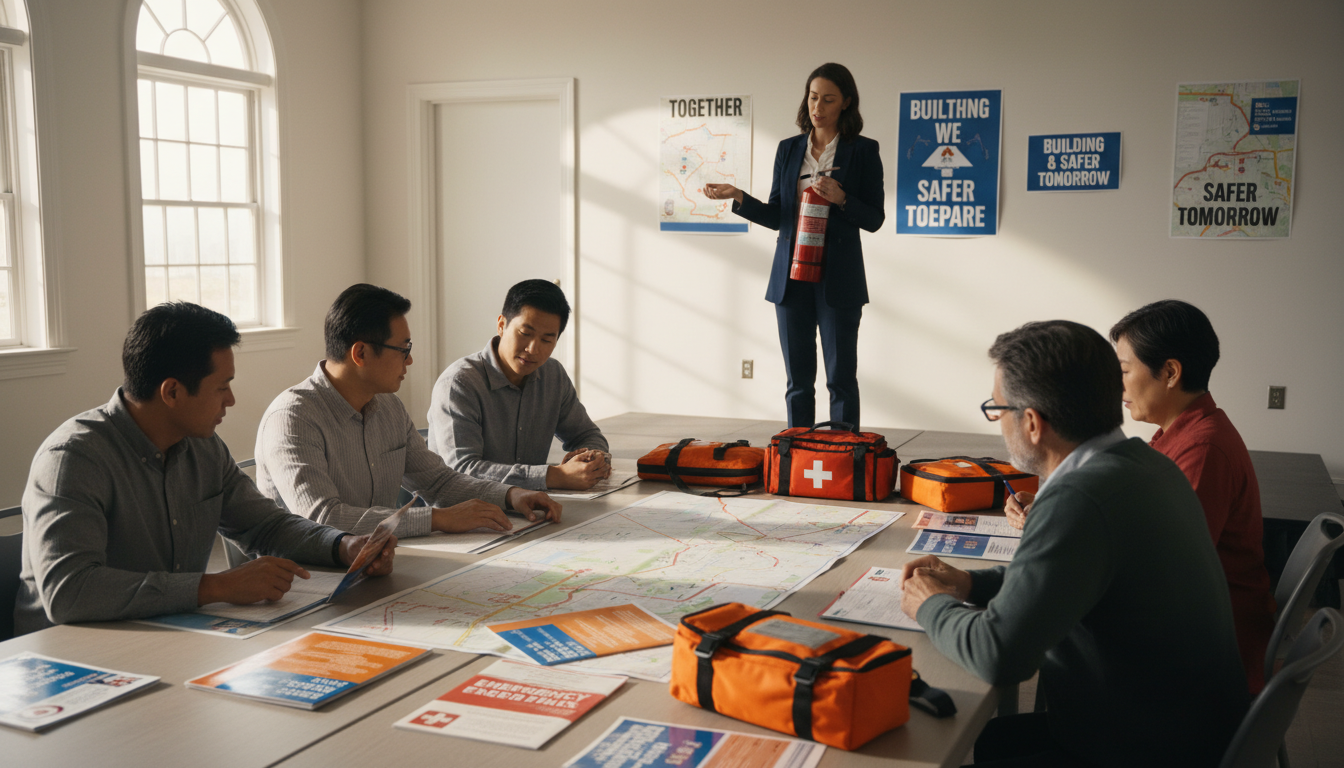
After a disaster, people face many challenges. These include physical injuries and emotional distress. The first 24 hours are key to assess the situation and start recovery.
Disaster preparedness is very important. It helps you respond better to emergencies. Knowing what to do right after a disaster can lessen its effects.
Managing stress and injuries is a top priority. Being prepared helps you deal with disaster challenges.
Key Takeaways
- Assess injuries and provide medical attention if necessary.
- Manage emotional stress by seeking support from family and friends.
- Understand the importance of disaster preparedness.
- Take initial steps to secure your surroundings.
- Stay informed about the situation through reliable news sources.
Table of Contents
Immediate Safety Assessment and Response
After a disaster, it’s key to check your area first. This helps you know what to do next to stay safe. You’ll find out about dangers, injuries, and how the disaster has affected your surroundings.
Evaluating Your Immediate Surroundings
Look for dangers like fallen power lines, sharp objects, or dirty water. Listen for updates on the radio or TV about safe places. Watch out for gas leaks or buildings that might not be safe.
Addressing Injuries and Medical Emergencies
Get medical help for injuries right away. If someone is hurt, give basic first aid if you can. For serious injuries, keep the person calm and safe until help comes.
Securing Hazardous Areas
It’s important to make dangerous areas safe. Turn off gas if you smell it, stay away from downed power lines, and be careful with dirty water.
Gas, Electricity, and Water Safety
Gas, electricity, and water can be dangerous. If gas smells, turn off the main gas valve and open windows. Don’t use wet electrical items to avoid shock. Check if your water is safe before drinking, cooking, or washing.
Structural Damage Concerns
Be careful around buildings that are damaged. Don’t go inside if a building is damaged. If you must go in, watch out for falling things or weak spots.
Disaster-Specific Safety Protocols
Each disaster needs its own safety steps. For example, during an earthquake, DROP, COVER, and HOLD ON to avoid falling debris.
Floods, Fires, and Earthquakes
In floods, go to higher ground and avoid wet areas. For fires, stay low to avoid smoke and follow evacuation paths. For earthquakes, be ready for aftershocks and follow the DROP, COVER, and HOLD ON rule.
Hurricanes, Tornadoes, and Winter Storms
For hurricanes and tornadoes, find a safe room or shelter. In winter storms, stay inside and stay warm. Have a plan and supplies ready, as shown in the Red Cross emergency plan.
By following these tips and staying informed, you can keep yourself and others safe during and after a disaster.
Meeting Basic Survival Needs
After a disaster, we first need shelter, clean water, and food. Having a plan for these basics is key to recovery.
Finding Safe Shelter
Finding a safe place to stay is very important. This could be your home if it’s okay, or another safe spot.
Indoor Shelter Options
Staying indoors? Make sure the building is safe and not damaged. Look for any damage to walls, ceilings, and foundations before going inside.
Outdoor Emergency Shelter
Outdoor shelters are needed if you can’t stay indoors. Use tents, tarps, or make a shelter from what you have. Pick a spot that’s flat, dry, and safe from falling things or floods.

Securing Clean Water
Clean water is very important. Bad water can make you very sick.
Water Purification Methods
You can purify water by boiling, using tablets, or a portable filter. Being ready for emergencies means knowing how to get clean water.
Rationing Strategies
It’s important to use water wisely until you find a good source. Use it only for drinking, cooking, and staying clean to make it last.
Accessing Emergency Food Supplies
Having non-perishable food is very important. Make sure you have a manual can opener and know how to cook with simple tools.
Managing Medications and Special Needs
People with special needs must have enough medicine and a plan. This includes having the right medical gear and supplies.
It’s also good to keep track of your expenses. Many insurance policies cover hotel stays, meals, and other costs after a disaster. Save your receipts and keep them safe for when you talk to your insurance company.
What to Do in the First 24 Hours of a Disaster: Communication Strategies
Communication is key in disaster relief efforts. It helps coordinate rescue, share vital info, and aid distribution. Right after a disaster, setting up good communication channels is vital.
Contacting Emergency Services
First, call emergency services. Use phones wisely as they can get busy. Only call if it’s really important, like for emergencies or to reach someone far away.
Reaching Family Members and Loved Ones
Finding family after a disaster is a big worry. Pick a meeting spot outside the disaster area. Also, choose a contact person for family to reach if you’re apart.
Alternative Communication Methods When Networks Fail
When usual ways to talk fail, we need other options.
Radio Communication
A battery or hand-crank radio is great for updates when power is out. Don’t forget to include one in your emergency kit.
Predetermined Meeting Points
Choose a meeting spot outside the disaster area. Make sure everyone knows it.
Staying Informed About Disaster Developments
Knowing what’s happening is key for safety.
Official Emergency Broadcasts
Listen to official emergency messages for updates and safety tips. They give accurate and timely info.
Reliable Information Sources
Trust sources like local news, weather, and emergency updates. Don’t spread or believe false info that can cause fear.
In summary, a good plan for talking is vital in the first 24 hours after a disaster. Knowing how to call for help, find loved ones, use other ways to talk, and stay updated helps keep you safe. It also makes disaster management efforts better.
Navigating Evacuation and Relief Resources
Knowing how to get help during a disaster is key to staying safe. The first hours after a disaster are very important. Knowing what to do can really help.
Deciding Whether to Evacuate or Shelter in Place
Choosing to leave or stay put is a big decision. Usually, you won’t need to leave unless you’re in a flood zone. Always listen to local officials for the best advice.
Preparing for Evacuation
Being ready to leave can save a lot of time. Make a plan and know what to pack.
Essential Items to Take
Take important things with you, like medicine and documents. Also, don’t forget clothes and a radio. These items can make a big difference.
Evacuation Route Planning
It’s important to know your escape route. Pick the safest way and plan for roadblocks and traffic.
Locating Emergency Shelters and Aid Stations
Shelters and aid stations are very helpful during disasters. Knowing where they are and what they offer can save lives.
| Resource | Services Offered | Location |
|---|---|---|
| Emergency Shelters | Temporary housing, food, water | Varies by disaster |
| Aid Stations | Medical care, food, clothing | Typically near shelters |
| FEMA Centers | Disaster assistance, information | Designated by FEMA |

Working with First Responders and Relief Organizations
First responders and groups like FEMA and the Red Cross are very important. It’s good to know what they do and how to get help from them.
FEMA Assistance
FEMA helps with money for temporary housing and repairs. You can sign up online or through their app.
Red Cross Services
The Red Cross offers shelter, food, and emotional support. They also donate blood and help find missing people.
Coping with Emotional and Psychological Stress
Disasters can really affect your mind and feelings. It’s important to know the signs of stress and where to find help.
Key coping mechanisms include: staying in touch with loved ones, getting help from mental health experts, and doing things that relax you.
Conclusion
Being ready and knowing what to do in the first 24 hours of a disaster is very important. It can help avoid injuries and damage to property. A good family preparedness plan is key. It helps people respond well and find help quickly.
Knowing how to stay safe right away, meet basic needs, and find evacuation and relief is vital. This makes people better prepared for disasters. Having a plan and staying informed are the best ways to manage disasters.
Disaster preparedness is all about being ready and confident when disasters hit. By preparing and knowing how to respond, people can reduce risks. This makes for a safer outcome.
FAQ
What should I do immediately after a disaster?
First, check your area and see if anyone is hurt. Then, make sure dangerous spots are safe. Follow the right steps for each disaster, like leaving if it’s flooding or putting out fires.
How do I purify water after a disaster?
To clean water, boil it, use tablets or filters, or bleach. The CDC says boiling for a minute kills germs.
What are the best ways to stay informed about disaster developments?
Listen to official news, emergency alerts, and reliable sources. Watch the National Weather Service or local news. Follow emergency agencies on social media too.
How do I contact emergency services after a disaster?
Call 911 or your local emergency number. If phones are out, use a two-way radio or satellite phone.
What should I do if I’m unable to evacuate during a disaster?
If you can’t leave, stay inside and follow local advice. Keep away from windows and doors. Be ready to change plans if needed.
How can I manage emotional and psychological stress after a disaster?
Talk to loved ones and take care of yourself. Get help from mental health experts or groups like the American Red Cross. Focus on basic needs like food and safety.
What are some common mistakes to avoid in the first 24 hours after a disaster?
Don’t use candles or open flames to avoid fires. Don’t go into damaged buildings. Watch out for power lines, sharp things, and dirty water.
How can I prepare for a disaster before it happens?
Make a plan with emergency supplies like food and first aid. Know about dangers and practice leaving and emergency steps.
What kind of support can I expect from disaster relief organizations?
Groups like FEMA and the American Red Cross offer shelter, food, and money help. They also help with rebuilding and mental health support.