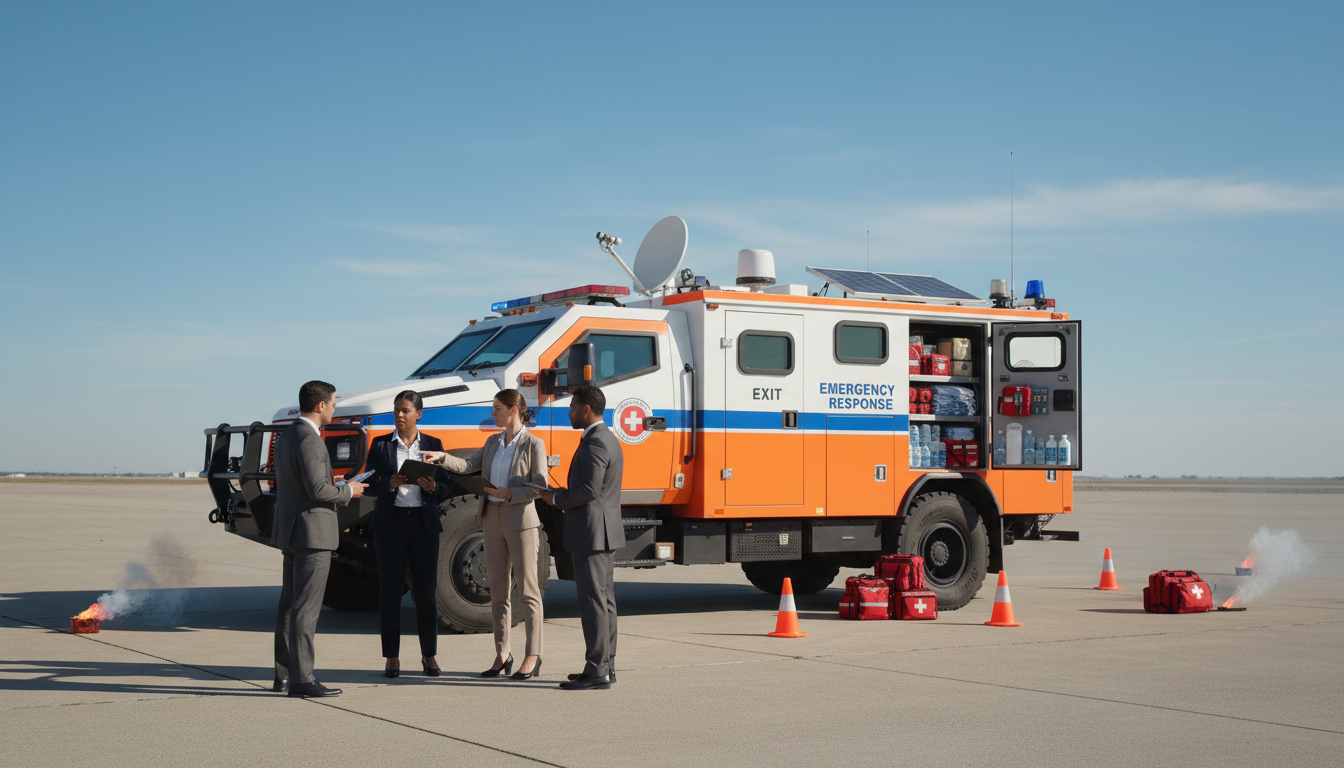
Emergencies can happen anytime. You might be driving along, then suddenly face a disaster or severe weather. Being prepared is key to safe travel.
Vehicle security is more than just keeping your car safe from thieves. It’s about having the right tools and knowledge for emergencies. A well-prepared vehicle can be your lifeline in dangerous situations.
When you face emergency situations, your car must be reliable. You need easy access to supplies and up-to-date knowledge. Without these, even a short trip can become risky.
This article will teach you about vehicle security during evacuations. You’ll learn why preparation is important. You’ll find out what supplies you need and how to check your vehicle before emergencies.
Preparing for emergencies is easy and affordable. Smart preparation today means peace of mind tomorrow. Let’s make sure your vehicle is ready for anything.
Table of Contents
Why Vehicle Security During Evacuation Matters More Than You Think
When disaster hits, your car is more than a ride. It’s your lifeline. Knowing why car safety is key during evacuations helps you get ready for real emergencies. The road gets riskier when weather gets bad, traffic jams, and stress goes up. Good planning turns big problems into smaller ones.
Real emergencies show us things we never thought of. Your car might break down at the worst time. Severe weather can keep you stuck for hours. Accidents happen when it’s hard to see and roads are full. Being ready with the right tools and knowledge can save you from danger.
Unexpected Breakdowns Leave You Vulnerable
Mechanical failures can happen anytime. A dead battery, flat tire, or engine trouble can leave you stranded, far from help. This is worse during evacuations when roads are crowded and help is scarce.
Carrying essential repair items can help you fix problems fast:
- Jumper cables to restore battery power
- Tire repair kits for quick fixes
- Multi-tools for various mechanical issues
- Spare belts and hoses
- Extra engine oil and coolant
These items can turn a bad situation into a minor delay. You can get moving again instead of waiting for hours for help.
Severe Weather Creates Dangerous Conditions
Hurricanes, snowstorms, floods, and extreme heat can make evacuation routes deadly. When the weather gets bad, your car becomes your shelter. Staying warm inside can save you from serious health issues.
Keep yourself safe during severe weather with these items:
| Weather Scenario | Essential Items | Why It Matters |
|---|---|---|
| Winter Storms | Blankets, hand warmers, extra clothing | Prevents hypothermia if stranded for hours |
| Extreme Heat | Extra water, cooling towels, sunscreen | Protects against dehydration and heat exhaustion |
| Heavy Rain/Flooding | Waterproof bags, emergency supplies, raincoat | Keeps critical items dry and accessible |
| Low Visibility | Flashlights, reflective triangles, extra batteries | Increases visibility to other drivers |
Severe weather can trap you in your car for a long time. Blankets, warm clothes, and hand warmers are not just extras. They are survival gear that keeps you safe until help comes or the weather improves.
Accidents Happen When You Least Expect Them
During evacuations, the risk of accidents goes up. Roads are full, drivers are stressed, and visibility is poor. Emergency car safety is more important than ever.
Keep these items in your car to stay safe:
- First aid kit for immediate injury care
- Road flares to warn approaching traffic
- Reflective triangles for visibility
- Emergency contact information
- Document copies for insurance claims
- Flashlight with extra batteries
A well-stocked car emergency kit gives you confidence. It saves time and money by letting you fix small problems yourself. Most importantly, being ready in your car is key. When emergencies happen, you won’t have time to shop for supplies. You’ll need what you already have in your car.
Essential Emergency Supplies Every Vehicle Should Have
Creating a car emergency kit might seem daunting, but start small. Add items gradually. Having the right supplies ready can be a lifesaver. You don’t have to buy everything at once. Start with the essentials or get a pre-assembled kit from trusted sources like the American Red Cross.
Your emergency kit should fit in a compact case in your trunk. Make sure it’s easy to reach but protected from extreme temperatures. Check food and battery expiration dates every six months to keep everything ready when needed.
- First Aid Kit – Treat injuries with bandages, antiseptic wipes, and pain relievers. A Be Red Cross Ready First Aid Kit with 73 pieces is a good start.
- Emergency Radio – Stay updated on weather alerts and emergency instructions when phones don’t work.
- Flashlight and Batteries – Use them for night visibility and signaling. Choose ones with long battery life or hand-crank options.
- Jumper Cables – They help when your battery dies, getting you back on the road fast.
- Water and Snacks – Include one gallon of water per person for 24 hours and high-energy foods like granola bars.
- Blankets and Warm Clothes – Keep warm during long waits, more important in cold months.
- Tire Repair Kit and Inflator – Fix small flats without waiting for help.
- Road Flares or Reflective Triangles – Make you visible to other drivers and lower collision risk.
- Shovel and Sand – Help you get out of snow, mud, or sand traps.
- Portable Power Bank – Keep your phone charged to call for help anytime.
You can also include a multi-tool, duct tape, fire extinguisher, rain poncho, and cash. Popular car emergency kits have 28 to 93 pieces, so you can start small or go big.
| Emergency Kit Type | Number of Pieces | Best For |
|---|---|---|
| Car Survival Kit with Winter Supplies | 28 | Basic winter emergencies and seasonal travelers |
| Be Red Cross Ready First Aid Kit | 73 | Medical emergencies and all-around coverage |
| Basic Emergency Preparedness Kit | 48 | General road trips and everyday preparedness |
| Deluxe Emergency Preparedness Kit | 52 | Extended travel and multiple occupants |
Many items you might already have at home. Check your garage and closets before buying. Store supplies in easy-to-grab containers. Keep heavier items near the wheel well. Building a reliable emergency kit makes you self-sufficient during unexpected situations.
Vehicle Security During Evacuation: Protecting Your Car and Yourself
Being stuck on the side of the road during an emergency is scary. Your safety depends on being visible and able to call for help. It’s not just about locking your doors. You need the right tools to stay safe, seen, and connected.
These tools are key, whether you’re facing a breakdown, accident, or weather emergency. They can turn a stressful situation into a safe one.
Many drivers travel alone, often at night. This makes being prepared even more important. The good news is that smart planning is affordable and doesn’t take up much space.
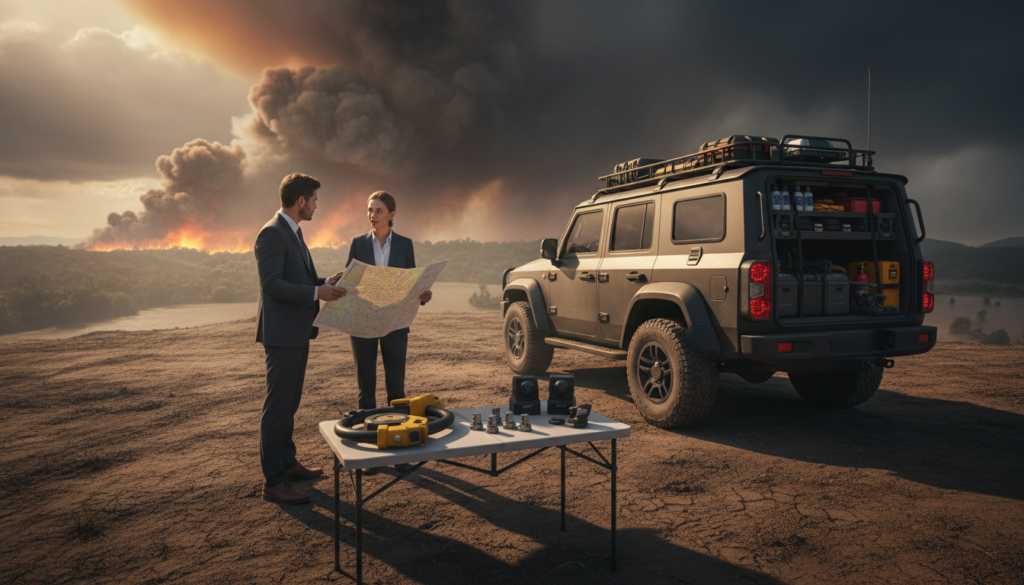
Visibility Tools Keep You Safe on the Roadside
Being seen is your first defense when your car stops on the road. Other drivers need time to slow down and move away. Safety triangles are great for this. Place them behind your vehicle to warn oncoming traffic.
Light sticks provide hands-free light for 6 or more hours without using flashlight batteries. They’re perfect for signaling for help or staying visible at night. A rechargeable flashlight with a strong beam is also a must. Keep it in your glove compartment.
An emergency hammer with a built-in seatbelt cutter is a vital tool. It helps you break windows if trapped and cuts seatbelts. This is critical during floods when cars can quickly become submerged.
Communication Devices Ensure You Can Call for Help
Your cell phone is your lifeline in emergencies, but it’s useless if it’s dead. Staying alert and aware is key to preventing vehicle theft. Being able to call for help keeps you connected to loved ones and emergency services.
Here are some charging options for your vehicle:
- USB power banks cost around $10 and fit easily in your emergency kit
- Solar cell phone chargers run about $25 and work during extended emergencies when power is unavailable
- Hand-crank chargers require no batteries or sunlight—just human power
Keep your power bank charged at home so you can grab it quickly. Test your emergency tools before you need them. This way, you’ll feel confident and ready.
If you must leave your vehicle, protect it. Remove valuables, lock doors, park in well-lit areas, and photograph your vehicle. Vehicle theft prevention during emergencies requires awareness and smart choices about where and how you leave your car.
Winter Weather Emergency Preparedness for Your Vehicle
Winter storms are dangerous and can be life-threatening. They can leave you stranded for hours. It’s important to prepare your vehicle for winter.
Having tools to get you moving again and survival gear to keep you safe is key. Knowing how to prepare for winter weather can save you from danger.
Start by getting an ice scraper with a long handle and a quality brush. Cheap brushes break in cold, and a long handle helps clear your windshield without climbing on your car. Always remove snow from your roof and sides, not just the windshield.
Snow flying off your vehicle can blind drivers behind you and create hazards on the road.
A compact, sturdy shovel fits easily in your trunk and is essential. When digging out, clear around all four tires and create a path for your car to roll forward or backward. Keep a bag of cat litter (old-fashioned, not clumping) in your vehicle. When poured under tires, it gives your wheels something to grip when ice and snow make surfaces too slippery. Floor mats work as an alternative for gaining traction.
Winter Survival Supplies for Extended Emergencies
Beyond tools, your winter emergency kit needs supplies for staying warm and alive. Protecting cars during natural disasters means thinking about human survival, not just vehicle rescue. Pack multiple blankets instead of one thick one, as layering works better. Include an emergency Mylar sleeping bag and Mylar blanket as they reflect body heat back to you and take up minimal space.
Winter-specific items should include:
- Gloves and hand warmers (you lose most body heat through your head and hands)
- Extra clothing, including hats and winter coats
- Food with high calories to help your body generate warmth
- Water kept inside the passenger compartment (trunk water freezes)
- First aid kit and light stick for visibility
- Rain poncho for protection from wet snow
Specialized winter kits like the AAA 65-Piece Winter Severe Weather Travel Kit come pre-packed with essentials. These kits save time and ensure you don’t forget critical items. Practice using your shovel and ice scraper on a calm day in your driveway. When you’re stuck in a snowstorm, you’ll be grateful you know exactly what to do. Hand warmers and foot warmers are inexpensive additions that prevent frostbite during extended exposure to cold.
| Winter Emergency Item | Purpose | Why It Matters |
|---|---|---|
| Ice Scraper with Brush | Clear windows and remove snow | Long handle prevents climbing; quality brush won’t break in cold |
| Compact Shovel | Dig out stuck vehicle | Fits in trunk; clears path for movement |
| Cat Litter or Floor Mats | Improve tire traction | Gives tires grip on ice and snow |
| Mylar Blankets | Retain body heat | Lightweight, compact, reflect warmth back to body |
| Hand and Foot Warmers | Prevent frostbite | Inexpensive, long-lasting heat source |
| Extra Gloves and Hat | Maintain core temperature | Extremities lose heat fastest; wet gloves need replacements |
| High-Calorie Food | Generate body heat | Helps body maintain warmth in cold conditions |
Winter weather demands serious attention to protecting your car. A well-stocked winter emergency kit and the right tools can turn a frightening situation into a manageable one. Keep supplies in your vehicle year-round, check them each fall, and replace items that expire or get damaged.
Pre-Trip Vehicle Safety Checks to Prevent Emergencies
Life gets busy, and we often forget about vehicle maintenance. Just 15 to 20 minutes before any trip can prevent most breakdowns. Knowing your vehicle is ready gives you peace of mind.
You don’t need to be a mechanic for basic checks. Quick-lube facilities offer free checks, and a trusted mechanic can help when needed. Use a comprehensive vehicle safety checklist to stay on track.
Fluid Levels and Tire Pressure Inspections
Engine oil is vital. Park on level ground, let it cool, and check the dipstick. It should be between minimum and maximum marks. Healthy oil is golden or amber, while dark brown or black means it’s time for a change.
Check these fluids systematically:
- Transmission fluid – Should be bright red, not dark or burnt-smelling
- Brake fluid – Should be clear to light brown; dark fluid needs attention
- Coolant – Must be at proper level with bright color, not rusty or discolored
- Windshield washer fluid – Keep topped off, even in winter
Tire pressure affects safety and fuel efficiency. Find your vehicle’s recommended PSI on the sticker inside your driver’s door jamb. Always check pressure when tires are cold. Use the penny test for tread depth: if you see the top of Lincoln’s head, tires need replacement.
Battery and Electrical System Verification
A dead battery during evacuation is a big problem. Watch for slow engine cranking, dimming headlights, or clicking sounds. Batteries older than three years should be replaced. Most auto parts stores test batteries for free.
Check that all lights function properly:
- Headlights (both low and high beam)
- Brake lights
- Turn signals (front and rear)
- Hazard lights
- Interior dome light
Being visible to other drivers is critical, even in bad weather or darkness. It keeps you and others safe.
Consider investing in a AAA membership. The mid-level option costs under $100 annually. Members get help with flat tires, dead batteries, lockouts, and towing. It’s a smart investment for emergency travel.
Conclusion
You now have a clear plan for staying safe in emergency situations. What seemed hard before is simple now. You know how to keep your vehicle and yourself safe.
Being prepared isn’t about being scared. It’s about taking care of yourself and your family. Emergencies come without warning. So, prepare now when you’re calm.
Begin by using items you already have at home. Make a list of what you need. Set aside money for important items like jumper cables and a flashlight. Keep everything in a small bag in your trunk.
Don’t wait to check your vehicle’s safety. You can start with a basic kit. Even a simple kit makes you safer than most drivers.
Real safety comes from being ready, not luck. With the right gear and car care, you’ll feel confident. You’ll know how to protect yourself and help others in emergencies.
Safe travels start with smart choices today. Tell your family and friends about the importance of being prepared. Check your emergency kits regularly to keep them fresh. Remember, being prepared lets you enjoy your travels and focus on the adventure ahead.
FAQ
What should I prioritize first when building an emergency vehicle kit?
Start with the basics: a first aid kit, drinking water, a flashlight, jumper cables, and a phone charger. These cover common emergencies like medical issues and car troubles. Once you have these, you can add more items like blankets and tools.
Building your kit gradually is okay. It’s better than buying everything at once.
How can I protect my vehicle from theft during an evacuation?
Lock all doors and windows, and remove valuables from sight. Park in well-lit areas if you can. Take photos of your vehicle before leaving.
If you must leave your car, hide personal info. Leave lights on at night to scare off thieves. Consider a GPS tracker for extra security.
Never leave keys in the ignition, even in chaos.
What’s the most important item to keep in my car during winter?
An ice scraper with a brush is key for winter. It helps clear snow and ice from your car. This is important for safety.
A compact shovel is also essential for digging out stuck tires. Bring blankets to stay warm if stranded. Use cat litter for traction and hand warmers for cold.
How often should I check my vehicle’s battery during emergency season?
Check your battery monthly during emergency seasons. Look for signs like slow cranking or dim lights. Most auto stores offer free tests.
If your battery is over three years old, replace it. This prevents dead batteries during emergencies.
What communication devices should I carry for emergency vehicle situations?
Your cell phone is your main lifeline. Keep a reliable power bank in your car. For no power, use solar chargers or hand-crank chargers.
Consider an emergency radio for extra safety. It can have flashlights and charging features. For remote areas, a satellite messenger is useful.
How should I prepare my vehicle differently for flood evacuations versus other emergencies?
Flood evacuations need special safety steps. Keep an emergency hammer or multi-tool in easy spots. This helps escape if your car is submerged.
Never drive through flooded roads. Keep your vehicle’s weather stripping and windows in good shape. Take photos of your car and its contents before leaving.
What first aid supplies are most critical for vehicle emergencies?
A good first aid kit has gauze, bandages, and wraps. Include pain relievers, antihistamines, and antacids. Don’t forget tweezers, cold packs, and CPR face shields.
Keep a first aid manual in your kit. Learning first aid can be very helpful.
How do visibility tools prevent accidents during emergency vehicle situations?
Visibility tools like safety triangles and light sticks are vital. They warn other drivers of your car’s presence. Use road flares for extra visibility.
Turn on hazard lights and wear reflective clothes. These steps are critical in poor visibility.
What supplies should I pack for staying hydrated during vehicle emergencies?
Keep at least one gallon of water per person per day. Use food-grade containers and replace water every six months. In winter, keep water inside the car to avoid freezing.
Include electrolyte drinks for extra hydration. Never drink snow to stay hydrated; it burns calories.
How can I prevent mechanical breakdowns during emergency travel?
Prevent breakdowns with regular checks. Check fluids, tire pressure, and lights before traveling. Use a phone reminder for monthly checks.
Consider joining a roadside assistance program. They offer help when you need it most.
What should I include in my vehicle’s emergency tool kit?
Your tool kit should have jumper cables, a tire repair kit, and a jack. Add an ice scraper and shovel for winter. Keep everything organized in a container.
Test your tools before an emergency. This ensures you know how to use them.
How do I properly maintain tire pressure for emergency vehicle preparedness?
Check tire pressure monthly and before trips. Use a reliable gauge and follow the recommended PSI. Always check pressure when tires are cold.
Underinflated tires are dangerous. Proper maintenance prevents sudden failures during emergencies.
What should I do if I become stranded in my vehicle during severe weather?
If stranded, stay in your car unless it’s safe to leave. Turn on hazard lights and use visibility tools. Stay warm with blankets and hand warmers.
Drink water and eat high-calorie food to stay warm. Use your phone to call for help. Run the engine to stay warm, but keep the exhaust clear.
How do I create a vehicle emergency supplies checklist I can reference?
Start a checklist with basic supplies like first aid and tools. Add items for your region’s risks. Include expiration dates and when to replace items.
Take a photo of your checklist. Set reminders to review and update it. Share it with family for everyone’s safety.
Should I keep my vehicle evacuation kit different from regular emergency supplies?
Your core kit should stay in your car always. It includes first aid and basic tools. For evacuations, add extra supplies like water and food.
Keep an evacuation checklist at home. This way, you can quickly pack what you need during an emergency.