Natural disasters can happen anytime. Hurricanes can hit the Gulf Coast, wildfires can spread in California, and severe storms can knock out power. Families need ways to stay connected and safe during these times.
Your smartphone is usually a lifeline. But when disasters hit, cell towers go down. Networks get flooded with calls and texts. Internet connections can vanish for hours or days. In these moments, two-way radios become your best tool for staying in touch.
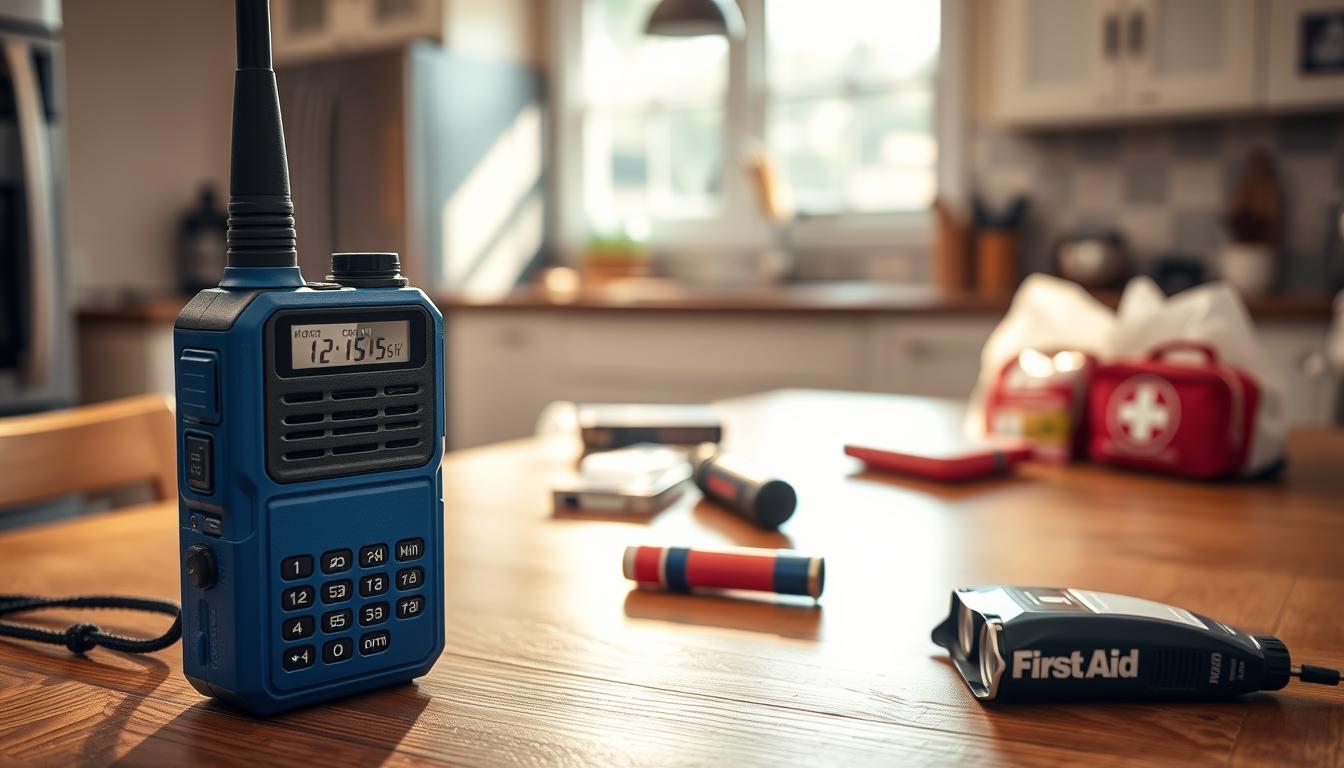
Emergency communication radios don’t need cell towers or internet. They use radio frequencies that stay active even when power fails. You can carry compact walkie talkies in backpacks or emergency kits. Today’s devices are light and easy for everyone to use.
You don’t need to spend a lot on radios. FRS walkie talkies are simple and affordable for families. GMRS radios offer longer range for bigger properties. Weather alert radios keep you updated on dangerous weather. Each type meets different emergency needs.
Being prepared isn’t about being scared. It’s about keeping your loved ones safe. Two-way radios give your family a way to stay connected when communication systems fail. When disaster strikes, you’ll have a reliable plan.
Table of Contents
Why Every Family Needs Emergency Communication Devices
When disaster hits, your family must stay connected. Cell phones and internet fail. Power goes out. Crisis communication devices are key for every home. They help your family stay safe and find each other when all else fails.
Emergencies are unpredictable, so planning is vital. Disaster preparedness walkie talkies are a smart choice. They work without towers, internet, or electricity. They’re reliable when you need them most.
When Cell Phones Fail During Disasters
Cell networks crash during big emergencies. During 9/11, millions tried calling at once. Busy signals and tower damage made phones useless during Katrina and wildfires. People couldn’t communicate.
Cell phones rely on complex systems. Towers need power and connections. When disasters hit, phones become useless. You can’t text or call when you need to.
Consider these vulnerability points:
- Tower damage from high winds or fires
- Power outages affecting network equipment
- Network overload from emergency calls
- Destroyed cables and underground infrastructure
The Importance of Independent Communication Systems
Two-way radios use different technology. They don’t need towers, satellites, or internet. People can talk directly through the air. No need for infrastructure or networks.
This means your family stays connected when phones fail. You can talk during a tornado or check on relatives after an earthquake. Reliable communication is key during emergencies.
Disaster preparedness walkie talkies offer more than just communication. They show your family’s commitment to safety. Unlike phones, these devices give you control over your communication.
Two-Way Radios for Emergencies: Your Lifeline When It Matters Most
When disaster hits, your cell phone might not work. Power lines can go down, and networks get too busy. That’s when two-way radios become your best friend. They don’t need cell towers or internet, giving your family a direct way to talk when all else fails.
Imagine your family is split during a sudden evacuation. Parents and teens need to coordinate, and relatives must check on each other after a disaster. Two-way radios let you do this instantly. With just a push, everyone on the channel hears your message right away.
Matt A., a happy customer, says: “I bought 4 for my kids in college! We can talk across the country when SHTF. It gives me peace of mind if something bad happens.” Real families are already using these radios to stay in touch when it counts.
Today’s emergency radios are easy to use and not old-fashioned. They’re light, simple, and made for everyday people. You don’t need to know a lot about radios. Even advanced models, like those from Motorola Solutions, are easy to use.
Two-way radios for emergencies have big benefits:
- Instant push-to-talk communication without delays
- Group messaging for coordinating with others
- Channel monitoring for important updates
- No need for cell towers or internet
- Long battery life for hours of use
Your family’s safety relies on being able to communicate well. Two-way radios for emergencies give you that peace of mind when you need it most.
Understanding Different Types of Emergency Communication Radios
When planning your family’s emergency communication strategy, knowing the differences between radio types is essential. Each option has its own strengths and limitations. Your choice depends on your budget, licensing willingness, and distance needs. Let’s explore the main categories that families choose for staying connected when disasters strike.
FRS vs GMRS Emergency Radios
Family Radio Service (FRS) and General Mobile Radio Service (GMRS) radios serve different emergency communication needs. FRS GMRS emergency radios share similar features but operate under different rules.
FRS radios need no license. They’re ready to use straight from the box. Popular models include the Midland T31 and Cobra RX100-4. These work great for families wanting immediate solutions without paperwork.
GMRS radios require an FCC license (around $35 for ten years). The trade-off brings real benefits. They deliver greater power and range compared to FRS options. Models like the Midland GXT3000 and Cobra TrailBlazer series offer extended communication distances. Both FRS and GMRS typically feature 22 channels and privacy codes for clearer conversations.
| Feature | FRS Radios | GMRS Radios |
|---|---|---|
| License Required | No | Yes (FCC License) |
| Range | 1-2 miles (typical) | 5-25 miles (typical) |
| Power Output | 0.5 watts | 1-5 watts |
| Setup Time | Immediate | License processing required |
| Best For | Quick family coordination | Extended distance coverage |
Ham Radio for Emergency Preparedness
Amateur (ham) radio represents the advanced choice for serious emergency planners. Ham radio emergency preparedness unlocks capabilities far beyond consumer radios.
Ham radio requires licensing through the FCC. Three license levels exist: Technician, General, and Extra. Training focuses on radio basics, safety rules, and equipment operation. The investment pays dividends during large-scale disasters.
- Global communication ability during widespread emergencies
- Access to thousands of repeaters extending range dramatically
- Connection with organized emergency response networks
- Lower frequency bands penetrate buildings and terrain better
- Community of prepared operators ready to assist
Ham operators often form local emergency response teams. During hurricanes, earthquakes, and widespread power outages, ham radio emergency preparedness becomes invaluable. Cell networks fail, internet drops, yet ham operators maintain contact with authorities and each other.
NOAA Weather Alert Radios
NOAA weather alert radios serve a specialized emergency function. These devices automatically broadcast warnings about dangerous weather conditions in your area.
Midland produces several popular models at different price points. The ER310PRO offers advanced features. The ER210 provides solid performance at lower cost. Budget-conscious families find the ER10 affordable and effective.
- Automatic alert activation when danger approaches your location
- NOAA weather alert radios wake sleeping family members during emergencies
- Specific area messaging ensures relevant local warnings only
- Battery backup keeps devices running during power failures
- Many models include SAME (Specific Area Message Encoding) technology
Weather alerts save lives. NOAA weather alert radios give you critical minutes to prepare before severe storms arrive. They work continuously, even when you’re not actively listening. During tornado season or hurricane threats, these devices provide peace of mind that you’ll receive immediate warnings.
Essential Features to Look for in Disaster Preparedness Walkie Talkies
Choosing the right emergency response two-way radios is key for your family’s safety. The best ones are reliable, durable, and easy to use. Let’s look at the important features that make these radios lifesavers in emergencies.
Power Options That Keep You Connected
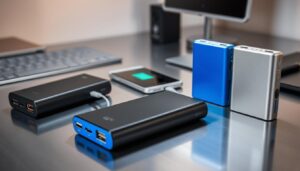
When emergencies hit, power outlets vanish. The top emergency response two-way radios have many power sources. Look for ones with replaceable batteries, rechargeable packs, and backup charging options.
Midland’s ER310PRO has crank power and power bank features. This means you can charge it by hand during long power outages. This flexibility keeps your communication going, no matter the situation.
Durability and Weather Protection
Disasters don’t care about the weather. Your walkie talkies must handle tough conditions. Knowing IP ratings helps you pick the right ones:
- Waterproof models (IP67 rating) like Cobra ACXT1035R FLT float if dropped in water
- Weather-resistant options such as RX380 and ACXT345 handle rain and moisture
- Rugged MIL-SPEC construction in Cobra Performa series withstands drops and extreme conditions
Communication Capabilities
Emergency response two-way radios need smart features for family communication. Privacy codes (Cobra offers 121 codes) reduce interference and keep talks clear. VOX lets you talk hands-free when your hands are busy.
Check the number of channels. More channels mean better communication in crowded emergency situations.
Practical Features for Real Situations
| Feature | Benefit |
|---|---|
| Built-in flashlight | Provides light during power outages and emergencies |
| Belt clips | Keeps radios secure while moving through dangerous areas |
| User-friendly interface | Children and elderly users can operate easily |
| Charging docks | Simple, organized battery charging system |
| Encrypted communications | Protects family conversations with AES end-to-end encryption |
Your family’s emergency response two-way radios should be easy to hold and simple to use under stress. Real-world range depends on terrain and obstacles, not just advertised distances. Choose disaster preparedness walkie talkies that fit your family’s needs and budget for reliable emergency communication.
Top Emergency Response Two-Way Radios for Families
Choosing the right two-way radio for your family’s emergency kit is key. You need to think about range, battery life, and cost. Your family’s safety depends on devices that work when it counts.
Do you need radios that cover long distances or just your neighborhood? Knowing the right type helps you invest in your family’s safety.
Long Range Emergency Radios
Long range emergency radios let you talk farther than usual. The Cobra ACXT1035R FLT has a 37-mile range and is waterproof. It costs $129.95.
The Cobra RX380 has a 32-mile range and is on sale for $59.95. For longer distances, the Midland GXT3000 GMRS 2-pack is a good choice. It costs $169.99.
Rapid Radios offers unlimited range for $199, with no monthly fees. Over 250,000 people trust it for family connections across the country. It’s great for families spread out or college students away from home.
| Model | Range | Price | Special Features |
|---|---|---|---|
| Cobra ACXT1035R FLT | 37 miles | $129.95 | Waterproof, floats |
| Cobra RX380 | 32 miles | $59.95 (sale) | Affordable option |
| Midland GXT3000 GMRS 2-pack | Extended GMRS range | $169.99 | Licensed frequencies |
| Rapid Radios | Nationwide unlimited | $199 + $200 trial | No monthly fees |
Battery Powered and Crank Emergency Radios
Battery powered radios keep you connected when the power is out. Midland’s ER-series has great options for all budgets. The ER310PRO ($109.99) has crank charging and a power bank.
The ER310 model is $87.99, and the ER210 is $65.99. For a low cost, the ER10VP is $32.99.
Crank-powered radios keep you talking even when batteries run out. They let you charge them manually. The Midland Emergency Preparedness Kit is $159.99 and includes everything you need.
- Midland ER310PRO: $109.99 – includes power bank function
- Midland ER310: $87.99 – popular reliable choice
- Midland ER210: $65.99 – solid mid-range option
- Midland ER10VP: $32.99 – entry-level affordability
- Midland Emergency Preparedness Kit: $159.99 – complete system
Smart families use both long range emergency radios and battery powered emergency radios. This way, they’re covered for any situation. Choose devices that fit your family’s needs and location.
Setting Up Your Family Emergency Communication Plan
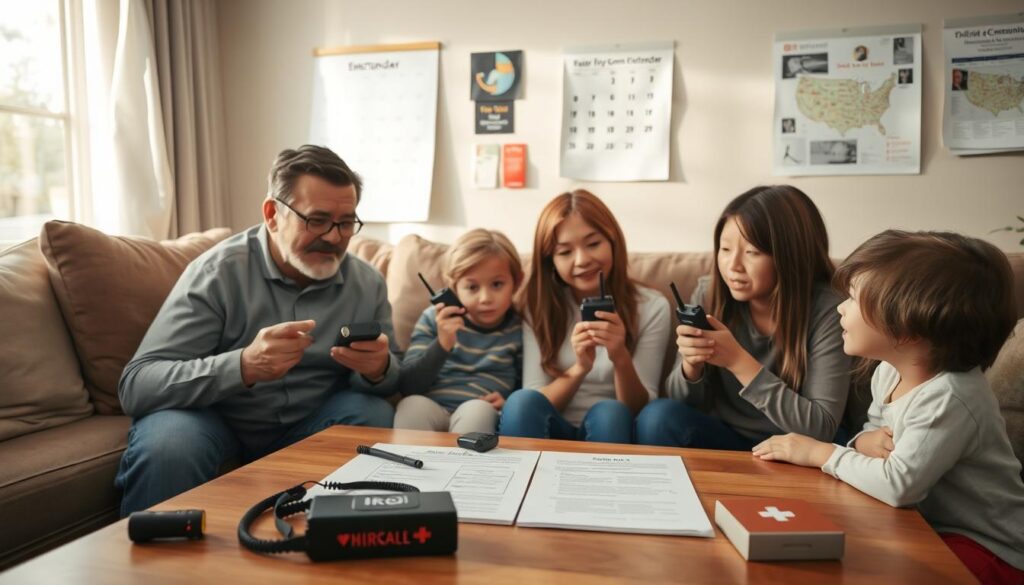
Buying crisis communication devices is just the first step. You need a solid plan to make sure your family can actually use them when danger strikes. A good emergency communication plan brings everyone together and keeps you connected when normal phone systems fail. Think of it as your backup lifeline during natural disasters, power outages, or other emergencies.
Your plan should be simple enough that kids and elderly relatives can follow it. Write everything down and practice it regularly. This way, when an emergency happens, nobody has to figure out what to do.
Creating Communication Protocols
Start by picking a main channel on your radios where the family talks first. Most crisis communication devices like Cobra radios come with 22 channels and privacy codes. These codes help reduce background noise and keep your conversations secure. Write down which channel your family uses.
Next, decide on check-in times during emergencies. Everyone should know when to listen for messages. Set up simple code words that even young children can remember. For example, “safe zone” might mean your designated meeting spot.
- Assign one radio to each family member and label them with names
- Teach everyone how to turn on the radio before an emergency
- Pick a safe rally point where family members meet if separated
- Practice using privacy codes to stay connected without interference
- Create a communication chain showing who checks on whom
Test your range in your actual neighborhood. Walk around your house and nearby areas to see how far the radios work. This real-world testing shows you what distance to expect during actual emergencies.
Testing and Maintaining Your Crisis Communication Devices
Mark your calendar for monthly radio checks. Make this fun by testing them together as a family. It keeps everyone familiar with the equipment and builds confidence in using crisis communication devices when you need them most.
Battery care matters greatly. Check rechargeable batteries monthly and replace disposable ones before expiration dates. Test crank-charging features on emergency models like the Midland ER-series. Keep your radios in easy-to-reach spots, not buried in storage boxes.
| Maintenance Task | Frequency | Details |
|---|---|---|
| Battery Rotation | Monthly | Check rechargeable batteries and test crank mechanisms |
| Radio Test | Monthly | Practice family communication on designated channel |
| Battery Replacement | As Needed | Replace disposable batteries before expiration dates |
| Plan Review | Quarterly | Update rally points and contact information |
| Range Check | Twice Yearly | Test communication distance in your neighborhood |
Update your plan when life changes. If someone moves away, joins the family, or starts college, adjust your communication strategy. Services like Rapid Radios feature encrypted communication options that families across different states use successfully to stay connected. This shows how crisis communication devices help families remain in touch, even when members are miles apart.
Emergency preparedness is an ongoing process, not a one-time purchase. Regular testing and maintenance ensure your crisis communication devices work when you need them most. Your family’s safety depends on being prepared and staying connected.
Conclusion
Emergency communication radios are a key safety tool for your family. They work even when phones don’t. This makes them a smart choice for keeping your loved ones safe.
There are many types to choose from. FRS radios are easy to use for beginners. GMRS devices cover longer distances. Ham radios offer advanced features for serious preppers. NOAA weather alert radios alert you to dangerous weather.
Find a radio that fits your family’s needs and budget. The Midland ER10VP is affordable at $32.99. Rapid Radios offers top-notch systems with a 100% satisfaction guarantee.
The best radio is one your family will use and keep up with. An expensive radio that’s never used is useless. Start with something simple, like FRS walkie talkies, and practice using them.
Being prepared shows you care about your family’s safety. Choose the right radios and make a plan. Practice using them often. When disaster hits, you’ll be ready.
FAQ
Why should my family invest in two-way radios if we all have cell phones?
Cell phones are great for daily use, but they fail in emergencies. Events like 9/11 and hurricanes show cell towers fail when needed most. Two-way radios, on the other hand, work without towers or internet.
They’re perfect for staying in touch during disasters. Whether you’re in different parts of your home or checking on relatives, radios keep you connected.
What’s the difference between FRS and GMRS emergency radios?
FRS radios are easy to use and don’t need a license. They’re great for families who want to start quickly. Models like the Midland T31 and Cobra RX100-4 are popular.
GMRS radios need a license but offer more range and power. They’re best for families needing to talk over longer distances. The Midland GXT3000 and Cobra TrailBlazer series are good choices.
What are NOAA weather alert radios and why are they important for disaster preparedness?
NOAA weather alert radios broadcast emergency weather info and alerts. They’re lifesavers during severe weather. Models like the Midland ER310PRO and ER210 are great for this.
These radios alert you to dangerous weather, even while you sleep. They work during power outages, keeping you safe.
Is ham radio a good option for family emergency preparedness?
Yes, ham radio is excellent for serious emergency prep. It offers long range and global communication during disasters. It requires FCC licensing and training.
During emergencies, ham radio operators provide critical communication. It’s ideal for families wanting robust emergency response.
What power options should I look for in emergency radios?
Look for radios that don’t rely on wall outlets. The best ones have multiple power sources. This includes replaceable batteries, rechargeable packs, and crank power.
The Midland ER310PRO is a versatile option with all these features. It’s perfect for families needing reliable power during emergencies.
What does IP rating mean when choosing waterproof emergency radios?
IP ratings show a radio’s water and dust protection. An IP67 rating means it’s fully waterproof. Models like the Cobra ACXT1035R FLT are perfect for floods.
IP54 ratings are splashproof, great for rain. Weather-resistant models like the Cobra RX380 offer protection without being fully waterproof. Choose based on your climate and needs.
How far can emergency communication radios actually communicate?
Advertised ranges are maximums, not real-world performance. Urban areas reduce range, while open spaces increase it. The Cobra ACXT1035R FLT claims a 37-mile range.
For reliable long-range communication, consider GMRS radios. Rapid Radios offers nationwide coverage, ideal for families across states.
What are privacy codes and why do they matter in emergency radios?
Privacy codes reduce interference and secure conversations. Cobra radios offer 121 codes. This keeps your family’s chats private during emergencies.
Assign a channel and code for your family. This ensures only your family hears you. It’s vital in crowded areas.
Are two-way radios difficult for children and elderly family members to use?
Modern radios are easy for all ages to use. They have simple interfaces and clear manuals. Models like the Midland T31 and Cobra RX100-4 are great for beginners.
Practice using the radios monthly. This makes them a fun activity. It ensures everyone knows how to use them when needed.
What features make the Rapid Radios system different from traditional two-way radios?
Rapid Radios offers unlimited nationwide range. It’s perfect for families across states or college students away from home. It has private and encrypted communication.
There are no monthly fees. It’s a reliable solution for serious emergency needs. Families trust it for guaranteed communication.
What should I include in my family’s emergency communication plan?
Your plan should include a primary channel and privacy codes. Set check-in times and simple code words. Assign radios and label them clearly.
Determine rally points and document your plan. Teach everyone, including children and elderly relatives, how to use the radios. Test range in your neighborhood.
How often should I test and maintain my emergency communication radios?
Test your radios monthly. This makes it a fun activity. Test voice clarity and confirm everyone knows how to use their radios.
Rotate rechargeable batteries and replace disposable ones before they expire. Test crank-charging mechanisms. Keep radios accessible and maintain a charging station.
What’s the best emergency radio for families on a tight budget?
There are great options for every budget. The Midland ER10VP is affordable at .99. For a complete system, consider the Midland T31VP 2-pack at .99.
The Cobra RX100-4 4-pack is a good value at .95. If you can spend .99, the Midland ER210 is a great choice. Start with a basic pair and upgrade as you can.
Should I choose FRS radios or invest in GMRS for my family?
Your choice depends on your needs. FRS radios are easy to use and don’t need a license. They’re perfect for beginners.
GMRS radios offer more range and power. They’re ideal for families needing to talk over longer distances. Consider your specific situation and comfort level.
Can I use emergency radios in my home during severe weather like tornadoes?
Yes, emergency radios are invaluable during severe weather. They allow you to check on family members in different parts of your home.
NOAA weather alert radios like the Midland ER-series alert you to dangers. They work even during power outages. Keep radios on designated channels with privacy codes for clear communication.
What’s included in the Midland Emergency Preparedness Kit?
The Midland Emergency Preparedness Kit is an all-in-one solution. It includes everything you need for emergency communication. It’s designed for families wanting a complete kit without shopping for individual items.