
Getting sick from contaminated water is more common than you might think. The CDC says about 2,000 people get waterborne illnesses each year from swimming. This usually happens in the summer when more people go to pools and beaches.
Most people get better with the right care. Waterborne illnesses can affect your stomach, breathing, or skin. Knowing the signs can help you get better faster.
Many cases of waterborne illness get better on their own. Your body can fight off the infection with rest, fluids, and time. But, some infections need antibiotics or other treatments from a doctor. About 10% of people need hospital care for serious cases.
This guide will teach you everything you need to know. You’ll learn how to spot the signs of a waterborne illness. You’ll also find out how to manage your symptoms at home and when to call a doctor. Knowing your options for treatment helps you take control of your recovery.
Table of Contents
Recognizing the Symptoms of Waterborne Disease
Waterborne illness can sneak up on you after swimming, drinking contaminated water, or playing in lakes and pools. The symptoms vary widely depending on what pathogen infected you and how your body responds. Most people experience symptoms within one to two weeks of exposure, but some signs appear faster than others. Understanding these contaminated water symptoms helps you know when to seek help and when you can manage the illness at home.
Common Gastrointestinal Symptoms
Your stomach and digestive system often bear the brunt of waterborne infections. The most frequent contaminated water symptoms include diarrhea, vomiting, abdominal pain, cramping, and nausea. Some people develop fever along with these complaints. In serious cases, diarrhea may contain blood or mucus, which signals a more severe infection.
Parasites like Cryptosporidium and Giardia cause more than half of all recreational waterborne illnesses. These microscopic organisms attack your intestines and create digestive distress. Weight loss can develop if symptoms persist for several days. When exploring gastrointestinal infection remedies, medical professionals often recommend rest and hydration as first-line treatments.
Conditions like typhoid fever and dysentery also produce gastrointestinal symptoms. Typhoid causes high fever, headache, and stomach pain. Dysentery brings bloody diarrhea, mucus, fever, and cramping that typically clears within three to seven days without treatment.
Respiratory and Skin Manifestations
Beyond stomach troubles, waterborne pathogens affect other body systems. Over forty percent of recreational swimmers report sinus symptoms after water exposure. You might experience coughing, congestion, ear pain, or a sore throat. These respiratory issues usually resolve within days.
Skin problems appear in various forms. Hot tub folliculitis creates small, itchy bumps around hair follicles. Swimmer’s itch causes intense itching and a rash from parasites. Some people develop dermatitis or cellulitis, a bacterial skin infection that spreads quickly. Rarely, serious infections like those caused by Vibrio vulnificus in salt water demand urgent attention.
| Symptom Type | Common Manifestations | Typical Onset | Duration |
|---|---|---|---|
| Gastrointestinal | Diarrhea, vomiting, cramps, fever, nausea | 1-2 weeks | Several days to weeks |
| Respiratory | Cough, sinus congestion, sore throat | Days after exposure | 3-7 days |
| Skin | Rash, itching, bumps, folliculitis | Hours to days | Days to weeks |
| Severe | High fever, bloody diarrhea, spreading redness | Immediate to 2 weeks | Requires medical care |
When to Seek Medical Attention
Most waterborne illnesses resolve on their own with proper care. You should contact a doctor right away if you experience:
- Bloody or severe diarrhea lasting more than a few days
- High fever above 101°F combined with swimming in warm climates
- Signs of severe dehydration like extreme dizziness or no urination for hours
- Rapidly spreading redness on skin that feels hot and painful
- Difficulty breathing or chest pain
- Severe headache with a stiff neck after freshwater exposure
- Symptoms worsening after three days
People with weakened immune systems face higher risks of serious complications from waterborne infections. Infants, elderly individuals, and those with certain medical conditions should seek care faster. Don’t wait to consult a doctor if something feels seriously wrong—early medical treatment prevents complications and speeds recovery.
Treating Waterborne Illness
Once you know you have a waterborne illness, it’s time to learn about treatment options. Most waterborne illnesses can be treated easily. Your doctor will decide the best treatment based on the cause and how bad your symptoms are.
Some waterborne illnesses can fight off on their own with rest and hydration. This is called supportive care. For viral stomach bugs, doctors usually just treat symptoms without antibiotics.
But, some infections need medicine to cure. Your doctor might do tests like stool samples to find out what’s causing it. This helps make sure you get the right medicine.
Parasite and Bacterial Infections Requiring Medication
Some infections need special medicines. For example, cryptosporidiosis is treated with rest first. If diarrhea doesn’t get better, nitazoxanide can help. Giardiasis is treated with metronidazole, which works well for most people.
Bacterial infections need careful thought. Doctors avoid antibiotics for E. coli to prevent serious problems. Legionnaires’ disease is treated with antibiotics right away, either azithromycin for outpatients or quinolones for those in the hospital.
| Waterborne Illness | Causative Agent | Primary Treatment | Special Notes |
|---|---|---|---|
| Cryptosporidiosis | Cryptosporidium parasite | Supportive care; nitazoxanide for prolonged symptoms | 72% cure rate with nitazoxanide |
| Giardiasis | Giardia intestinalis | Metronidazole or nitazoxanide | Effective in most patients |
| Viral Gastroenteritis | Norovirus, Adenovirus, Rotavirus, Hepatitis A | Symptomatic treatment only | Self-limiting; avoid antibiotics |
| E. coli Infection | Shiga toxin-producing E. coli | Supportive care only | Avoid antibiotics and antidiarrheals |
| Legionnaires’ Disease | Legionella bacteria | Macrolide antibiotics or respiratory quinolones | Requires rapid treatment |
| Leptospirosis | Leptospira bacteria | Doxycycline (outpatient); ampicillin/sulbactam (inpatient) | Early treatment is critical |
| Hot Tub Folliculitis | Pseudomonas aeruginosa | Symptomatic care; quinolone antibiotics if persistent | Usually resolves in one week |
| Vibrio vulnificus Infection | Vibrio vulnificus bacteria | Doxycycline plus third-generation cephalosporin | Surgical debridement may be needed |
Understanding When Medications Are Necessary
Your doctor might not always give you medicine. For many viral infections, medicine won’t help. Resting and staying hydrated lets your body fight off the infection naturally. This also helps prevent antibiotic resistance.
But, some infections need quick action. Vibrio vulnificus causes serious skin infections and needs antibiotics right away. In severe cases, doctors might need to remove dead tissue to prevent serious problems.
Leptospirosis, caused by contaminated water, needs early treatment. Outpatients get doxycycline, while hospitalized patients get ampicillin/sulbactam. Early treatment stops serious complications like meningitis or organ failure.
Knowing what you have helps you work with your doctor. Doctors should ask about your exposure history if you have symptoms that might be from waterborne illnesses. This helps them find the right treatment for you.
Managing Skin and Soft Tissue Infections
Waterborne illnesses can affect more than just your stomach. Hot tub folliculitis usually gets better on its own in a week. If it doesn’t, your doctor might give you antibiotics.
But, some skin infections from water can get worse fast. Vibrio vulnificus infections need quick treatment with antibiotics. Learning how to purify water in emergency situations can prevent these serious infections.
- Rest and allow your immune system to fight mild infections naturally
- Stay hydrated with electrolyte solutions instead of plain water
- Take antibiotics exactly as directed—don’t skip doses
- Avoid anti-diarrheal medications unless your doctor says it’s okay
- Watch your symptoms and call your doctor if they get worse
- Keep any test results for your medical record
Finding the right treatment for bacterial water contamination depends on knowing what you have and following your doctor’s advice. Most waterborne illnesses can be treated with rest, hydration, or medicine. How fast you get better depends on the infection and how quickly you see a doctor.
Managing Dehydration and Supporting Recovery at Home
When you have a waterborne illness, your body loses fluids and minerals. This happens through vomiting and diarrhea. Replacing these lost fluids is key to your recovery. Most people get better with supportive care at home.
Staying ahead of dehydration and eating easy-to-digest foods are important. These steps help you feel better.
Your recovery depends on two main strategies. First, you need to restore lost fluids and electrolytes. Second, eat bland foods that your stomach can handle. Both steps help you get better.
Oral Rehydration Therapy Essentials
Plain water alone won’t help you recover fast enough. Your body needs a balance of water, salts, and sugars. This is where oral rehydration therapy comes in.
Oral rehydration therapy uses specially mixed solutions. These solutions replace exactly what your body lost. You can find these products at any pharmacy.
Dehydration prevention methods include drinking small amounts frequently. Sip about one-quarter cup every 15 to 20 minutes. As you feel better, gradually increase how much you drink.
Watch for these signs that rehydration is working:
- Regular urination with light yellow or clear urine
- Increased energy and alertness
- Moist lips and mouth
- Normal skin elasticity
Seek medical help right away if you cannot keep fluids down. Also, if you have very dark urine, feel dizzy, or experience extreme weakness. These warning signs mean you need IV fluids from a healthcare provider.
Dietary Adjustments During Recovery
Your digestive system needs gentle foods while healing. The BRAT diet works well for waterborne illness recovery:
- Bananas
- Rice
- Applesauce
- Toast
Add crackers, plain chicken, and boiled potatoes as you improve. Eat small meals every few hours instead of large meals.
Avoid these foods during recovery:
- Dairy products and milk
- Caffeine and alcohol
- Fatty, greasy, or spicy foods
- High-fiber foods
- Sugary treats
Most people recover from waterborne gastrointestinal illnesses within a few days to a week. Keep taking oral rehydration therapy and eating bland foods even after symptoms start improving. Your digestive system needs time to fully heal.
Antibiotic and Medication Treatment for Specific Waterborne Infections
Many waterborne illnesses get better with rest and fluids. But, some need special medicines to heal and avoid serious issues. Your doctor will pick the right medicine based on the germ causing your illness. Knowing about antibiotic treatment options helps you understand what to expect at your doctor’s office.
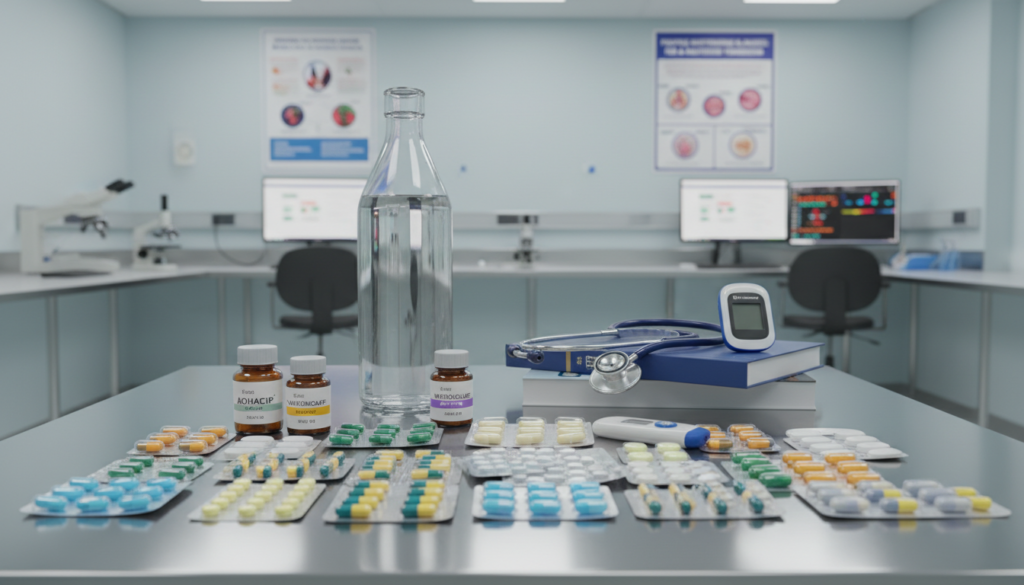
Certain bacterial infections from contaminated water need quick antibiotic care. Legionnaires’ disease gets better with fluoroquinolone antibiotics or azithromycin. Leptospirosis cases treated at home get better with doxycycline. Hospital patients might get ampicillin or sulbactam combinations.
Severe Vibrio vulnificus infections in the hospital need tetracycline and third-generation cephalosporins. Early treatment is key for these dangerous infections.
Parasitic infections need different medicines. Giardiasis gets better with metronidazole, nitazoxanide, or tinidazole. For healthy immune systems, cryptosporidiosis is treated with nitazoxanide. These drugs target parasites in your digestive system.
| Waterborne Infection Type | Primary Medication | Alternative Options |
|---|---|---|
| Giardiasis | Metronidazole (Flagyl) | Nitazoxanide, Tinidazole (Tindamax) |
| Legionnaires’ Disease | Fluoroquinolone antibiotics | Azithromycin (Zithromax) |
| Leptospirosis (Outpatient) | Doxycycline | Ampicillin-based combinations |
| Cryptosporidiosis | Nitazoxanide (Alinia) | Supportive care for immunocompromised |
| Vibrio vulnificus Sepsis | Tetracycline plus cephalosporin | Doxycycline for less severe cases |
There are times when antibiotics should not be used. Shiga toxin-producing E. coli infections can get worse with antibiotics. Your doctor will know when to avoid antibiotics to keep you safe.
It’s important to finish all your medicine, even if you feel better. Stopping early can let infections come back or get stronger. Always follow your doctor’s advice on dosage and timing for the best treatment.
Conclusion
You now know how to handle waterborne illness. Most people get better with the right care at home. The main steps are to stay hydrated, watch for signs, and seek help if needed.
Knowing how to spot symptoms early and when to see a doctor is key. This knowledge helps you take charge of your health after being exposed to water.
Telling your doctor about your water exposure is important. Share your recent swimming or drinking untreated water before symptoms started. This helps doctors find the right treatment faster.
Your medical team is ready to help you get better. Quick action and the right treatment lead to the best results for you and your family.
Preventing waterborne illness is your best defense. Avoid swallowing water while swimming and wash your hands well. Stay away from pools and beaches if you’re sick.
Wait two weeks after getting better before swimming again. Check advisories and water quality reports before swimming. Use safe drinking water sources. These steps keep you and your community safe.
If you think you got sick from water, tell your local health department. Your report helps keep communities safe by finding bad water sources. Being informed lets you act fast and protect public health.
FAQ
How common are waterborne illnesses in the United States?
Waterborne illnesses affect thousands of Americans every year. They are more common in summer when people swim more. Most people get better with the right treatment.
Knowing how to treat waterborne illness helps you act fast if you or a loved one gets sick.
What are the main types of waterborne illnesses?
There are three main types: gastrointestinal, respiratory, and skin-related infections. Each has different symptoms and treatments. The right treatment depends on the type and how severe the symptoms are.
How soon after water exposure do waterborne illness symptoms appear?
Symptoms of gastrointestinal infections usually show up within one to two weeks. But, timing can vary. If you’ve been swimming and get sick weeks later, tell your doctor about it.
What are the most common gastrointestinal symptoms of waterborne illness?
Common symptoms include diarrhea, vomiting, stomach cramps, nausea, and sometimes fever. These symptoms are from swallowing contaminated water. Parasites like Cryptosporidium and Giardia often cause them.
While uncomfortable, these symptoms usually go away with rest, hydration, and bland foods.
Can waterborne illnesses cause respiratory and skin problems?
Yes, waterborne illnesses can also affect your respiratory system and skin. Respiratory symptoms include sinus congestion, coughing, and ear pain after swimming. Skin reactions range from mild swimmer’s itch and rashes to serious infections.
If you develop any of these symptoms after water exposure, tell your healthcare provider.
What red flag symptoms require immediate medical attention for waterborne illness?
Seek immediate medical attention for bloody diarrhea, high fever, severe dehydration, rapidly spreading skin infections, difficulty breathing, or neurological symptoms. These symptoms indicate serious conditions that need prompt treatment.
Don’t wait—contact a healthcare provider or visit an emergency room if any of these symptoms develop.
How do doctors diagnose the specific type of waterborne illness?
Doctors may need to perform various diagnostic tests to identify the specific pathogen causing your symptoms. These tests might include stool samples, blood tests, or other laboratory work. Proper diagnosis is key to determine the right treatment.
Are most waterborne illnesses self-limiting?
Yes, many waterborne illnesses are self-limiting, meaning your body can fight off the infection naturally. But, some infections require specific medications to eliminate the pathogen and prevent complications. Proper diagnosis is vital to determine if medication is needed.
What is supportive care for waterborne illness?
Supportive care means helping your body fight off the infection naturally. It includes getting plenty of rest, staying hydrated, and eating bland foods. This approach addresses your symptoms while your immune system works to eliminate the pathogen.
For most mild to moderate waterborne illnesses, supportive care is enough for full recovery. Your healthcare provider can guide you on whether additional medications are needed.
Why is staying hydrated so important for treating waterborne illness?
Dehydration prevention is critical with waterborne illnesses, as they can cause diarrhea and vomiting. Your body loses fluids and essential salts through these symptoms. Replacing them is essential for recovery.
Proper hydration helps your body maintain strength, supports immune function, and prevents dangerous complications. Oral rehydration therapy is recommended over plain water for this reason.
What is oral rehydration therapy and how does it work?
Oral rehydration therapy (ORT) is a science-backed method for treating waterborne illness-related dehydration. It uses a specific balance of water, salts, and sugars to help your body absorb fluids more efficiently. Products like Pedialyte are available at pharmacies and drugstores.
You can also make a homemade oral rehydration solution using water, salt, sugar, and sometimes citrus juice or other ingredients. Drink it gradually throughout the day in frequent, small amounts.
How much oral rehydration solution should I drink?
The amount depends on your symptoms and body size. Aim to drink small amounts frequently—perhaps a few sips every 15-20 minutes—instead of large quantities at once. This helps your body absorb the fluids better and prevents additional nausea or vomiting.
Watch for signs that rehydration is working, including regular urination, improved energy levels, and decreased thirst. If you can’t keep fluids down, urination decreases significantly, or you feel extremely weak or dizzy, stop home rehydration attempts and seek medical help for IV fluids.
What foods should I eat while recovering from waterborne illness?
Stick to bland, easy-to-digest foods that won’t stress your recovering digestive system. The BRAT diet (bananas, rice, applesauce, toast) is a classic recommendation. You can also enjoy plain crackers, boiled potatoes, broth-based soups, and plain chicken.
Avoid dairy, caffeine, alcohol, fatty foods, and spicy dishes during acute illness, as these can trigger more symptoms. As you feel better, gradually reintroduce your normal diet over several days.
When should I avoid anti-diarrheal medications?
Avoid anti-diarrheal medications (like loperamide) if you have bloody diarrhea or suspect a bacterial infection like E. coli contamination from contaminated water. These medications can trap harmful bacteria in your system and actually cause dangerous complications.
Let your doctor guide you on whether anti-diarrheal medications are safe for your specific situation. Sometimes the diarrhea itself is your body’s way of clearing out the infection, so it’s important not to interfere with that process without professional guidance.
What antiparasitic medications are used for waterborne parasitic infections?
Parasitic infection management typically involves specific antiparasitic medications prescribed by your doctor. For giardiasis (caused by Giardia), doctors may prescribe metronidazole (Flagyl) or tinidazole (Tindamax). For cryptosporidiosis (caused by Cryptosporidium), treatment might include nitazoxanide (Alinia) or other antiparasitic agents.
These medications work by eliminating the parasites from your body, and you’ll take them for a specified duration as prescribed. It’s vital to complete the full course even when you feel better, to ensure complete elimination of the infection.
Which bacterial waterborne infections require antibiotic treatment?
Several serious bacterial water contamination infections require antibiotic treatment. Legionnaires’ disease (caused by Legionella bacteria) requires antibiotics and can be serious if untreated. Leptospirosis (a bacterial infection from contaminated water) also requires antibiotic therapy. Vibrio vulnificus, a dangerous bacteria found in saltwater, causes serious skin and systemic infections requiring prompt antibiotic treatment.
These are examples where early antibiotic intervention is critical for preventing serious complications. Your doctor will identify which antibiotic is most appropriate based on the specific bacteria involved.
Why might doctors NOT prescribe antibiotics for certain waterborne infections?
In some cases, antibiotics can actually cause dangerous complications. For example, with certain E. coli infections, antibiotics can trigger a severe complication called hemolytic uremic syndrome (HUS). This is why doctors sometimes recommend supportive care without antibiotics, even when you feel terrible.
This doesn’t mean your doctor is ignoring your illness—it means they’re protecting you from harm. This emphasizes how important it is to have proper diagnosis and professional medical guidance instead of self-treating or demanding antibiotics.
Do immunocompromised individuals need different waterborne illness treatment?
Yes, gastrointestinal infection remedies and other treatments may differ significantly for immunocompromised individuals. Their bodies can’t fight infections as effectively, so they may need different medication combinations, longer treatment courses, or preventive medications that others wouldn’t need. If you’re immunocompromised and develop symptoms of waterborne illness, it’s essential to seek medical attention promptly.
Be sure your doctor knows about your immune status so they can prescribe the most appropriate treatment.
How important is it to complete the full course of prescribed medications?
Completing the full course of medication is absolutely critical, even when you start feeling better. Stopping medication early can allow the infection to return and may contribute to antibiotic resistance. Your doctor prescribes a specific duration for a reason—it’s the time needed to completely eliminate the pathogen from your body.
Take medications exactly as prescribed, at the right times and in the right amounts, and finish the entire course. This gives you the best chance of complete recovery and prevents complications.
How long does recovery from waterborne illness typically take?
Recovery time varies depending on the type and severity of the infection. Many mild gastrointestinal waterborne illnesses resolve within a few days to a week with proper supportive care and hydration. Parasitic infections might take a bit longer, sometimes a couple of weeks for full symptom resolution.
More serious infections like Legionnaires’ disease may require longer recovery periods. Most people experience gradual improvement over time, with energy levels increasing and symptoms decreasing as your body heals. If symptoms persist beyond a few weeks or get worse, follow up with your healthcare provider.
Should I mention my water exposure history to my doctor?
Absolutely yes—this is vital information for accurate diagnosis! If you develop illness symptoms weeks or even longer after swimming, exposure to a natural water source, or other water contact, tell your doctor exactly when and where you had that exposure. This history helps them consider waterborne pathogens in their diagnosis and order appropriate tests.
Many people don’t make the connection between their current illness and past water exposure, so explicitly mentioning it ensures your doctor considers all relevant causes.
What should I do if I suspect I have a waterborne illness?
If you develop symptoms after water exposure, start by staying hydrated with oral rehydration solutions, resting, and eating bland foods. Monitor your symptoms carefully. If symptoms are mild and you can keep fluids down, you may manage at home with supportive care.
But, contact your healthcare provider if symptoms are severe, persist beyond a few days, include any red flag symptoms, or if you can’t maintain hydration. Your doctor can order diagnostic tests to identify the specific pathogen and determine whether medication is needed. Don’t delay seeking help if you’re concerned—it’s better to check with a professional than worry at home.
Why is prevention the best “treatment” for waterborne illness?
The old saying “an ounce of prevention is worth a pound of cure” is absolutely true with waterborne illnesses! Avoiding contaminated water in the first place means you never have to deal with the uncomfortable symptoms, recovery time, and complications. Smart water safety practices are far easier than recovering from waterborne illness.
While knowing how to treat waterborne illness is important, not getting sick in the first place is even better!
Should I report my suspected waterborne illness to health authorities?
Yes, if you suspect you have a waterborne illness, reporting it to your local health department is valuable. This information helps authorities identify contaminated water sources, warn other community members, and implement interventions to prevent more people from getting sick. Your report, combined with reports from others, creates a pattern that helps protect your entire community.
You don’t need to have confirmed laboratory results—suspicion of waterborne illness is enough reason to report it. Contact your local health department or ask your healthcare provider how to report suspected waterborne illnesses in your area.
Can I enjoy water activities safely knowing how to treat waterborne illness?
Absolutely! Being informed about contaminated water symptoms and waterborne disease treatment doesn’t mean you should avoid water—it means you can enjoy it with confidence and awareness. Swimming, beach days, boating, and other water activities are wonderful, and most people enjoy them without getting sick.
By understanding how to recognize symptoms, respond appropriately, and seek help when needed, you’re empowered to have fun in the water while protecting your health. Combine this knowledge with basic preventive practices, and you can enjoy water safely throughout your life.
What’s the most important thing to remember about treating waterborne illness?
The most important takeaway is this: while waterborne illnesses can be unpleasant and sometimes serious, most people recover fully with proper care. The key is recognizing symptoms early, staying hydrated, seeking medical attention when needed, and following your doctor’s treatment recommendations.
You’re now equipped with knowledge about treating waterborne illness, understanding symptoms, and knowing when professional help is essential. This empowerment means you can respond effectively, take care of yourself or your loved ones, and get back to feeling healthy. Trust your instincts, don’t hesitate to seek medical care when something feels wrong, and remember that healthcare professionals are there to help you recover.