Hypothermia is a serious condition that can happen quickly. It happens when your body loses heat faster than it can make new heat. This makes your core temperature drop too low, affecting your brain and muscles.
It’s important to know the warning signs of hypothermia. This is the first step in treating it at home.
You might be surprised to learn that hypothermia can occur even when it’s not freezing outside. Temperatures above 40°F can cause hypothermia if you get wet. Wind and damp clothes also speed up heat loss.
Being unprepared for cool weather is just as dangerous as facing extreme winter conditions.
This guide will teach you practical home remedies for hypothermia. You’ll learn how to spot early signs and safely warm someone up. This is important until medical help arrives or you get them to a hospital.
By mastering these skills, you can protect your family. Elderly relatives, babies, and outdoor lovers are at higher risk. Knowing how to act quickly in these situations is critical.
Let’s explore what you need to know about recognizing and treating hypothermia at home. This knowledge empowers you to act fast and save a life when it counts most.
Table of Contents
Understanding Hypothermia and Why It’s Dangerous
Hypothermia is when your body loses heat faster than it can make it. This drop in temperature affects your brain and body. Knowing about hypothermia is key to giving first aid at home and knowing when to get help.
What Happens to Your Body During Hypothermia
Your body’s core temperature is usually 98.6°F. When cold exposure is too much, your temperature drops below 95°F. This is when danger starts.
As you get colder, several things happen in order:
- Your brain gets less oxygen and works slower
- You start shivering as your body tries to create warmth
- Blood flow moves away from your skin and arms to protect vital organs
- Your thinking becomes confused and unclear
- Shivering stops in severe cases, which is a critical warning sign
The most dangerous part of hypothermia is that victims often don’t realize what’s happening. Their brain fog stops them from getting help. This makes quick action from family members very important.
Who Is Most at Risk for Hypothermia
Certain groups need extra protection in cold weather. Knowing who is vulnerable helps you stay safe in winter.
| At-Risk Group | Why They’re Vulnerable | Warning Signs to Watch |
|---|---|---|
| Older Adults | Body temperature regulation weakens with age; limited heating resources | Confusion, slow movements, slurred speech |
| Babies and Infants | Lose body heat rapidly; cannot communicate discomfort | Cold skin, weak crying, lethargy |
| Outdoor Enthuasiasts | Hikers and hunters may underestimate dangerous weather changes | Stumbling, poor coordination, shivering or no shivering |
| People Experiencing Homelessness | Lack adequate shelter and warm clothing year-round | Drowsiness, confusion, difficulty waking |
| Alcohol and Drug Users | Substance use impairs judgment and body temperature control | Poor decision-making, inability to recognize cold symptoms |
Risk increases without proper nutrition, hydration, and clothing. Those without planning for outdoor activities face the biggest danger. Knowing these risk factors helps you see who needs extra winter care.
Warning Signs and Symptoms to Watch For
Spotting hypothermia symptoms early is key to treating it at home. Your body gives clear signs when it gets too cold. Knowing these signs helps you act fast and avoid serious problems.
At first, hypothermia shows in ways you might notice quickly. Shivering is your body’s warning sign. Feeling very tired or clumsy, even when doing light tasks, is another clue. These signs mean you should start treating mild hypothermia at home right away.
Early Warning Signs in Adults
Outdoor workers use a tool called “the umbles” to spot hypothermia:
- Stumbles—loss of coordination and clumsy movements
- Mumbles—slurred speech that sounds unclear
- Grumbles—irritability and mood changes
- Fumbles—fumbling hands and dropped objects
Also, watch for changes in personality. A normally cheerful person might become quiet or withdrawn. Memory problems and a body temperature below 95°F mean you need to treat mild hypothermia at home.
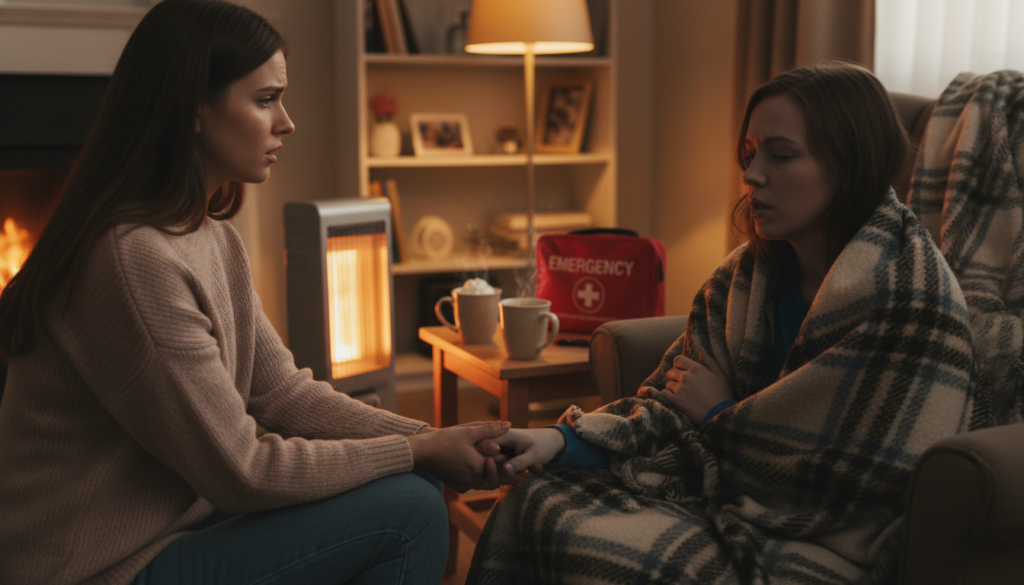
Symptoms in Babies and Young Children
Infants have different signs. Look for bright red, cold skin that might look healthy. Low energy and refusing to feed or cry weakly are big warnings.
Severe Hypothermia Symptoms
Body temperature below 90°F is very dangerous. Shivering stops, and coordination and speech become very bad. Paradoxical undressing is when victims feel hot and take off clothes—a sign of severe danger needing emergency care right away.
| Hypothermia Level | Core Temperature Range | Key Symptoms | Home Treatment Appropriate |
|---|---|---|---|
| Mild | 90–95°F | Shivering, fatigue, confusion, fumbling hands | Yes, with caution |
| Moderate | 82–90°F | Severe confusion, slurred speech, drowsiness | Seek emergency help |
| Severe | Below 82°F | No shivering, unconsciousness, paradoxical undressing | Call 911 immediately |
Trust your instincts when treating mild hypothermia at home. If symptoms get worse, call emergency services right away. Spotting these signs early can save lives.
Treating Hypothermia at Home
When someone shows signs of hypothermia, quick action can save their life. Knowing how to treat hypothermia without medical help gives you the power to respond effectively while waiting for emergency services. Learning proper hypothermia self-care tips helps you avoid dangerous mistakes that well-meaning helpers often make.
Immediate Steps to Take When Hypothermia Occurs
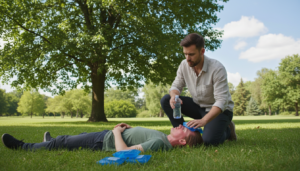
The moment you suspect hypothermia, call emergency services right away. While waiting for help to arrive, start warming the person immediately. Move them to a warm room or shelter as quickly as possible.
Remove all wet clothing carefully. Wet fabric pulls heat away from the body, even indoors. Replace wet items with dry clothing, blankets, or towels.
Focus your warming efforts on the core of the body first—the chest, neck, head, and groin area. Warming arms and legs first can cause dangerous heart rhythm problems. Use these warming methods:
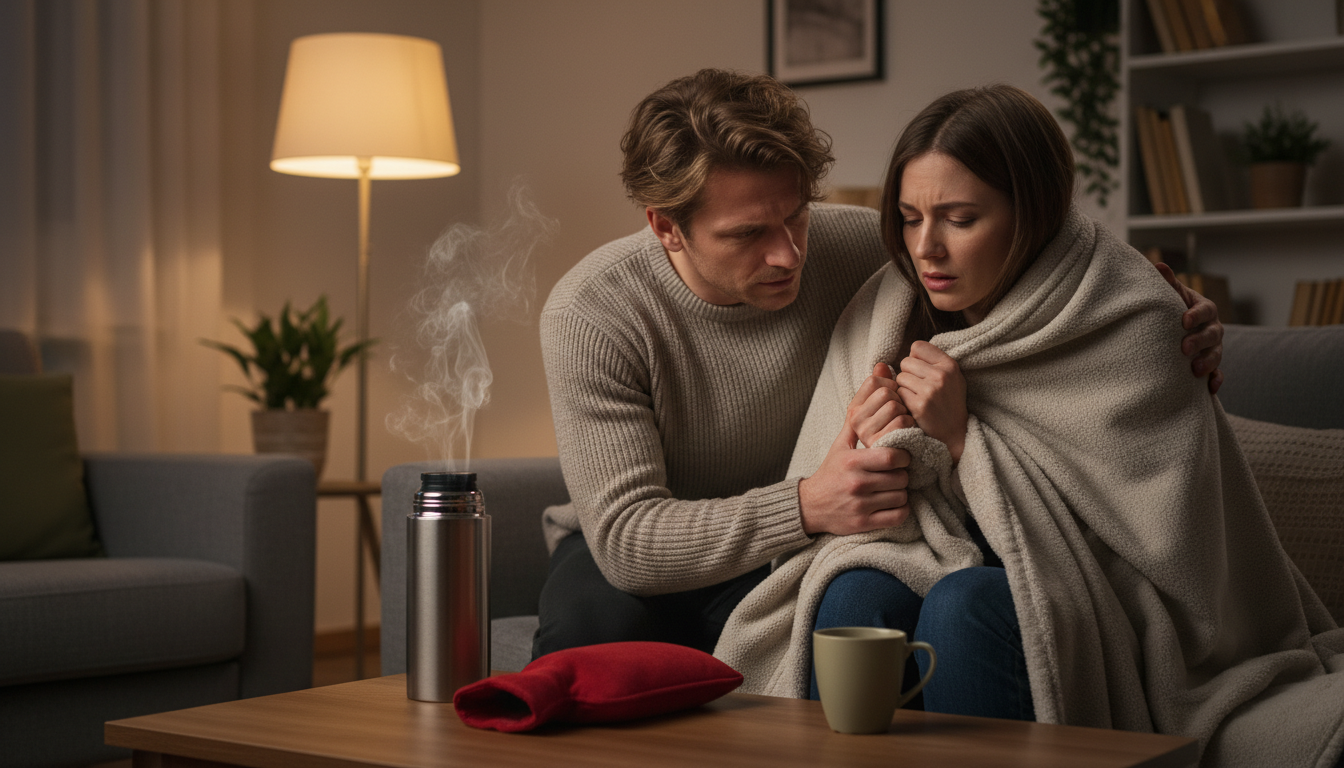
- Layer dry blankets around the person’s entire body
- Use an electric blanket if available
- Try skin-to-skin contact under loose, dry blankets with someone who has normal body temperature
- Wrap heating pads or hot water bottles in thin cloth and place them near the core
- Use additional clothing, sheets, towels, or newspaper as insulating layers
If the person is conscious and able to swallow, offer warm (not hot) drinks like warm water or sweet warm beverages. Never give alcohol or caffeine, as both dangerous substances increase heat loss and dehydration.
For mild hypothermia where the person is alert and shivering, gentle movement and short bursts of exercise can help generate body heat. Treat dehydration and provide high-energy food or drinks to support recovery.
What Not to Do When Someone Has Hypothermia
Avoid these common mistakes when providing hypothermia self-care tips to someone in danger:
| Mistake to Avoid | Why It’s Dangerous |
|---|---|
| Giving alcohol or caffeine | Alcohol causes blood vessels to expand, increasing heat loss. Caffeine promotes urination and dehydration. |
| Rubbing or massaging limbs | Rough handling can trigger dangerous heart rhythm problems in hypothermic patients |
| Using direct heat sources on skin | Hypothermic skin is less sensitive and burns easily. Direct heat can cause tissue damage. |
| Hot showers or baths | Rapid temperature changes can cause shock and heart problems in severe cases |
| Moving the person roughly | Gentle handling is essential. Sudden movements can cause cardiac arrhythmias. |
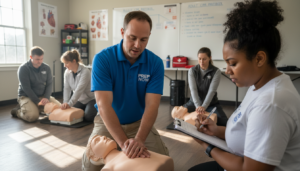
For severe hypothermia, when someone appears unresponsive or unconscious, learn how to spot and treat severe hypothermia by starting CPR immediately. Hypothermia victims have been revived even after appearing lifeless for extended periods. Keep performing CPR while continuing gentle warming until emergency responders arrive.
Never assume a hypothermic person is dead based on appearance alone. Keep them warm and continue resuscitation efforts without delay.
Prevention Strategies to Keep Your Family Safe
It’s easier to stop hypothermia before it happens than to treat it. Get your family ready with the right clothes, food, and plans. Knowing how to prevent hypothermia is key to keeping your family safe. Simple steps today can save lives tomorrow.
Staying warm in cold weather starts with the three-layer clothing system. Each layer has a role in keeping you warm.
| Layer Type | Purpose | Best Materials | Why It Matters |
|---|---|---|---|
| Base Layer | Pulls moisture away from skin | Merino wool, silk, synthetic materials | Cotton traps sweat against skin and causes heat loss |
| Middle Layer | Traps warm air around your body | Wool, fleece, goose down | Creates insulation even when damp |
| Outer Layer | Shields from wind, rain, and snow | Waterproof, breathable fabrics | Prevents moisture from entering while allowing sweat to escape |
Accessories are key to keeping warm. Hats are important because your head loses heat fast. Mittens are better than gloves because fingers stay together. Scarves and neck gaiters keep your mouth and nose warm. Boots should be waterproof and well-insulated.
Stay hydrated and eat well to keep your body warm. Cold weather uses more calories, so you need more food. Carry snacks like nuts, chocolate, and granola bars. Drink warm fluids before going outside.
Essential Cold-Weather Preparation Tips
- Check weather forecasts before outdoor activities
- Tell someone your plans and expected return time
- Carry extra layers beyond what you think you’ll need
- Pack emergency supplies like space blankets or lightweight bivy sacks
- Keep extra food and water easily accessible
- Wear snug sleeves at your wrists to prevent heat loss
For families with elderly or young children, home safety is important all year. Keep thermostats between 68-70°F. Babies’ rooms should be comfortable for a lightly dressed adult. During power outages, keeping warm is harder, so good heating is key.
Plan rest stops carefully. Choose places away from wind. Keep breaks short, encourage eating and drinking, and change into dry clothes if wet. Being proactive keeps your family safe and warm.
Conclusion
You now know how to keep your family safe from hypothermia. This serious condition can sneak up on you in unexpected ways. It’s not just about extreme cold. Even mild winter weather can be dangerous if it’s windy, rainy, or if you’re wearing wet clothes.
Knowing how to treat hypothermia at home is key. Look out for signs like shivering, confusion, and slow speech. These are warning signs that someone needs help fast. Children and older adults are at higher risk. Being aware of these facts helps you act quickly.
When treating hypothermia, follow safe steps. Move the person to a warm place, remove wet clothes, and use gentle warming methods. Call emergency services if the body temperature falls below 95°F. Never use alcohol, direct heat, or rub the skin, as these can harm.
Prevention is your best defense against hypothermia. Wear layers of wool and fleece to stay warm, even when wet. Stay dry and eat well when you’re outside. Watch over family members who go outside. Share this info with relatives, neighbors, and friends who care for the elderly or young children.
Local health departments and the American Red Cross also have resources for winter safety. Your preparation and knowledge are strong defenses against the cold. By knowing how to recognize and treat hypothermia, you can act fast in emergencies. Stay warm and safe this winter by planning ahead and being aware.
FAQ
Can hypothermia really occur in mild temperatures?
Yes, hypothermia can happen even in mild temperatures. It can occur in the 50s or 60s Fahrenheit if you’re wet, windy, or cold for too long. It’s important to stay dry and wear the right clothes, even on mild days.
Many people get hypothermia because they don’t think it can happen in mild weather. Or they get wet unexpectedly.
At what body temperature should I seek emergency medical help for hypothermia?
If your body temperature is below 95°F, you need to see a doctor right away. Mild hypothermia might be treated at home first. But if it’s below 95°F, it’s more serious and needs a doctor.
Always call for help if you think someone has hypothermia. Start warming them up while you wait for help to arrive. It’s better to be safe than sorry with this serious condition.
Why can’t I use a heating pad or hot water bottle directly on someone’s skin during hypothermia treatment?
Hypothermic skin is very sensitive. Using heating pads or hot water bottles can cause burns because they don’t feel the heat. It’s also dangerous because it warms the skin before the body’s core.
This can lead to heart problems. Instead, use blankets, warm drinks, and skin-to-skin contact to warm them up gently.
What is “paradoxical undressing” and why does it happen during severe hypothermia?
Paradoxical undressing is when someone with severe hypothermia feels hot and takes off their clothes. This is because their brain doesn’t feel the cold correctly. It’s a sign of severe hypothermia.
If someone is trying to take off their clothes in cold weather, it’s a medical emergency. They need help right away.
Should I give someone with hypothermia alcohol or caffeine to warm them up?
No, alcohol and caffeine are not good for hypothermia. Alcohol makes you lose heat faster, even though it feels warm. Caffeine makes you lose water and can’t keep warm.
Give them warm, sweet drinks like warm water with sugar or broth. This warms them up without the bad effects of alcohol or caffeine.
Can babies get hypothermia, and what are the warning signs in infants?
Yes, babies can get hypothermia because they lose heat fast and can’t control their temperature. They can’t talk about being cold. Look for bright red skin, cold skin, low energy, weak crying, and not responding.
If your baby shows these signs, warm them up with blankets and your body. But get medical help fast because babies can get worse quickly.
What does “the umbles” mean, and how can it help me recognize hypothermia?
“The umbles” is a way to remember hypothermia signs: stumbles, mumbles, grumbles, and fumbles. These signs mean hypothermia is affecting the brain and nervous system. Also, watch for someone becoming quiet or withdrawn.
Knowing “the umbles” helps catch hypothermia early. This is when home first aid can help the most.
How should I rewarm someone with hypothermia—should I start with their arms and legs?
No, don’t start with arms and legs. Warm the body’s core first: chest, neck, head, and groin. Warming arms and legs first can cause afterdrop, which is dangerous.
Use blankets, skin-to-skin contact, warm drinks, or a sleeping bag to warm the core. Then, you can warm the extremities.
Is it safe to massage or rub someone’s limbs to help them warm up during hypothermia?
No, rubbing limbs can be harmful. It can cause heart problems in hypothermia victims. Move them gently and avoid any unnecessary handling.
The safest way is to use blankets, dry clothes, and body heat for rewarming.
What’s the proper technique for skin-to-skin contact rewarming at home?
Skin-to-skin contact is a good home rewarming method. Have someone with normal body temperature lie close to the victim under blankets. Both should be lightly dressed for direct skin contact.
Use multiple dry blankets or a sleeping bag together. This allows the warmer person’s body heat to transfer. It’s useful for mild to moderate hypothermia when help isn’t available right away.
Why is checking body temperature so important when hypothermia is suspected?
Checking body temperature is key because it shows how severe hypothermia is. A reading below 95°F means you need emergency medical help, even if the person seems okay. Use a low-reading thermometer if you have one.
If you don’t have a thermometer, look for hypothermia signs. Remember, you can’t tell how severe hypothermia is just by looking. Always get professional help for confirmed or suspected cases.
Should I call emergency services immediately, or can I treat mild hypothermia completely at home?
Call emergency services while starting home warming. It’s not an either/or choice. Even mild hypothermia can be serious. Medical professionals can check for complications.
While waiting, start safe warming at home. This combination gives the best chance for recovery.
What should I pack for outdoor activities to prevent hypothermia?
Pack extra food and water, as your body burns more calories in cold weather. Bring a space blanket or bivy sack for warmth. Always carry extra dry layers.
Tell someone your route and expected return time. Check the weather forecast and dress in layers: moisture-wicking base, insulation, and waterproof outer shell. Wear a hat and mittens, not gloves.
Why is the three-layer clothing principle important for preventing hypothermia?
The three-layer system helps your body regulate temperature. The base layer pulls sweat away from your skin. The insulation layer traps warm air. The outer shell protects from the elements.
This system is available at any department store. Staying dry and using these layers prevents rapid heat loss and hypothermia.
How can I help elderly relatives stay safe from hypothermia during winter?
Elderly people have trouble regulating their body temperature. Make sure their home is warm, at least 68-70°F. They need proper heating and insulation.
Check on them often, and help them stay active and eat well. Nutrition is key for staying warm. Look for assistance programs for heating costs and home winterization for seniors.
What’s the proper room temperature for a baby’s nursery to prevent hypothermia?
The baby’s room should be comfortable for a lightly clothed adult, between 68-72°F. Dress the baby right for the room’s temperature. Use a onesie and sleep sack instead of blankets.
Check the baby’s neck or back regularly. They should feel warm, not hot or cold. Use safe warming methods if it’s cold or if the heating fails.
Why is staying dry so critical for preventing hypothermia?
Wet clothes make you lose heat fast. Water conducts heat away 25 times faster than air. Wet fabric traps moisture, cooling you down.
Stay dry by wearing moisture-wicking base layers and a waterproof outer shell. If you get wet, change into dry clothes right away. Keep emergency dry clothes in vehicles during winter.
How does nutrition and hydration affect the body’s ability to prevent hypothermia?
Your body burns more calories in cold weather. If you don’t eat enough, you can’t generate heat. Dehydration also makes it harder to keep warm.
Eat a big meal with carbs and protein before going outside. Drink warm fluids and carry snacks like nuts or chocolate. Stay hydrated to keep warm.
What should I do if someone appears unconscious or not breathing from hypothermia—is CPR appropriate?
Yes, start CPR if someone seems dead or not breathing. Hypothermia victims can be revived even after seeming lifeless. The cold can make them survive longer without breathing or circulation.
Continue CPR and keep them warm while waiting for help. Don’t assume someone is beyond help just because they look dead.
Are there natural ways to treat hypothermia at home without medical equipment?
Yes, there are natural ways to treat mild hypothermia at home. Use blankets and layers to trap heat. Skin-to-skin contact with someone warm is also effective.
Offer warm, sweet drinks like warm water with honey or broth. For someone who’s alert and shivering, gentle movement can help. Always focus on warming the core first and seek medical help if needed.
How can I tell the difference between mild and severe hypothermia in someone?
Mild hypothermia shows signs like shivering, fatigue, and slightly confused thinking. People with mild hypothermia can usually help themselves and respond to warmth.
Severe hypothermia shows little to no shivering, confusion, slurred speech, poor coordination, and possible loss of consciousness. If you’re unsure, treat it as serious and seek help while warming them up gently.
What are the key first aid mistakes people make when treating hypothermia at home?
Common mistakes include using direct heat, giving alcohol or caffeine, rubbing limbs, warming extremities first, rapid rewarming, rough handling, and assuming someone is dead. The safest approach is gentle core rewarming with blankets and body heat, warm drinks, and prompt medical evaluation.
How do I know if someone’s personality change is related to hypothermia?
A personality change, like becoming quiet or apathetic, can be an early sign of hypothermia. This is because hypothermia affects the brain and nervous system. If someone is normally social and becomes withdrawn, it could be hypothermia.
Look for these signs, along with physical symptoms like shivering and slurred speech. This is important for elderly relatives or outdoor enthusiasts who might not recognize the danger.
When should I move a hypothermia victim, and how should I do it safely?
Move a hypothermia victim to shelter and away from the cold as soon as possible. Do it gently and carefully. Avoid rough handling or vigorous stimulation.
The safest way is to use blankets, dry clothes, and body heat for rewarming. This helps prevent further complications.