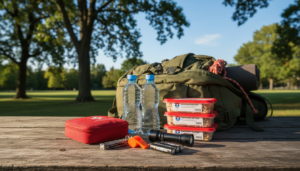
Being ready for emergencies is key. Knowing the right survival tactics can save lives. It’s important to decide whether to stay or leave when disasters or unrest happen.
There are two main strategies: “bugging in” and “bugging out.” Learning about these is critical for good emergency planning. Bugging in means staying put and preparing to weather the storm. Bugging out means leaving for a safer place.
Key Takeaways
- Understand the difference between bugging in and bugging out strategies.
- Know when to stay and when to evacuate during emergencies.
- Prepare essential items for both bug-in and bug-out scenarios.
- Consider the benefits and dangers of each strategy.
- Develop a complete emergency preparedness plan.
Table of Contents
Understanding Emergency Response Options
When disaster hits, knowing your emergency options can be a lifesaver. Deciding to bug out or bug in depends on your situation and the emergency at hand.
Defining Crisis Scenarios
Crisis scenarios include natural disasters like hurricanes and earthquakes. They also include man-made emergencies like industrial accidents or terrorist attacks. Understanding the crisis is key to choosing the right response.
The Importance of Preparedness
Being prepared is vital for disaster response. You need the right supplies, knowledge, and plans. This can greatly lower the risk of injury or death.
Risk Assessment Fundamentals
Doing a detailed risk assessment is critical. It helps you understand the dangers of different crises. You identify hazards, their chances, and how to lessen their impact.
What is a Bug In Strategy?
When an emergency hits, deciding whether to stay or leave is key. A bug in strategy helps you prepare to stay safe at home. It involves having the right supplies and plans ready.
Definition and Core Principles
A bug in strategy means staying put during emergencies. It’s about being ready with a survival plan. This includes bug in supplies like food, water, and medical gear.
Scenarios Best Suited for Bugging In
There are times when staying put is the best choice. These include:
Natural Disasters
For natural disasters like hurricanes or earthquakes, staying home is safe if your house is strong.
Civil Unrest
When there’s civil unrest, staying indoors is safest. Make sure your home is secure and has what you need.
Pandemic Situations
In a pandemic, staying home means isolating. You need enough supplies and safety measures to avoid getting sick.
Advantages of Sheltering in Place
Sheltering in place has many benefits. It keeps you safe from outside dangers. It also saves resources and lowers the chance of getting hurt while trying to leave. A good bug in strategy boosts emergency preparedness and safety.

What is a Bug Out Strategy?
A Bug Out Strategy is key for emergency prep. It’s about quickly moving to a safer spot when staying put is not safe.
Definition and Key Concepts
Bugging out means leaving fast because of an emergency. You need a plan for where to go and how to get there. It’s important to have a bug out bag ready with the basics. Knowing evacuation strategies is also vital.
When Evacuation Becomes Necessary
There are times when you must leave:
Immediate Danger Scenarios
Natural disasters like hurricanes, wildfires, or floods need quick action.
Resource Depletion Situations
When food, water, or medical supplies run out.
Strategic Relocation Needs
When staying in one place is risky for a long time. This could be in areas of conflict or with bad weather coming.
Benefits of Mobility During Emergencies
Being able to move fast in emergencies helps a lot. Having a Bug Out Strategy can keep you safe. It also helps you find the resources you need.
| Evacuation Strategy | Key Elements | Benefits |
|---|---|---|
| Immediate Evacuation | Quick response, pre-planned route | Reduces immediate risk |
| Resource-Based Evacuation | Knowledge of resource locations, bug out bag | Increases access to essential supplies |
| Strategic Relocation | Long-term planning, safe destination | Provides a safe haven |
The Difference Between Bug In and Bug Out Strategies
Bugging in and bugging out are two ways to handle crises. Each has its own needs and effects. Your choice depends on the threat, where you are, what you have, and how ready you are.
Resource Requirements Comparison
What you need for bugging in and bugging out is different. For bugging in, you need a safe place with lots of supplies for your family. Bugging out means you need a small bag with the basics you can carry.
- Bug In: Food, water, first aid supplies, and backup power.
- Bug Out: Portable water, non-perishable food, first aid kit, and communication devices.
Skill Set Differences
The skills needed for each plan are different too. For bugging in, you need to keep your place safe, manage what you have, and maybe fix things. Bugging out requires knowing how to navigate, survive in the wild, and defend yourself.

Risk Assessment Factors
It’s important to think about risks when choosing between bugging in and bugging out. Consider the disaster type, how bad it is, and your personal situation.
Timeline Considerations
How fast you need to act is another key factor. Bugging out means quick decisions and actions. Bugging in lets you prepare for longer, depending on how much warning you have.
Knowing these differences helps make a good survival plan. Think about what you need, the skills you have, the risks, and how fast you need to act. This way, you can make choices that help you survive in a crisis.
Essential Supplies and Preparations
Getting ready for emergencies means knowing what you need for bugging in and bugging out. Being prepared can help you survive and stay comfortable during tough times.
Bug In Supply Checklist
When you decide to stay put, having a survival kit is key. This kit should include:
- Food and Water Storage: Keep non-perishable food and a way to store and purify water.
- Home Security Measures: Make your home safe with strong doors, windows, and maybe a panic room.
- Utility Backup Systems: Get backup power like generators and think about solar panels for energy.
Bug Out Bag Essentials
If you need to leave, a good bug out bag is vital. It should have:
- Portable Survival Gear: Carry a first aid kit, multi-tool, and a fire starter.
- Navigation and Communication Tools: Bring a compass, GPS, and a satellite phone for staying in touch.
- Transportable Shelter Options: Pack a light tent, sleeping bag, and tarp for weather protection.
Dual-Purpose Items for Both Strategies
Some items work for both staying put and leaving, like:
| Item | Bug In Use | Bug Out Use |
|---|---|---|
| Water Purification Tablets | Purify stored water | Purify water on the go |
| First Aid Kit | Treat injuries at home | Treat injuries while evacuating |
| Solar Chargers | Charge devices at home | Charge devices on the move |
Psychological Preparedness for Crisis Situations
Emergency situations can be tough on our minds as much as our bodies. Good crisis management means having a survival plan and being ready mentally. It’s about handling stress and uncertainty well.
Mental Resilience Training
Building mental toughness is important for emergencies. It helps us stay calm, think clearly, and make smart choices. Practices like meditation, mindfulness, and cognitive behavioral therapy can help.
Family Communication Plans
It’s vital to have a family plan for emergencies. This plan should list meeting spots, emergency numbers, and how to stay in touch. Doing drills and updating the plan keeps everyone ready.
Stress Management Techniques
Learning to manage stress is key. Deep breathing, journaling, or yoga can help. These activities boost our well-being and help us face crises better.
By preparing mentally for emergencies, we can handle crisis situations better. This is part of emergency preparedness.
Making the Right Decision: Factors to Consider
Getting ready for emergencies means deciding if you should stay home or leave. Weighing the good and bad of each choice helps you pick the best option for you.
Threat Assessment Framework
Knowing the danger level is key to deciding what to do. Look at the disaster type, its impact, and if it will get worse. For more info, check out the NIST report on disaster response.
Family and Community Considerations
Think about your family and community when planning to leave. Make sure you have a plan for family members who need special care. Also, know the evacuation paths in your area.
Location and Environment Evaluation
The place you live affects your decision. Places at risk for disasters need different plans than cities.
Personal Capabilities and Limitations
Know your own strengths and weaknesses. Check your health, money, and supplies to decide.
| Factor | Bug In | Bug Out |
|---|---|---|
| Resource Requirements | Stockpiling food and water | Portable supplies and equipment |
| Skill Set | Basic first aid and DIY skills | Navigation and survival skills |
| Risk Assessment | Assessing home safety and security | Evaluating evacuation routes and possible dangers |
By thinking about these points and your own situation, you can choose wisely. This helps you stay safe and alive in a crisis.
Final Considerations for Emergency Preparedness
Knowing the difference between bug in and bug out strategies is key. A good survival plan helps a lot in crisis situations.
Being ready, flexible, and informed is very important. It can greatly change how well you handle emergencies. Whether you stay put or leave, having a solid plan and supplies keeps you and your family safe.
By thinking about what we’ve talked about, you can choose the best emergency plan. This makes you stronger when facing the unknown.
FAQ
What is the main difference between bugging in and bugging out strategies?
Bugging in means staying in your home during an emergency. Bugging out means leaving to find a safer place. Your choice depends on the crisis and your situation.
How do I determine whether to bug in or bug out during a natural disaster?
Look at the disaster’s severity and your home’s safety. Think about how long you can survive there. If your home is safe and you have enough supplies, stay. But if it’s not safe or you’re out of supplies, leave.
What are the essential supplies for a bug-in strategy?
For bugging in, you’ll need food that won’t spoil, water, first aid kits, and flashlights. Don’t forget batteries and ways to communicate. Also, have a plan for staying warm or cool, depending on where you live.
What should I include in my bug-out bag?
In your bug-out bag, pack a water filter, food that won’t spoil, a first aid kit, and a multi-tool. Add a flashlight, a way to communicate, and personal documents. Don’t forget cash and a change of clothes.
How can I prepare psychologically for a crisis situation?
Start with mental training and family plans. Learn to manage stress. Stay informed and have a clear plan. Practice relaxation to help you handle emergencies.
What factors should I consider when deciding between bugging in and bugging out?
Think about the danger level, your family and community, and your location. Also, consider your own abilities and limits. Weigh these to decide what’s best for you.
Can I use the same supplies for both bugging in and bugging out?
Yes, some items like first aid kits and communication devices work for both. But, some are specific to each plan. Choose items that fit your needs for each situation.
How often should I review and update my emergency preparedness plan?
Update your plan every six months. This ensures it stays current and effective. Think about changes in your life, the environment, and threats.