
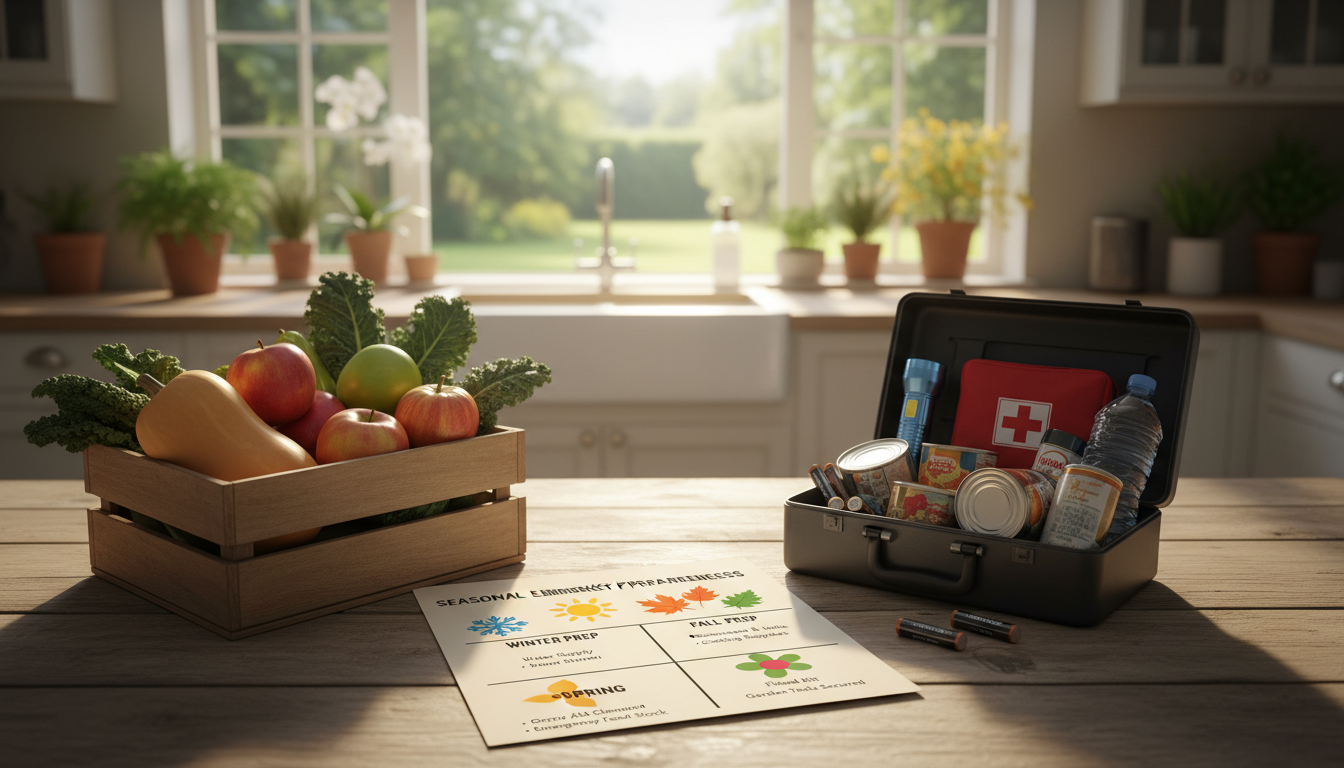
Emergency preparedness doesn’t have to be hard. Breaking it into seasonal tasks makes it easier. It’s like taking care of your home, where different seasons need different actions.
Spring brings tornadoes and floods. Summer has hurricanes and heatwaves. Fall is for winter storm prep. Winter means watching for cold emergencies. A seasonal checklist helps you tackle the right dangers at the right time.
Disasters can happen anytime, like the March 2020 earthquake near Salt Lake City. This shows why being ready all year is key. You can’t predict emergencies, but you can prepare.
Being prepared saves lives and reduces suffering. It also protects your family’s money. Breaking emergency prep into small steps makes it manageable. Tackling one season at a time is better than trying everything at once.
This guide shows how to focus on family safety every quarter. Each season has its own tasks and updates. By the end of the year, you’ll have a full cycle of safety measures in place.
Table of Contents
Why Seasonal Emergency Preparedness Matters for Your Family
Creating a strong home emergency plan is not a one-time task. Your family’s safety depends on keeping your preparations up to date all year. Each season brings its own dangers, and planning for them ensures you’re ready.
Winter needs heating supplies and snow tools, while summer focuses on heat safety and hurricane prep. A single plan for all seasons misses key details that could save lives.
Seasonal disaster planning keeps your family organized without feeling overwhelmed. Breaking preparations into four quarters makes it easier and prevents burnout. You’ll know what needs attention when because it matches the threats you face.
Regular seasonal reviews catch problems early. For example, checking your generator before winter storms is better than scrambling during a power outage. Updating emergency contacts each quarter keeps your plan accurate as phone numbers and addresses change.
Your family’s needs change all the time. Children grow, medications change, and supplies expire. Quarterly reviews of your home emergency plan keep everything current and practical for your household.
Vulnerable populations get special protection from seasonal disaster planning. Seniors, children, people with disabilities, and those with chronic health conditions face greater risks. Consistent quarterly preparation ensures they get the specific support they need.
- Reduces emergency response stress
- Prevents supply expiration and waste
- Keeps emergency contact information current
- Protects vulnerable family members
- Saves money by catching problems early
Preparedness saves lives, reduces suffering, and prevents costly damage to your home. Start your seasonal disaster planning today for peace of mind and real protection when emergencies happen.
Spring Emergency Prep: Preparing for Severe Weather and Natural Disasters
Spring brings renewal to your home and your family’s safety plans. After winter’s harsh weather, this season offers the perfect chance to refresh your natural disaster readiness. Spring is the wettest season in many parts of the country, bringing severe thunderstorms, tornadoes, and flooding risks. Taking time now to assess damage and prepare supplies ensures your family stays protected during the active severe weather months ahead.
Spring’s mild temperatures make it ideal for completing outdoor inspections and updating your emergency preparedness kit without battling extreme cold or heat. Your family can practice drills comfortably before an actual emergency strikes. This quarterly checkup sets the foundation for summer hurricane season and ensures nothing gets overlooked.
Inspect Your Home’s Exterior for Winter Damage
Winter leaves its mark on homes. Check these critical areas:
- Roof condition and missing shingles
- Gutters and downspouts for blockages
- Foundation cracks and settling issues
- Exterior paint and siding damage
- Window seals and weatherstripping
- Grading around your home for proper water drainage
- Sump pump functionality
- Water damage in basement areas
Addressing these issues prevents water damage and protects your home’s structural integrity.
Update Your Emergency Kit After Winter
Your emergency preparedness kit needs seasonal attention. Check expiration dates on medications, batteries, and food supplies. Spring is the right time to replace winter items with warm-weather essentials. Stock supplies for tornadoes and thunderstorms, including flashlights with fresh batteries and a battery-powered radio.
| Item Category | Winter Focus | Spring Updates |
|---|---|---|
| Clothing | Heavy coats and blankets | Lightweight layers for warm weather |
| First Aid | Checked supplies | Replace expired medications |
| Water | One gallon per person daily | Refresh stored water supply |
| Food | High-calorie items | Replace expired non-perishables |
| Tools | Snow removal tools | Add tools for storm cleanup |
Review and Practice Your Family Emergency Plan
Spring’s pleasant weather makes family emergency drills enjoyable and effective. Gather everyone and practice your plan:
- Review meeting locations outside your home
- Practice your shelter-in-place procedure
- Test communication methods with out-of-state contacts
- Walk through evacuation routes together
- Update contact information if anyone has changed jobs or phones
Children learn better when practicing under calm conditions. Make drills a family activity, not a frightening exercise. Spring preparation strengthens your natural disaster readiness and builds confidence that your family knows what to do when danger approaches.
Summer Readiness: Hurricane Season and Heat Wave Preparation
Summer brings challenges like hurricane season and heat waves. Hurricanes hit from June to November, peaking in August and October. Heat waves also kill thousands, making summer dangerous for families. It’s key to prepare for both to keep your loved ones safe.
Summer emergency prep is unique because of these dangers. Coastal and inland areas face storm threats. Everyone must also prepare for extreme heat that can overwhelm cooling systems. Start your hurricane checklist early to be ready before the peak season.
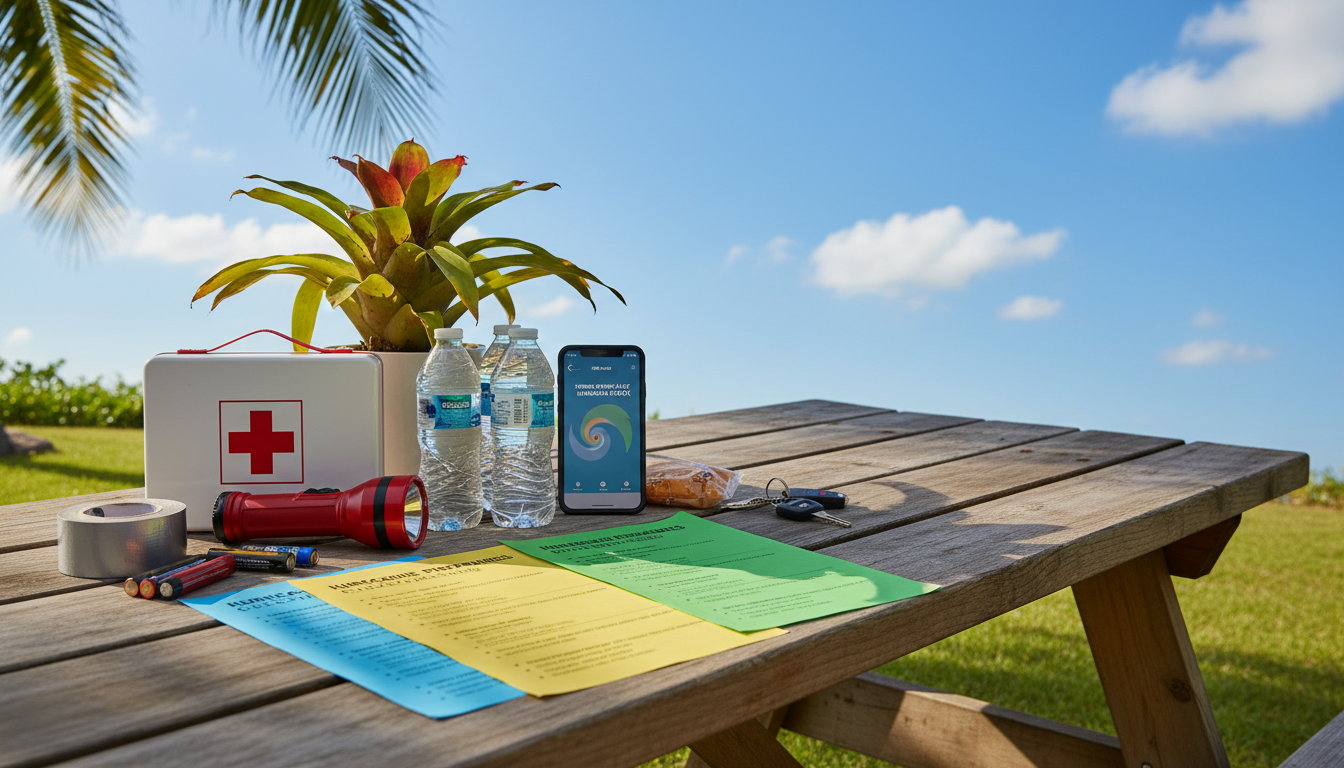
Essential Hurricane Preparedness Tasks
Your checklist should include home hardening steps. Check your evacuation routes and storm surge zone. Find safe inland shelters away from the coast.
- Secure outdoor furniture and objects that become projectiles in high winds
- Trim tree branches hanging over your roof and home
- Install storm shutters or prepare plywood window coverings
- Test your generator and store fuel safely away from living spaces
- Inspect outdoor electrical outlets for GFCI protection
- Keep important documents in waterproof storage containers
Take photos of your home and belongings before hurricane season. Check your insurance to ensure you’re covered. Know your policy deductibles and coverage limits.
Heat Wave and Summer Storm Supplies
Your emergency kit needs summer-specific items. Supplies for heat emergencies differ from winter storms.
| Supply Item | Purpose | Quantity per Person |
|---|---|---|
| Water | Hydration during heat and evacuation | 1 gallon per day |
| Electrolyte drinks | Replace lost salts and minerals | 6-8 servings |
| Battery-powered radio | Monitor weather updates and alerts | 1 (with extra batteries) |
| Flashlight with batteries | Light during power outages | 1-2 (with extra batteries) |
| First aid kit | Treat heat exhaustion and injuries | 1 (well-stocked) |
| Sturdy shoes | Protect feet during evacuation | 1 pair per person |
| Cash and coins | Purchase supplies when ATMs fail | $500-$1,000 |
| Battery-powered fan | Cooling during power loss | 1-2 |
| Sunscreen and hat | Protect from sun exposure | Multiple bottles |
| Insect repellent | Protection from disease-carrying insects | 1-2 bottles |
Protecting Vulnerable Family Members
Elderly relatives, young children, and people with chronic illnesses face higher risks. Learn the signs of heat exhaustion and heat stroke in family members.
Find cooling centers in your area before summer. Know where to go if your AC fails. Make sure your AC is serviced and working before the season peaks.
Create a “go bag” for quick evacuation if ordered. Keep your checklist visible and review it monthly. Prepare for power outages during peak heat. Test your sump pump before summer storms.
Watch weather forecasts all season. Stay updated on storms in your area. Completing your checklist brings peace of mind as summer arrives.
Fall Seasonal Emergency Prep Checklist: Winterizing Your Safety Plans
Fall is the last chance to get ready for winter. It’s the best time to make your home winter-ready and stock up on emergency supplies. Unlike spring and summer, fall focuses on winter storms, extreme cold, and flu season.
Many wait until the first snow to prepare, but that’s too late. Stores run out of supplies, and repair services get overwhelmed. Start your preparations in October or earlier to avoid these problems.
Professional maintenance of your heating system prevents 95% of major failures. Cleaning your equipment can also cut energy costs. A good winter prep plan with fall prep helps defend against winter emergencies.
Stock Cold Weather Emergency Supplies
Building your winter survival supplies now gives you peace of mind. Don’t wait for weather warnings when supplies run out. Create a stockpile for at least one week.
Your kit should include:
- Blankets, sleeping bags, and warm clothing for each family member
- Hand warmers, thermal gloves, and insulated hats
- Winter supplies like sand or kitty litter for slippery surfaces
- Shovels, ice scrapers, and snow removal tools
- Extra batteries for flashlights and radios
- First aid supplies and cold-weather medications
Emergency food and water storage is also key. Stock at least one gallon of water per person per day for three days. Choose non-perishable foods that don’t need cooking or refrigeration.
Prepare Your Home for Power Outages
Winter storms often knock out power. Test your backup generator now, not during an emergency. Keep enough fuel for at least three days of operation.
Check these areas before winter:
- Schedule HVAC maintenance in October to test heating units and check burners
- Inspect all heat exchangers to prevent carbon monoxide leaks and energy waste
- Replace filters and clean condenser and evaporator coils
- Seal gaps and cracks around windows and doors
- Insulate exposed pipes to prevent freezing
- Winterize outdoor faucets by shutting off water and draining lines
Keep emergency food and water in accessible places. This ensures you can survive several days without power or water service.
Create a Pandemic and Flu Season Preparedness Plan
Winter brings flu season and pandemic risks. Create a health plan that protects vulnerable family members, like the elderly and those with chronic conditions.
Your kit should include:
- 14-day supplies of prescription medications for all family members
- Over-the-counter fever medicines and thermometers
- N95 masks and hand sanitizer
- Disinfecting wipes and cleaning agents
- Tissues and pain relievers
- Cough and cold medications
Store important documents in waterproof containers. Keep emergency cash on hand. Plan how to communicate if separated and have a remote meeting point.
Fall preparation prevents winter emergencies. By taking action now, you protect your family and avoid last-minute stress when dangerous weather arrives.
Winter Emergency Maintenance: Monitoring and Responding to Seasonal Threats
Winter brings challenges that need your quick action. Unlike other seasons, winter requires active monitoring of your home’s systems. Quick responses are key to avoid burst pipes, roof damage, and heating failures.
Severe weather can hit fast. You might not have time for last-minute prep. Keeping your winter supplies ready is critical. Regular checks of your home’s systems protect your family when it’s cold outside.
Check Emergency Food and Water Storage
Winter storms can keep you home for days. Your emergency supplies need regular checks during the cold months. Make sure they’re in good shape and replace expired items.
- Inspect water containers for cracks or leaks
- Verify you have one gallon per person per day for drinking and sanitation
- Review food items and replace anything past its expiration date
- Store supplies in an accessible location away from extreme cold
- Keep a manual can opener with your canned goods
Winter supplies should include foods that don’t need cooking. Power outages mean you can’t use your stove or microwave. Stock up on nuts, dried fruit, granola bars, peanut butter, and crackers. Keep your supplies in an easy spot for quick access.
Test All Emergency Equipment and Communication Devices
Test all emergency equipment before winter weather hits. Dead batteries or broken gear in a blizzard are dangerous.
| Equipment Type | Testing Action | Frequency |
|---|---|---|
| Smoke Detectors | Press test button to verify alarm sounds | Monthly |
| Carbon Monoxide Detectors | Press test button; replace batteries | Monthly |
| Flashlights | Turn on and check brightness | Before winter |
| Battery-Powered Radio | Tune in to weather stations | Monthly |
| Cell Phone Chargers | Charge devices fully; check cables work | Weekly |
| First Aid Kit | Check supplies are complete and usable | Quarterly |
Keep backup batteries for all devices. Test your communication gear, including phones and landlines. Replace old flashlight batteries and store extra in a cool, dry place.
Watch for warning signs in your home. Look for icicles, ice buildup in gutters, and water stains on ceilings. These signs mean ice dams are forming. Check exposed pipes for frost and listen for unusual sounds from plumbing.
During extreme cold, let faucets drip slightly to prevent frozen pipes. Open cabinet doors under sinks on exterior walls to let warm air circulate around pipes.
Clear snow from dryer vents and furnace exhaust pipes right away. Blocked vents can cause dangerous carbon monoxide buildup. Keep emergency exits and pathways clear of snow for safe exit.
Winter emergency maintenance is about staying alert and acting fast. Regular monitoring, testing of equipment, and checking of supplies ensure your family’s safety during the coldest months.
Conclusion
Emergency prep doesn’t require perfection or immediate action. The Seasonal Emergency Prep Checklist helps you tackle safety in small steps. By doing quarterly reviews, you create a strong safety plan without feeling overwhelmed.
Consistency is key in safety maintenance. Small actions taken regularly lead to big protection for your family over time.
Different seasons pose unique risks to your home and family. For example, coastal homes need hurricane prep in summer, while northern families prepare for winter storms in fall. Your safety plan should fit your location and threats.
Start with the basics like food, water, and communication supplies. Then, add more based on your area’s specific dangers. As your family learns their roles, your checklist will get easier each quarter.
Mark your calendar for quarterly emergency prep dates. Choose dates that are memorable, like the first day of each season or daylight saving time. This way, you’ll always remember to prep.
Seasonal maintenance takes only about a day each quarter. This small investment brings big safety and peace of mind for your family.
You can start emergency prep on any budget and with any experience level. Begin with small steps to make your family safer and stronger. Share your checklist with neighbors and friends to help your community prepare better.
Prepared communities recover faster from disasters than unprepared ones. You’re on the right path, and your family will be safer because of it.
FAQ
Why should I break my emergency preparedness into quarterly seasonal tasks instead of doing everything at once?
Breaking emergency preparedness into quarterly tasks makes it less overwhelming. It helps you tackle manageable portions aligned with each season’s threats. This approach prevents preparedness fatigue and ensures your plans stay current with family changes.
Different seasons have unique threats. You can’t prepare for hurricanes the same way as for winter blizzards. Seasonal planning ensures you’re ready when threats are most likely.
Research shows that consistent, seasonal attention to emergency plans is more effective than one-time efforts. Families often forget about these efforts.
What makes spring the ideal season to start my emergency preparedness routine?
Spring is perfect for starting your emergency prep because the weather is mild. You can do outdoor inspections and home assessments comfortably. After winter, you can assess any damage and refresh supplies.
Spring’s pleasant conditions are great for practicing emergency drills with your family. This ensures they’re comfortable and not frightened during actual emergencies. It also prepares your family for the severe weather season ahead.
Spring is the time to update your emergency preparedness kit. Replace expired items and add seasonal necessities before warm-weather threats arrive.
How should my hurricane preparedness checklist differ from my winter storm preparation?
Hurricane and winter storm preparations address different threats and require different supplies. Your hurricane checklist should focus on evacuation routes, shelter locations, and securing your home.
Winter storm preparation focuses on heating systems, winterizing outdoor water systems, and stocking emergency supplies. The seasonal approach ensures you address these challenges during their relevant seasons.
What supplies should I include in my emergency preparedness kit for summer heat waves?
For summer, add extra electrolyte drinks, battery-powered fans, sun protection, and insect repellent to your kit. Heat waves are underestimated killers, so include items for recognizing and treating heat exhaustion and stroke.
Ensure your kit accounts for increased water needs during heat emergencies. Identify cooling centers and prepare for power outages during peak heat.
Why is fall the critical season for emergency preparedness when winter threats seem distant?
Fall is your last chance to prepare for winter before harsh weather arrives. It’s ideal for scheduling heating system maintenance and testing backup generators. You can also winterize outdoor water systems and build winter storm survival supplies.
Waiting until the first winter storm means stores are crowded and overwhelmed. Fall prep ensures you’re ready for winter emergencies, not just responding to them.
What is the difference between winter emergency preparation and winter emergency maintenance?
Winter emergency preparation happens in fall and focuses on getting systems and supplies ready. Winter emergency maintenance is what you do during winter, involving active monitoring and rapid response.
Winter maintenance requires vigilant attention to your home’s systems. Watch for ice dams, check heating systems, and monitor weather forecasts. Keep emergency supplies accessible and ready.
How often should I update my home emergency plan, and what triggers an update?
Update your home emergency plan quarterly as part of your seasonal routine. It’s a living plan that needs regular review and updates. Quarterly reviews catch problems early and ensure your plan addresses current family situations.
Triggers for updates include changes in family composition, new medications, address changes, and updated emergency contact information. The seasonal approach ensures you’re systematically reviewing and updating your plan four times a year.
What should I include in my winter emergency food and water storage, and how much do I need?
Winter emergency food and water storage should include shelf-stable foods and extra water. Include canned soups, stews, and chili, peanut butter, nuts, granola bars, and dried fruit. Store at least two weeks of water (14 gallons per person) to account for frozen pipe situations.
Keep water storage in cool, dark locations away from direct sunlight and contaminants. Label all stored water with storage dates and rotate supplies every six months. Include water purification tablets or a reliable filtration system as backup.
How do I test emergency equipment and communication devices to ensure they’ll work when needed?
Test emergency equipment quarterly to ensure devices function properly. For battery-powered radios, install fresh batteries and listen to local weather stations. Test flashlights by turning them on in a darkened room to check brightness.
For generators, start them under load monthly to ensure they’ll operate reliably during actual power outages. Check fuel levels and proper oil levels before each test. Test phone charging equipment by fully charging multiple devices and ensuring cables work correctly.
What is the best way to organize my seasonal emergency preparedness so I don’t forget important tasks?
Mark your calendar now with quarterly emergency prep dates. Many families choose to complete their emergency preparedness review on the date daylight saving time changes. Create a written checklist specific to your location and situation.
Break each season’s tasks into categories: outdoor/structural work, supply inventory and replacement, equipment testing, plan review and updates, and family education and drills. Assign specific family members responsibility for different tasks. Store your seasonal checklists and emergency plans in an easily accessible location.
How do I ensure my vulnerable family members are included in emergency preparedness planning?
Vulnerable populations face greater risks during disasters and require specific considerations in your emergency planning. For elderly relatives, ensure adequate heating fuel, sufficient backup power for medical equipment, and extra prescription medications before winter weather makes pharmacy trips difficult.
Create a detailed medical information sheet for each family member listing all conditions, medications with dosages, prescribing physicians’ contact information, allergies, medical equipment needed, and emergency care instructions. Ensure you have at least 60 days of all necessary medications.
What should I photograph for insurance purposes during summer hurricane season preparation?
Photograph your home and belongings for insurance purposes during summer hurricane season preparation. Take photos of the exterior of your home from multiple angles, the interior of every room, and all major appliances, electronics, furniture, artwork, and valuables. Create a detailed inventory listing every significant item with estimated value, purchase date if known, and serial number.
Date all photos and store copies in multiple locations: printed copies in a waterproof document storage container, digital copies on cloud storage (Google Photos, Dropbox, iCloud), and emailed copies to yourself or a trusted family member living far away. Include this documentation in your waterproof document storage along with insurance policy numbers, contact information for your insurance agent, home appraisals, and mortgage documents.
How can I prepare for power outages during summer heat waves when energy demand is highest?
Prepare for summer power outages by ensuring your backup generator is serviced, tested, and has adequate fuel stored properly away from living areas. Stock battery-powered fans that provide cooling without electricity. Identify cooling centers in your community ahead of time.
Ensure your air conditioning system is serviced and functional before summer heat arrives. Keep portable phone chargers and backup batteries for essential devices. Install window treatments like thermal curtains or reflective film that reduce heat gain during the day.
What are the warning signs of frozen pipes, and what should I do if I suspect freezing?
Frozen pipes are a common winter emergency that can cause thousands of dollars in water damage if not addressed quickly. Warning signs include reduced water flow from faucets, frost or ice buildup visible on exposed pipes, strange sounds when water runs, or complete loss of water flow from a particular faucet or fixture.
If you suspect pipe freezing, take immediate action: open cabinet doors under sinks to allow warm air circulation around pipes, let faucets drip slightly to relieve pressure and keep water flowing, and add heat sources to vulnerable areas using heat lamps, heating tape, or even hairdryers applied carefully. Do not use open flame sources like blowtorches or candles near pipes or walls.
How should I modify my emergency plan if I have family members with chronic health conditions or disabilities?
Modifying your emergency plan for family members with chronic health conditions or disabilities ensures they can shelter in place safely or evacuate with necessary medical support and equipment. Create a detailed medical information sheet for each family member listing all conditions, medications with dosages, prescribing physicians’ contact information, allergies, medical equipment needed, and emergency care instructions.
Ensure you have at least 60 days of all necessary medications. Include medical equipment like CPAP machines, nebulizers, oxygen tanks, or dialysis supplies in your power outage preparation, ensuring backup power sources are available. Keep extra electrolyte drinks for heat emergencies beyond your standard water supply.

