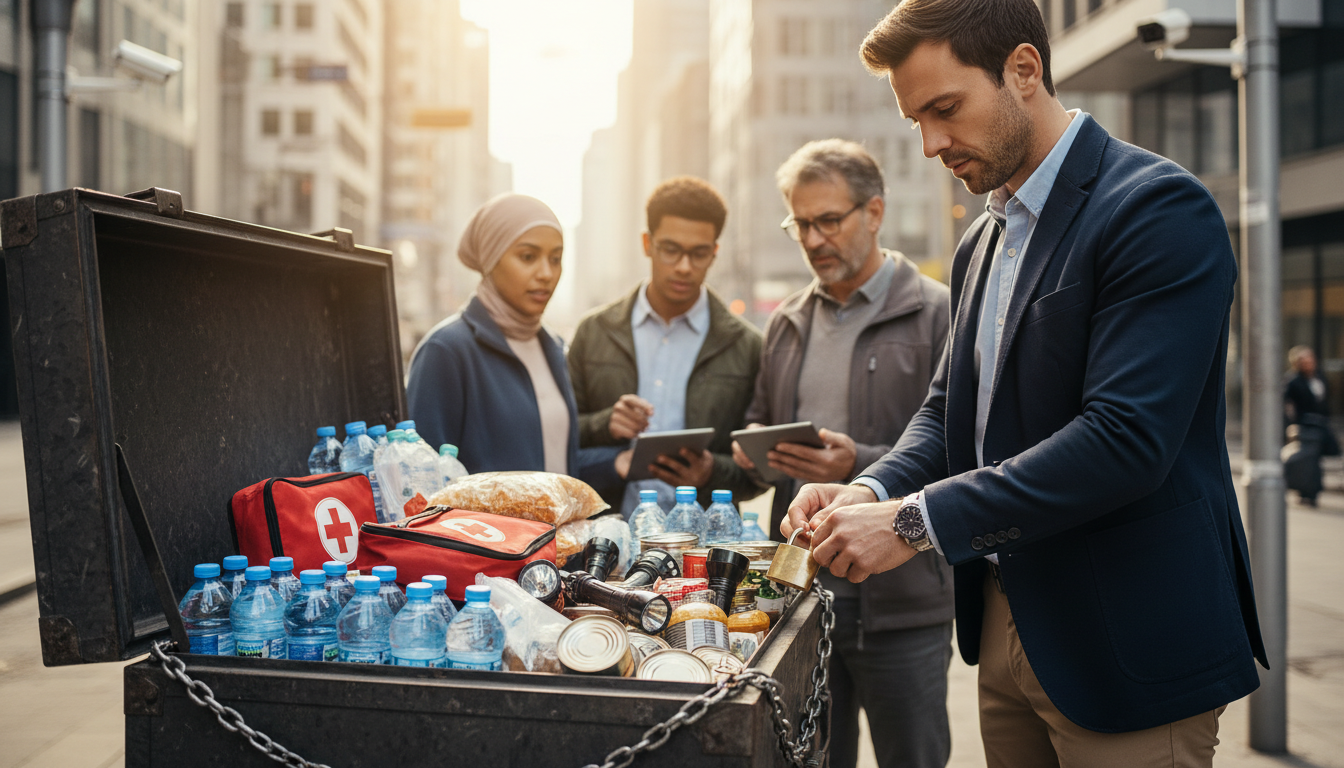
You’ve spent time and money on your emergency stockpile. It includes water, food, medical kits, and generators. But thieves might target these supplies, often during disasters or crises.
Many focus on gathering these supplies. They buy flashlights, batteries, and first aid kits. Yet, they often forget to protect these items from theft. This leaves your investment at risk.
Protecting your emergency supplies is not just for extreme preppers. It’s for anyone who has prepared for emergencies. It’s like buying a house but forgetting to lock the doors. Your emergency plan needs real protection.
Thieves steal emergency supplies, costing people thousands each year. They sell generators, fuel, tools, and medical supplies for cash. Your stockpile becomes their target.
This article will show you how to protect your emergency supplies. You’ll learn about documentation, technology, and more. Discover how to keep your family safe and your supplies secure. Emergency preparedness is about safeguarding what you’ve worked hard for.
Table of Contents
Why Protecting Emergency Supplies From Theft Matters
Your emergency supplies are more than just items. They are your family’s safety net during disasters. It’s important to understand why keeping them safe is key. Theft can lead to financial loss and safety risks for your whole family.
The Rising Cost of Lost Emergency Resources
Building emergency supplies costs a lot. Families spend $500 to $3,000 on them. This includes water filters, food, first aid kits, and more. If these are stolen, replacing them is hard and expensive.
Here’s a breakdown of common emergency supplies:
| Supply Category | Typical Investment | Replacement Time | Replacement Cost |
|---|---|---|---|
| Water and Filtration Systems | $150-$400 | 2-3 weeks | $200-$500 |
| Emergency Food Storage | $300-$800 | 3-4 weeks | $400-$1,000 |
| First Aid and Medical Supplies | $100-$300 | 1-2 weeks | $150-$400 |
| Lighting and Power Equipment | $200-$500 | 2-3 weeks | $250-$600 |
| Communication and Safety Gear | $150-$350 | 2-4 weeks | $200-$450 |
Prices keep going up. What cost $100 last year might now cost $115. So, if theft happens, you’ll face higher costs to rebuild your supplies.
Impact on Disaster Preparedness and Family Safety
Stolen emergency supplies are a big deal. They can’t be quickly replaced when disaster hits. A hurricane or flood doesn’t wait for you to get more supplies.
Without your supplies, your family’s safety is at risk. Theft-proof kits keep your preparations safe when you need them most. Think about what happens without your supplies:
- No clean water means dehydration and illness
- Missing food supplies leave your family hungry during extended power outages
- Lost medical equipment prevents treating injuries when hospitals are overwhelmed
- Absent communication tools isolate your family from rescue efforts
- Missing shelter materials expose your family to weather dangers
That’s why keeping your emergency supplies safe is so important. They protect your loved ones. Investing in theft-proof kits means your family’s survival resources will be there when you need them most.
Understanding What Drives Emergency Supply Theft
Emergency preparedness security starts with knowing why theft happens. Thieves see your emergency supplies as valuable, like construction equipment or retail goods. They aim to sell them online. So, it’s key to understand what draws thieves to your stockpile.
Thieves target emergency supplies because they’re easy to steal. Unlike stores, homes often lack security cameras or alarms. When disasters hit, police are too busy to catch thieves. This makes homes an easy target for thieves.
Some items are more tempting to thieves than others. Freeze-dried foods, water filters, generators, solar panels, and medical supplies are in high demand. They sell fast online, even if their origin is unknown.
Types of Emergency Supply Theft
- Opportunistic theft: Neighbors, workers, or visitors notice your supplies and take advantage of easy access
- Calculated theft: Organized groups target known preppers or raid homes during evacuations
- Employee theft: Trusted individuals with knowledge of your stockpile location steal items over time
- Disaster-related theft: Criminals exploit chaos and confusion during widespread emergencies
Knowing these theft patterns helps you protect your supplies better. Learning from warehouse security can also help protect your home. Check out how to protect your inventory for tips.
Being informed is your best defense. Knowing what thieves want and why helps you protect your supplies. This knowledge helps you find effective ways to keep thieves away without causing unnecessary fear or mistrust.
Document and Mark Your Emergency Supplies
Tracking and identifying your emergency supplies is key to protecting them. Knowing what you have and proving it’s yours can deter thieves. Documentation and marking are essential strategies to safeguard your supplies and make recovery easier if needed.
Creating a Detailed Inventory System
Start by making a list of all your emergency supplies. Include serial numbers, model numbers, and who made them. Take photos of your storage and valuable items from different angles. Note when and how much you bought each item. Keep receipts and save digital copies in cloud storage like Google Drive or Dropbox.
Use simple tools to organize your info:
- Spreadsheet software like Microsoft Excel or Google Sheets
- Dedicated inventory apps like Sortly or Airtable
- Traditional notebooks for those who prefer pen and paper
- Password-protected files stored off-site for security
Choose a system you can keep up with. Update your inventory when you add or replace items.
Using Identification Methods That Deter Thieves
Visible marking can scare off thieves because they prefer items they can sell easily. Unmarked supplies are more attractive to criminals.
| Marking Method | Best For | Effectiveness |
|---|---|---|
| Engraving or etching | Metal equipment and tools | Permanent and difficult to remove |
| Permanent markers | Plastic containers and boxes | Visible deterrent and quick application |
| Custom labels with contact info | All supply types | Helps authorities return items to you |
| UV pens for invisible marking | High-value items needing covert identification | Hidden from thieves but visible under UV light |
| RFID tags | Premium equipment and generators | Trackable and recoverable through scanning |
Here are some practical steps for your emergency supplies:
- Engrave your driver’s license number or a unique code onto metal equipment
- Use permanent markers to write identifying information on storage containers
- Apply custom stickers with your name and contact phone number
- Mark items with UV pens in hidden locations for covert protection
- Attach RFID tags to generators and high-value electronics
By documenting and marking your supplies, you make them less appealing to thieves. Police can use your photos and serial numbers to recover stolen items. This approach protects your prepper cache on multiple levels, keeping your supplies safe and your peace of mind intact.
Physical Security Strategies for Your Emergency Stockpile
Protecting your emergency supplies is key. Start by picking the right storage spot. It should be hidden and not in common areas. A locked basement, garage, or shed is great for keeping supplies safe. If possible, store some in a different location to spread out your supplies.
After choosing your spot, focus on making it secure. Use quality locks and reinforced doors. For windows, add security film or polycarbonate to stop easy access. Use safes and lockable containers for valuable items.
Organize your stockpile smartly. Put heavy, less valuable items in front of important ones. This makes thieves less likely to try. Also, use decoy areas with small, visible supplies to confuse thieves.
Perimeter Security and Lighting
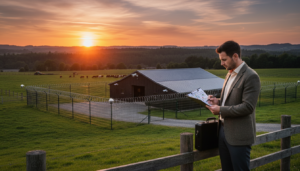
Outbuildings and sheds need strong perimeters. Use fencing with lockable gates to keep intruders out. Chain link fences are good because they’re visible but block access. Thorns around windows add protection without being obvious.
| Security Measure | Best For | Cost Level | Effectiveness |
|---|---|---|---|
| Quality Deadbolts | Doors and storage units | Low to Medium | High |
| Motion-Activated Lights | Outdoor storage areas | Medium | High |
| Security Film on Windows | Storage room windows | Medium | Medium to High |
| Fencing with Gates | Outbuildings and sheds | High | High |
| Lockable Storage Containers | Inside storage spaces | Medium | Medium |
| Thorny Shrubs | Window perimeters | Low | Medium |
Lighting is key for security. Motion-activated lights around storage areas scare off thieves at night. Install them above doors and corners. Solar lights are a good choice because they work during power outages.
Storage Arrangements and Decoy Tactics
Organize your supplies to prevent loss in one theft. Spread them across your home. Use basements, hidden pantries, and underground caches. This way, losing one spot doesn’t mean losing everything.
- Basement storage with reinforced entry doors
- Hidden pantries using false walls or secret doors
- Decoy storage with small visible quantities
- Off-site storage at a trusted secondary location
- Underground caches in waterproofed containers
- Lockable containers within main storage areas
These strategies fit different budgets and homes. Apartment dwellers can use hidden containers. Rural folks can focus on fencing and gates. Mixing these methods makes your supplies harder to steal and easier to protect in emergencies.
Advanced Technology Solutions for Safeguarding Survival Gear
Modern tech has made keeping emergency supplies safe easier and cheaper. Smart devices and surveillance systems give you updates on your storage. They watch over your gear 24/7.
Technology has changed how we protect emergency supplies. The best systems use many tools for defense. You can choose GPS trackers, cameras, or smart locks to catch thieves and recover stolen items fast.
GPS Tracking and Monitoring Systems
GPS tracking devices have revolutionized emergency preparedness security. These small gadgets track your generators, battery banks, and more. They help you find stolen equipment quickly.
GPS systems use apps to show where your supplies are. You get alerts when they move without permission. Many options cost between $20 and $100, with monthly fees from $5 to $15.
- Pocket-sized trackers fit inside storage containers
- Weatherproof designs survive harsh outdoor conditions
- Multi-day battery life keeps devices running during outages
- Cloud storage automatically records location history
- Geofencing alerts you when items leave safe zones
Smart locks add more protection by sending alerts when your storage is opened. They let you monitor access and control who enters your supplies.
Surveillance Cameras and Motion Detection
Surveillance cameras protect your emergency supplies in two ways. Visible cameras scare off thieves, while hidden cameras catch them. You can find many options, from cheap wireless models to professional systems.
- Night vision for 24/7 monitoring in darkness
- Motion detection that triggers recording automatically
- High resolution video for identifying faces and details
- Weather-resistant construction for outdoor placement
- Two-way audio to communicate with intruders
- Cloud storage for backup video access
Motion detection technology is now very smart. It can tell apart people, animals, and movement, reducing false alarms. Some systems even use thermal detection for poor visibility.
| Camera Type | Best For | Cost Range | Power Source |
|---|---|---|---|
| Wireless Indoor | Interior storage areas | $30-$80 | Battery or USB |
| Hardwired Outdoor | Perimeter coverage | $100-$300 | Electrical wiring |
| Battery-Powered Outdoor | Remote locations | $60-$150 | Rechargeable batteries |
| Thermal Camera | Night detection | $200-$500 | Wired or battery |
Place cameras at all entry points and storage areas. Real-time alerts on your phone let you act fast when motion is detected. Many systems offer cloud storage for a monthly fee.
Keep your security system updated to stay ahead of thieves. Check your camera firmware often and update devices every few years.
Building Community Networks and Working With Local Authorities
Your emergency supplies need more than just locks and cameras. Building strong ties with neighbors and local police adds an extra layer of security. When we work together, keeping food and water safe becomes easier for everyone.
Neighborhood watch programs for emergency readiness are very helpful. You can make agreements with neighbors without sharing what you have. This way, neighbors watch each other’s places, helping during vacations or evacuations.

Getting to know local law enforcement is key to a strong defense plan. Introduce yourself to police or sheriff deputies before emergencies. Share your concerns about property security without giving away what you have.
Ask for regular patrols of your property, more so if you live in the countryside. Make sure police have your emergency contact information. Report any suspicious activity right away, even if nothing is stolen.
- Exchange contact numbers with local law enforcement
- Document all suspicious activity with dates and times
- Keep photos of your property and identifying marks on supplies
- Request police patrols during vulnerable periods
- Share information about missing or stolen items quickly
For big investments in emergency supplies, consider hiring private security. They provide dedicated protection when you’re away. This professional help works best with strong community ties and cooperation.
Conclusion
Keeping your emergency supplies safe is more than just buying stuff. You need a solid plan that covers many bases. This includes documentation, locks, cameras, and building a strong community. Together, these steps ensure your supplies are ready when you need them.
You don’t have to do everything at once. Begin with a list of your supplies and better locks. Add cameras when you can. Each step makes your emergency supplies safer. Building good relationships with neighbors and local authorities is also key.
Think of security as part of your emergency prep routine. Just like checking food and equipment, review your security systems often. New threats and technology changes mean you need to stay updated. Keeping your systems current keeps your supplies safe.
By taking these steps, you’re making a wise choice. Protecting your supplies is as important as gathering them. Your efforts give you peace of mind and keep your hard work safe. When disaster hits, you’ll know your supplies are ready for you.
FAQ
Why is protecting emergency supplies from theft such an important part of emergency preparedness security?
Most people focus on building their emergency stockpiles but overlook the security measures needed to protect these investments. Your emergency supplies, like food, water, and medical kits, are a big financial investment. If these supplies are stolen, your family loses the critical resources needed for survival.
Disaster supply storage safety ensures that when disaster strikes, your preparedness investments will actually be available to sustain your family.
How much financial impact can emergency supply theft actually have on a family?
The average family invests significant resources into emergency preparedness, with costs ranging from several hundred to thousands of dollars. High-quality freeze-dried foods, water filtration systems, and backup power solutions represent substantial financial outlays. With current inflation making restocking even more expensive, losing these supplies to theft means facing the double burden of both the original investment loss and the cost of replacement during a time of crisis.
Unlike other stolen property that can be replaced with insurance claims, emergency supplies lost to theft during a disaster cannot be quickly or easily replaced when you need them most.
What makes emergency supplies attractive targets for thieves?
Emergency supplies, like Mountain House freeze-dried meals and Generac portable generators, have strong resale markets, making them attractive to thieves. Thieves recognize that most emergency stockpiles lack the security measures that protect other valuable assets, making them “soft targets.” Unlike vehicles or home security systems, emergency supplies often receive minimal security attention.
During widespread disasters, law enforcement resources are stretched so thin that theft detection and prosecution become unlikely. Some thefts are opportunistic—neighbors, workers, or visitors who notice your supplies—while others are more calculated, with organized groups targeting known preppers or homes during evacuations.
What’s the best way to start documenting my emergency supplies for prepper cache protection?
Begin by creating a detailed inventory database that documents all emergency supplies. Record serial numbers for all equipment and photograph your storage areas and individual high-value items from multiple angles. Document purchase dates, prices, and maintain digital copies of receipts.
You can use spreadsheet software, dedicated inventory apps, or simple notebooks—whatever system you’ll actually maintain consistently. The critical step is storing this documentation securely off-site, whether in cloud storage or a safety deposit box. This ensures your documentation survives even if your supplies don’t, providing essential information for insurance claims and law enforcement if theft occurs.
How can I mark my emergency supplies to deter thieves and aid recovery?
Implement multiple identification methods adapted from construction equipment marking strategies. Use an engraver or rotary tool to etch identifying information on metal equipment like generators or fuel cans. Apply permanent markers on storage containers with your name and phone number.
Create custom labels or stickers with your contact information and place them on high-value items. Consider using UV pens for invisible marking that only shows under ultraviolet light, which provides security without advertising marked items. For the highest-value items, RFID tags can be embedded in or attached to equipment for tracking purposes.
Visible marking serves as a powerful deterrent because thieves prefer unmarked items that are easier to resell without questions, while also significantly increasing your chances of recovery if theft does occur.
Where’s the best location to store my emergency supplies for maximum security?
Choose storage locations that keep supplies out of sight and protected from easy access. Options include locked basement rooms, reinforced garage spaces, dedicated storage sheds, or even off-site storage facilities depending on your situation. The key principle is keeping supplies invisible from windows and away from common areas where visitors might notice them.
If you use outbuildings like sheds, consider surrounding them with fencing and installing gate locks. Use perimeter security measures like thorny bushes planted near windows to create natural barriers. For apartment dwellers, options might include climate-controlled storage units or locked closets within your unit.
Whatever location you choose, ensure it has quality deadbolts or padlocks, and consider reinforcing doors and windows. Strategic arrangement matters too—place heavier, less valuable items in front of premium supplies, and organize your stockpile so theft of one container doesn’t compromise your entire cache of disaster provisions.
Should I install motion-activated lighting around my emergency supply storage areas?
Absolutely. Motion-activated lighting is one of the most cost-effective deterrents for nighttime theft attempts. These lights create the impression that someone is actively monitoring the property and can alert you to activity through the sudden illumination. Position them around storage sheds, along approach routes to your property, and near any outbuildings where you keep supplies.
They’re also valuable for rural properties where lighting might be minimal. Combined with other safeguarding survival gear strategies, motion-activated lights significantly reduce the attractiveness of your property as a theft target.
What are the advantages of using GPS tracking for protecting emergency supplies from theft?
GPS tracking systems provide dramatic improvements in recovery rates if theft occurs and offer real-time monitoring of your most valuable portable items. You can hide affordable GPS trackers in or attach them to high-value equipment like generators, portable battery banks, solar panels, and vehicle-based emergency kits.
Most GPS trackers require subscription services for real-time tracking through mobile apps, allowing you to know exactly where your supplies are at all times. If theft occurs, you can track the stolen items’ location and provide precise coordinates to law enforcement, dramatically increasing recovery chances.
Some systems also offer geofencing alerts that notify you immediately if your supplies leave a designated area. For emergency preparedness security, GPS tracking transforms expensive equipment from vulnerable to protected, giving you peace of mind that even if theft occurs, you’ll have the capability to recover your investment.
What surveillance camera features should I look for when protecting my emergency stockpile?
Look for cameras with night vision capabilities, high-resolution recording, motion detection, two-way audio, and weather-resistant construction. Modern systems like those from Ring, Wyze, and Reolink offer wireless or hardwired options, with battery-powered cameras providing flexibility for outbuildings without electrical access.
Cloud storage versus local storage is your choice—cloud options like those from Amazon or Google provide accessibility from anywhere but involve subscription costs, while local storage keeps your footage private but requires on-site access. Position cameras to cover all approach routes to storage areas, entry points, and high-value item locations.
Visible cameras serve as psychological deterrents, while hidden cameras catch thieves in the act. Some advanced systems include thermal detection and intelligent motion sensing that distinguish between people, animals, and environmental factors, reducing false alarms while ensuring actual threats are captured.
How can I work with my neighbors to improve emergency preparedness security without revealing my entire stockpile?
Build trust with neighbors through mutual security agreements without advertising exactly what you have stored. Establish neighborhood watch approaches adapted for protecting food and water reserves and other emergency supplies. Propose mutual property monitoring agreements where neighbors watch each other’s properties, which are more vulnerable during vacations or evacuations.
Consider joining or forming community preparedness groups where members can share security strategies without necessarily sharing inventory details. These groups can coordinate collective storage solutions that are easier to protect because security is shared responsibility. You can discuss general security concerns—”I’ve invested in emergency preparedness and want to ensure it’s protected”—without revealing specifics about your stockpile size or contents.
What should I tell local law enforcement about my emergency supplies?
Build relationships with local police or sheriff’s deputies before emergencies occur. Introduce yourself and explain general property security concerns without revealing specific details about your stockpile—something like: “I’ve invested in emergency preparedness and would appreciate occasional patrols of my property.” Provide police with your emergency contact information and ask about periodic patrols, which are more important in rural areas where response times are longer.
If suspicious activity occurs on your property, report it immediately to create documentation and awareness, even if nothing was stolen. Report all theft attempts right away with as much detail as possible: serial numbers, photos, detailed descriptions of stolen items, and any information about who took them. Ensure stolen items are properly entered into national databases like NCIC (National Crime Information Center) so they can be identified if recovered.
When might I consider hiring private security to protect my emergency supplies?
Private security becomes appropriate when you have significant investments in emergency supplies and face extended absences from your property or live in high-risk areas with known theft problems. If you’re evacuating during a disaster and will be away for extended periods, private security or property monitoring services can provide continuous protection.
For those with tens of thousands of dollars invested in a survival stockpile, private security might be justified as theft-proof emergency kit insurance. Many security companies offer flexible options ranging from regular property checks to 24/7 monitoring. This represents the premium tier of protecting emergency supplies from theft, appropriate for those with substantial investments and genuine security concerns.
Do I need to implement all security measures at once to protect my emergency supplies effectively?
Absolutely not. Effective emergency stockpile defense strategies can be implemented gradually based on your budget and timeline. Start with basic documentation—creating an inventory and photographing your supplies—which costs nothing but provides essential protection.
Next, invest in better locks and secure storage containers, typically a modest investment with significant protective value. As your budget allows, add marking systems using engravers or UV pens. Then consider technology solutions like GPS trackers for your most valuable portable items or surveillance cameras for storage areas.
Implement community partnerships and work with local law enforcement. Each layer of protection adds value, and you don’t need to complete all layers immediately. The most important first step is recognizing that protecting emergency supplies requires attention, then starting with whatever measures fit your current situation.
How often should I review and update my emergency supply security measures?
Review your disaster supply storage safety measures at least twice yearly, ideally when you rotate food supplies and check equipment functionality. As you add new items to your stockpile, photograph them and update your inventory immediately. If you upgrade locks, add surveillance cameras, or implement new security technology, update your documentation.
Technology changes rapidly—newer cameras offer better features, GPS trackers become more affordable, and smart lock systems improve. Periodically assess whether your chosen storage locations remain secure and whether new vulnerabilities have developed. If you experience suspicious activity or attempted theft, use it as a trigger to review all your security measures and identify any improvements.
Why is creating an off-site backup of my emergency supply documentation so important?
Off-site documentation ensures you maintain critical information even if your home and supplies are compromised. If a disaster destroys your storage location or theft occurs, you need access to serial numbers, photos, and purchase information to file insurance claims, report items to law enforcement through proper channels, and identify stolen items if they’re recovered.
Cloud storage services like Google Drive, Dropbox, or OneDrive keep your documentation accessible from anywhere with internet access. Safety deposit boxes at banks provide secure physical backup. Email copies to yourself or a trusted family member living elsewhere. Some people maintain copies with their insurance agent.
Without off-site backup documentation, you lose not only your physical supplies but also the information needed to prove what you owned, making recovery and compensation significantly more difficult. This is why documentation is truly the foundation of emergency preparedness security—it’s the evidence that survives even when your supplies don’t.
Can I use decoy storage areas as part of my emergency stockpile defense strategy?
Yes, decoy storage areas can be an effective component of strategic organization for protecting emergency supplies from theft. The concept involves maintaining visible, accessible storage areas that contain lower-value items or common supplies while keeping your premium stockpile in secured, hidden locations.
For example, you might keep bulk emergency items like batteries and basic first aid supplies in a garage area where visitors might see them, while keeping high-value freeze-dried foods, water filters, and medical supplies in a locked basement room or hidden shed. This approach satisfies a casual observer’s impression that you have supplies without revealing where your most valuable items are stored.
Decoys alone won’t protect supplies from determined thieves—they need to be paired with good locks, documentation systems, surveillance, and community awareness. The goal is layered protection where no single theft vector provides access to your entire emergency cache.