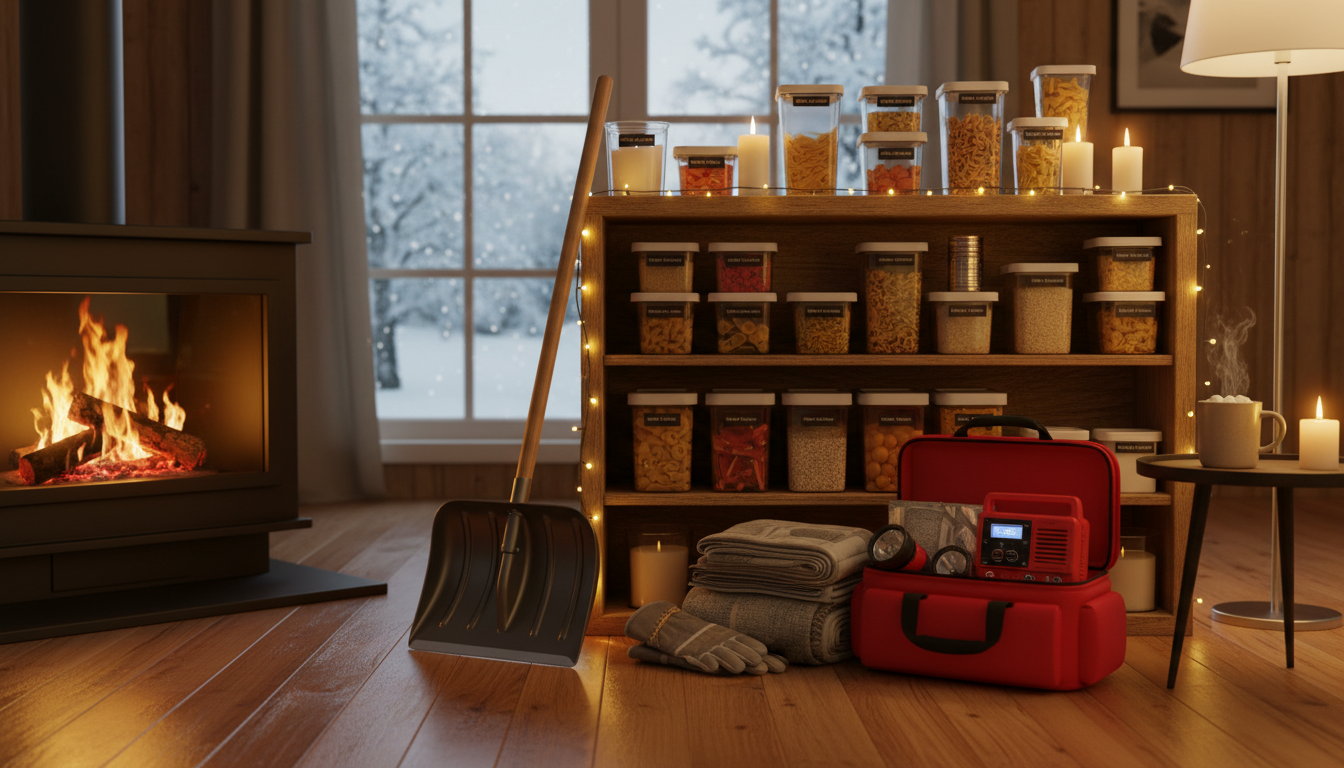
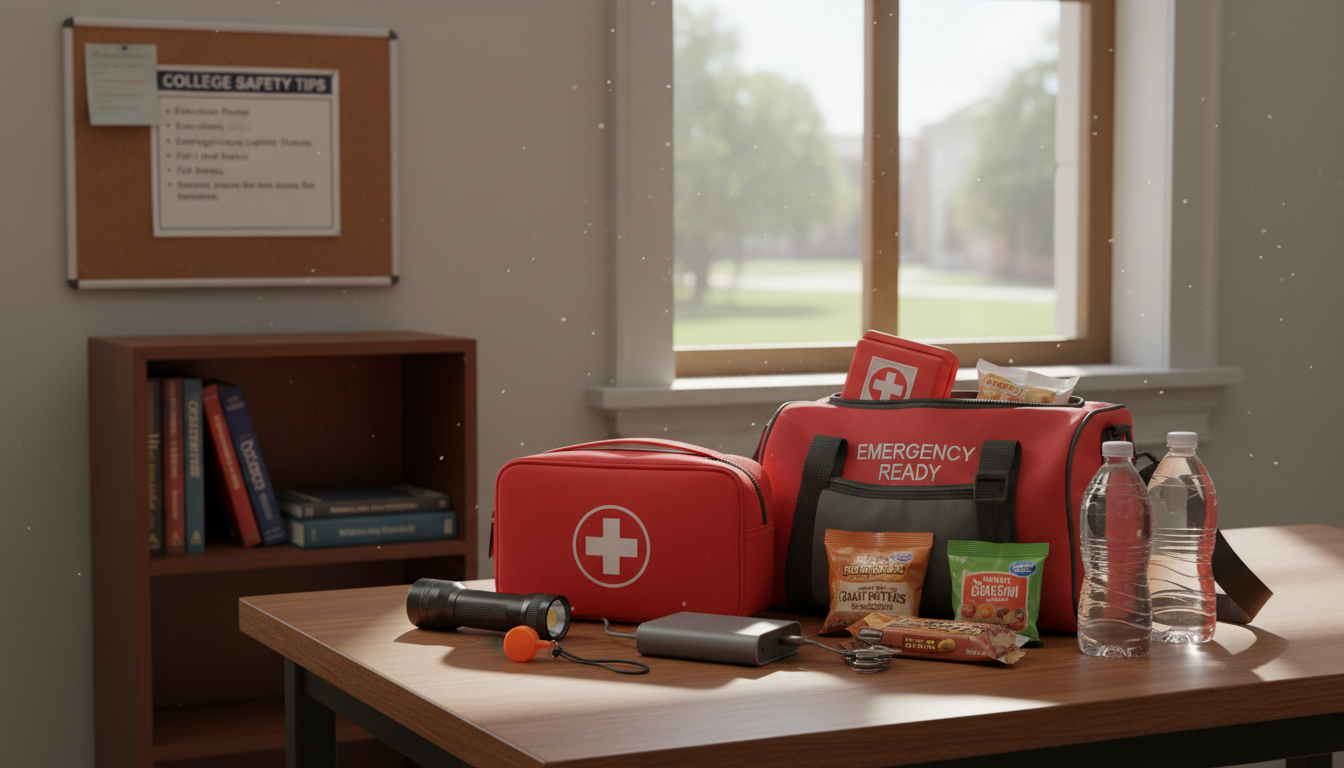
Starting out in prepping can feel overwhelming. Many beginners make big mistakes without realizing it. Knowing these mistakes is key to getting better at prepping.
To prep well, you need a good plan and the right tools. Learning from others can help you avoid common mistakes. For more tips, check out our guide on 15 mistakes beginners make when prepping for the.
Key Takeaways
- Understand common prepping mistakes to avoid them.
- Create a well-thought-out prepping plan.
- Learn from others’ experiences in prepping.
- Use the right resources for effective prepping.
- Develop a robust prepping strategy.
Table of Contents
The Foundation of Effective Prepping
Prepping starts with the right mindset. Having the right attitude is key. It makes you ready for emergencies, not just reacting to them.
The Right Mindset for New Preppers
New preppers, it’s not just about storing supplies. It’s about living ready for anything. You need a prepper guide that fits your life.
Balancing Urgency with Strategic Planning
Good prepping balances now and later. You must focus on what’s urgent and important. This makes your prepping both useful and smart.
Setting Achievable Preparedness Goals
Setting goals is important in prepping. Look at where you are now, see what needs work, and make a plan. This way, your prepping is focused and helps you stay ready for emergencies.
Prepping Mistakes Beginners Make and How to Avoid Them
Beginners often make big mistakes when prepping. It’s not just about having lots of supplies. You need to be ready for any situation. Knowing the common mistakes is key.
Panic Buying Without a Coherent Strategy
One big mistake is buying too much without a plan. This wastes money and doesn’t get you what you really need. Make a list of what’s most important first.
Creating a Prioritized Shopping List
Having a list helps you buy what’s most important first. Think about what you might need in emergencies. Here are some basics:
- Water and food supplies
- First aid kits
- Lighting and power sources
- Communication devices
Building Supplies Gradually and Systematically
Building your supplies slowly is better than buying too much at once. This way, you get quality items that last. Don’t rush to buy everything at once.
| Supply Category | Essential Items | Priority Level |
|---|---|---|
| Water and Food | Water purification tablets, non-perishable food | High |
| First Aid | Bandages, antiseptic wipes, pain relievers | High |
| Lighting and Power | Flashlights, batteries, solar chargers | Medium |
Focusing Exclusely on Catastrophic Events
It’s important to prepare for big disasters, but don’t forget about everyday emergencies. Things like power outages and small injuries are common.
Preparing for Everyday Emergencies First
Prepare for the emergencies you’re most likely to face. Have a basic first aid kit, a flashlight, and a plan for cooking without power.
Neglecting Skill Development in Favor of Gear
Many beginners spend too much time buying gear and forget to learn how to use it. Skills like first aid and food preservation are just as important.
Don’t forget to learn new skills. Spend time on courses or workshops that teach you how to use your gear.
Food and Water Storage Blunders
Proper food and water storage are key to good prepping. Yet, many beginners make mistakes. It’s important to store food and water well to keep you and your family safe during emergencies.
Improper Food Rotation and Inventory Management
One big mistake is not rotating food properly. This can cause food to go bad. Using a First-In, First-Out (FIFO) system helps avoid this problem.
Implementing the First-In, First-Out (FIFO) System
To use FIFO, mark each food item with its storage date. Make sure to eat the oldest food first. This keeps your food safe and good to eat.
Inadequate Water Purification and Storage Solutions
Water storage is also a common mistake. Bad water purification can make water unsafe to drink. Get a good water filter to solve this problem.
For more tips on meal planning, check out this resource. It helps avoid meal planning errors.
Overlooking Nutritional Balance and Dietary Requirements
A good food storage plan must think about nutritional balance and dietary needs. Make sure your stock has a variety of foods that meet these needs.
Planning for Special Dietary Needs
Remember to plan for special diets in your household. This includes gluten-free, vegan, and other specific needs. This way, everyone stays healthy during emergencies.
| Storage Tip | Description | Benefit |
|---|---|---|
| Cool, Dry Place | Store food in a cool, dry environment to prolong shelf life. | Reduces spoilage and maintains food quality. |
| Air-Tight Containers | Use air-tight containers to protect food from moisture and pests. | Preserves freshness and prevents contamination. |
| Regular Inventory | Conduct regular inventory checks to ensure FIFO and detect any issues. | Helps maintain a fresh stockpile and identifies needs for replenishment. |

Equipment and Gear Selection Errors
Choosing the right gear is a big challenge for new preppers. It’s not just about having lots of stuff. It’s about making smart choices that help you survive.
Purchasing Low-Quality or Redundant Items
Many preppers make the mistake of buying cheap or unnecessary gear. It’s better to get durable and versatile equipment. For example, a multi-tool is more useful than a single tool.
Failing to Test Gear Before Emergencies
It’s important to test your gear before you really need it. This makes sure it works and you know how to use it. Testing gear regularly also helps find any maintenance needs.
Creating a Regular Maintenance Schedule
To keep your gear in good shape, make a maintenance plan. This might include checking expiration dates, oiling parts, and updating batteries or software.
Choosing Complicated Equipment Without Proper Training
Choosing gear that’s too hard to use without learning is a mistake. Preppers should pick equipment that fits their skill level. They should also spend time learning how to use it right.
Let’s look at why choosing the right gear is so important:
| Gear Type | Quality Consideration | Training Required |
|---|---|---|
| Water Purification Systems | High; should be able to remove 99.99% of contaminants | Yes; understanding maintenance and operation |
| First Aid Kits | High; should include a variety of medical supplies | Yes; knowledge of basic first aid practices |
| Multi-tools | Medium; durability and functionality are key | No; generally straightforward to use |
Resource Management and Budgeting Failures
Effective prepping is not just about having supplies. It also means smartly managing resources and budgeting. Many preppers spend too much, don’t organize well, and forget about their finances.
Overspending on Specialized Prepping Supplies
One big mistake is spending too much on special supplies. Preppers should focus on what they really need. This means choosing items that fit their specific needs and threats.
Balancing Quality with Budget Constraints
To not overspend, it’s key to find a balance between quality and budget. This means picking high-quality, necessary items while watching the budget. Here’s how:
- Do your research before buying
- Look for the best prices
- Choose gear that does more than one thing
Ignoring Financial Preparedness as Part of Your Plan
Not planning for finances is a big mistake. It can cause big problems in emergencies. Make sure you have:
- An emergency fund
- More than one way to make money
- Insurance for risks
Poor Storage Organization and Space Utilization
Bad storage can waste space and resources. Good preppers create easy-to-use and smart storage systems.
Creating Accessible and Logical Storage Systems
This means organizing supplies so you can find and use them easily. Good strategies include:
- Labeling containers well
- Using space-saving shelving
- Using a “first in, first out” system

By fixing these common mistakes, preppers can improve their readiness. This makes their prepping efforts more effective and sustainable.
Conclusion: Building a Sustainable and Effective Prepping Strategy
Good prepping means having a solid plan. It should include key tips and a detailed guide. Avoiding mistakes like buying too much and not learning new skills is important.
Building a strong prepping plan is key. It should mix urgency with careful planning. Start by setting clear goals, focusing on food and water, and choosing the right gear.
Following this guide helps build a strong prepping plan. It’s important to keep your plan up to date. With a good plan, you can handle surprises and keep your family safe.
FAQ
What are the most common prepping mistakes beginners make?
Beginners often buy too much without a plan. They focus too much on big disasters. They also forget to learn new skills. To avoid these, start with a plan, focus on what you really need, and learn new things.
How can I create a prioritized shopping list for prepping?
First, list what you really need like food, water, and first aid. Think about your situation and risks like natural disasters. Then, order your needs by importance and spend your money wisely.
What is the FIFO system, and how can it help with food storage?
The FIFO system means using the oldest items first. It helps keep food fresh and reduces waste. This way, your supplies stay good and your storage is neat.
How can I ensure adequate water storage for emergencies?
Plan for at least one gallon of water per person per day. Store it safely and easily. Also, think about getting water filters for clean drinking water.
What are some common mistakes to avoid when selecting prepping gear?
Don’t buy cheap stuff that won’t last. Make sure to test your gear before you need it. Choose simple gear that you know how to use.
How can I balance quality with budget constraints when prepping?
First, decide what you really need. Spend your money wisely. Look for gear that does more than one thing. You can also find deals on used or discounted items.
What is the importance of financial preparedness in prepping?
Being financially ready helps you keep your lifestyle going. It lets you get what you need and recover from hard times. Build an emergency fund, pay off debt, and get insurance.
How can I create a logical storage system for my prepping supplies?
Sort your supplies into categories. Pick a place for each category. Use labels and signs for easy access. Think about how easy it is to get to, if it’s safe, and the weather.