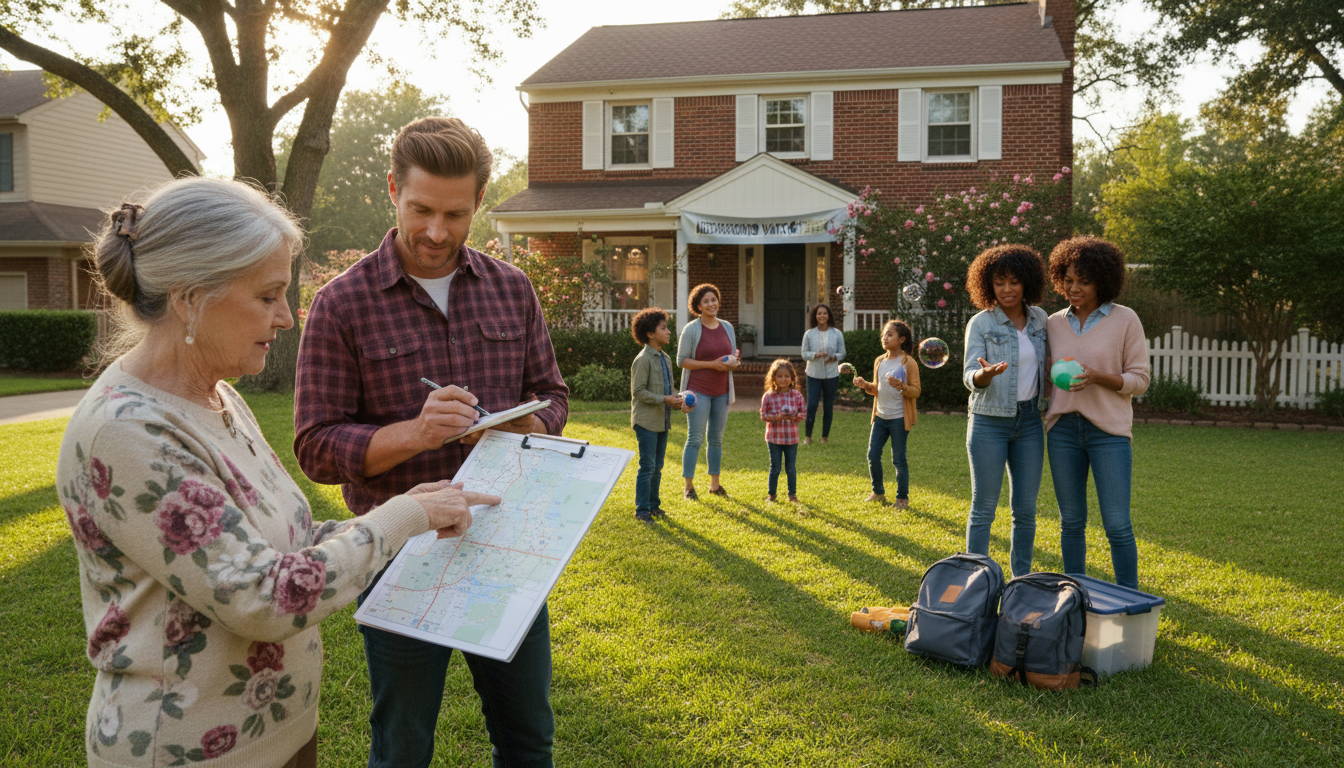
Your neighborhood is your first line of defense during emergencies. When neighbors work together, communities become safer and stronger. Neighborhood Watch programs bring people together to protect their streets and prepare for unexpected events.
Emergency preparedness starts at home. It spreads to the people living next to you. A solid Neighborhood Watch group can respond faster to problems and help residents stay informed during crises.
This guide teaches you how to build a strong Neighborhood Watch program in your area. You will learn the basics of getting started. You will discover how to create communication systems that work. You will find out how to organize your neighbors for real emergencies.
Starting a Neighborhood Watch program does not require special skills or lots of money. It needs commitment from people who care about their community. With the right steps, your neighborhood can become a model for safety and preparedness.
Ready to make your street safer? Let’s explore the foundations of Neighborhood Watch together.
Table of Contents
What is Neighborhood Watch and Why It Matters for Your Community
Neighborhood Watch programs unite neighbors to make streets safer and communities stronger. These groups are run by volunteers who aim to prevent crime and build trust. When neighbors know each other, crime rates drop.
Neighborhood Watch is not about confronting criminals. It’s about watching, sharing information, and working with the police. Members report odd activities and help organize community events.
Staying informed and involved helps prevent crime. Neighborhoods with watch programs see less burglary and theft. Vigilant neighbors create a safe environment that deters crime.
The History and Evolution of Neighborhood Watch Programs
Neighborhood Watch started in the 1960s as a way for communities to fight crime. People wanted to protect their neighborhoods, not just rely on the police. It quickly grew in the 1970s and 1980s.
The National Association for Crime Prevention set guidelines for watch programs. Today, millions of Americans are part of these efforts. Programs now include patrols, social media, block parties, and more.
- Community patrols and walking programs
- Social media communication networks
- Block parties and neighborhood gatherings
- Youth engagement and mentorship
- Emergency preparedness training
Today, watch groups use both old and new methods. They use email, texts, and apps to share info. But, community bonds are key to success.
How Neighborhood Watch Strengthens Homeland Security
Neighborhood Watch helps homeland security by making communities alert. Residents spot unusual activities that could be threats. This helps keep America safer.
Members learn to spot suspicious behavior. They know what’s normal and what’s not. This helps them respond to emergencies well.
| Security Benefit | Community Impact |
|---|---|
| Early threat detection | Faster emergency response and prevention |
| Increased neighborhood awareness | Reduced crime rates and safer streets |
| Communication networks | Quick information sharing during emergencies |
| Police-community partnerships | Better law enforcement effectiveness |
| Emergency preparedness | Resilient communities ready for disasters |
Neighborhoods with watch programs are better prepared for emergencies. Members know how to help each other and where to go. This saves lives during disasters.
Strong neighborhood watch programs create resilient communities. Working together with the police makes neighborhoods safer. This effort strengthens both local and national security.
Neighborhood Watch Basics: Getting Started in Your Area
Starting a neighborhood watch program starts with neighbors caring about safety. When someone notices a problem, they might start a watch group. This first step is key to the group’s success.
First, contact your local police for advice. This shows you’re serious and helps build a partnership. A crime prevention officer can help train your group and share resources.
Before you go public, plan with a committee. You’ll need a team, a meeting place, and an agenda. Common spots include homes, community centers, or schools.
Planning Your First Meeting
Get ready for your first meeting by gathering important items. You’ll need:
- Contact information sheets for attendees
- Sign-up sheets for volunteers
- Brochures on topics like crime reporting and property marking
- A map of the community with household information
- Neighborhood watch signs to post around the community
- Commitment forms for block captains
Spread the word about your meeting. Use door-hangers, social media, and fliers. Different methods reach different people.
Running an Effective First Meeting
Keep your first meeting focused. A good agenda might include:
- Welcome and introductions
- A crime prevention officer’s presentation
- Discussion of neighborhood concerns
- Election of leadership positions
- Training overview
- Decision on additional services
- Planning for future meetings
Don’t aim for perfection. Many successful groups started small. What’s important is starting and growing together.
Building Communication and Momentum
After your group forms, figure out how to stay in touch. Choose methods like phone trees, fliers, newsletters, social media, or email lists. Pick what works best for your neighborhood.
Plan activities to strengthen your community. Events like block parties or cleanups can help. These activities build spirit and address concerns.
Learning to fortify your home against intruders is part of your training. Sharing security tips helps everyone feel safer.
Start small and grow gradually. Your neighborhood watch will get stronger as trust and results grow.
Building Your Community Emergency Response Network
A strong emergency response network keeps your neighborhood safe and connected when disasters strike. It relies on clear communication and solid planning. Your community benefits when neighbors know how to reach each other and understand evacuation procedures. Building this network takes time and teamwork, yet the peace of mind it brings is worth every effort.
The foundation of your response network starts with two key elements: reliable communication systems and well-developed evacuation plans. Both work together to protect your neighbors and create a resilient community that responds quickly when emergencies happen.
Creating a Neighborhood Directory and Communication System
A neighborhood directory serves as your communication backbone during emergencies. It should include contact information for every household on your street or in your area. Start by collecting names, phone numbers, email addresses, and any special needs from willing neighbors. Keep this information updated regularly as neighbors move in and out of your community.
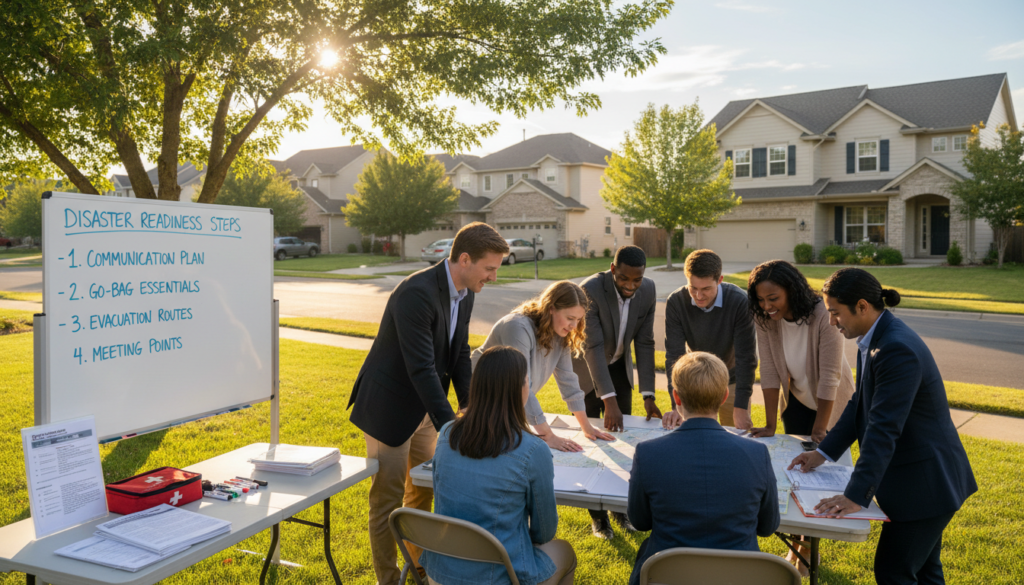
Your communication system needs multiple methods to reach everyone. Power outages can disable cell towers and internet connections, so traditional phone trees for when cell networks are down work extremely well. These phone trees designate one person to call two neighbors, who each call two more neighbors, spreading information quickly through your network.
Create backup communication channels that don’t depend on electricity:
- Email lists for quick updates when systems are functioning normally
- Text message groups for urgent alerts that work on minimal data
- Social media pages for broader community engagement and announcements
- Old-fashioned door-to-door contact for those without technology access
Print copies of your neighborhood directory and contact information. Keep these printed copies at home, as digital devices may not work during power outages. This simple step ensures you can reach neighbors even when all modern technology fails.
Establish a clear communication protocol before emergencies happen. Decide who contacts whom, how information flows through the network, and what types of situations warrant activating the system. Different situations need different response levels—a gas leak requires faster action than a weather update.
| Communication Method | Best For | Reliability During Emergencies | Setup Difficulty |
|---|---|---|---|
| Traditional Phone Trees | When cell networks are down | Very High | Easy |
| Email Lists | Quick updates and non-urgent information | Medium (depends on power) | Easy |
| Text Message Groups | Urgent alerts requiring quick responses | High (uses minimal data) | Very Easy |
| Social Media Pages | Broader community engagement | Medium (requires internet) | Easy |
| Door-to-Door Contact | Reaching those without technology access | Excellent (no technology needed) | Moderate |
Developing Community Evacuation Plans
Evacuation plans protect your neighborhood when fires, floods, earthquakes, chemical spills, or other emergencies require residents to leave quickly. Start by identifying multiple evacuation routes from your neighborhood. Map out primary routes and alternate routes in case the main roads become blocked or dangerous.
Work with neighbors to identify nearby hazards that could trigger evacuations. Look for chemical plants, major transportation routes, power lines, or other infrastructure that could become dangerous during certain emergencies. Understanding these hazards helps you plan better escape routes and meeting points.
Create simple evacuation maps that show primary and alternate routes. Include landmarks and street names so everyone understands the directions clearly. Share these maps with all neighbors and discuss them during neighborhood meetings.
Designate meeting points where neighbors can gather and account for everyone after evacuating. Choose at least two meeting locations at different distances from your neighborhood. One might be a nearby park or school, while another could be a location several miles away in case the neighborhood becomes inaccessible.
Establish protocols for checking on vulnerable residents who might need assistance evacuating. Identify which neighbors have vehicles that could transport those without transportation. Create a buddy system ensuring no one is left behind. Assign specific volunteers to help elderly residents, people with disabilities, and families with small children.
Your evacuation plan should include these essential elements:
- Primary and alternate evacuation routes marked clearly
- Meeting points identified and communicated to all neighbors
- List of neighbors needing special assistance during evacuation
- Volunteers assigned to help vulnerable residents
- Transportation resources identified from neighbors with vehicles
- Communication system to account for everyone after evacuation
- Plan for pets and important documents to bring along
Practice your evacuation plan at least twice yearly. Conduct drills that test your communication systems and routes. Ask neighbors to time how long evacuation takes and identify any problems. Real practice reveals challenges you can address before an actual emergency happens.
These preparations bring peace of mind and strengthen community bonds. Your neighborhood becomes more resilient and connected when neighbors know each other and understand emergency procedures. The time you invest now makes your community safer tomorrow.
Essential Training and Skills for Watch Group Members
Building a strong neighborhood watch means investing in training and skills that protect your community. Watch group members who complete proper training become capable responders during emergencies. Your neighbors gain confidence knowing trained volunteers stand ready to help when disaster strikes.
One of the most valuable programs available is Community Emergency Response Team (CERT) training. This 20-hour course covers disaster preparedness, fire safety and suppression, basic medical operations, light search and rescue techniques, team organization and disaster psychology, and terrorism awareness. CERT training prepares members to assist professional responders during large-scale emergencies when first responders are overwhelmed.
The real power of CERT becomes clear during actual emergencies. Watch members trained in CERT skills provide immediate help to neighbors during the critical first hours after a disaster. They organize untrained volunteers who want to help and assess damage and needs in the neighborhood. The Mitternight Park Community Action Group in Mobile, Alabama demonstrates this impact perfectly. CERT-trained watch members logged over 3,000 patrol hours and helped shut down a methamphetamine lab, showing how training serves multiple community protection purposes.
Finding CERT Training in Your Area
Getting started with CERT training is easier than you think. Contact local fire departments or emergency management agencies to learn about training opportunities near you. Many communities offer free or low-cost courses throughout the year.
- Visit your city or county emergency management office
- Call your local fire department for CERT program information
- Check community college bulletin boards for training schedules
- Search online for “CERT training near me” plus your city name
First Aid and CPR Certification Saves Lives
First aid and CPR certification stands as one of the most practical skills any watch member can obtain. These skills save lives during emergencies when professional medical help is delayed. Basic first aid knowledge makes a critical difference in those critical minutes before ambulances arrive.
The American Red Cross and National Safety Council both offer excellent training opportunities. Their courses teach wound care, choking relief, shock management, and CPR techniques. You can complete certification in just one or two days, and many courses offer convenient evening and weekend schedules.
| Training Organization | Course Length | Skills Covered | Certification Valid For |
|---|---|---|---|
| American Red Cross | 4-8 hours | CPR, AED, basic first aid, choking relief | 2 years |
| National Safety Council | 4-8 hours | CPR, AED, first aid, rescue breathing | 2 years |
| Local Hospital Programs | 6-12 hours | CPR, first aid, community emergency response | 2 years |
Building Your Community First Aid Kit
A well-stocked first aid kit is key to your neighborhood’s response. Keep it in a place everyone can find it and check it every six months. Replace expired items and restock what you’ve used.
- Bandages and wraps: Sterile gauze, adhesive bandages in various sizes, elastic bandages
- Antiseptic supplies: Antibiotic ointment, alcohol wipes, hydrogen peroxide
- Pain and fever relief: Acetaminophen, ibuprofen, aspirin
- Tools: Thermometer, tweezers, safety pins, scissors
- Additional items: Antihistamines, antacids, hydrocortisone cream, triangular bandages
- Emergency supplies: CPR face shield, gloves, first aid manual
Have smaller kits in different places. Keep one in your car, one at home, and one at your watch group meeting spot. This makes help quicker when someone needs it.
Utility Safety During Emergencies
Knowing how to safely shut off utilities during emergencies prevents fires, gas leaks, and electrical hazards. This skill protects your neighborhood when professional help cannot arrive immediately.
Shutting off gas: Find your gas meter and know how to turn the valve. Turn it a quarter turn until it faces the pipe. Never try to turn it back on yourself. Gas professionals must handle reactivation to ensure safety. If you smell gas, leave the area immediately and call from a safe distance.
Electricity: Know where your circuit breaker panel is. Turn off the main breaker if flooding, fire, or electrical hazards occur. Wear rubber-soled shoes and dry gloves when working near electrical panels.
Water: Find your water shut-off valve before an emergency happens. Turn the valve clockwise to stop water flow. In freezing weather, shutting off water prevents burst pipes that cause flooding.
Training as an Ongoing Journey
Acquiring emergency response skills happens gradually, not all at once. Every bit of training makes the neighborhood safer for everyone. Your commitment to learning multiplies across the community as trained members teach others.
Schedule regular refreshers and practice drills with your watch group. Keeping skills sharp builds confidence among members and ensures everyone stays ready. Host quarterly training sessions where members practice techniques together. This regular practice keeps everyone prepared.
View training as an ongoing process, not a one-time event. Recertify CPR every two years. Take advanced CERT courses when available. Attend community safety workshops offered by local agencies. Your dedication creates a neighborhood prepared for whatever emergencies come.
Watch group members who complete training become neighborhood heroes. They stand ready to help during the worst moments, making real differences in lives. Start your training journey today by contacting your local fire department or emergency management agency. Your neighborhood will be stronger for it.
Organizing Effective Neighborhood Watch Activities and Events
A strong neighborhood watch group stays active all year. The best way to keep members motivated is through a mix of social events and crime prevention activities. These gatherings serve multiple purposes: they strengthen relationships between neighbors, keep the neighborhood watch visible and memorable for residents, recruit new members, and address specific local concerns that matter most to your community.
Successful watch groups understand that consistency matters more than perfection. Even simple, regular activities like monthly coffee meetups or quarterly newsletters keep the watch group functioning and neighbors connected. Groups that remain active year-round prove far more effective than those that only mobilize to patrol neighborhoods during crises or when crime spikes.
National Night Out and Community Engagement
National Night Out, held annually on the first Tuesday in August, offers the perfect opportunity to bring your neighborhood together. Millions of neighbors across thousands of communities turn on their porch lights and spend the evening outside with neighbors during this nationwide event. It’s an ideal time to distribute crime prevention information and build awareness about your watch group.
Planning a successful National Night Out event in your neighborhood involves several key steps:
- Secure any necessary permits from your local city or county government
- Publicize the event widely to maximize participation among residents
- Coordinate with local law enforcement to have officers attend and meet residents
- Plan engaging activities like cookouts, block parties, or safety demonstrations
- Set up information booths about emergency preparedness and home security
- Use the event as an opportunity to recruit new watch members
Make your event memorable and fun. Consider organizing contests for best-decorated houses, arranging police vehicles that children can explore, or creating neighborhood awards that recognize engaged residents.
Beyond National Night Out, successful watch groups organize various community engagement activities throughout the year. Regular block parties and potluck dinners bring neighbors together in relaxed settings. When disorder problems are the primary focus in your area, volunteers conduct neighborhood cleanups and graffiti removal projects that restore pride and discourage vandalism. Many groups adopt local parks or playgrounds for ongoing maintenance. Recreational activities like softball games, volleyball tournaments, and holiday events keep the community spirit strong. These social activities aren’t just extras. They’re essential for building the trust and familiarity that make neighbors willing to look out for each other and report concerns to law enforcement.
Crime Prevention Strategies That Work
Real-world examples demonstrate the powerful impact of organized crime prevention activities. The Mitternight Park Community Action Group in Mobile, Alabama provides an inspiring case study. This dedicated group logged more than 3,000 hours of neighborhood patrol time, and tips from watch members helped police shut down a methamphetamine lab, resulting in ten arrests. Most impressively, calls for police service dropped from 15-20 per month to only about two per month. This dramatic reduction shows what committed volunteers can accomplish.
Effective neighborhood watch groups implement various proven strategies. You can access detailed guidance on crime prevention strategies and neighborhood watch from your local law enforcement agency. Consider these approaches for your neighborhood:
| Activity Type | Description | Community Impact |
|---|---|---|
| Citizen Patrols | Volunteers walk or drive through the area on regular schedules, observing and reporting suspicious activities to law enforcement | Increased visible presence deters criminal activity |
| Home Security Surveys | Trained members conduct property assessments identifying vulnerabilities like inadequate lighting or unsecured entry points | Residents improve home security and reduce theft risk |
| Business Assessments | Commercial property watch programs extend neighborhood watch principles to business areas | Business owners and employees watch out for each other |
| Property Identification | Residents mark valuable items with identifying numbers, making stolen goods easier to recover | Reduced appeal of theft targets in the area |
| Environmental Design | Improve neighborhood layout, lighting, and visibility to naturally discourage crime | Safer streets and reduced disorder |
Citizen patrols walk or drive through the area and report suspicious activities to law enforcement. Safety protocols are essential: never confront suspects, always report to law enforcement, work in pairs, and carry communication devices. Some groups mobilize to patrol neighborhoods on consistent schedules, creating a visible deterrent to criminal activity.
Some distribute crime prevention information through newsletters, workshops, or community meetings. Others conduct business assessments or home security surveys to identify neighborhood vulnerabilities. Where disorder problems are the primary focus, volunteers conduct neighborhood cleanups and work with faith-based organizations to assist the homeless and mentally ill, addressing root causes of neighborhood decline.
The key to sustained success is matching activities to your group’s capacity and local needs. Start with what you can manage consistently. Regular, reliable efforts produce better results than ambitious programs that fade away.
Conclusion
Neighborhood Watch turns neighbors looking out for each other into a strong force for safety. You don’t need special skills to start or join a watch group. Just care for your community and be ready to connect with your neighbors.
When neighbors work together, they make families safer through fire drills and disaster plans. They also lower crime rates, like burglary, by staying alert and engaged. This makes neighborhoods safer for everyone.
Neighborhood Watch offers more than just crime prevention. It lets people learn new skills in emergency response and safety. It tackles issues like youth recreation, child care, and traffic safety. Families feel safer, and property values go up when neighbors trust each other.
Getting the whole family involved keeps watch programs strong. Every bit of help counts, whether leading meetings or just showing support. Neighborhood Watch is about making homes and communities safer. It empowers people to prepare for emergencies and fight crime together.
Want to start? Contact your local police to find out about watch groups or start one. Talk to neighbors about forming a group. Attend a National Night Out event to see it in action. Visit www.nnw.org and www.ncpc.org for help. Sign up for CERT training or first aid to improve your skills. Knowing your neighbors have your back makes your community safer and stronger.
FAQ
What exactly is Neighborhood Watch and how does it contribute to community crime prevention?
Neighborhood Watch is a program where neighbors work together to keep their area safe. They report suspicious activities to the police and help make their homes safer. By watching out for each other, they make their community safer for everyone.
How can I start a Neighborhood Watch group in my residential area?
To start a Neighborhood Watch, first find neighbors who want to help. Then, meet with them to plan. Your local police can help with this. They offer guidance and resources to get your group started.
What’s the difference between Neighborhood Watch and neighborhood security patrol?
Neighborhood Watch focuses on watching and reporting. A security patrol involves walking or driving around to deter crime. Both are good ways to keep your area safe, depending on what your community needs.
How does Neighborhood Watch integrate with official law enforcement efforts?
Neighborhood Watch works closely with the police. They provide training and help with crime prevention. This partnership makes your group more effective and ensures it follows the law.
What kind of training do Neighborhood Watch members typically need?
Members need training on how to spot and report crime. They also learn about personal safety and legal limits. Many police departments offer this training for free.
How can we create an effective communication system for our watch group?
Use many ways to communicate, like phone trees and social media. Make sure everyone has the right contact info. This helps your group stay connected and respond quickly to emergencies.
What activities can our Neighborhood Watch group organize beside patrols?
You can host events like National Night Out and crime prevention seminars. These activities help build community and educate people on safety. They also make your neighborhood more visible to criminals.
How do we balance vigilance with avoiding suspicion and profiling in our community?
Focus on behavior, not appearance, when reporting crime. Give clear guidelines to your group. This way, you can keep your community safe without causing distrust.
What should be included in a neighborhood directory for emergency purposes?
Your directory should list names, phone numbers, and emails of residents. Include info on those with special needs. Keep it secure and update it often. This is key for emergency planning.
How can Neighborhood Watch contribute to homeland security and emergency preparedness?
Neighborhood Watch makes residents more aware of suspicious activities. This helps in emergency situations. Your group can help coordinate responses and check on vulnerable residents.
What is National Night Out and how does it benefit Neighborhood Watch groups?
National Night Out is a yearly event to build community and fight crime. It’s a chance to meet neighbors and police. It helps your group grow and shows your community’s unity against crime.
How often should a Neighborhood Watch group meet and conduct patrols?
Meeting and patrol frequency depends on your area’s needs. Some groups meet monthly and patrol weekly. Talk to your police department to find the right balance.
What resources are available for developing community evacuation plans?
FEMA and local agencies offer help with evacuation plans. The Red Cross provides training and resources. Make sure your plan works with official procedures and includes all necessary details.
How do we handle conflicts or disagreements within our watch group?
Set clear rules and have a leadership team. Address concerns openly and focus on safety goals. Work with your police department to resolve issues and keep your group united.
What crimes can Neighborhood Watch realistically prevent?
Watch groups can prevent property crimes like burglary and vandalism. They make your area less appealing to criminals. But, they shouldn’t try to stop violent crimes.
How can renters participate in Neighborhood Watch programs?
Renters are important to watch groups. They can help with patrols and meetings. Some landlords support their tenants’ involvement, which helps keep the area safer.
What technology can enhance our Neighborhood Watch communication and coordination?
Use apps and social media for communication. Video doorbells and license plate readers can improve security. Choose tools that fit your group’s needs and keep communication personal.
How do we document and report suspicious activities properly?
Use a standard report form for incidents. Stick to facts and avoid assumptions. Report to your police liaison regularly to track trends.
What’s the role of social media in modern Neighborhood Watch programs?
Social media is great for sharing safety tips and information. But, be careful of unfounded accusations. Use it to support your group’s efforts, not replace them.
How can Neighborhood Watch address youth involvement and gang prevention?
Create programs for youth, like after-school activities and mentoring. This helps prevent gang involvement. Work with schools and community centers to find at-risk youth.
What legal protections exist for Neighborhood Watch volunteers?
Most states protect citizens who report crimes in good faith. But, members should know they can’t enforce the law. Follow local laws and work with your police department to understand your rights.
How do we keep our Neighborhood Watch group active and prevent member burnout?
Rotate roles and mix activities to keep things interesting. Recognize volunteers’ efforts and celebrate successes. This helps keep your group motivated and effective.