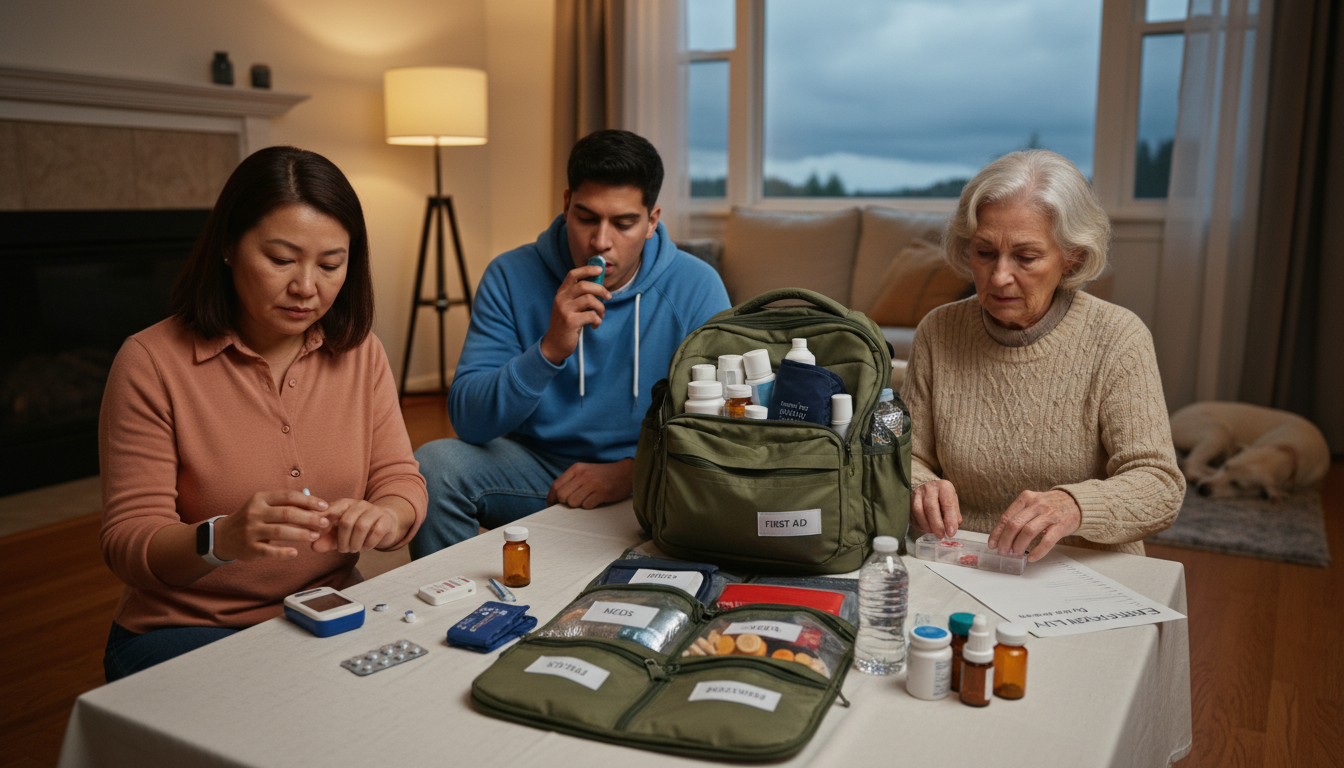
When disaster hits, life changes fast. A hurricane, a pandemic, or an earthquake can shake your community. For those with chronic conditions, these moments add extra worry.
Managing chronic illness in emergencies is tough when normal life stops. The World Health Organization says emergencies need quick action. These can be natural disasters or conflicts. Hospitals get full, pharmacies run out, and roads get blocked.
People with long-term conditions face special challenges. Diabetes needs daily insulin, heart disease needs blood pressure meds, and asthma needs inhalers. Cancer treatment can’t wait. The Oxford COVID-19 Evidence Service says these patients are hit hard by emergencies.
But there’s good news. You can prepare for emergencies with chronic conditions. Doctors and health experts have strategies to keep you safe. This article will guide you on how to protect your health during emergencies.
Living with a chronic illness in emergencies requires planning and knowledge. The CDC and WHO provide trusted information. Your health and safety are important. With the right preparation, you can face emergencies with confidence.
Table of Contents
Understanding the Vulnerability of Chronic Conditions During Crises
People with chronic illnesses face big challenges when emergencies happen. These long-term health issues make them dependent on many things that can fail in emergencies. Knowing why chronic patients are more at risk helps you prepare better and understand what an emergency action plan chronic patients needs to cover.
Research shows emergencies cause many problems at once. Healthcare resources move to crisis response. Medication supply chains break. It gets hard to get around. Stress goes up. Food changes. These problems make it tough for people with ongoing health issues to recover.
Why People with Long-Term Conditions Face Greater Risks
Chronic illnesses need constant care. Your body needs regular medicines, equipment, and doctor visits. When emergencies happen, getting these things is hard. Unlike healthy people, those with diabetes, heart disease, or breathing problems can’t just stop their treatment.
Three main vulnerabilities exist for chronic patients:
- Dependence on prescription medicines that need steady supply chains
- Need for special medical equipment and electricity to work
- Need for ongoing professional healthcare monitoring and adjustments
When any of these fails, health can quickly get worse. A person with diabetes can’t live without insulin. Someone using oxygen can’t breathe without power. These aren’t small problems—they’re life-threatening gaps.
The Hidden Impact Beyond Direct Emergency Effects
The danger goes beyond the immediate disaster. In the 2014 West Africa Ebola epidemic, care for other chronic conditions stopped. Hospitals focused on the outbreak. Patients missed appointments. Medications ran out. This indirect impact killed about 10,600 more people in Guinea, Liberia, and Sierra Leone—deaths caused by disrupted care for existing conditions.
A good chronic illness emergency kit must also consider these hidden impacts:
| Disruption Type | Impact on Chronic Patients | Preparation Strategy |
|---|---|---|
| Healthcare Resource Diversion | Doctors and hospitals focus on emergency response, leaving chronic patients unsupported | Build relationships with healthcare providers; maintain updated medical records |
| Medication Supply Interruption | Pharmacy networks collapse; prescriptions cannot be filled or refilled | Stock emergency supplies of all medications with healthcare provider guidance |
| Increased Stress Levels | Psychological strain worsens existing conditions like hypertension and diabetes | Develop mental health coping strategies; practice stress management techniques |
| Food Supply Changes | Special dietary needs for conditions like diabetes become impossible to maintain | Store shelf-stable food options suitable for your specific health requirements |
| Transportation Disruption | Cannot reach hospitals, pharmacies, or dialysis centers when needed | Identify alternative transportation routes; plan for mobility limitations |
Stress alone can make your condition worse. Elevated cortisol levels raise blood pressure. Anxiety makes blood sugar control harder. Sleep disruption from emergencies triggers inflammation. These secondary effects make the primary health crisis worse.
Populations Most at Risk During Disasters and Pandemics
Certain groups face more risk. Age and economic status heavily influence risk levels. People in poor areas often have more chronic conditions with fewer resources to manage them. This combination makes them very exposed during emergencies.
The highest-risk populations include:
- Older adults: Many chronic conditions are common in people over 65, with cardiovascular and respiratory diseases becoming unstable first
- Low-income communities: Limited access to healthcare, medications, and emergency supplies before crisis strikes
- Children with chronic illnesses: More treatment disruption and new symptom development compared to healthy children
- Technology-dependent individuals: People on dialysis, mechanical ventilation, or insulin pumps cannot survive without reliable electricity and equipment
- Immunosuppressed patients: Those with weakened immune systems face heightened risk from both primary emergencies and secondary infections
- Residents of care facilities: Limited individual autonomy and resource constraints during system failures
Creating an effective emergency action plan chronic patients means knowing which group you’re in and understanding your specific vulnerabilities. This knowledge is key to building real preparedness, not just generic disaster plans that ignore chronic illness realities.
The mix of chronic illness with emergencies creates extra risks. Your preparation must cover both the immediate disaster and the system failures that follow. Understanding these vulnerabilities is the first step toward building resilience.
How Emergencies Disrupt Chronic Disease Management
When disasters hit, people with chronic illnesses face big challenges. Their daily routine, like taking meds and going to doctor visits, gets thrown off. It’s important to know how emergencies affect them.
Disasters hurt the systems that keep chronic disease patients alive. Hospitals and clinics shut down. Pharmacies get destroyed. Roads become impassable. Phone lines go down.
The 2008 Sichuan earthquake showed how critical it is to manage meds during disasters. 38 percent of survivors needed treatment for their chronic conditions before they could get help for their earthquake injuries.
Supply chains break in many ways during emergencies:
- Local pharmacies run out of stock
- Regional distribution networks collapse
- Manufacturing plants shut down
- Transportation routes become blocked
- Refrigerated medications spoil without power
Healthcare workers also suffer. Doctors and nurses get injured or displaced. Those who stay focus on emergency cases. Routine care for chronic diseases is ignored.
Living conditions worsen, making it hard to control diseases. Clean water disappears. Food becomes scarce. People can’t follow special diets.
Stress spikes. Exercise routines vanish. Medications get lost or damaged. Displaced families lack safe places to store insulin or other temperature-sensitive drugs. Access to first aid supplies and emergency medical becomes extremely limited in affected areas.
Power outages cause big problems. Dialysis machines stop working. Oxygen concentrators fail. Refrigerators keeping insulin cold shut down. Nebulizers for asthma patients become useless. These aren’t minor inconveniences—they threaten lives within hours or days.
The strength of your local health system before the emergency determines what happens after. Weak systems collapse completely. Strong systems survive better. Either way, chronic disease management gets disrupted in ways most people never anticipate.
Managing Chronic Illness in Emergencies: Essential Strategies for Continuity of Care
When emergencies hit, those with chronic conditions face big challenges. Your usual doctor visits stop. Pharmacies shut down. Supply chains break. But, you can prepare now and make plans to stay safe during crises. This section will share strategies to keep you healthy and avoid serious problems when healthcare fails.
Start by understanding what you need most and making backup plans. Whether you have diabetes, heart disease, asthma, or another long-term condition, the key is the same. Secure your meds, know your treatment order, and talk to your healthcare team about emergencies.
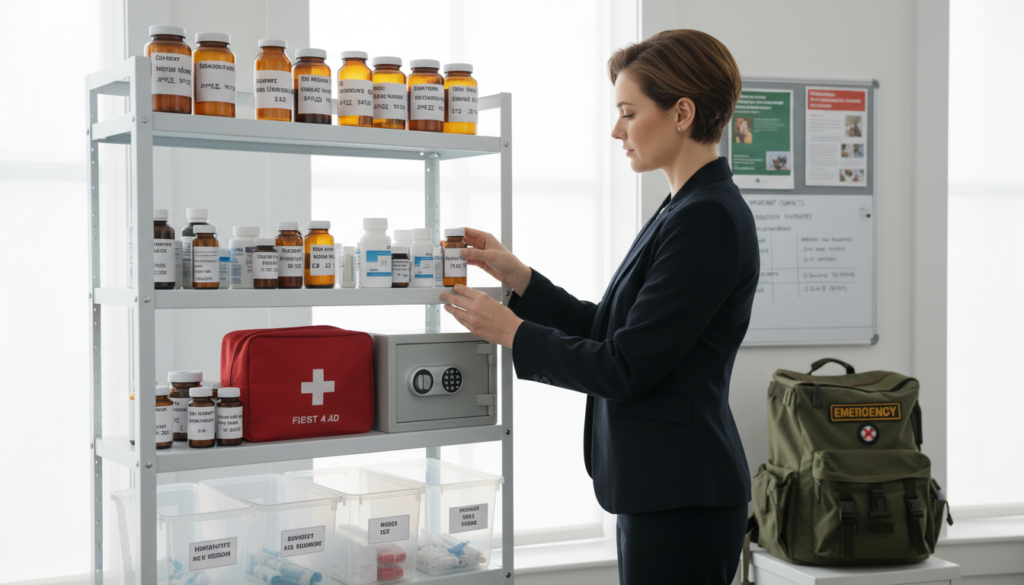
Maintaining Access to Medications and Medical Supplies
Medications are your lifeline in emergencies. Without them, your condition can quickly get worse. So, it’s important to plan ahead and not scramble later.
Work with your doctor and pharmacist to stock up on meds. Ask for a 30-day extra supply during regular refills. Keep a list of your meds, including names, dosages, and contact info. Store them right, as many need cool, dry places, and some need refrigeration.
Also, list all medical supplies you need daily. This includes things like glucose test strips, lancets, and oxygen concentrators. Note serial numbers and manufacturer contacts.
| Chronic Condition Type | Critical Supplies Needed | Emergency Access Strategy | Storage Requirements |
|---|---|---|---|
| Diabetes (Type 1 & 2) | Insulin, syringes, test strips, lancets, glucose meter | 30-day backup supply; pharmaceutical patient assistance contacts | Insulin requires refrigeration or cool packs; keep medications in insulated containers |
| Heart Failure & Hypertension | Blood pressure medications, diuretics, ACE inhibitors, beta-blockers | Written dosage schedule; pharmacy emergency protocols | Room temperature; protect from moisture |
| Respiratory Conditions (Asthma, COPD) | Inhalers, nebulizer medications, spacers, peak flow meters | Extra inhalers in multiple locations; know backup medications | Keep away from extreme heat; maintain room temperature |
| Kidney Disease (requiring dialysis) | Dialysis supplies, anticoagulants, nutritional supplements | Identify alternative dialysis centers; backup power access | Temperature-controlled; protect from contamination |
| Cancer (active treatment) | Chemotherapy medications, supportive care drugs, lab test supplies | Oncology team emergency contact; telehealth options; home care nursing | Follow specific manufacturer guidelines; many require special handling |
Find out which pharmacies have emergency room chronic condition protocols in place. Many big pharmacy chains have disaster plans for emergency refills. Talk to your pharmacist about their emergency plans. Get contact info for at least two backup pharmacies, one close and one farther away.
Also, connect with pharmaceutical patient assistance programs. Companies like Novo Nordisk, Pfizer, and Merck offer emergency medication access during disasters. Register on their websites before a crisis. Keep printed copies in your emergency kit.
Adapting Treatment Plans When Healthcare Resources Are Limited
Emergencies can make your usual treatment routine impossible. Hospitals are full. Clinics are closed. Your specialist is unreachable. Having a plan helps you stay calm and make smart choices.
Talk to your healthcare provider about emergency scenarios specific to your condition. Ask these key questions:
- Which treatments are absolutely essential to maintain, and which could be temporarily modified?
- What warning signs demand immediate emergency care versus symptoms I can manage at home?
- Can we create a written emergency plan I can follow if I cannot reach you?
- Do you offer telehealth visits, and how would that work during disasters?
- What changes to my medication doses might be safe if my normal medications become unavailable?
Understanding emergency room chronic condition protocols helps you know what to expect in emergencies. Know when to go to the ER and when to wait. For example, a diabetic with high blood sugar might wait a bit, but chest pain needs immediate care.
Telehealth is key when clinics close. Ask your doctor if they offer virtual visits. Some insurance covers telehealth more during disasters. Keep phone numbers and login info in your emergency kit. Texting can work when calling fails.
Learn to recognize signs that mean you need immediate help. For diabetes, look out for severe dehydration, fruity breath, or confusion. For heart disease, watch for chest pain, severe shortness of breath, or fainting. For respiratory issues, lips turning blue or trouble speaking between breaths means you need emergency care.
Make a simple decision tree with your healthcare team. This tool helps you know what to do when usual routines fail. Share it with family and keep a copy in your emergency kit. Write it in simple language that’s easy for anyone to understand.
Preparing for emergencies means you’re ready before they happen. Stock up on meds, document your supplies, know your emergency plans, and talk to your healthcare team. When emergencies come, you’ll have solid plans to keep you safe and avoid unnecessary suffering.
Condition-Specific Emergency Preparedness and Response
Different chronic conditions need different emergency plans. General preparedness helps everyone, but those with specific health issues need special guidance. This section offers practical steps for managing diabetes, heart disease, and cancer during emergencies.
These steps help you stay safe when healthcare resources are hard to get.
Diabetes Management When Power and Refrigeration Fail
Insulin-dependent diabetics face big challenges during power outages. Managing diabetes is critical when refrigeration fails. The CDC says insulin stored above 86°F loses effectiveness, yet freezing it causes permanent damage.
Keep insulin cool using these methods:
- Place insulin in a cool, dark location away from direct sunlight
- Use clay pots wrapped in wet towels to create evaporative cooling
- Store insulin in the coolest part of your home, typically a basement
- Never freeze insulin, as this breaks down the medication
- Check insulin appearance daily for cloudiness or particles that signal damage
Research after earthquakes in Turkey and Japan showed HbA1c levels increased significantly after disasters. Diet changes became the biggest challenge for patients. When your regular foods aren’t available, work with what you have.
Monitor your blood sugar more frequently during emergencies—testing every two to four hours helps you catch problems early.
Recognize low blood sugar symptoms: shakiness, sweating, rapid heartbeat, confusion, and irritability. Carry fast-acting glucose sources. Watch for high blood sugar signs: excessive thirst, frequent urination, and fatigue.
Stay calm and manage your emotions, as stress affects glucose levels significantly.
Cardiovascular Disease and Recognizing Life-Threatening Symptoms
Heart disease crisis planning requires knowing warning signs. Disaster stress increases heart attack risk dramatically. After Hurricane Katrina, acute myocardial infarction cases tripled.
Recognize these heart attack symptoms:
| Symptom Type | What to Watch For | Who Experiences It |
|---|---|---|
| Chest Discomfort | Pressure, squeezing, or pain in the center of the chest | All people |
| Upper Body Pain | Arms, shoulders, jaw, neck, or back pain | All people |
| Shortness of Breath | Difficulty breathing with or without chest pain | All people |
| Weakness or Fatigue | Unusual tiredness, dizziness, lightheadedness | Women specially |
| Nausea or Vomiting | Stomach discomfort or vomiting sensation | Women specially |
Use the F.A.S.T. protocol to recognize stroke:
- Face: Check for facial drooping on one side
- Arm: Notice if one arm drifts downward
- Speech: Listen for slurred or difficult speech
- Time: Call 911 immediately if any signs appear
During emergencies, take stress seriously. Keep your heart medications accessible and maintain doses without interruption. Plan ahead for rapid emergency response, even if normal services are disrupted.
Stress management techniques like deep breathing can help protect your heart during crisis situations.
Cancer Care Continuity During Healthcare System Disruptions
Chemotherapy patients have weakened immune systems and face higher infection risks during emergencies. Contaminated food, unsafe water, injuries, and mold exposure pose serious dangers. Your best defense is hand hygiene.
Wash hands frequently with soap and clean water, specially before eating and after bathroom use.
Contact your doctor immediately if you develop:
- Fever or chills
- Night sweats
- Sore throat or difficulty swallowing
- New pain or achiness
- Congestion or cough
- Vomiting or diarrhea
These signs suggest infection requiring urgent treatment. Maintain chemotherapy schedules when possible. If treatment delays become necessary, understand they’re safe under medical guidance.
Keep all medications in a cool, safe place. Avoid areas with standing water, dust, and debris that harbor infection sources. Eat only safely prepared foods and drink bottled or boiled water when public supplies are questionable.
Cancer patients managing health during disasters benefit from clear communication with their medical team. Keep emergency contact information readily available. Plan ahead with your oncologist about what to do if your regular treatment center closes or becomes inaccessible.
Building Resilience Through Preparedness Planning
Having a solid emergency plan is key when crises hit. People who prepare feel less stressed and more confident. It’s not hard to start. Just take it one step at a time to create a plan that fits your needs.
Studies from Oxford and health groups show what works. Strong support comes from partnerships and education. Clear plans and contacts help you get help when you need it.
Assembling Your Chronic Illness Emergency Kit
Your emergency kit is your safety net. Start with a 30-day supply of medications in their original bottles. Work with your doctor to get extra prescriptions. Include written copies of your medication information.
Your kit should also have:
- Medical equipment specific to your condition—glucose meters, blood pressure monitors, inhalers, or oxygen supplies
- Test strips, lancets, syringes, and other disposable supplies
- Copies of recent medical records and test results
- Insurance cards and identification documents
- Medical alert identification stating your conditions
- Contact information for all healthcare providers
Creating Your Emergency Communication Strategy
Know how to reach your doctors when lines are down. Choose family or friends for support. Register with local emergency services if needed.
Plan for medication refills and appointments if you need to leave. Find nearby pharmacies and their emergency plans. Keep this information in safe places.
Strengthening Community Connections
Get to know community resources before emergencies. Find emergency shelters and if they meet your needs. Contact groups like the American Diabetes Association for help.
Build relationships with neighbors for support. Share your medical needs with them. Know what your local health department offers during disasters.
Maintaining and Reviewing Your Plan
Preparedness is ongoing. Check and update your supplies regularly. Practice your plan with family. Stay updated on community resources.
| Planning Element | Action Items | Review Schedule |
|---|---|---|
| Medication Supply | Maintain 30-day emergency supply in original bottles with labels | Every 3 months |
| Medical Equipment | Check functionality and replace expired supplies | Every 6 months |
| Contact Information | Update doctor, pharmacy, and emergency contact details | When changes occur |
| Medical Records | Keep copies of recent test results and prescriptions | Annually or after appointments |
| Communication Plan | Practice reaching designated contacts and confirm their readiness | Every 6 months |
Creating an emergency plan is about empowerment, not fear. By taking these steps, you protect your health. Preparedness is important for everyone, in their own way.
Conclusion
Managing chronic illness in emergencies is tough, but doable with the right prep. People with long-term conditions face big dangers during disasters. Power outages can mess with insulin storage, and hospital closures can delay treatments.
Medication shortages can make heart disease worse. These are serious issues. But, you can take steps now to keep your health safe.
Start by understanding your health situation. Know which conditions are most risky. Learn how emergencies can affect your care plan.
Build strong ties with your healthcare team before a crisis. Keep your meds safe and have an updated supply. Make a written emergency plan that includes your medical needs.
With prep, managing chronic illness in emergencies gets easier. Your doctor can help make a plan that fits your health.
Preparation is ongoing. Your health and plans must evolve. Review your plans yearly. Update your medication lists and keep your emergency kit ready.
Reach out to your healthcare provider and local groups for support. Your family and friends can also help. You’re not alone in this.
We can’t stop emergencies, but we can be ready for them. Managing chronic illness in emergencies needs planning, knowledge, and support. Start today by talking to your doctor and building your medication supply.
Gather important medical info in one place. The effort you put in now will give you peace of mind. You have the power to stay well, even when challenges come.
FAQ
Why are people with chronic illnesses more vulnerable during emergencies and disasters?
People with chronic conditions need ongoing care and specific medications to stay healthy. During emergencies, this care can be disrupted. Hospitals may be damaged, and pharmacies closed. This can lead to serious health issues.
Unlike acute injuries, managing chronic conditions is often overlooked during emergencies. Yet, not treating these conditions can be just as dangerous. The Sichuan earthquake showed that managing chronic conditions is critical before addressing disaster-related injuries.
What indirect impacts do emergencies have on chronic illness management beyond the immediate disaster?
Emergencies have many indirect effects on chronic illness management. Healthcare resources are diverted to emergency response. This can lead to a shortage of medications and disrupt medical equipment.
Power outages can spoil refrigerated medications like insulin. Transportation disruptions make it hard to access healthcare. Stress from the disaster can also worsen chronic conditions.
During the Ebola epidemic, many deaths were due to lack of chronic disease care. This highlights the indirect harm emergencies can cause to people with long-term conditions.
Which populations face the greatest risks during emergencies when managing chronic illnesses?
Older adults, those in economically disadvantaged areas, and children with chronic illnesses are at high risk. Technology-dependent individuals, immunosuppressed patients, and residents of chronic care facilities also face increased vulnerability.
Understanding your risk level helps you prepare better. Having extra support systems in place is essential.
How do power outages threaten people with chronic conditions?
Power outages pose multiple threats. Refrigerated medications like insulin become unsafe within hours. Medical equipment, such as dialysis machines, stops working.
Backup power systems may be unavailable. Food storage fails, affecting those with dietary restrictions. Simple tasks like checking blood sugar become impossible without electricity.
Having plans for power loss is critical for emergency preparedness.
What should I include in my chronic illness emergency medication supply?
Work with your doctor to build a 30-day emergency medication supply. Request extra prescriptions and ask about emergency supplies. Your kit should include all regular medications and backup supplies.
Create a list of medications with dosages and contact information. Store medications correctly and keep copies of prescriptions. Connect with pharmaceutical company patient assistance programs for help during disasters.
How can I keep insulin safe without refrigeration during power outages?
Use clay pot cooling or wet towel wrapping to keep insulin safe. Store it in a cool place like a basement. Insulin remains safe at temperatures between 50°F and 86°F for a short time.
Keep insulin away from direct sunlight and heat sources. Check for signs of compromised insulin. If using compromised insulin, monitor your blood sugar closely.
What are the critical warning signs of a heart attack or stroke that I should recognize during an emergency?
Use the F.A.S.T. protocol for stroke recognition: Face drooping, Arm weakness, Speech difficulty, and Time to call 911. For heart attacks, watch for chest pain, shortness of breath, and cold sweats.
Stress from disasters increases cardiovascular risk. Don’t assume chest discomfort is just anxiety. Call 911 for any concerning symptoms. Know that emergency rooms prioritize life-threatening conditions.
How should I manage my blood pressure and heart medications if I become displaced during a disaster?
Never stop blood pressure or heart medications abruptly. Carry at least a 30-day supply in your emergency kit. Keep a written list of all cardiac medications with dosages and your cardiologist’s contact information.
Inform shelter staff about your medications if you’re displaced. Contact your pharmacy for emergency refills. If you run out of medications, contact your doctor’s office or hospital emergency department for assistance.
What are the most important infection prevention strategies for immunosuppressed individuals during emergencies?
Hand hygiene is critical for immunosuppressed individuals. Wash hands frequently or use hand sanitizer. Safe food and water practices are also essential.
Avoid injury and recognize early signs of infection. Maintain chemotherapy schedules when possible. Discuss contingency plans with your cancer care team before emergencies occur.
How do I create an effective emergency action plan for managing my specific chronic condition?
Schedule a conversation with your healthcare provider about emergency planning. They can help identify your specific vulnerabilities and create condition-specific contingency protocols.
Assemble a chronic illness emergency kit with at least a 30-day supply of medications. Include medical equipment and supplies, copies of your medical records, and emergency contact information. Create a written emergency communication plan and register with local emergency services if necessary.
How often should I update my emergency preparedness plan for chronic illness?
Review and update your plan at least twice yearly. Update whenever your medications change or your medical condition evolves. Review your 30-day emergency medication supply to ensure medications haven’t expired.
Update emergency contact information if your healthcare providers change. Practice your emergency plan with family members. Stay informed about community emergency resources and shelter locations in case you need them.
What should I do if I need an emergency medication refill but my pharmacy is closed or inaccessible during a disaster?
Contact your prescribing physician first for emergency refills. If you cannot reach your regular physician, contact the hospital emergency department or urgent care center nearest to your location. Call your pharmacy’s disaster hotline if available.
Contact your pharmaceutical company’s patient assistance program for help. If you’re in a shelter, inform shelter management about your medication needs. Never attempt to skip doses or reduce doses without medical guidance.
How can I recognize when my chronic condition is becoming dangerous during an emergency and needs immediate medical attention?
Know your condition-specific warning signs that require immediate emergency care. For diabetes, severe hyperglycemia or hypoglycemia are signs. For cardiovascular disease, chest pain, severe shortness of breath, fainting, or stroke symptoms are warning signs.
Establish clear communication protocols with your healthcare provider before emergencies. Recognize that stress and disrupted routines worsen many chronic conditions. Trust your instincts—if something feels seriously wrong with your health, seek emergency care.
Can I use telemedicine or remote monitoring for my chronic illness management during emergencies?
Yes, telemedicine becomes valuable during emergencies when in-person visits are impossible. Ask your healthcare provider if they offer telemedicine appointments. Use it for routine monitoring and medication adjustments.
Have backup plans for communication. Discuss with your healthcare team which aspects of your care can be safely managed remotely. Keep detailed records of any remote consultations and recommendations for your own reference.
What should I include in my emergency kit beyond medications and medical supplies?
Include copies of important documents: your complete medical records, medication lists with prescriptions, insurance information, identification documents, and proof of prescription coverage. Include emergency contact information: your doctor’s phone and fax numbers, cardiologist or specialist contact information, pharmacy contact details, hospital location nearest to you, and family members’ contact information.
Include medical alert identification: a wearable medical alert bracelet or necklace indicating your chronic conditions and emergency contacts, or wallet cards listing your conditions and current medications. Include supplies specific to your condition and general emergency supplies. Store everything in a waterproof, clearly labeled container that’s easily portable if you need to evacuate.
How do I talk to my insurance company about getting an emergency medication supply?
Contact your insurance company directly and explain that you want to build an emergency supply for disaster preparedness. Ask if they allow “early refills” of maintenance medications if you’re facing an emergency situation. Provide a letter from your healthcare provider explaining the medical necessity of maintaining an emergency supply given your chronic condition.
Ask about their specific policies regarding emergency medication access during declared disasters. Understand your plan’s coverage for both brand-name and generic medications. Be persistent—if the first representative says no, ask to speak with a supervisor or a specialist in their medication access department. Document all conversations including the date, representative’s name, and what was discussed for your records.
What is the best way to store medications safely with attention to temperature and other requirements?
Read the storage requirements for each of your medications carefully. Store medications in a cool, dry place away from direct sunlight, light, heat sources, and humidity. Keep medications in their original containers with labels intact.
For medications requiring refrigeration like insulin, store in the main part of the refrigerator. Never store medications in freezers. Check expiration dates on all medications in your emergency kit every six months and replace expired medications. For insulin, write the date you opened the bottle on the label.
How should I prioritize which chronic illness treatments are essential versus those that can be temporarily modified during emergencies?
Work with your healthcare provider before emergencies occur to create a clear priority list. Life-sustaining medications and treatments should never be modified. Insulin for diabetics, blood pressure medications for hypertensive individuals, heart medications for cardiac patients, and rescue inhalers for those with asthma or COPD are non-negotiable.
Preventive medications like statins for cholesterol or aspirin for cardiovascular prevention could potentially be temporarily paused. Discuss this with your healthcare provider before emergencies occur.