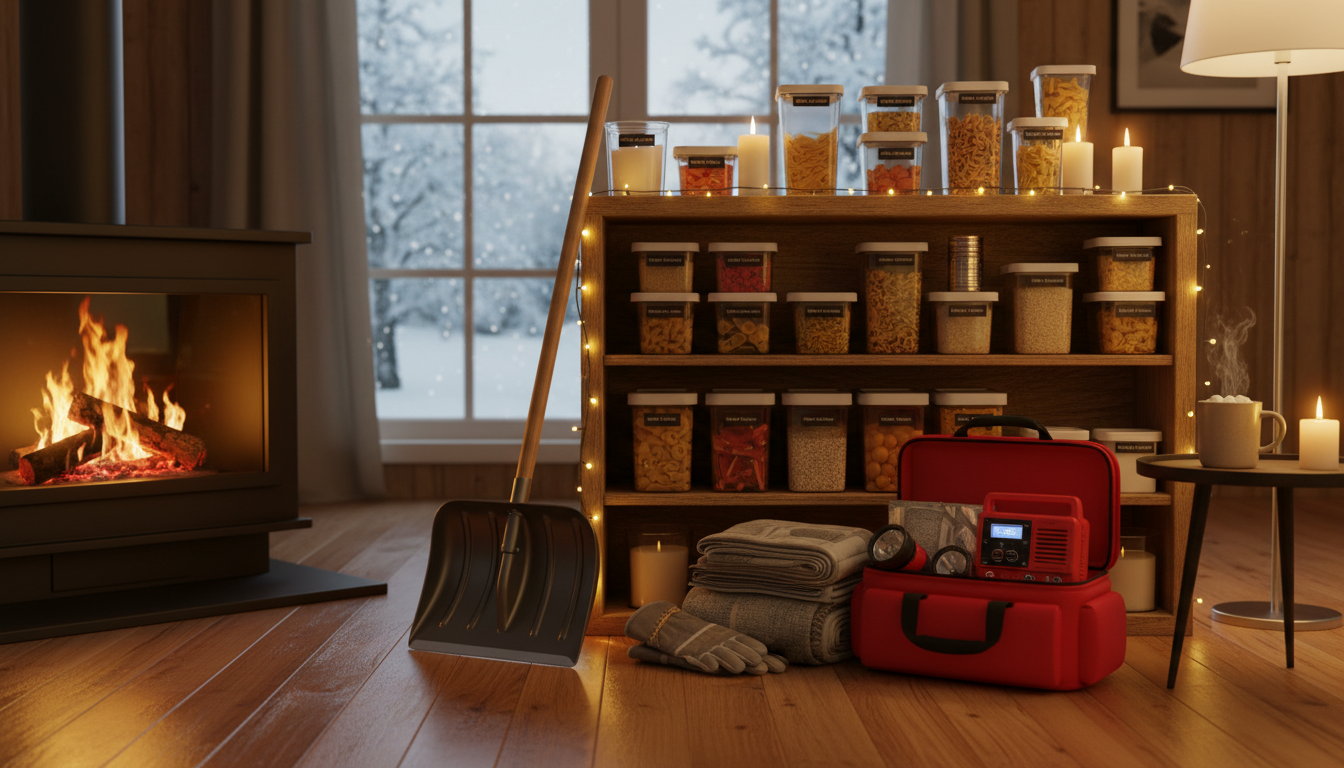
Being ready for emergencies is very important. Using an emergency checklist helps you get ready ahead of time. As a prepper, staying organized is key. It makes sure you do important tasks and stay strong during disasters.
Prepping checklist best practices keep you on track. They make sure you don’t miss any important steps. By using a checklist, preppers can be ready and respond well in emergencies.
Key Takeaways
- Emergency preparedness checklists guide preparations for various emergency scenarios.
- Preppers can stay organized by following prepping checklist best practices.
- A well-structured checklist ensures that essential tasks are completed.
- Preppers remain self-reliant during disasters by staying organized.
- Checklists help maintain a high level of readiness.
Table of Contents
The Critical Role of Checklists in Prepping
Preppers use checklists to keep their plans in order. They face emergencies with confidence. Checklists are key, making sure no important item or task is missed.
Checklists help simplify complex tasks. They break down preparations into easy steps. This makes it simpler for preppers to stay on track.
This method is vital in emergency situations. The difference between safety and disaster can be very small.
Why Organization Matters in Emergency Preparedness
Organization is essential in emergency preparedness. A well-organized prepper can handle emergencies better. They can make a big difference.
Effective organization helps preppers:
- Find supplies and equipment fast
- Act quickly in emergencies
- Make smart decisions with what they have
How Checklists Prevent Critical Oversights
Checklists prevent oversights by making sure everything is done. They help preppers avoid forgetting important steps. This is critical in emergencies.
Customized checklists are even better. They fit the prepper’s specific needs and risks. This makes their preparations more effective.
Types of Essential Prepper Checklists
To be ready for emergencies, preppers need different checklists. These lists help organize tasks, supplies, and skills for survival. They make sure preppers cover all bases in emergency planning.
Bug-Out Bag Checklists
A Bug-Out Bag (BOB) checklist is key for quick evacuations. It includes food, water, first aid, and ways to communicate. A detailed emergency checklist helps make a BOB.

Home Emergency Supply Checklists
Home emergency checklists focus on keeping a household ready. They list non-perishable food, water, meds, and tools. It’s important to prioritize these items for self-sufficiency.
Evacuation Plan Checklists
Evacuation plan checklists are essential for a clear escape plan. They include emergency numbers, safe spots, and travel options. Identifying and practicing evacuation routes is part of the plan.
Skill Development and Training Checklists
Skill checklists help preppers learn survival skills like first aid and food preservation. Regular practice makes preppers skilled in these areas. This boosts their emergency response.
Using these checklists, preppers can better prepare for emergencies. They become more effective in handling different crisis situations.
How to Use Checklists to Stay Organized as a Prepper
Being a good prepper is more than just having supplies. It’s about being organized. Checklists help preppers get ready for different situations without feeling stressed.
Creating a Checklist System That Works
To make a good checklist system, first figure out what you want to achieve. Think about the emergencies you might face and what you’ll need. Organize your checklists into categories, like food, water, first aid, and communication.
- Identify essential supplies and equipment
- Create checklists for different emergency scenarios
- Tailor your checklists to your specific needs and circumstances
Prioritizing Items and Tasks
Not all tasks are the same. Prioritize items and tasks based on urgency and importance. Start with the most critical things, like food and water.
- Assess the urgency of each task
- Evaluate the importance of each item on your checklist
- Allocate resources wisely
Implementing Regular Review Cycles
Checklists need to be updated regularly. Schedule periodic reviews to keep them useful and up-to-date.
Testing Your Checklists in Practice
To see if your checklists work, test them out. Do drills and exercises to find any weak spots. Use the insights gained to refine your checklists and get better at being prepared.
By following these steps, preppers can stay organized and ready for emergencies. This makes them more effective at handling any situation.
Digital vs. Physical Checklist Options
Preppers often wonder if digital or physical checklists are better for emergency prep. Each has its own good points and bad points. The right choice depends on what you need and like.
Advantages of Paper-Based Systems
Paper checklists have big pluses, like no need for batteries or internet. They’re easy to share or hand over without needing special devices. Many find writing things down helps them remember better.
Benefits of Digital Checklist Tools
Digital checklists are super handy, easy to get to, and simple to update. You can use them on many devices and change them fast. They also have cool features like reminders and team work. For example, using Notion, as talked about in this blog post, can really help you stay organized.
Hybrid Approaches for Maximum Resilience
Using both digital and paper checklists is a smart idea. It gives you a backup in case one fails. For instance, keep a digital list on your phone and a paper one in your bug-out bag.
| Feature | Paper-Based | Digital |
|---|---|---|
| Accessibility | No device required | Accessible on multiple devices |
| Updates | Manual, can be time-consuming | Easy, quick updates |
| Backup | Physical damage or loss | Digital backups, cloud storage |

Checklist Best Practices for Different Emergency Scenarios
Checklist best practices change with each emergency scenario. Each emergency needs a special plan for the best preparedness.
Natural Disaster Preparation Checklists
For natural disasters like hurricanes, earthquakes, or floods, you need a checklist. It should list emergency supplies, evacuation routes, and safe zones. Don’t forget to think about the needs of your family, like babies, pets, or people with disabilities.
- Emergency supplies (water, non-perishable food, first aid kit)
- Evacuation routes and safe zones
- Special needs considerations
Extended Power Outage Checklists
When there’s a long power outage, you need the right stuff and plans. Your checklist should include lights, generators, and ways to talk to others.
| Equipment | Purpose |
|---|---|
| Flashlights, lanterns | Alternative lighting |
| Backup power generators | Power for essential devices |
| Two-way radios | Communication |
Medical Emergency Checklists
Medical emergency checklists are key for preppers. They should list first aid kits, medicines, and who to call in an emergency. It’s also important to have a plan for getting medical help when needed.
- First aid kits and training
- Essential medications and equipment
- Emergency contact information
Common Checklist Mistakes to Avoid
Many preppers make mistakes with their checklists. They might not update them often or forget about everyone’s needs. To be well-prepared, check and update your lists often. Make sure they fit your family’s needs.
Key Takeaways:
- Regularly review and update checklists
- Consider the needs of all household members
- Tailor checklists to specific emergency scenarios
Maintaining and Updating Your Prepper Checklists
Keeping your prepper checklists up-to-date is a continuous task. It involves checking them seasonally, getting your family involved, and learning from past events. This makes sure your checklists stay useful and effective, even when things change.
Seasonal Review Strategies
It’s key to use seasonal review strategies to update your checklists. Start each season by reviewing your supplies and plans. This helps you prepare for weather changes, natural disasters, and other seasonal issues. For example, before winter, check your heating and cold-weather gear.
You can use a detailed emergency preparedness checklist to help with your seasonal reviews.
| Season | Key Review Areas |
|---|---|
| Spring | Flood preparations, gardening supplies, allergy medications |
| Summer | Heat protection, fire prevention, outdoor gear |
| Autumn | Storm preparations, food storage, cold weather gear |
| Winter | Cold weather survival kits, heating supplies, snow removal equipment |
Family Involvement in Checklist Management
Getting your family involved in checklist management is a smart move. It spreads out the work and makes sure everyone knows the plans. Hold family meetings to go over the checklists together.
This keeps everyone in sync and helps you get feedback from your family.
Adapting Checklists Based on Experience
After any emergency or drill, update your checklists based on what you learned. Figure out what worked and what didn’t. Then, make the needed changes to your checklists.
If your communication plan didn’t work during a drill, update it. Make sure your checklist is always ready for the next challenge.
Conclusion
Staying organized is key for preppers to handle emergencies well. Using checklists helps preppers get ready for different situations. The secret to good prepping is using prepper organization tips to make things easier.
It’s important to make and keep checklists up to date. Following prepping checklist best practices ensures your supplies and plans work well. Testing and updating checklists helps preppers get better at their plans.
Knowing how to use checklists is vital for being ready for emergencies. Adding checklists to your prepping routine makes you stronger and more ready for surprises. Being organized and ready helps preppers feel confident when emergencies come.
FAQ
What is the most important type of checklist for a prepper to have?
The most important checklist for a prepper is one that fits their needs. This includes a bug-out bag checklist or a home emergency supply checklist.
How often should I review and update my prepper checklists?
Review and update your checklists seasonally or at least twice a year. This keeps them relevant and effective.
Should I use digital or physical checklists for prepping?
Both digital and physical checklists have benefits. A mix of both can be best. Digital ones are easy to update and access. Physical ones work well without power.
How can I prioritize items and tasks on my prepper checklists?
Prioritize by thinking about the likelihood and impact of emergencies. Focus on the most critical tasks and items first.
What are some common checklist mistakes to avoid in prepping?
Avoid not tailoring checklists to your needs and not updating them. Also, don’t forget to test them in practice.
How can I involve my family in checklist management?
Assign tasks to each family member. Make sure everyone knows the importance of prepping and their role in it.
What are some best practices for creating effective prepper checklists?
Be specific and detailed. Prioritize tasks and items. Regularly review and update your checklists.
Can I use pre-made checklists, or should I create my own?
Pre-made checklists are a good start. But, it’s best to make your own. Tailor them to your specific needs and scenarios.