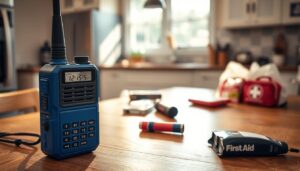
Having the right survival gear is key in emergencies. It’s not just about having it. You must make sure it works and is ready to use. Many think their gear will work in a crisis, but without testing, it might not.
Testing your emergency gear before a crisis is essential. It ensures it works when you need it. Start by practicing emergency scenarios. Check if your shelter, water, and communication devices are ready.
Key Takeaways
- Establish a systematic testing protocol for your survival gear.
- Evaluate specific equipment like shelter, water procurement, and communication devices.
- Practice emergency scenarios to test gear readiness.
- Assess packing efficiency and refine gear selection.
- Consider escape planning and family coordination.
Table of Contents
The Critical Importance of Testing Survival Gear
It’s key to make sure survival gear works right. This is done by testing it well. Just having the right gear isn’t enough. You must test it to know it will work when you need it.
Why Untested Gear Can Fail When You Need It Most
Untested gear can fail badly in emergencies, risking lives. For example, a water filter that hasn’t been tested might not clean water. This could cause sickness. Also, a first-aid kit that’s not ready or has old items won’t help in medical crises.
Key risks of untested gear include:
- Equipment failure during critical situations
- Increased risk of injury or illness due to faulty gear
- Potential for gear to be unusable, rendering it ineffective
Real-Life Consequences of Equipment Failure
Equipment failure can be very serious and even deadly. Many stories tell of people in bad spots because of broken gear. For instance, a hiker with a broken GPS might get lost. Or, a camper with a bad tent might face harsh weather.
Knowing how important it is to test survival gear can save lives. By testing gear, people can greatly improve their chances of staying safe in emergencies.
Establishing a Systematic Testing Protocol
Before an emergency happens, it’s key to test your survival gear. This means following a few steps to make sure it works when you need it. It’s all about being ready.
Creating a Detailed Inventory
First, make a list of all your survival gear. Note each item, its condition, and any important details. This list helps you see what you need and what you don’t.
Organize your gear into groups like shelter, water, food, and first aid. This makes it easier to check and update your supplies.
| Category | Item | Condition |
|---|---|---|
| Shelter | Tent | Good |
| Water | Filter | Functional |
| Food | MREs | Expired |
| First Aid | Medical Kit | Up-to-date |
Setting Up Regular Testing Schedules
Testing your gear regularly is important. Plan to test it every 6 months. This lets you check if it’s working right and if it’s time to replace anything.
For tips on testing survival gear, check out this 30-day emergency supply test.
Documenting Test Results and Improvements
After testing, write down what you find. Note any problems, what needs fixing, and any repairs. This helps you keep track of your gear’s performance.
By testing and documenting your gear, you get better at being ready for emergencies. This makes you feel more confident in facing any situation.
How to Test Survival Gear Before an Emergency: Core Principles
Survival gear must be tested before an emergency. This means simulating tough environments and stressful situations. It’s like practicing for a real survival scenario.
Simulating Realistic Emergency Conditions
Testing gear in real emergency-like conditions is key. This includes testing in different environments.
Testing in Darkness and Limited Visibility
Testing in dark or limited visibility spots issues with gear. For example, using a flashlight in the dark shows if it works well.
Testing with Cold or Wet Hands
Many survival tasks need dexterity, even with cold or wet hands. Testing gear in these conditions shows design or function flaws.
Testing Under Stress and Time Constraints
Survival situations are stressful and need quick action. Testing gear under stress ensures it works well, even when it matters most.
Involving Family Members in Testing Procedures
It’s important to involve all family members in testing. This ensures everyone knows how to use the gear. It also spots any user or training issues.
| Testing Condition | Gear Type | Key Considerations |
|---|---|---|
| Darkness/Limited Visibility | Illumination Equipment | Brightness, Battery Life, Ease of Use |
| Cold/Wet Conditions | Multi-tools, Fire Starters | Dexterity, Functionality, Water Resistance |
| Stress/Time Constraints | All Survival Gear | Ease of Use, Speed of Deployment, Reliability |

By following these core principles, you can thoroughly test your survival gear. This ensures it’s reliable and effective when you need it most.
Testing Shelter and Clothing Equipment
It’s key to test shelter and clothing gear to see if they can handle tough weather. These items are vital for survival. They keep you safe from the elements and help keep you warm.
Tents, Tarps, and Emergency Shelters
Tents, tarps, and emergency shelters keep you safe from wind, rain, and cold. You need to check if they can stand up to bad weather.
Wind and Rain Resistance Testing
To test how well they handle wind and rain, set up the shelter in a place that feels like bad weather. Look for leaks and make sure it’s strong. Use a fan for wind and a hose for rain.
Setup Time in Adverse Conditions
Practice setting up your shelter in different weather to see if you can do it fast. Time how long it takes to get it set up. This helps you know what to work on.
Weather-Appropriate Clothing Systems
Having the right clothes is important for staying warm and comfy. Test your clothes in different weather to make sure they work well.
- Check how well your clothes keep you warm.
- See if they keep you dry and protect from wind.
- Make sure they’re durable and comfy to wear.
Sleep Systems and Insulation Performance
Sleep systems, like sleeping bags and pads, help keep you warm when you’re resting. Test them in cold weather to see how well they insulate.
- Use a thermometer to see how warm it is inside the sleeping bag.
- Check if the sleeping pad is comfy and keeps you warm.
- See how well the whole sleep system works in cold and wet weather.
By testing shelter and clothing gear well, you can be ready for many survival situations.
Water Procurement and Purification Testing
In emergencies, getting safe drinking water is key. That’s why testing water systems is vital. Clean water is essential for survival, and bad equipment can harm or kill you.
To make sure your water gear works, test it in different ways. This means checking each part of your water system.
Evaluating Filtration Systems and Flow Rates
Testing filters is important. They must remove most contaminants and have good flow rates. A top filter should get rid of 99.99% of harmful stuff.
To check flow rates, time how long it takes to filter water. Use a stopwatch to see if it meets the maker’s claims. Also, watch for any drop in flow after filtering dirty water. This could mean the filter is clogged or not working well.
Key factors to consider when evaluating filtration systems include:
- Filter pore size
- Flow rate under various water pressures
- Ability to remove different types of contaminants
Testing Chemical Purification Methods for Effectiveness
Chemical methods, like chlorine or iodine tablets, are also key. To test them, use them to clean dirty water and then check for bacteria or viruses. Always check the expiration dates and store these chemicals right to keep them strong.
Steps to test chemical purification methods:
- Prepare contaminated water samples
- Apply the chemical purification method according to the manufacturer’s instructions
- Test the purified water for contaminants
Assessing Water Storage Containers for Leaks and Durability
Water containers are as important as purification methods. To test them, fill them with water and look for leaks. Check them on different surfaces and when hit lightly. Durability can be tested by exposing them to extreme temperatures and UV light.

- Material durability
- Resistance to leaks and cracks
- Capacity and portability
Food and Cooking Equipment Evaluation
Evaluating food and cooking equipment is key in emergency prep. Having good gear can help you survive longer.
Testing Emergency Rations and MREs for Palatability
It’s important to test emergency rations and MREs for taste. Prepare them as the maker says and have people taste them without knowing. Ask for their honest thoughts on taste, texture, and how they like it.
This helps find rations that are both healthy and easy to eat for a long time.
Verifying Cooking Systems in Different Weather Conditions
Cooking systems need to be tested in all kinds of weather. This means checking them in rain, snow, wind, and cold. A portable stove should work well in the wind with the right shield.
Cooking with the sun should also be tested under different sun levels. It’s key to make sure your cooking gear works in tough weather.
Assessing Food Storage Solutions for Pest Resistance
Food storage needs to keep pests out to keep food safe. Test containers or bags against pests like rodents and insects. Look at how well they last, how tight they seal, and their design.
A good storage solution keeps pests away, keeping your emergency food safe and clean.
| Food Storage Solution | Pest Resistance | Durability |
|---|---|---|
| Mylar Bags | High | Excellent |
| Plastic Containers | Medium | Good |
| Canvas Bags | Low | Fair |
By carefully checking food and cooking gear, you make sure your survival kit works well. This boosts your chances of making it through emergencies.
Testing Tools, Fire Starting, and Illumination Equipment
It’s key to test your survival tools, fire starters, and lights well. These are vital for many tasks in a disaster. They help with cutting, starting fires, and signaling for help.
Evaluating Multi-tools and Fixed Blade Knives
Multi-tools and knives are very useful. Test them by cutting, opening cans, and tightening things. Look for any wear or damage that might harm their use. Practice using them under stress to get better.
Testing Fire Starters in Wet and Windy Conditions
Fire starters like lighters and ferrocerium rods need testing in tough weather. Try to start a fire in wet and windy conditions. This shows what they can do and what you might need more of.
Assessing Flashlights, Headlamps, and Battery Life
Flashlights and headlamps should be tested for brightness and battery life. Run them until the batteries are gone. See how they do in cold or hot weather if you can. Have extra batteries and think about other light options.
Medical Supplies and Communication Equipment Testing
It’s key to check your medical and communication gear often. In emergencies, these tools can save lives.
Verifying Medical Kit Contents and Expiration Dates
Look over your medical kit often. Make sure all items are not past their expiration dates. Check for any signs of damage or deterioration. Swap out any expired or damaged items right away.
Testing Radio and Emergency Communication Devices
Make sure your radio and emergency devices work right. Check the battery, signal strength, and message clarity. Practice using these devices under various conditions to get ready for emergencies.
Evaluating Navigation Tools in Limited Visibility
Navigation tools are vital in emergencies, even when it’s dark. Test your compass, GPS, and maps to see if they work well. Practice navigating with these tools in different environments to improve your skills.
| Equipment | Test Frequency | Key Checks |
|---|---|---|
| Medical Kit | Monthly | Expiration dates, stock levels |
| Communication Devices | Weekly | Battery life, signal strength |
| Navigation Tools | Quarterly | Accuracy, battery life |
Regularly test your medical and communication gear. This way, they’ll be ready when you need them most.
Conclusion: Ensuring Your Survival Gear Is Ready When Needed
Testing your survival gear before an emergency is key. It makes sure it works and is ready to use. By following the tips in this article on survival kit maintenance, you can check if your gear is reliable and effective.
Testing your gear often is very important. It helps find any problems early. This way, you can fix them before they’re big issues. This makes you ready for any emergency, giving you confidence.
To test your survival gear right, you need to know how. This lets you try it out in real-like situations. You can see how it works and make changes if needed. This helps you deal with surprises better.
In short, having ready survival gear is essential. By focusing on testing your gear and using the advice in this article, you’ll be ready for emergencies.
FAQ
Why is testing survival gear important before an emergency?
Testing survival gear before an emergency is key. It makes sure it works when you need it most. This avoids bad equipment and serious problems.
How do I establish a systematic testing protocol for my survival gear?
First, make a full list of your gear. Then, plan regular tests. Lastly, write down what happens during these tests to spot any issues.
What conditions should I simulate when testing my survival gear?
Test your gear in real emergency situations. This means testing in the dark, with cold or wet hands, and under stress. This makes sure it’s reliable.
How often should I test my survival gear?
Set up a regular testing plan. This keeps your gear working well over time. How often you test depends on the gear and how often you use it.
What types of equipment should I test for shelter and clothing?
Check tents, tarps, and emergency shelters. Also, test weather gear and sleep systems. This ensures you stay safe and comfy in different weather.
How do I evaluate the effectiveness of my water procurement and purification equipment?
Test your water filters, purification chemicals, and containers. This makes sure you can get safe drinking water.
What should I consider when testing food and cooking equipment?
Test your emergency food, cooking tools, and storage. This checks if they work and can keep you fed during emergencies.
How do I assess the reliability of my tools, fire starting, and illumination equipment?
Check multi-tools, fire starters, and flashlights. Make sure they work well in emergencies.
What is the importance of testing medical supplies and communication equipment?
Test medical kits, radios, and navigation tools. This ensures you can handle medical emergencies and stay in touch with others.
How can I ensure that my survival gear remains reliable over time?
Regularly test and maintain your gear. Keep records of these tests. This keeps your gear reliable and ready when you need it.