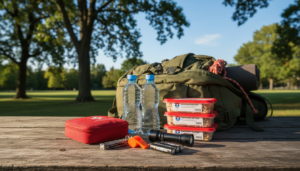
Preparing for grid down scenarios is key in today’s world. Unexpected events can mess up our daily lives. It’s vital to have a plan ready.
“The Prepper’s Grid Down Survival Guide” says a survival plan is important. It helps you survive and thrive during long power outages. You need to stock up on essential items and learn off-grid living skills.
Being ready is more than just having the right gear. It’s also about knowing long term survival planning tips. This means learning to manage resources, find your way without tech, and keep yourself safe and healthy.
Key Takeaways
- Understand the importance of having a survival plan.
- Stockpile essential supplies for extended outages.
- Develop skills necessary for off-grid living.
- Learn resource management techniques.
- Understand navigation without modern technology.
Table of Contents
Understanding Grid Down Scenarios and Their Implications
The world relies more on electricity every day. Knowing about grid down scenarios is key for being ready for emergencies. These scenarios happen when the electrical grid fails, causing big power outages. Many things can cause this, like natural disasters, cyber-attacks, and problems with the infrastructure.
Common Causes of Extended Grid Failures
Severe weather like hurricanes and tornadoes can damage power lines. Also, cyber-attacks on grid systems can cause long outages. It’s important to know these causes to be prepared.
What Systems Are Affected When the Grid Goes Down
Many important systems stop working when the grid fails. This includes water treatment plants, hospitals, and communication networks. These problems can make daily life hard, affecting simple tasks and business operations.
Historical Examples and Lessons Learned
Events like Hurricane Katrina and the 2003 Northeast Blackout show what can happen. They teach us the need for being ready for power outages. We must have strong infrastructure to lessen the effects of these failures.
Essential Water Preparation Strategies
Water preparation is key for off-grid living. It ensures clean drinking water during emergencies. A good plan includes storage, purification, and collection methods.
Water Storage Solutions for Extended Emergencies
Storing water is vital to avoid dehydration in emergencies. Water storage tanks are a good choice. Look for durability, size, and easy upkeep when picking a tank.
Water Purification Methods Without Electricity
Purifying water is also important. You can use water purification tablets and portable filters without electricity. They make water safe to drink from any source.
Rainwater Collection and Natural Water Source Utilization
Collecting rainwater is another smart move. It uses a natural, renewable resource. Rainwater harvesting systems can gather a lot of water. Also, knowing how to use rivers or ponds safely can help.
Maintenance of Water Systems
Keeping water systems in good shape is important. Check tanks for damage, change filters when needed, and test water quality often.

Food Security During Long-Term Power Outages
Keeping food safe during long power outages needs good planning. This includes making a food plan and growing food in a green way. It’s important to have a steady supply of healthy food. This means storing, keeping, and growing food in a way that’s good for the planet.
Building a Strategic Food Reserve
Building a food reserve means storing food that doesn’t spoil easily. It’s key to think about what you need to eat, like calories, protein, and different foods. A good food reserve should have:
- Grains like rice, wheat, and oats
- Canned goods like veggies, fruits, and meats
- Dried legumes and nuts
- Ready-to-eat meals
For more tips on keeping food safe during power outages, check out Bluetti Power’s guide on power failure food.
Food Preservation Without Refrigeration
Keeping food fresh without a fridge is very important during long power outages. You can use:
- Dehydration: Taking moisture out to stop bacteria
- Curing: Using salt or sugar to keep food fresh
- Smoking: Exposing food to smoke to keep it fresh and tasty
- Canning: Sealing food in tight containers to keep it from spoiling
Sustainable Food Production Methods
It’s important to grow food in a way that’s good for the planet. This means:
Gardening and Small-Scale Agriculture
Gardening is a great way to get fresh food. Using methods like crop rotation and planting friends together can help your garden grow better and fight off pests and diseases.
Hunting, Fishing, and Foraging Skills
Learning to hunt, fish, and forage can help you get more food. It’s important to know the rules and harvest in a way that’s good for the environment.
Cooking Without Modern Utilities
Cooking without modern tools means finding other ways to cook. You can use:
- Solar ovens
- Wood-fired stoves
- Portable grills
By using these methods, people can keep their food safe during long power outages. This makes sure they have a steady supply of healthy food.
How to Prep for Long Term Grid Down Scenarios: Energy Alternatives
Preparing for long-term grid down scenarios needs a solid energy plan. When the grid goes down, a good energy backup is key. It helps keep power on and ensures survival.
Off-Grid Power Generation Options
There are many off-grid power options, each with its own benefits. For example, solar, wind, and micro-hydro power are all sustainable energy sources.
Solar Power Systems
Solar power systems are a top pick for off-grid energy. They use sunlight to make electricity, giving a clean and endless power source. For more tips on long-term power outages, check out EcoFlow’s guide.
Wind and Micro-Hydro Solutions
Wind and micro-hydro solutions are other green energy options. Wind turbines make power from wind, and micro-hydro uses water’s energy.
Battery Storage and Management
Good battery storage and management are vital for off-grid systems. They keep energy steady by saving extra power made during the day. This power is used at night or when energy is low.
Non-Electric Heating and Cooling Solutions
Along with power making, non-electric heating and cooling solutions are key. They help keep your home comfy. Options include passive solar heating, insulation, and shading.

Shelter and Security Considerations
When the grid goes down, you need a solid plan for shelter and security. Make sure your home is strong and safe. This is your first defense against dangers that come up during emergencies.
Home Fortification Basics
Home fortification means making your home stronger and safer. You can do this by making doors stronger, putting in security screens, and making sure windows are locked. Keeping your home safe keeps your family safe too.
Security Planning for Extended Emergencies
Good security planning means looking at risks and finding ways to avoid them. You should make a family emergency plan, find safe spots in your home, and set up ways to communicate.
Alternative Shelter Options
At times, your main home might not be safe. Then, finding other safe places is key. This could be finding safe spots in your area or having a bug-out plan.
Bug-Out Locations and Considerations
A bug-out location is a safe spot to go in an emergency. When picking a bug-out spot, think about safety, how easy it is to get to, and if it has food and water.
Having a good bug-out plan can really help you survive when the grid is down for a long time.
Health and Sanitation Without Modern Infrastructure
When the power goes out, we need new ways to stay healthy. We must use simple yet effective methods to keep well.
Medical Supplies and Skills for Grid Down Situations
It’s key to have the right medical stuff. You’ll need bandages, antibiotics, and painkillers. Knowing how to use them is just as important.
Essential Medications and Alternatives
It’s smart to stock up on important medicines. Look for natural remedies for everyday sicknesses too.
Waste Management Without Running Water
Handling waste is very important when there’s no power. Using composting toilets and proper disposal helps keep us safe.
Maintaining Hygiene in Primitive Conditions
Keeping clean is a must. Use hand sanitizers and biodegradable soap to stop germs.
By focusing on these areas, we can prepare better for health and sanitation issues. This helps us live more sustainably during power outages.
Communication and Community Resilience
When the power goes out, good communication is key for survival and community building. It helps people stay updated and work together with family and groups.
Off-Grid Communication Methods
Without regular ways to talk, we must find other options. Some include:
- Two-way radios
- Satellite phones
- Ham radios
These tools help talk over short and long distances. They make it easier to share info and plan. For more tips on grid down prep, check this resource.
Radio Systems and Signal Protocols
Knowing how to use radio systems is important. It makes talking clearer and more efficient. Key points include:
- Standardized communication protocols
- Frequency management
- Signal boosting techniques
Building a Resilient Community Network
A strong community network is essential for support during power outages. It involves:
- Setting up neighborhood watch programs
- Hosting community meetings
- Creating groups for those in need
Building community ties helps people help each other. This boosts everyone’s strength.
Information Storage and Access Without Internet
Without the internet, we need new ways to keep and find info. Some ideas are:
- Using external hard drives for data storage
- Keeping info on paper
- Carrying USB drives with important documents
By using these off-grid living strategies and survival skills for extended power outages, we can handle grid down situations better. This ensures we stay strong as individuals and as a community.
Psychological Preparedness for Extended Grid-Down Living
Getting ready for long grid-down times is not just about physical stuff. It’s also about being mentally strong. Living without today’s comforts can really take a toll. So, it’s key to find ways to keep our minds healthy.
Mental Health Strategies During Prolonged Emergencies
To keep our minds healthy during grid-down times, we need to set routines. We should also practice being mindful and stay in touch with loved ones. Creating a daily schedule helps us feel more normal.
Developing Adaptability and Resilience
Being able to adapt is essential for facing surprises. To have a resilient mindset, we need to be open to new things and learn from mistakes.
| Resilience Strategies | Benefits |
|---|---|
| Positive Self-Talk | Boosts Morale |
| Community Engagement | Enhances Support Network |
| Skill Development | Increases Confidence |
Educational Resources and Skill Development
Having access to learning materials can really help us survive. Learning new skills, like first aid or food preservation, is not just useful. It also makes us feel better mentally.
Conclusion: Developing a Sustainable Long-Term Mindset
Surviving grid down situations needs more than quick fixes. It calls for a long-term mindset. Understanding the effects of long grid failures and using key strategies helps people stay strong.
Being ready for power outages is key. This includes storing water, keeping food safe, and finding other energy sources. Living sustainably during grid downs means facing new challenges and using what you have well.
Using the strategies from this guide helps people get ready for emergencies. This makes them self-sufficient during long power outages. This effort not only helps individuals but also strengthens the community.
In the end, having a long-term mindset is vital for dealing with grid downs. It lets people do well even when things are uncertain.
FAQ
What is a grid down scenario?
A grid down scenario means the power grid is down. This happens when there’s no electricity for a long time. It can be due to natural disasters, cyberattacks, or infrastructure problems.
How can I prepare for a long-term grid down scenario?
To get ready for a long-term grid down, stock up on important supplies. Learn skills for living off the grid. Also, have a survival plan ready.
Store food, water, and medical supplies. Find alternative energy sources and ways to communicate.
What are some common causes of extended grid failures?
Extended grid failures can be caused by natural disasters like hurricanes and floods. Cyberattacks and infrastructure failures also play a role. Extreme weather events can cause problems too.
How can I ensure access to clean drinking water during a grid down scenario?
To get clean drinking water, store lots of water. Use filters or boil water to purify it. Collect rainwater too.
Find natural water sources and know how to make them safe to drink.
What are some alternative cooking methods that don’t require electricity?
You can cook without electricity using solar ovens or camping stoves. Wood-fired cookers are also good. Charcoal or propane grills work too.
How can I maintain food security during a long-term power outage?
Keep food safe by storing non-perishable items. Use methods like canning or dehydrating to preserve food. Grow your own food through gardening or raising livestock.
What are some off-grid power generation options?
Options for off-grid power include solar, wind, and micro-hydro power. You can also use generators or battery systems for power.
How can I maintain health and sanitation during a grid down scenario?
Keep healthy by stocking medical supplies. Use composting toilets for waste management. Practice good hygiene with hand sanitizer or soap and water.
What are some off-grid communication methods?
For off-grid communication, use two-way radios or satellite phones. Ham radios are also good. Messengers or written messages can help too.
How can I maintain mental health during a prolonged grid down scenario?
Stay mentally healthy by following a routine. Use stress-reducing activities like meditation or yoga. Stay connected with family and community.
Have access to educational resources and opportunities to learn new skills.
What are some strategies for building a resilient community network?
Build a resilient community by identifying members with key skills. Set up communication channels. Plan for mutual support and aid.