Imagine waking up to find your street buried under two feet of snow. Your car is stuck in the driveway. The roads are closed. You cannot get to work, the grocery store, or the hospital.
This scenario happens every winter across the United States. Being snowed in is not just a day off school. It means you and your family could be isolated at home for several days without access to stores, services, or help.
Winter weather creates real dangers on the roads. Every year, more than 5,000 people die in weather-related vehicle crashes. Over 418,000 people get injured. Ice, heavy snow, and dangerous wind chills turn driving into a risky activity.
When storms hit hard, cities declare snow emergencies. These declarations restrict parking on certain streets so plows can clear the roads. During these times, trash pickup stops. Power outages occur. Public transit may shut down.
The good news is that you can get ready. Learning how to prep for being snowed in puts you in control. Smart planning makes winter storms feel less scary.
You will know your family has food, water, heat, and safety. Your vehicle will run well. Your home will stay warm and comfortable.
This article walks you through everything you need to know. You will learn how to read weather alerts and understand snow emergency declarations. You will discover how to stock your home with the right emergency supplies to sustain you for up to seven days without power.
You will get tips on winterizing your vehicle and preparing for extended road. You will learn how to keep your home safe and warm when the power goes out. You will also get advice on protecting your pets and family during winter storms.
With the right preparation, being snowed in can be manageable. Your family can stay safe, warm, and calm. This guide gives you the tools and knowledge you need to face winter weather with confidence.
Table of Contents
Understanding Winter Storm Warnings and Snow Emergency Declarations
When winter weather hits, knowing what alerts mean can save your life and protect your family. Weather warnings come in different levels, each telling you something specific about the danger ahead. Learning these terms is a key part of your winter weather emergency plan. The National Weather Service sends alerts to your phone, television, and local news stations to keep you informed about approaching storms.
Understanding these alerts helps you decide when to leave work early, cancel plans, or gather supplies. A solid winter storm preparation strategy starts with recognizing what each warning means for your safety and daily routine.
Recognizing Different Types of Winter Weather Alerts
The National Weather Service uses six main types of winter weather alerts. Each one tells you how serious the situation is and what you should do. Here’s what each alert means:
| Alert Type | What to Expect | What You Should Do |
|---|---|---|
| Freezing Rain Advisory | Small amounts of ice on surfaces | Drive slowly and carefully |
| Winter Weather Advisory | Snow, sleet, and freezing rain expected | Plan for travel delays |
| Snow Advisory | One to four inches of snow within 12 hours | Prepare to stay home if needed |
| Winter Storm Watch | Heavy snow and ice possible within 36 hours | Stock up on supplies and fuel |
| Winter Storm Warning | Six or more inches of snow within 24 hours | Stay home and avoid travel |
| Blizzard Warning | Strong winds, blinding snow, dangerous wind chill | Do not travel; seek shelter immediately |
Services like ReadyPhiladelphia in Pennsylvania or similar alert systems in your area offer free text and email notifications about severe weather. Signing up takes just minutes and gives you real-time updates straight to your phone.
What a Snow Emergency Means for Your Community
A snow emergency declaration is different from a regular weather alert. Your city’s managing director declares a snow emergency when significant snowfall disrupts normal operations. This declaration changes how your community operates right away.
During a snow emergency, parking rules change dramatically. Vehicles parked on snow emergency routes must be moved immediately. If your car stays on a designated route, it will be ticked and towed away. Streets become snow emergency routes so plows can clear roads faster and keep everyone safe.
Before winter arrives, find out which streets near your home are snow emergency routes. You can usually find this information on your city’s website or by calling your local snow management office. Knowing these routes ahead of time is essential for your winter weather emergency plan.
Snow emergencies affect more than just parking. Here’s what typically changes:
- Parking restrictions on snow emergency routes
- Trash and recycling pickup cancellations
- Public transit delays or service changes
- School closures
- Business closures
Check with SEPTA or your local transit service for detours and cancellations. Make sure your family knows how to stay in touch if people are in different locations when a storm hits. A winter storm preparation checklist should include communication plans for everyone in your household.
How to Prep for Being Snowed In
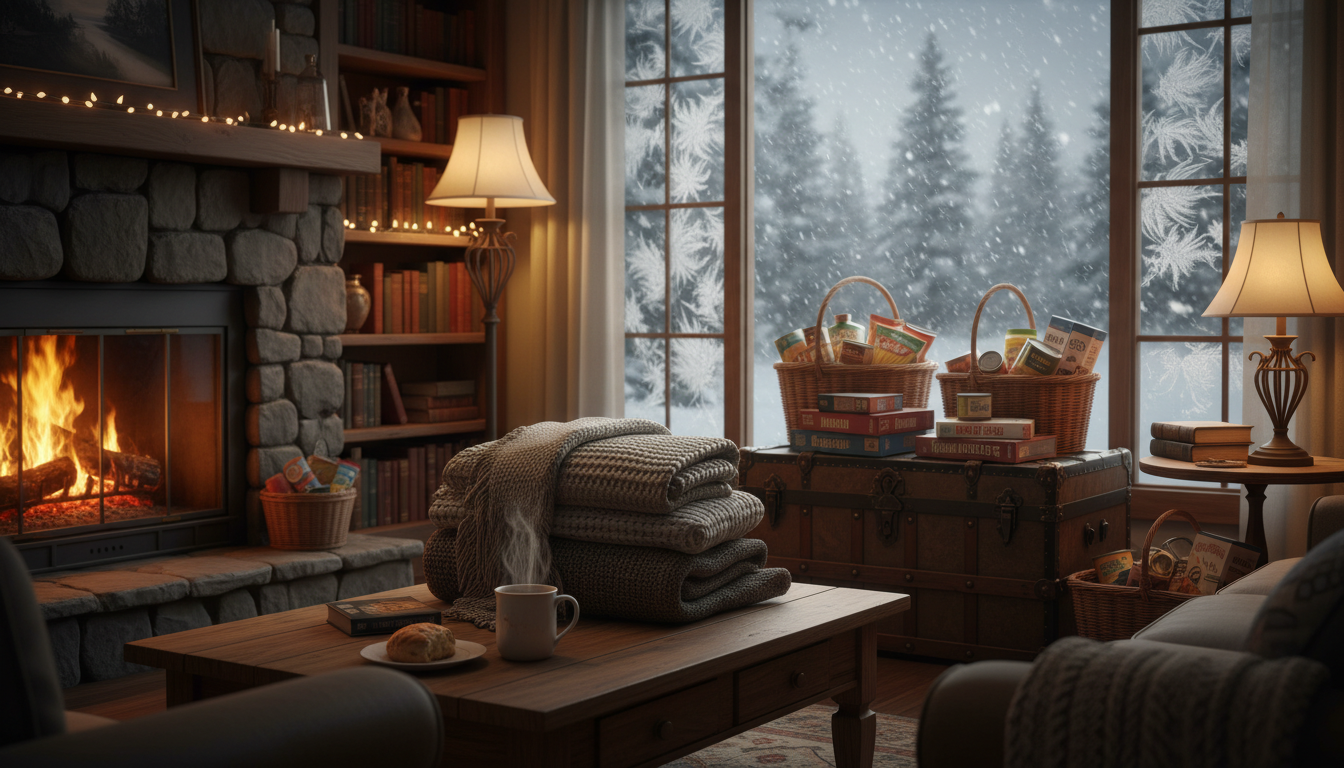
When winter storms hit, your home is your safe place. It’s important to think about what happens if power goes out, roads get closed, and you can’t go to the store for days. Start by making a snow day survival kit with items from different categories. Begin preparing now, before the first storm hits.
Power outages are a big worry during winter emergencies. Make sure you have flashlights, extra batteries, a battery-powered NOAA Weather Radio, and a portable radio for emergency updates. These tools help you stay informed when you can’t use your phone or internet.
Having enough food and water is key. Aim for a week’s worth of non-perishable items that don’t need cooking or refrigeration. Your snow day essentials should include:
- Canned vegetables and fruits
- Peanut butter and crackers
- Granola bars and dried nuts
- Shelf-stable milk and juice boxes
- Instant oatmeal and pasta
- Ready-to-eat meals
Keep at least one gallon of water per person per day. Pipes can freeze, and water service might stop. Store water in food-grade containers in a cool, shaded area.
Heating fuel is vital when stocking up for blizzards. Keep your fuel tank half full all winter. Delivery trucks can’t reach you in bad weather, so plan ahead. Safe heat sources include fireplaces, wood stoves, or space heaters that are well-ventilated. Never run a generator indoors or in enclosed spaces—it’s dangerous.
| Supply Category | Recommended Items | Why It Matters |
|---|---|---|
| Medications | Extra prescription refills, over-the-counter pain relievers | Pharmacies may close during storms; running out creates health risks |
| First Aid | Bandages, antiseptic, pain relievers, thermometer | Medical help may be delayed; minor injuries need treatment |
| Pets | Extra food, water, litter, blankets | Animals die from dehydration and cold without proper supplies |
| Babies | Diapers, formula, wipes, blankets | Stores close; you cannot leave during dangerous conditions |
| Safety | Working smoke alarms, carbon monoxide detectors | Prevent fires and poisoning during power outages |
Your snow day survival kit should include prescription medications well before winter. Talk to your doctor in fall for early refills. If you have young children, include baby items like diapers and formula. Pet owners need to stock extra food and provide warm shelter—pets can’t survive storms on their own.
Safety equipment is lifesaving in emergencies. Test smoke alarms monthly and replace batteries twice a year. Install and maintain carbon monoxide detectors on every level of your home. Keep vents clear of leaves and snow to ensure safe ventilation. A fire extinguisher rated for household use should be easy to find.
Having fun activities is important during long outages. Stock up on books, board games, puzzles, and playing cards for fun without power. Keep important documents in waterproof containers. These steps help you prepare in a practical and manageable way, as suggested by practical strategies focused on usable approaches.
Break down your preparation into smaller steps. Focus on one category each week in fall and early winter. This way, you avoid feeling overwhelmed and ensure you don’t forget anything. By the time snow arrives, your home will be ready to keep your family safe through any winter emergency.
Winterizing Your Vehicle for Extended Road Closures
Getting your car ready for winter is a smart move before snow hits. A well-maintained car runs better in cold and keeps you safe. Make sure to check and service your vehicle before winter.
Winterizing your car is about checking important systems. Each one helps keep you safe during winter. Whether it’s snow or storms, being prepared is key.
Essential Winter Vehicle Maintenance Checklist
Start with a trusted mechanic’s winter inspection. Cold weather stresses your car’s parts. For more info, check how to winterize your car before heavy snow.
| System | What to Check | Winter Priority |
|---|---|---|
| Battery | Ensure 600+ CCA rating for cold starts | Critical |
| Brakes | Test responsiveness and pad thickness | Critical |
| Cooling System | Maintain 50/50 antifreeze-to-water ratio | Critical |
| Belts and Hoses | Inspect for cracks or worn areas | High |
| Tires | Check pressure and tread depth | Critical |
| Wiper Blades | Replace with winter-grade blades | High |
| Windshield Washer Fluid | Use winter-formulated fluid | High |
| Lights | Test all headlights and brake lights | High |
| Heater and Defroster | Confirm both work at full strength | Critical |
Your battery works harder in cold. A weak battery might not start in winter. Winter tires grip better on snow and ice.
Keep your gas tank half full in winter. This prevents ice in fuel lines. It also keeps you warm if stranded.
Building a Complete Automobile Emergency Kit
Your emergency kit should stay in your car all winter. Pack items for survival, signaling, and warmth. Check and replace items monthly.
- Communication: Charged cell phone, car charger, and portable battery pack
- Visibility: Flashlight with extra batteries, emergency flares, and fluorescent distress flag
- Tools: Jumper cables, tow rope, ice scraper, snow shovel, and basic tool kit
- Traction: Bag of sand or cat litter, and tire chains in the proper size
- Warmth: Blankets or sleeping bags, extra hats, mittens, and hand warmers
- Food and Water: Bottled water, energy bars, nuts, and high-calorie snacks
- Health: First-aid kit, medications, tissues, and paper towels
- Navigation: Physical maps, compass, and battery-operated radio
- Additional: Matches or lighter, candle for emergency heat, and large can for emergency toilet use
Keep a spare car key with you. Leave your phone charger plugged in at home. Include items for special needs like baby supplies, pet food, or medications.
Safe Winter Driving Techniques and Chain Control Requirements
Smart winter driving means knowing when not to drive. If it’s too dangerous, stay home. No destination is worth risking your life.
Clear all snow and ice from your vehicle. Snow flying off can blind drivers behind you. Check windows, mirrors, lights, and roof before heading out.
- Allow extra travel time and maintain a full gas tank
- Drive during daylight whenever possible
- Use low-beam headlights during heavy or blowing snow
- Stay on main roads and avoid shortcuts
- Keep at least five seconds of distance behind other vehicles
- Drive at safe speeds and avoid sudden stops
- Avoid passing snowplows unless absolutely necessary
- Inform family of your travel route and expected arrival time
Watch for black ice on bridges, overpasses, and shady spots. These areas freeze before regular pavement. If your vehicle starts to skid, stay calm. Remove your foot from the gas and steer gently in the direction you want the front of the car to go.
Chain control laws require chains or approved traction devices when signs indicate they are needed. Install chains before you reach mountain areas when preparing for heavy snowfall travel. Speed limits drop to 25-30 mph when chains are required. Pull completely off the roadway to the right side when installing or removing chains. Give snowplows at least four car lengths of space.
Before heading to mountain areas, check your antifreeze concentration for colder temperatures. Confirm your tire inflation and tread depth. Know whether your vehicle is front-wheel drive or rear-wheel drive. Carry an ice scraper, broom, shovel, sand or burlap for traction, old towels, water, food, warm blankets, and extra clothing. Keep an updated map and the Caltrans Highway Information Network number (800-427-7623) for real-time road conditions.
Keeping Your Home Safe and Warm During Winter Storms
Winter storms pose real dangers to your home. It’s not just about insulation and weather stripping. You must focus on heating safety, pipe protection, and being ready for power outages. This keeps your family safe when it’s cold and snowy outside.
Safe Heating Practices During Winter
Home fires increase in winter when we use heaters to stay warm. The biggest risk is from using space heaters wrong. Keep flammable items like blankets and curtains at least three feet away from heaters.
Before winter, have a pro check your main heater and space heaters. Make sure they’re installed right and meet the manufacturer’s guidelines. Choose portable heaters with labels from UL or Intertek.
Never leave space heaters on by themselves. Turn them off when you leave a room or go to bed. Pick heaters with automatic shut-off if they tip over. Don’t use your oven or stove to heat your home—it’s dangerous.
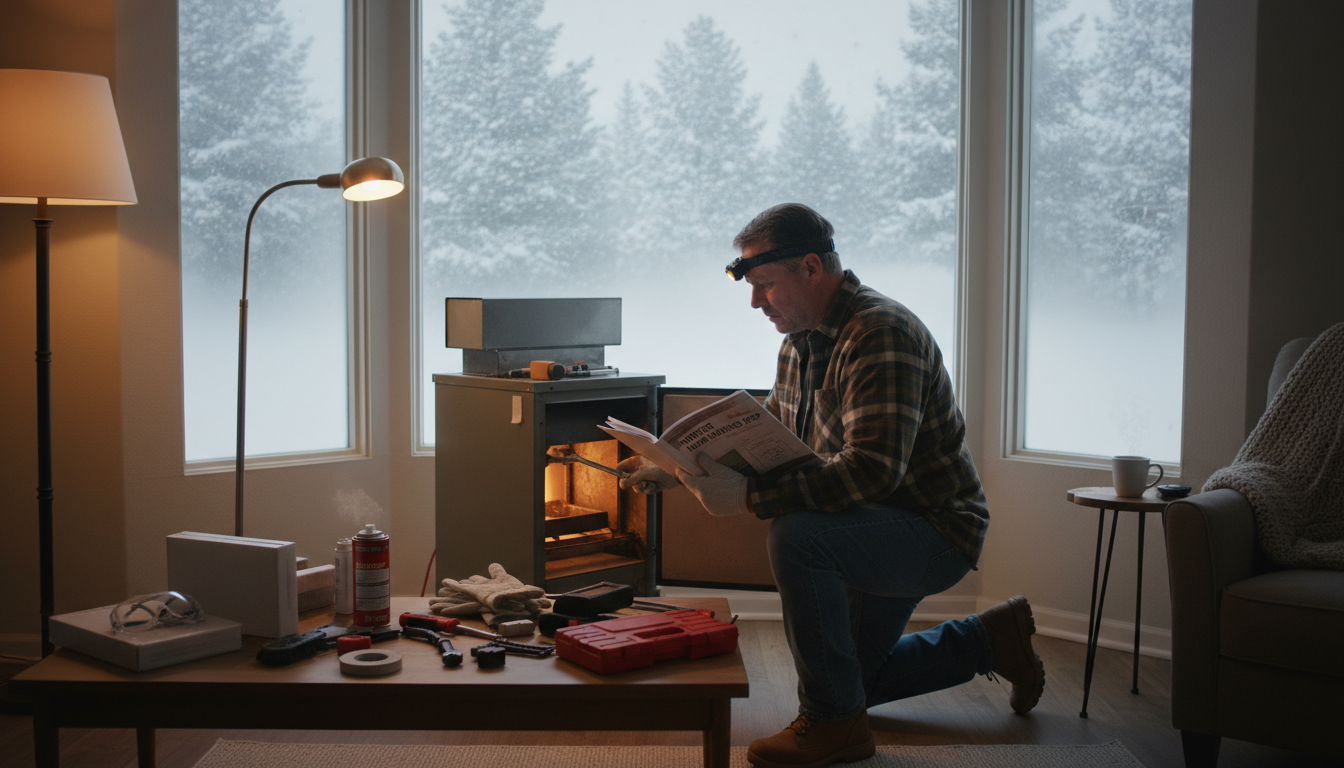
Put smoke alarms near every bedroom and on every floor. Test them monthly and change the batteries twice a year. Carbon monoxide alarms are also key—put them on every floor and check them often. They’re vital for staying safe during power outages.
Preventing Frozen and Burst Pipes
Unheated areas in your home can freeze pipes. Here’s how to avoid water damage:
- Shut off outside water faucets from inside valves and leave outside valves open to drain
- Keep the area around your water meter above 40°F
- Wrap your water meter and connecting pipes with insulation
- Caulk windows near water meters and cover them with plastic
- Replace or cover cracked or broken windows
- Wrap and insulate all water pipes in unheated spaces like sheds and garages
- Let tap water run slowly overnight during extremely cold weather
If pipes freeze or burst, call a licensed plumber right away. Renters without heat should contact their landlord. If no heat arrives, call your local Department of Licenses and Inspections.
Snow Removal and Safe Shoveling
Local laws require clearing sidewalks of snow and ice. You need a path at least 36 inches wide within six hours after snow stops. Don’t pile snow in the street—fines range from $50 to $300.
Shoveling can cause heart attacks and back injuries, more so in older adults. Here’s how to shovel safely:
- Warm up with light stretching before going outside
- Start slowly and pace yourself—shovel no more than five loads per minute
- Take breaks every five minutes to stretch
- Push snow instead of lifting it when you can
- If you must lift, bend your knees and protect your back
- Drink water during breaks to stay hydrated
- Dress in warm layers with a hat and neck covering
- Take smaller scoops to reduce strain
- Never throw snow over your shoulder—this twists your back dangerously
Don’t rush to finish shoveling. If you have heart issues or are over 55, consider hiring someone to do it for you.
De-Icing Your Walkways
| De-Icing Method | Application Tips | Coverage |
|---|---|---|
| Commercial De-Icer or Rock Salt | Apply as soon as light snow appears; use sparingly after shoveling | One pound covers 100-200 square feet |
| Sand or Kitty Litter | Provides temporary traction without chemicals | Use as needed for icy spots |
| Lawn Seed Spreader Application | Distribute de-icer evenly; rinse spreader after use | Covers larger areas efficiently |
Use de-icing products carefully to protect plants and groundwater. You might need to apply them several times a day during sleet or freezing rain. Kitty litter is a good, cheap alternative if you don’t have commercial de-icer.
Winterizing your home means getting ready for all winter weather challenges. From heating safety to pipe protection to safe snow removal, these steps protect your family and prevent costly damage. With power outage preparedness, your home becomes a safe haven when winter storms hit.
Conclusion
Preparing for winter storms is not hard, but it does require some effort and planning. You now know how to keep your family safe when snow falls. By learning about winter weather alerts, you can spot dangers early.
Having food, water, and supplies at home keeps everyone fed and warm. Making sure your car is ready and packing an emergency kit can be lifesaving if you get stuck. Taking care of your home’s heating and pipes can prevent many winter disasters.
You don’t have to do everything at once. Start by focusing on one area each weekend. Check your heating system one week, build your emergency kit the next, and stock your pantry after that. Before you know it, you’ll be fully prepared for winter.
Being snowed in can actually be nice if you’re prepared. You can slow down and enjoy time with your family. You can have warm meals, read books, and watch movies together. Being prepared turns a storm into a peaceful time.
Don’t forget about your neighbors during winter storms. Check on older people or those who live alone. Share supplies if needed. Strong communities help each other during storms. Being prepared helps not just your household but also your community.
FAQ
What’s the difference between a Winter Weather Advisory and a Blizzard Warning?
A Winter Weather Advisory means minor winter weather is coming. You should plan to travel slower and be ready for slippery roads. A Blizzard Warning is more serious. It means heavy snow, strong winds, and low visibility are happening or will soon. You should stay home and avoid travel.
How do I sign up for winter storm emergency alerts in my area?
Many places offer free emergency alert systems. They send texts and emails about severe weather. Services like ReadyPhiladelphia send important updates to your phone. Check your city’s website to find your local alert system. Signing up helps you get timely warnings about winter storms.
What happens when my city declares a snow emergency?
When a snow emergency is declared, several things happen. Your car could be towed if parked on certain streets. Trash and recycling pickup might stop. Public transit, like SEPTA, could be delayed or canceled.
Before winter, find out which streets are snow emergency routes. This way, you know where not to park. Check your transit website for updates during storms.
How much food and water should I stock before a winter storm?
Keep at least a three-day supply of non-perishable food. If you have space, aim for a week’s worth. Stock items like canned goods, dried fruits, and shelf-stable milk.
For water, have at least one gallon per person per day. This is because pipes might freeze or water service could stop during storms.
What’s the safest way to heat my home during a power outage?
Safe heating options include fireplaces and wood stoves. Make sure they’re well-ventilated. If using a space heater, choose one with an automatic shut-off. Never leave it unattended and keep it away from flammable items.
Never use your oven or stove burners for heat. This is dangerous and can cause fires and carbon monoxide poisoning. If you have a generator, never run it indoors. It produces deadly carbon monoxide gas.
How often should I test my smoke alarms and carbon monoxide detectors?
Test your smoke alarms and carbon monoxide detectors monthly. Replace batteries yearly. Home fires are more common in winter when people use extra heat sources. Keep fresh batteries in your emergency kit.
How can I prevent my pipes from freezing during winter?
To prevent frozen pipes, insulate pipes in unheated areas. Keep cabinet doors open under sinks. Let faucets drip slightly in extreme cold.
Keep your home temperature consistent. Don’t set your thermostat back at night in cold weather. If you leave home, keep the temperature at least 55°F. If pipes freeze, call a plumber. Never thaw them with a torch or open flame.
What should I include in my vehicle’s winter emergency kit?
Your car emergency kit should have communication tools like a charged phone and car charger. Include visibility items like a flashlight and emergency flares. Add tools and equipment like jumper cables and a shovel.
Include traction aids like sand or cat litter. Keep warmth supplies like blankets and hand warmers. Don’t forget food and water and first-aid supplies. Check your kit monthly and replace food and water.
Why is it important to keep my gas tank at least half full during winter?
Keeping your fuel tank at least half full ensures you have enough fuel during storms. Fuel trucks can’t reach gas stations in heavy snow. A full tank prevents fuel line freeze-up and ensures you can run your engine for heat.
What tire precautions should I take for winter driving?
Check your tires are properly inflated and have adequate tread depth. Consider snow tires in snowy areas. A pre-winter vehicle inspection is wise if unsure about your tires.
How should I properly install tire chains, and what do chain requirement signs mean?
Practice installing tire chains at home before winter. Different signs mean different things: “chains required” means all vehicles need them. “Chains required except four-wheel-drive with snow tires” allows certain vehicles to proceed. “Chains recommended” suggests they’re helpful but not mandatory.
When chains are required, drive at posted speeds. Some areas have chain installers available. Always pull off the road safely to install or remove chains.
What should I do if I start to skid on winter roads?
If you start to skid, remain calm, ease off the accelerator, and steer gently in the direction you want to go. Avoid slamming on the brakes. Keep extra distance from other vehicles—maintain at least five seconds of space.
If stranded, stay with your vehicle. It provides shelter and makes you easier to find.
How often should I have my heating system professionally inspected?
Have your heating system inspected before winter each year. This ensures it’s safe and efficient. A professional can spot problems before they cause heating failures.
What’s the three-foot rule for space heaters and other heat sources?
The three-foot rule means keep anything that can burn at least three feet away from heat sources. Home fires are more common in winter. Only use space heaters with automatic shut-off, never leave them unattended, and always plug them directly into outlets.
What are the local requirements for clearing snow from sidewalks in my area?
Requirements vary by city, but you must clear sidewalks within 24 hours after snow stops falling. Keep them at least 36 inches wide and don’t shovel snow into the street. Check your local code for specific rules. Failure to clear sidewalks can result in fines and liability for pedestrian injuries.
What should I do if I start to skid on winter roads?
If you start to skid, remain calm, ease off the accelerator, and steer gently in the direction you want to go. Avoid slamming on the brakes. Keep extra distance from other vehicles—maintain at least five seconds of space.
If stranded, stay with your vehicle. It provides shelter and makes you easier to find.
What should I do if I start to skid on winter roads?
If you start to skid, remain calm, ease off the accelerator, and steer gently in the direction you want to go. Avoid slamming on the brakes. Keep extra distance from other vehicles—maintain at least five seconds of space.
If stranded, stay with your vehicle. It provides shelter and makes you easier to find.
How do I prepare my heating fuel supply before winter?
If you heat with oil, propane, or other fuels, keep your tank at least half full. Fuel trucks can’t reach homes in heavy snow. Check your fuel levels regularly and schedule deliveries before you’re low.
What should I do if water pipes burst during a winter storm?
If a pipe bursts, immediately shut off your main water valve to stop water flow. Know where your main water shut-off is before winter. Make sure all household members know how to access it. Call a licensed plumber for professional repair. After the emergency, check for water damage and contact your insurance if needed.
Should elderly neighbors or vulnerable community members be checked on during winter storms?
Yes, absolutely. Winter storm preparation is about community safety. Check on elderly neighbors, people living alone, those with disabilities, and vulnerable community members. A simple wellness check can save a life. Many communities have programs to connect neighbors during severe weather.
What important documents should I keep accessible during winter storms?
Keep important documents in a waterproof container that’s easy to reach. Include insurance policies, medical records, identification documents, proof of residency, emergency contact information, and any documents related to medical conditions or special needs. During power outages or emergencies, you may need quick access to this information.