Winter storms in northern areas are very dangerous. The CDC and NOAA say they cause extreme cold, power outages, and communication issues. Roads get icy and dangerous.
Weather-related car crashes kill over 5,000 people and hurt more than 418,000 yearly on average.
Preparing for winter is more than just staying warm. It’s about keeping your family safe. Having a good winter storm plan lowers your risk. It helps protect your loved ones.
Northern climates face winter storms often and with great force. So, preparing for winter is not just a good idea. It’s a must. You need to get your home, car, and emergency supplies ready before winter hits.
But, the bad news is not as bad as it seems. Learning to prepare for winter storms is easier than you might think. By breaking it down into steps, it becomes doable. This guide will show you how to get ready for winter storms. You’ll learn about weather warnings, gather important supplies, winterize your home, get your car ready, and plan for emergencies.
By taking action now, you’ll feel calm and confident. You’ll know you’re ready. Let’s start building your winter storm preparation plan together.
Table of Contents
Understanding Winter Storm Warnings and What They Mean
Winter weather alerts can seem confusing. The National Weather Service uses different warnings and watches. Each alert tells you what to expect and how to react.
Weather alerts start with the least danger and get worse. This helps you know when to start preparing and when to act fast. Knowing the difference between a watch and a warning is key to staying safe.
Blizzard Warnings vs. Winter Storm Watches
A Winter Storm Watch means conditions might happen in the next one to three days. It’s your chance to prepare. Stock up, check your heating, and plan travel.
A Winter Storm Warning means bad weather is happening or about to. It means six inches of snow in 12 hours or eight inches in 24 hours. Stay off the roads when a warning is out.
A Blizzard Warning is the most serious alert. It means you can’t see a quarter mile, winds are over 35 miles per hour, and it lasts three hours or more. Avoid travel during a blizzard.
Check the National Weather Service winter preparedness guide for more info on alerts in your area.
| Alert Type | Timing | Danger Level | What You Should Do |
|---|---|---|---|
| Winter Storm Watch | 1-3 days ahead | Low to Moderate | Gather supplies, plan routes, charge devices |
| Winter Weather Advisory | Expected soon | Moderate | Use caution, limit travel, stay alert |
| Winter Storm Warning | Happening or imminent | High | Avoid travel, stay indoors, monitor weather |
| Blizzard Warning | Active conditions | Very High | Do not travel, seek shelter, stay informed |
When Sustained Winds Reach 35 Miles Per Hour
Winds of 35 miles per hour are very dangerous. They make it hard to see because of snow. This can cause accidents and make it hard for help to arrive.
Wind and cold together are even more dangerous. Winds of 35 miles per hour can cause frostbite in just 10 to 30 minutes. That’s why it’s important to stay inside and cover all skin during blizzards.
- Visibility drops to near zero in blizzard conditions
- Wind chills become life-threatening within minutes
- Roads become impassable for all vehicles
- Rescue operations become impossible
- Power lines may snap under heavy ice loads
A battery-powered NOAA Weather Radio is a good idea. It keeps you informed even when the power is out. These radios give updates on wind, temperature, and storms. Having one is a smart move for winter emergency planning.
How to Prep for a Winter Storm: Essential Supplies Checklist
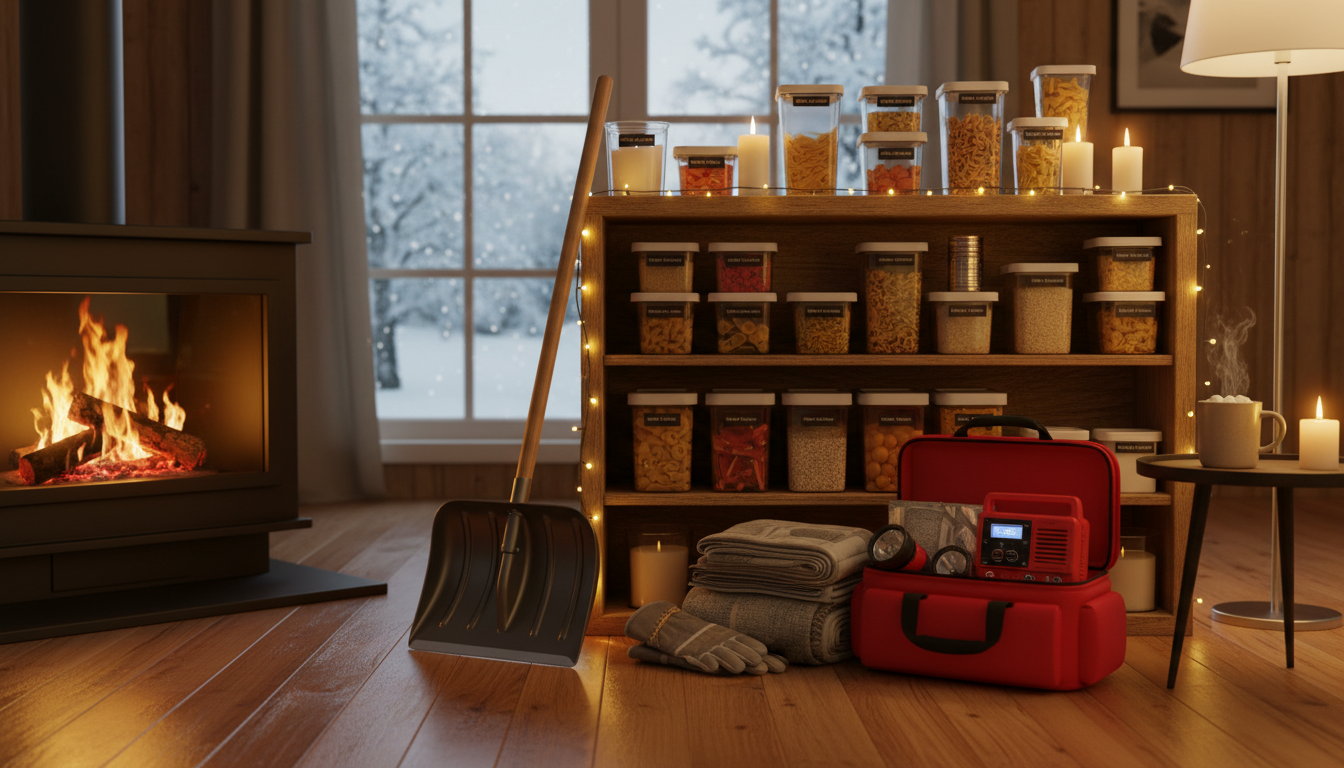
Winter storms can leave you isolated for days. You might not have heat, power, or contact with the outside world. Preparing a cold weather emergency kit before the storm is key to staying safe. Start making your storm supply checklist now to avoid last-minute scrambles.
Begin gathering supplies gradually. Keep your emergency kit in a place you can easily reach, like a closet near your living area. Refresh your supplies each fall before winter starts.
Your checklist should cover essential categories. Think about what you need to stay warm, fed, and informed during a long power outage.
Communication and Lighting
- Flashlights with extra batteries
- Battery-powered NOAA Weather Radio
- Portable radio for news updates
- Mobile phone chargers (car and solar options)
- Extra batteries in multiple sizes
Food and Water for Your Cold Weather Emergency Kit
Water is critical. Store at least one gallon per person per day for three days. Choose foods that need no cooking or refrigeration.
- Drinking water (1 gallon per person daily)
- Dried fruit and nuts
- Granola bars and crackers
- Canned soups and stews
- Peanut butter and jelly
- High-energy snacks
Medical and Personal Supplies
- Prescription medications (30-day supply)
- First-aid kit with bandages and antiseptic
- Pain relievers and cold medicine
- Baby formula and diapers
- Pet food and water
Heating and Safety Equipment
Never skip safety items in your cold weather emergency kit. These supplies protect your family during extended outages.
| Equipment Type | Purpose | Important Notes |
|---|---|---|
| Space heater (propane or electric) | Backup heating source | Ensure proper ventilation to prevent carbon monoxide buildup |
| Fireplace or wood stove | Alternative heat source | Have chimney inspected annually; keep dry firewood on hand |
| Fire extinguisher | Emergency response tool | Keep at least two ABC-rated extinguishers accessible |
| Smoke alarms | Life safety detection | Test monthly; replace batteries twice yearly |
| Carbon monoxide detector | Poison gas detection | Battery-powered models essential during power outages |
| Extra blankets and sleeping bags | Warmth retention | Store in dry, accessible locations |
Pet Supplies in Your Storm Supply Checklist
- Extra pet food (minimum two weeks)
- Pet water supply
- Warm shelter or pet carrier
- Medications for pets
- Identification documents and photos of pets
Create a written storm supply checklist and post it on your refrigerator. Check off items as you gather them. This visual reminder keeps preparedness on your mind throughout fall and early winter.
Your cold weather emergency kit is an investment in your family’s safety. Take time now to build yours. When a winter storm warning arrives, you’ll have peace of mind knowing you’re ready.
Winterizing Your Home for Severe Weather
Preparing your home for winter storms is a smart move. It protects your property and keeps your family safe. You need to prevent frozen pipes, check your heating systems, and install safety gear. Start early, in the fall, to get everything done right.
A well-prepared home can handle winter’s worst. Think of winterization as adding layers of protection. From insulation to safety devices, each step builds on the last. When winter storms hit, your home will be ready.
Insulating Water Lines and Exterior Walls
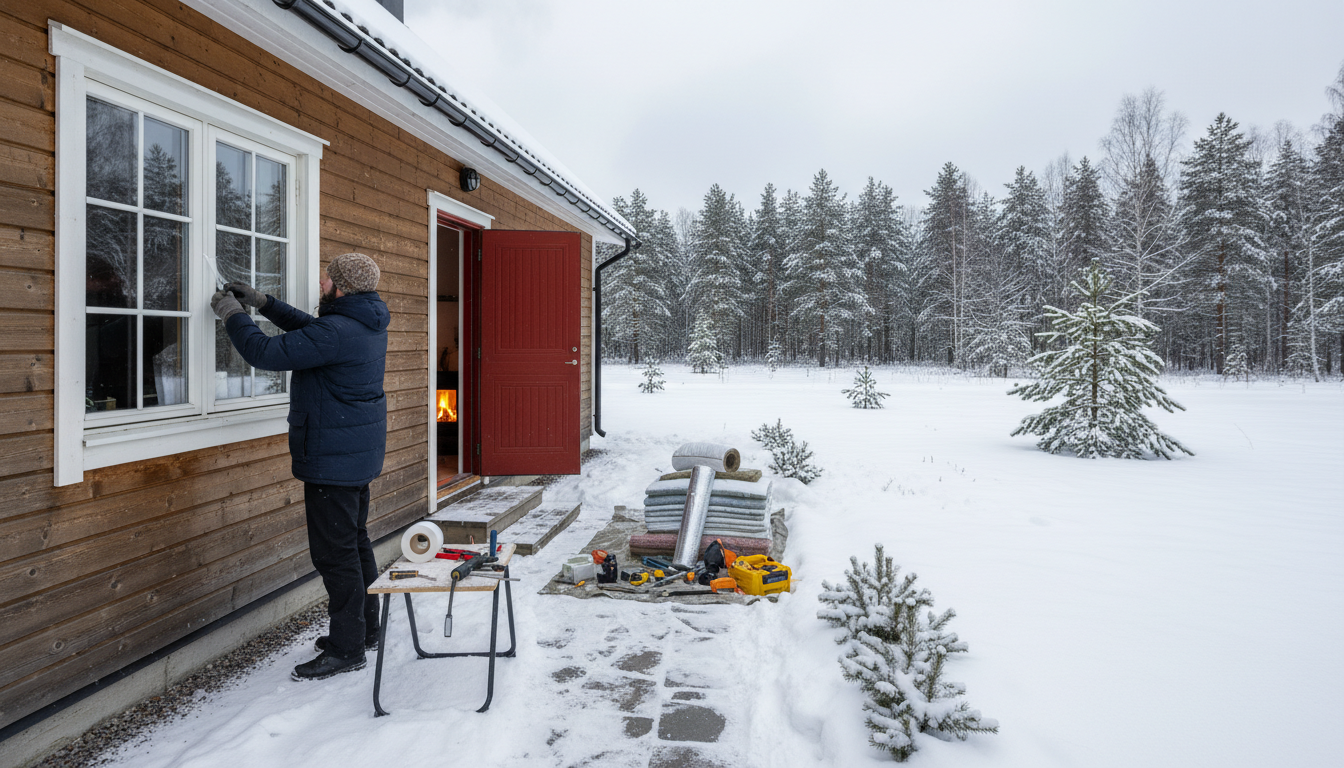
Frozen pipes are a big problem in winter. When it gets cold, water in pipes can freeze and burst. This can cost a lot to fix.
Here are some steps to protect your water lines:
- Wrap exposed water lines with foam pipe insulation or heat tape
- Caulk gaps around doors and windows to stop cold air from entering
- Add weatherstripping to doors and windows
- Insulate your attic and exterior walls to reduce heat loss
- Install storm windows or cover windows with plastic sheeting from inside
- Trim tree branches that could fall on your roof during storms
- Check your roof for leaks and repair them before winter arrives
These steps keep your home warm and dry. Better insulation means your heating system works less hard. This saves energy and money all season.
Preparing Your Heating Systems and Chimney
Your heating system is key in winter. A working furnace keeps you warm and safe. Regular maintenance prevents breakdowns when you need it most.
Here’s what to do:
- Have a qualified technician inspect your chimney or flue to check for damage
- Get your furnace system serviced before the winter season begins
- Verify that all vents are clear of debris and snow
- Clean chimneys to remove dangerous creosote buildup
- Ensure all fuel-burning equipment vents properly to the outside
Never run a generator inside your home, in a garage, or in any enclosed space. Generators produce carbon monoxide, which is deadly. Always place generators outside, away from windows and doors. Power outage preparation includes knowing how to safely use backup heating equipment.
Installing Carbon Monoxide Detectors and Safety Equipment
Carbon monoxide is an invisible, odorless gas that kills people every year. Many winter deaths occur because families use heating equipment without proper safety measures. Installing detectors saves lives.
Essential safety equipment for winterizing your home includes:
| Safety Device | Purpose | Maintenance Schedule |
|---|---|---|
| Carbon Monoxide Detector (Battery-Operated) | Detects deadly CO gas near heating areas | Test monthly; replace batteries twice yearly |
| Smoke Detector | Alerts you to house fires from heating equipment | Test monthly; replace batteries twice yearly |
| Multipurpose Dry-Chemical Fire Extinguisher | Controls small fires before they spread | Check pressure gauge monthly; replace after use |
Place carbon monoxide and smoke detectors near every heating source in your home. Test them monthly to ensure they work. Replace batteries in spring and fall when you change your clocks. Winter fires happen frequently when people rely on alternative heating methods, making these devices critical for protecting your family during power outage preparation.
Winterizing your home now gives you peace of mind. You know your property is protected, your heating works safely, and your family has early warning if something goes wrong. Winter storms will come, and your prepared home will be ready.
Getting Your Vehicle Ready for Winter Weather
Your car needs winter prep just like your home. Being stuck in your car in winter can be very dangerous. A good winter survival guide includes making sure your car runs well and you have emergency supplies. Start these checks in early fall, before it gets really cold.
Winter driving needs a reliable car. Preparing your car now can save your life later. Let’s look at what you need to do to keep your car safe in harsh winter weather.
Antifreeze Levels and Tire Pressure Checks
Your engine needs the right antifreeze to avoid freezing and cracking. Use an antifreeze tester or have a mechanic check your radiator system. Winter weather also lowers tire pressure. Check your tires to ensure they are at the right pressure, but always follow your vehicle’s specific recommendations found on the driver’s door jamb.
Good tire tread is key for grip on snow and ice. Tire pressure affects how your vehicle handles slippery roads. Add these checks to other essential maintenance tasks:
- Replace windshield-wiper fluid with a wintertime mixture that won’t freeze
- Keep your gas tank at least half full to prevent fuel line freeze-ups
- Check your heater, defroster, brakes, and battery
- Test emergency flashers and verify your exhaust system works properly
- Inspect oil levels and ensure your ignition system functions well
Building a Winter Storm Survival Kit for Your Car
Having emergency supplies in your car is smart. If you get stranded, these items could save your life. Organize your winter storm survival guide kit by category so you know what you have and where to find it.
| Category | Essential Items |
|---|---|
| Communication | Cell phone, portable charger, extra batteries |
| Warmth | Extra hats, coats, mittens, blankets, waterproof matches |
| Tools & Traction | Shovel, windshield scraper, tire chains, tow rope, booster cables, cat litter or sand |
| Emergency Supplies | Flashlight with batteries, battery-powered radio, first aid kit, water, snacks, road maps |
| Signaling Devices | Emergency flares, bright colored flag, hazard reflectors |
Before you travel in winter weather, never skip these steps:
- Check all fluid levels in your vehicle
- Test lights, heater, and windshield wipers to confirm they work
- Avoid traveling alone whenever possible
- Tell someone your planned route and when you expect to arrive
- Call 511 to check the latest road conditions before departing
A winter storm survival guide isn’t about being paranoid—it’s about being prepared. These practical steps give you peace of mind and could save your life if you’re caught in unexpected harsh conditions on a remote road.
Emergency Preparedness for Power Outages and Communication Loss
Winter storms can be unpredictable. They often cause power outages and communication failures quickly. Families need to have plans ready for these situations.
Start by making a family communication plan before winter hits. Choose an out-of-state contact person everyone can reach when phones are down. Pick a meeting spot if family members get lost during the storm. Keep important phone numbers in a safe place, as you won’t have internet access.
Getting weather updates without power requires backup systems. Stock up on these tools:
- Battery-powered or hand-crank NOAA Weather Radio
- Battery-powered AM/FM radio for local news
- Car radio for emergency broadcasts
- Fully charged mobile devices with backup power banks
- Portable solar chargers for extended outages
When it comes to heating, be careful. Generators are powerful but need safety. Never use a generator indoors, as it can cause carbon monoxide poisoning.
Carbon monoxide detectors are lifesavers. Test them monthly and replace batteries twice a year. Make sure the vent is clear of leaves and debris after snowfall.
Older adults are at high risk during winter storms. They feel temperature changes less than younger people. Place a thermometer in a spot where seniors can see it often. Regular check-ins with elderly family members can prevent health emergencies.
| Power Outage Duration | Home Temperature Risk | Priority Actions |
|---|---|---|
| 1-4 hours | Minimal drop | Stay calm, keep doors closed, layer clothing |
| 4-12 hours | Noticeable cooling | Close off unused rooms, use alternative heat safely |
| 12+ hours | Dangerous cold indoors | Consider evacuation to warming shelter, check neighbors |
Keeping one room warm is better than heating the whole house during long outages. Close doors to unused spaces and gather in a smaller area. Use a fireplace or wood stove safely, ensuring proper ventilation and clearance from flammable materials.
Food safety is key without refrigeration. Keep your freezer closed during outages. A full freezer stays cold for about forty-eight hours if unopened. Use ice or cold packs to keep perishable foods safe.
Sheltering in place at home is often the best option, but know when to leave. If indoor temperatures drop below fifty degrees, or if you can’t safely heat your space, find a warming shelter in your community. Local schools, community centers, and government buildings open during emergencies.
Preparing for a winter storm is more than just gathering supplies. It’s about planning for power loss, communication breakdowns, and vulnerable family members. With the right planning and backup systems, your family can stay safe and connected when winter’s worst arrives.
Conclusion
You now know how to prepare for a winter storm in a northern climate. Getting ready is key to staying safe during severe weather. By planning ahead, gathering supplies, and preparing your home and car, you can avoid danger.
Think about each part of this guide. Knowing about winter storm warnings helps you act quickly. Having the right supplies means you can stay safe at home. Making your home and car ready helps you avoid getting stuck.
Emergency plans are also important. They help you deal with power outages and losing contact. Each step builds a strong safety net for your family.
In northern climates, winter storms are inevitable. Start preparing now instead of waiting for the first alert. Work on one task each weekend in early fall. This makes it easier and spreads the work out.
Sharing this info with others is also a good idea. When everyone is prepared, the whole community is safer. Community preparedness is key during severe weather.
You can’t control the weather, but you can be ready for it. By taking these steps, winter storms become manageable. You have the power to keep your loved ones safe. Start preparing today and face winter with confidence.
FAQ
What’s the difference between a winter storm watch and a winter storm warning?
A winter storm watch means conditions are possible in your area soon. You should prepare and stay informed. A winter storm warning means dangerous conditions are expected or happening now. You should take action, like staying home and avoiding travel.
Think of a watch as a prep alert, and a warning as a stay-safe signal. When you hear a warning, it’s time to act on your emergency plan.
Why is 35 mph wind speed so dangerous during a blizzard?
35 mph winds create blizzard conditions that are very dangerous. They cause whiteout conditions, making it hard to see or for help to reach you. Wind also strips heat from skin, causing frostbite quickly.
Strong winds can also cause vehicles to get stuck or overturned. They can knock down power lines, leaving you without heat or power. This is why you should stay indoors and avoid travel during blizzards.
How can I receive weather alerts if the power goes out?
A battery-powered NOAA Weather Radio is best for getting alerts during outages. It works without electricity. Keep a battery-powered or hand-crank radio as a backup.
Make sure your mobile phone is charged before the storm. Consider a portable power bank for your phone. Store extra batteries and test your equipment regularly.
What non-perishable foods should I store for winter emergency preparedness?
Choose no-cook, non-perishable foods that don’t need refrigeration or cooking. Good options include dried fruit, nuts, granola bars, and canned goods. You’ll also need at least 3 days’ worth of water.
Store foods in easy-to-reach places during a storm. Rotate your supplies seasonally to keep them fresh. Keep a written inventory on your fridge.
How much water should I store for winter storm emergency preparedness?
The Federal Emergency Management Agency (FEMA) recommends at least 1 gallon of water per person per day for 3 days. This covers drinking and sanitation needs. Store water in food-grade containers in a cool, dark place.
Replace water every 6 to 12 months to keep it fresh. During extended outages, having stored water is critical for survival.
Why do I need to winterize my water pipes, and how do I do it?
Frozen pipes can burst, causing expensive damage. Cold water inside pipes can freeze and expand, cracking the pipe. Insulate water lines with foam sleeves to prevent this.
Add insulation to walls and attics to keep heat in. Caulk and weather-strip doors and windows to keep cold air out. Consider storm windows or plastic sheeting for extra insulation.
If you have a cabin or property you won’t use in winter, drain and shut off the water system. Take these steps in early fall to protect your home and plumbing.
When should I have my furnace and chimney inspected for winter?
Schedule furnace, chimney, and heating system inspections in early fall—ideally in September or October. Don’t wait until winter or when your heating system fails. Heating contractors get busy and may not be available.
A professional should clean your chimney to remove creosote buildup. They should also check vents, inspect your furnace, and ensure carbon monoxide isn’t leaking. This maintenance prevents dangerous situations and ensures your heating system works safely and efficiently.
Why are carbon monoxide detectors absolutely essential during winter?
Carbon monoxide (CO) is a deadly gas produced by fuel-burning heating sources. It’s colorless, odorless, and can be fatal. Even brief exposure to high levels can be deadly.
Carbon monoxide poisoning causes flu-like symptoms that people often mistake for the flu. You must install battery-powered carbon monoxide detectors on each level of your home. Test them regularly and replace batteries twice yearly.
What should I check on my vehicle before winter weather arrives?
Before winter, check and top off your antifreeze. Maintain proper tire pressure, ensuring it’s at least 30-35 psi. Ensure your tires have enough tread for traction on snow and ice.
Replace your windshield wiper fluid with winter formula. Keep your gas tank at least half full to prevent fuel line freeze-ups. Schedule these checks in early fall with a trusted mechanic.
What items must I keep in my car for winter storm survival?
Your winter car survival kit should include communication items, warmth supplies, tools, traction aids, emergency supplies, and signaling devices. Keep these items in your vehicle year-round, not just during winter.
If you become stranded, these supplies can save your life. They keep you warm, visible to rescuers, and able to communicate your location.
How can I safely use a fireplace or wood stove during a power outage?
Never use your fireplace or wood stove as a primary heat source unless it was designed for that purpose. Ensure your chimney has been professionally inspected and cleaned to remove creosote buildup.
Keep the glass doors of your fireplace closed when not actively adding wood. Use a safety gate or barrier to prevent family members from getting too close. Keep flammable materials at least three feet away from the fireplace opening.
Maintain a working smoke detector and carbon monoxide detector nearby. If you’re using a wood stove, follow the manufacturer’s instructions carefully. Have a fire extinguisher rated for wood fires readily available.
What should I do about food safety when my refrigerator stops working?
Keep your refrigerator and freezer doors closed as much as possible. A closed refrigerator will keep food cold for approximately four hours. A closed freezer will keep food frozen for up to 48 hours.
Throw away perishable foods that have been above 40°F for more than two hours. If you have advance warning of a storm, fill a cooler with ice from your freezer. Use that cooler to store perishable foods during the outage.
How do I create an effective family communication plan for winter emergencies?
Your family communication plan should include choosing an out-of-state contact person. Establish a designated meeting place where family members will reunite if separated during the storm. Teach all family members how to receive emergency information without electricity.
Share mobile phone numbers and email addresses with everyone. Schedule practice drills before winter arrives. Post this information on your refrigerator where everyone can see it. Keep a copy in each person’s wallet or backpack.
What medications and health supplies should I stockpile for winter preparedness?
Obtain at least a 30-day supply of all prescription medications before winter arrives. Maintain a first-aid kit with bandages, antibiotic ointment, and pain relievers. Stockpile diapers, formula, and baby food for infants.
For elderly family members or those with chronic conditions, keep extra copies of medical records. Store all medications in a cool, dry location away from direct sunlight. Check expiration dates seasonally.
What supplies do I need if I have pets during winter storms?
Your pets need emergency supplies just like your family members. Store at least a 2-week supply of pet food and adequate fresh water. Keep medications or supplements your pets take regularly on hand.
Ensure your pets have adequate shelter—a garage, basement, or insulated space where they can stay warm if you need to relocate. Have carriers or crates for each pet so you can evacuate quickly if necessary. Make sure your pets are microchipped and wearing current ID tags.
When is the best time to start my winter storm preparation?
Start your winter storm preparation in early fall—ideally August or September. Break preparation into manageable tasks. Dedicate one weekend in August to winterizing your vehicle, another in September to weatherproofing your home, and another to stocking emergency supplies.
This gradual approach feels less overwhelming than trying to do everything at the last minute. Once November arrives and winter weather forecasts appear, you shouldn’t be scrambling to prepare. View fall preparation as essential household maintenance.
How often should I check and rotate my emergency supplies?
Check your emergency supplies twice yearly—ideally when you change your clocks for daylight saving time. During these check-ins, replace expired medications, expired food, and expired water. Test battery-powered devices and flashlights.
Rotate food and water supplies regularly. This ensures they remain usable and effective in emergency situations.