When we think of survival skills, we often think of food and gear. But, knowing how to use what you have is key. It can change the game in a survival situation.
Learning survival skills helps in emergencies and daily life. By practicing at home, you feel safer and ready for anything. Start with basics like making a fire, purifying water, and finding food. Check out the article on 8 basic survival skills you can learn in your own.
Key Takeaways
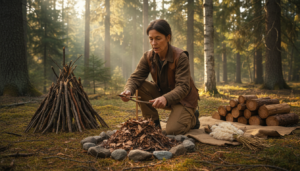
- Practice building a fire using dry tinder and amadou.
- Create potable water by boiling, filtering, or building a solar well.
- Forage for food by recognizing edible plants in your backyard.
- Learn to tie knots for building shelter and making tools.
- Practice basic first aid for common survival threats.
Table of Contents
Why Practicing Survival Skills Matters
In today’s world, survival skills are more vital than ever. They’re not just for extreme situations. They also boost confidence and self-reliance in everyday life.
Building Self-Reliance in Uncertain Times
Survival skills training makes you more self-sufficient. You learn to navigate, find food, and give first aid. This self-reliance training gives you a sense of security and confidence.
The Benefits of Regular Practice
Practicing survival skills regularly makes them second nature. It also shows what you need to work on. Here are some key benefits of regular practice.
| Skill | Benefit | Frequency of Practice |
|---|---|---|
| Water Purification | Safe Drinking Water | Monthly |
| First Aid | Emergency Response | Quarterly |
| Food Preservation | Long-Term Food Supply | Bi-Monthly |
Adding survival skills practice to your routine boosts your emergency response skills. It helps build a more resilient lifestyle.
Setting Up Your Home Survival Training Area
A well-designed home survival training area can boost your emergency preparedness practice. It gives you a dedicated space to learn and practice survival skills.
Indoor Practice Spaces
Indoor areas can be used for practicing survival skills. For example, you can set up a first aid station in your living room or kitchen. Use a basic first aid kit to practice wound cleaning and dressing.
You can also use a spare room or closet for survival gear. Store flashlights, radios, and multi-tools there to practice.
Utilizing Your Backyard for Skills Development
Your backyard is great for hands-on survival skills. You can practice building a fire, creating a shelter, and foraging for food. Set up a fire pit or ring to practice starting fires with matches, lighters, or firestarters.
You can also build a shelter or lean-to using branches and leaves. Practice identifying edible plants and berries in your backyard.
Essential Water and Food Survival Skills to Practice
Being ready for any situation means learning survival skills. This includes how to collect water and preserve food. These skills help you deal with emergencies and uncertain times. By practicing at home, you can become more independent.
Water Collection and Purification Methods
Having clean drinking water is key in survival. It’s important to learn how to collect and purify water. You can boil water to kill germs, use filters to remove dirt, or make solar stills to get water from plants or mud.

Food Preservation Techniques
Keeping food safe is another survival skill. You can practice food preservation at home. This includes canning to kill bacteria, dehydrating to stop growth, and smoking to preserve food.
Growing Emergency Food Supplies
Growing your own food is a great way to have a steady supply. You can grow vegetables and herbs in your backyard or indoors. Learning to garden and care for these plants ensures food during emergencies.
How to Practice Survival Skills at Home Without Expensive Equipment
You can learn vital survival skills at home without spending a lot. Using items you already have makes it affordable and easy.
Improvised Tools and Resources
Improvising is a big part of survival skills. You can turn household items into tools. For instance, a kitchen knife is very useful.
Common household items and their uses include:
| Item | Potential Use |
|---|---|
| Duct Tape | Repairing gear, securing shelter |
| Twine or String | Creating shelter, securing items |
| Cardboard | Insulation, signaling device |
Budget-Friendly Training Exercises
Doing budget-friendly training is key. You can practice first aid, build shelters, and use a compass.
Repurposing Household Items for Survival
Turning household items into survival tools is smart. Old blankets can signal for help or make a shelter. Plastic containers are great for storing water or food.
Being creative and resourceful lets you improve survival skills without spending a lot.
Mastering Fire, Shelter, and First Aid Skills Indoors
To be truly prepared, it’s key to learn fire, shelter, and first aid skills at home. Practicing survival skills indoors boosts your emergency response skills. This section will show you how to do it safely.
Safe Fire-Starting Practice Methods
Practicing fire-starting indoors is safe with the right methods. You can use fire starters or a fire pit made for indoor use. It’s vital to follow safety rules to prevent accidents. Using lighters or matches in a safe place builds your fire-starting confidence.

Indoor Shelter Building Concepts
Learning to build shelters indoors is useful. You can use blankets, chairs, and other furniture. This skill is key for making a safe space in emergencies.
First Aid Training and Emergency Medical Skills
First aid and emergency medical skills are vital for emergencies. You can take online courses or practice with a first aid kit at home. Learning basic first aid techniques like CPR and wound care boosts your emergency response skills.
Mastering these skills indoors boosts your self-reliance and readiness for unexpected situations. Regular practice and training keep you calm and effective in emergencies.
Conclusion
Adding emergency preparedness practice to your daily life boosts your ability to handle unexpected events. It’s smart to practice survival skills at home. This builds your self-reliance and confidence.
Practicing survival skills at home helps you learn important skills. You’ll learn how to collect and purify water, preserve food, and do first aid. These skills are key in emergencies, helping you stay safe and respond well.
Start practicing survival skills at home with the tips from this article. Regular practice makes you proactive and ready for any challenge. It ensures you’re always prepared for emergencies.
FAQ
What are the most essential survival skills to practice at home?
Key survival skills to practice at home include first aid and water collection. Also, food preservation, building shelters, and starting fires are important. These skills help you be self-reliant and ready for emergencies.
How can I create a home survival training area without a large backyard?
To create a survival training area indoors, pick a spot for practicing skills like knot-tying and first aid. Use minimal equipment. For outdoor practice, even a small balcony or patio works.
What are some budget-friendly ways to practice survival skills at home?
Practice survival skills at home without spending much by improvising tools and using household items. Look for free or low-cost training online or try DIY projects.
How can I practice water collection and purification methods at home?
Practice water collection and purification at home by setting up a rainwater system. Use a water filter or purification tablets. Try different ways to purify water, like boiling or solar disinfection.
What are some safe ways to practice fire starting at home?
Safe ways to practice fire starting at home include using a fire pit or candle. Practice with a lighter or matches in a safe place. Try alternative methods like ferrocerium rods or bow drills.
How can I incorporate survival skills practice into my daily routine?
Incorporate survival skills into your daily routine by setting aside time each week. Practice a new skill, like first aid or shelter building. Use survival skills in daily activities, like cooking or gardening.
What are some common mistakes to avoid when practicing survival skills at home?
Avoid common mistakes by following safety protocols and practicing regularly. Don’t skip seeking guidance from experienced instructors or online resources.
How can I stay motivated to continue practicing survival skills at home?
Stay motivated by setting goals and tracking your progress. Find a community of people who share your interests. Reward yourself for reaching milestones in your training.