Driving in low visibility can be very dangerous. Reduced visibility from fog, rain, or snow makes roads hard to see. It’s very important to know the risks and take steps to stay safe.
When it’s hard to see, you need to drive differently. Slow down, use the right lights, and leave more space behind you. For more tips, check out the Official MTO Drivers Handbook. It has lots of advice for driving in bad weather.
Key Takeaways
- Slow down in low visibility conditions to reduce the risk of accidents.
- Use low-beam headlights in foggy or snowy conditions to improve visibility.
- Increase your following distance to allow for sufficient stopping time.
- Avoid stopping on the traveled portion of the road unless absolutely necessary.
- Keep your windshield and windows clean to maximize visibility.
Table of Contents
Understanding Low Visibility Hazards
Navigating in low visibility is tough. It’s important to know the hazards. Low visibility comes from many factors. Knowing these helps us stay safe.
Common Causes of Low Visibility
Low visibility comes from nature and human actions. Knowing why helps us avoid dangers.
Natural Phenomena: Fog, Snow, Rain
Fog, snow, and rain make it hard to see. Fog, for example, can make it tough to move around.
Man-made Conditions: Smoke, Dust, Light Pollution
Smoke, dust, and city lights also reduce visibility. These are human-made problems.
Risks and Dangers of Moving in Poor Visibility
Driving in fog or snow is risky. It can cause accidents and make you lose your way. Knowing these risks helps us stay safe.
| Risk | Description |
|---|---|
| Accidents | Increased risk of collisions or falls due to reduced visibility. |
| Disorientation | Loss of direction or sense of place due to inability to see surroundings clearly. |
| Anxiety | Psychological distress caused by the uncertainty and fear of navigating in low visibility. |
Psychological Effects of Limited Visibility
Not seeing well can stress us out. It can make us feel anxious. Knowing this helps us get ready for tough conditions.
Essential Preparation Before Venturing Out
Before you go out in foggy weather, make sure you’re ready. This means taking a few important steps. These steps help keep you safe when you can’t see well.
Weather and Condition Monitoring
First, check the weather and road conditions. Look at the forecast and any warnings in your area. Use weather apps or websites for the latest info.
Route Planning and Familiarization
Plan your route ahead of time. Know the terrain and dangers along the way. This includes:
Creating Mental Maps of Your Environment
Imagine your route and the area around you. Find important landmarks to help guide you.
Identifying Potent Hazards in Advance
Know about dangers like steep hills, rivers, or thick forests. Note any risky spots in low light.
| Potential Hazards | Precautions |
|---|---|
| Steep Slopes | Use trekking poles or a walking stick for stability. |
| Dense Forests | Stay close to marked trails and avoid wandering off. |
| Water Bodies | Be cautious of slippery banks and fast currents. |
Informing Others of Your Plans
Tell someone where you’re going and when you’ll be back. This helps rescue teams find you if needed. Share your route with a friend or family member.

How to Move Safely in Low Visibility Conditions
When it’s hard to see, you need to be ready, aware, and careful. Whether you’re walking or driving, changing how you move can help stay safe.
Adjusting Your Pace and Movement
First, slow down. This is true for both walkers and drivers. Walkers should walk slower and use canes or sticks to find things ahead.
Walking Techniques for Poor Visibility
Use a stick or cane to feel your way. Keeping your hands out can also help find things. Safety tips say to walk slowly and steadily.
- Use a walking stick or cane.
- Keep your hands out in front to detect obstacles.
- Maintain a steady, slow pace.
Driving Adjustments in Low Visibility
Drivers should slow down a lot. Using low-beam headlights can cut down on fog glare. Also, leave more space to stop suddenly.
| Driving Adjustment | Benefit |
|---|---|
| Reduce Speed | Increased reaction time |
| Use Low-Beam Headlights | Reduced glare |
| Increase Following Distance | More time to react to hazards |
Maintaining Orientation and Direction
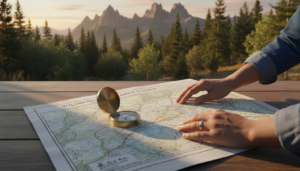
It’s important to know where you are and where you’re going. Use a compass and know your path. For groups, pick a leader to keep everyone together.
Key strategies include:
- Using a compass for navigation.
- Having a clear understanding of your route.
- Designating a leader for group movements.
Communication Techniques in Groups
Talking clearly is key in groups when it’s hard to see. Use words and stay close to avoid getting lost.
By following these tips, you can lower the risks of moving in low visibility.
Navigating Different Low Visibility Environments
Different low visibility conditions need special strategies for safe travel. Places like fog, darkness, smoke, and winter whiteout are unique challenges. They require specific techniques to stay safe.
Moving Safely in Fog and Mist
When in fog or mist, slow down and use fog lights or special gear. Keep a steady path and use sounds to avoid crashes.
Techniques for Darkness and Nighttime
Navigating at night needs preparation and the right tools. Use night vision, keep a light, and know the area. Avoid sudden moves and keep a steady pace.
Navigating Through Smoke or Dust
In smoke or dust, protect your breathing and stay oriented. Use a mask, stay low, and find landmarks to navigate.
Winter Whiteout Conditions
In winter whiteout, visibility is almost zero. Stay calm, use visual clues, and rely on compasses and GPS. Travel with others and keep a steady pace for safety.
By using these strategies, you can lower the risks of navigating low visibility areas.
Essential Equipment for Low Visibility Safety
Having the right gear is key to staying safe when it’s hard to see. The right tools can help you avoid dangers in fog, mist, or dark places.
Visibility Enhancement Tools
Tools that help you be seen and see better are very important. They include:
Reflective Clothing and Materials
Reflective clothing and materials reflect light back. This makes you more visible in the dark.
Lights and Illumination Devices
Lights and illumination devices like flashlights or glow sticks are essential. Pick ones that are reliable and last long.

Navigation and Orientation Devices
Devices that help you stay on course are vital. They include:
GPS and Electronic Navigation Tools
GPS devices and electronic tools give you exact directions. But remember, they can run out of battery or lose signal.
Traditional Navigation Methods
Traditional methods like compasses and maps don’t need batteries. They’re good backups.
Emergency and Communication Equipment
Having the right gear for emergencies and communication is critical. This includes:
- Two-way radios or walkie-talkies for communication
- Emergency whistles to signal for help
- First aid kits for treating injuries
The table below shows the essential equipment for low visibility safety:
| Equipment Category | Examples | Purpose |
|---|---|---|
| Visibility Enhancement | Reflective clothing, LED lights | Improve visibility |
| Navigation and Orientation | GPS devices, compasses | Maintain direction |
| Emergency and Communication | Two-way radios, emergency whistles | Call for help, communicate |
Conclusion
Moving safely in low visibility needs preparation, awareness, and caution. We talked about the dangers of low visibility, getting ready with the right gear, and knowing how to move around. These steps help lower risks.
Using safe driving habits is key. This includes wearing a seat belt, planning a safe ride, and staying focused on the road. These actions help prevent accidents, not just in low visibility.
In short, being ready and careful in low visibility is very important. By following the tips in this article and knowing about safety, we can keep ourselves and others safe.
FAQ
What are the most common causes of low visibility?
Fog, mist, snow, and dust are natural causes. Smoke and pollution come from humans. Knowing these can help you get ready for low visibility.
How can I prepare for moving in low visibility conditions?
Check the weather and road conditions first. Plan your route and know the area. Tell others where you’re going.
What are some safety tips for walking in low visibility conditions?
Move slowly and carefully to avoid accidents. Use flashlights or reflective gear. Keep track of your direction with devices or landmarks.
How can I stay safe while driving in low visibility conditions?
Slow down and use low-beam headlights. Keep a safe distance from cars. Use fog lights or hazard lights if needed. Stay alert to avoid crashes.
What equipment is essential for low visibility safety?
You’ll need flashlights and reflective gear. Also, compasses, GPS, two-way radios, and emergency whistles are key.
How can I navigate through different low visibility environments?
Use your ears and tools in fog. In dark, use night vision or flashlights. In smoke or dust, wear a mask and stay low.
In winter whiteout, wear snow goggles and use a compass.
What are some communication techniques for groups in low visibility conditions?
Talk clearly and concisely to stay together. Use whistles or radios. Pick a meeting spot if you get lost.
How can I minimize the psychological effects of limited visibility?
Stay calm and focus on your surroundings. Use positive thoughts and remember your safety plans. Keeping in touch with others helps too.