Emergencies can happen without warning, leaving us feeling scared and unsure. Dr. Laura Hays, MD, FACEP, says, “Emergencies happen when we least expect them, and it’s easy to feel paralyzed by uncertainty in those critical moments.” It’s key to be ready, mainly when medical help is delayed. Knowing what to do can really help.
Being ready for emergencies means knowing what to do and feeling confident. Studies show that pre-hospital care and initial management are very important. By being informed and ready, we can make a big difference in emergencies.
Key Takeaways
- Understanding the importance of emergency preparedness
- Knowing the initial steps to take during medical emergencies
- The role of pre-hospital care in emergency management
- The significance of having the necessary knowledge and skills
- Being aware of the resources available for emergency situations
Table of Contents
Understanding the Critical First Minutes
Quick action in the first few minutes is key in medical emergencies. It’s important to quickly assess the situation to give the best care.
Assessing the Situation Safely
Make sure you’re not in danger before you act. Check the area for hazards and take steps to stay safe. This might mean turning off dangerous devices or moving someone to a safer spot.
The Importance of Staying Calm
Staying calm is very important in emergencies. It helps you think clearly and make good choices. The American Heart Association says quick action is key in heart attacks, showing how important calm and fast thinking are.
Prioritizing Life-Threatening Conditions
Find the most urgent problems first, like severe bleeding or trouble breathing. Focus on these first to get the right care quickly. Use what you’ve learned to guide your actions.
Essential Emergency Supplies Everyone Should Have
Dr. Laura Hays says a good first aid kit is key for emergencies. Having the right stuff can really help in a medical crisis.
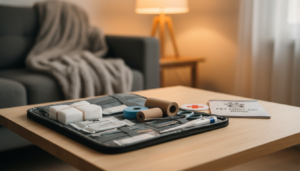
Building a Complete First Aid Kit
A complete first aid kit is the base of being ready for emergencies. It needs many items to handle different injuries and health issues.
Basic Supplies Checklist
- Bandages and band-aids
- Antiseptic wipes and ointment
- Pain relievers and antihistamines
- Gauze pads and rolls
- Medical tape
Special Items for Remote Areas
For emergencies in far-off places, you need more special items.
| Item | Purpose |
|---|---|
| Tourniquet | To stop severe bleeding |
| Snake bite kit | For venomous snake bites |
| Emergency blanket | To keep warm |
Medication Essentials for Emergency Situations
It’s important to have key medicines ready. This includes epinephrine auto-injectors for allergic reactions and pain medicines.
Tools and Equipment for Wilderness Emergencies
Along with medical stuff, the right tools and equipment can save lives. This includes a first aid guide, flashlight, and multi-tool.

Basic Life-Saving Techniques You Must Know
Knowing basic life-saving techniques can be a lifesaver when medical help is delayed. It’s important to have the right knowledge in critical situations. This can greatly improve outcomes.
CPR and Rescue Breathing Fundamentals
Cardiopulmonary resuscitation (CPR) is key in many emergencies. It’s used for heart attacks or near drowning when someone stops breathing or beating their heart. The American Heart Association says CPR can double or triple survival rates for cardiac arrest.
- Check the scene for safety and call for help.
- Start CPR with 30 chest compressions followed by two rescue breaths.
- Continue the cycle until medical help arrives.
Controlling Severe Bleeding
Severe bleeding can cause shock and death if not stopped quickly. To control bleeding, you can use:
Direct Pressure and Elevation
Apply direct pressure to the wound with a clean cloth or bandage. Also, elevate the injured limb above heart level to reduce blood flow.
When and How to Use Tourniquets
A tourniquet stops severe bleeding that can’t be controlled by other means. Apply it between the wound and the heart, tighten until bleeding stops, and note the time.
Managing Airways and Preventing Choking
Managing airways is vital in medical emergencies. Use the head-tilt chin-lift to open the airway. For choking, try back blows or abdominal thrusts.
Learning these basic life-saving techniques can help you cope with delayed medical help. It also prepares you for medical crises during delays.
How to Handle Medical Emergencies When Help Is Delayed
When medical help is slow to arrive, acting quickly is key. Studies show that fast action can prevent serious problems in emergencies. https://www.ncbi.nlm.nih.gov/books/NBK617429/ Knowing how to handle these situations is important.
Creating a Structured Response Plan
A good plan includes checking the situation, calling for help, and starting care. It should fit the emergency and the tools you have.
Documenting Vital Signs and Symptoms
Keeping track of vital signs and symptoms is vital. This helps doctors when they get there. It includes pulse, breathing, and any symptoms the patient has.
Making Critical Care Decisions
Deciding on care involves choosing the best action for the patient. It depends on their condition and what you can do.
Determining Treatment Priorities
Figuring out what to do first is key in emergencies. It’s about finding the most urgent needs.
When to Attempt Evacuation vs. Sheltering in Place
Choosing to leave or stay depends on the emergency and safety. Evacuation is needed if it’s not safe. Sheltering in place is safer if leaving is risky.
- Assessing the severity of the emergency
- Evaluating the safety of the environment
- Determining the availability of resources for evacuation or shelter
Responding to Specific Emergency Situations
Medical emergencies come in many forms. Knowing how to handle each one is key for good first aid. Whether it’s a heart problem, brain issue, injury, or environmental danger, the right action can save lives.
Cardiac Emergencies: Heart Attacks and Chest Pain
Heart attacks need quick action. Look for chest pain, shortness of breath, and arm or jaw pain. Call for help and give aspirin if you have it.
Neurological Emergencies: Strokes and Seizures
Strokes are serious. Use the F.A.S.T. method to spot them (Face drooping, Arm weakness, Speech difficulty, Time to call emergency services). The American Stroke Association says every minute counts. For seizures, keep the person safe and wait for it to pass.

Traumatic Injuries: Fractures, Dislocations, and Head Trauma
Trauma needs careful handling. Use ice to reduce swelling and immobilize the area. Watch for worsening signs in head trauma, like confusion.
Environmental Emergencies: Hypothermia, Heat Stroke, and Drowning
Hypothermia and heat stroke need fast action. Warm up slowly for hypothermia and cool down fast for heat stroke. For drowning, start CPR if they’re not breathing.
Medical Emergencies: Diabetic Crisis, Allergic Reactions, and Breathing Problems
Medical crises like diabetes, allergies, and breathing issues need specific care. Give epinephrine for allergies and glucose for low blood sugar. For more help, check emergency response resources.
Knowing how to handle these emergencies can save lives. Being ready and knowing first aid tips can make a big difference in medical emergency response situations.
Improvising Medical Care with Limited Resources
In emergencies, knowing how to improvise can save lives. Good emergency plans can really help patients.
When we don’t have much, we must find other ways to care for people. This means making splints and slings, finding new ways to treat wounds, and using everyday items for medical needs.
Creating Emergency Splints and Slings
Making splints and slings can help fix injuries. For example, a wooden piece and cloth can hold a broken limb in place.
Alternative Wound Care Methods
Without usual supplies, we can use other ways to clean and cover wounds. Just clean water and a clean cloth can do a lot.
Repurposing Common Items for Medical Use
We can use common things for medical help. Like a belt as a tourniquet or a scarf to hold an injured arm.
| Item | Medical Use | Example |
|---|---|---|
| Belt | Tourniquet | Apply tight above the wound to stop bleeding |
| Scarf | Sling | Support an injured arm |
| Cloth | Wound Dressing | Cover and protect the wound |
Communication Strategies During Medical Crises
In medical crises, clear and quick communication is key. It helps get the right help to the right place fast.
Effective Use of Limited Communication Resources
When help is slow, using what you have is important. This means phones, radios, or any device to send or get info.
Providing Clear Information to Emergency Services
When you call for help, be clear and quick. Tell them where you are, what’s happening, and how many people are involved.
| Information Type | Details to Provide |
|---|---|
| Location | Exact address or GPS coordinates |
| Nature of Emergency | Type of medical crisis (e.g., heart attack, injury) |
| Number of People Involved | Number of individuals affected |
When and How to Signal for Help
There are many ways to signal for help. Choose based on where you are and what you have.
Using Technology: Phones, Satellite Devices, and Emergency Beacons
Technology helps a lot in getting help. Things like satellite phones and emergency beacons send signals to responders.
Visual signals like flares or bright clothes work well in the wild. Audio signals, like whistles, are good too.
Key Takeaway: Good communication in emergencies means using what you have wisely. Be clear with emergency services and signal for help when needed.
Handling Medical Emergencies Effectively
Being ready for medical emergencies is key, even when help is slow. Knowing how to handle medical emergencies when help is delayed can greatly change the outcome of serious situations.
Dr. Laura Hays says learning basic first aid and CPR is important. It gives people the confidence and skills to act in urgent times. With the right knowledge and tools, people can give good care until help comes.
Emergency preparedness without quick help needs the right mindset, knowledge, and resources. By making a detailed first aid kit, learning basic life-saving skills, and knowing how to handle emergencies, people can manage medical emergencies better.
By learning these important skills, people can make a big difference in emergencies. They can save lives and lessen the severity of injuries.
FAQ
What are the most critical steps to take during a medical emergency when help is delayed?
First, assess the situation safely. Stay calm and prioritize life-threatening conditions. Keep a first aid kit ready and know CPR and how to stop severe bleeding.
How do I create a structured response plan for medical emergencies?
Start by identifying emergency situations and their risks. Make a plan with emergency contacts, essential supplies, and a decision on evacuation or staying put.
What are the essential items to include in a first aid kit for remote areas?
A remote area first aid kit needs bandages, antiseptic wipes, and pain relievers. Don’t forget personal meds. Include tourniquets, splints, and epinephrine auto-injectors too.
How do I manage severe bleeding when help is delayed?
Apply direct pressure to the wound. Elevate the limb if you can. Use a tourniquet if needed to stop life-threatening bleeding.
What are the signs and symptoms of a cardiac emergency, and how should I respond?
Look for chest pain, shortness of breath, and dizziness. If it’s a heart attack, call emergency services. Start CPR if the person is unresponsive.
How can I improvise medical care with limited resources?
Use materials to make splints and slings. Repurpose items like a shirt as a bandage or a stick as a splint.
What are the best ways to communicate with emergency services during a medical crisis?
Give clear, concise info about the emergency. Include location, emergency type, and number of people involved.
How do I determine whether to evacuate or shelter in place during a medical emergency?
Consider the emergency’s severity, medical supplies, and injury risks. Evacuate if it’s life-threatening.
What are some effective strategies for signaling for help during a medical emergency?
Use flares or brightly colored clothing for visual signals. Whistles and satellite phones are good for audio and tech signals.
Why is it essential to learn basic first aid and CPR?
Knowing first aid and CPR helps you respond well in emergencies. It can save lives and reduce injury severity.