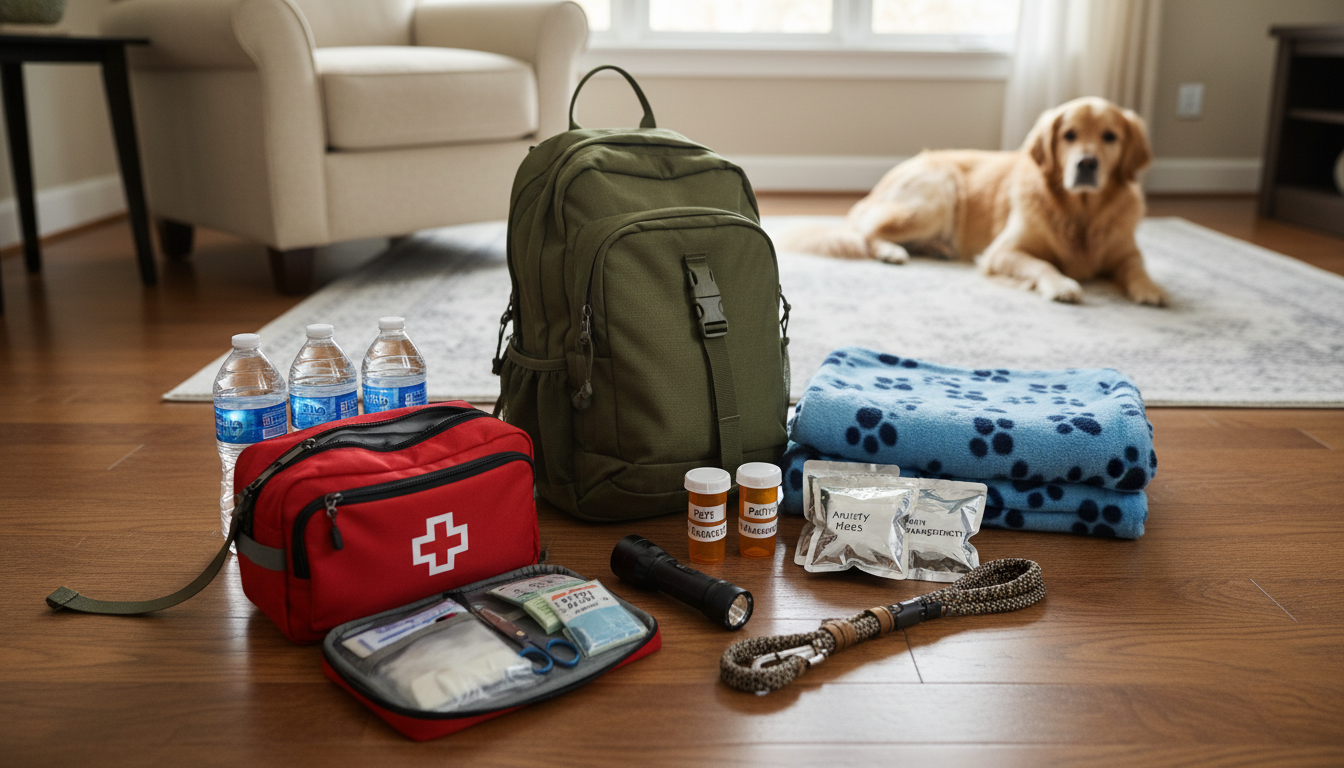
In times of crisis, having a safe place is key. A bug out location is your safe spot when emergencies happen and you can’t stay home. It’s for natural disasters, civil unrest, or unexpected dangers. A good bug out location means you’re ready for anything.
Not being ready can lead to serious problems. A good bug out location offers safety and resources in a crisis. It’s not just any place. It’s a spot you’ve chosen carefully to keep you safe.
For more tips on picking the best bug out location, check out this article. It talks about what makes a good bug out location, like being able to take care of yourself and being easy to get to.
Key Takeaways
- Understand the importance of a bug out location in emergency preparedness.
- Identify key factors for a bug out location, including self-sufficiency and accessibility.
- Consider the legality of your chosen bug out location.
- Plan for long-term sustainability at your bug out location.
- Assess possible risks and threats at your bug out location.
Table of Contents
Understanding Bug Out Locations: What They Are and Why You Need One
It’s important to know what a bug out location is and why it’s key for survival. A bug out location, or survival retreat, is a safe spot to go to in an emergency. It’s a place you can retreat to when disaster strikes.
Defining Bug Out Locations in Emergency Preparedness
A bug out location can be a remote cabin, a hidden spot in the wilderness, or a temporary shelter. It must be self-sufficient and easy to get to. It also needs to be hidden to keep it safe from unwanted visitors.
Scenarios That Might Require Evacuation
Many situations might make you need to leave for a bug out location. This includes natural disasters like hurricanes, wildfires, or floods. It also includes man-made crises like economic collapse or social unrest. For more tips on bugging in, check out 26 Ultimate Tips for Bugging In.
The Importance of Planning Ahead
Planning is key for bug out locations. You need to pick a location and make sure it has what you need. This includes supplies, a way to communicate, and safety. Important things to think about include:
- How close it is to your home
- How easy it is to get to
- How safe and defendable it is
- Availability of water and food
Essential Criteria for How to Choose the Right Bug Out Location
Finding the right bug out location is key. You need to look at several important factors. These will help keep you safe and alive in emergencies.
Distance from Your Primary Residence
The distance to your bug out location matters a lot. It should be far enough to be safe but not too far to travel.
The 50-100-200 Mile Rule
The 50-100-200 mile rule is often followed. It says to pick a location 50 miles away for cities, 100 miles for suburbs, and 200 miles for rural areas. This helps avoid chaos and threats.
Travel Time Considerations
Travel time is just as important as distance. Think about how long it takes to get there, considering traffic, weather, and roadblocks. Aim for a place you can reach in a few hours.
Accessibility and Multiple Routes
Getting to your bug out location is essential. It should have multiple paths so you can get there even if one is blocked.
All-Season Access Evaluation
Check if your bug out location is accessible in all seasons and weather. Make sure the paths you use are good all year.
Alternative Transportation Methods
Think about other ways to get there, like bikes, horses, or walking. This is helpful if driving is not possible.

Security and Defensibility Considerations
Keeping your bug out location safe is critical. Look for natural barriers and advantages that help defend it.
Natural Barriers and Advantages
Features like mountains, rivers, or forests can protect you. Think about how these can help defend your location.
Line of Sight and Approach Monitoring
Make sure your location has good visibility and lets you watch approaches. This helps spot threats early.
Privacy and Isolation Factors
Lastly, think about the privacy and isolation of your location. It should be hidden but not too far away from help.
| Criteria | Importance Level | Evaluation Factors |
|---|---|---|
| Distance | High | 50-100-200 mile rule, travel time |
| Accessibility | High | Multiple routes, all-season access |
| Security | Critical | Natural barriers, line of sight |
| Privacy | High | Isolation, seclusion |
By looking at these key criteria, you can find a great bug out location. It will help you survive in emergencies.
Geographical and Environmental Considerations
When picking a bug out location, the area’s geography and environment are key. You need to check if the location can support you for a long time. This includes making sure it’s safe and comfortable.
Climate and Weather Patterns
Knowing the climate and weather of your bug out spot is important. Look at both short-term weather changes and long-term trends.
Seasonal Challenges and Adaptations
Each season brings its own challenges, like cold winters and hot summers. Being ready for these changes is essential for survival.
Long-term Climate Stability
It’s smart to check if an area’s climate stays the same over time. Places with droughts or extreme weather might be riskier.
Natural Resources: Water, Food, and Fuel
Your bug out location should have basic natural resources. You need clean water, food sources, and ways to make fuel.
Water Source Identification and Assessment
Finding a good water source is critical. This could be a river, stream, pond, or well. It’s also important to check if the water is safe to drink.
Wild Edibles and Game Availability
Places with lots of wildlife and plants can be a good food source. Knowing what plants and animals are safe to eat is key.
Sustainable Firewood and Alternative Fuels
Having a way to make fire for heat and cooking is important. Using sustainable firewood or alternative fuels like solar or biofuels is better. It helps the environment and saves resources.
| Resource | Importance | Considerations |
|---|---|---|
| Water | High | Quality, Accessibility, Sustainability |
| Food | High | Availability, Nutritional Value, Sustainability |
| Fuel | Medium | Sustainability, Availability, Alternative Options |
Natural Disaster Risk Assessment
Checking for natural disaster risks is important when choosing a bug out location. Look at the chances of floods, wildfires, and earthquakes.
Flood Plains and Water Risks
Places near rivers or low areas can flood. Knowing the flood history helps avoid dangerous spots.
Fire Danger Zones
Areas that often have wildfires are risky. It’s important to know the fire danger and have plans to stay safe.
Geological Stability
Areas with unstable geology, like fault lines or volcanoes, are dangerous. It’s important to research the area’s geological history and current stability. This is important for environmental resilience.
Practical Requirements for a Sustainable Bug Out Location
When getting ready for emergencies, the practical parts of a bug out location are key. A sustainable bug out location is vital for long-term survival. It needs careful thought about several important factors.
Shelter Options and Requirements
The shelter is a key part of any bug out location. It keeps you safe from the weather and dangers. Think about both existing buildings and building new ones.
Existing Structures vs. Building New
Existing buildings can give you shelter right away but might need fixing. Building new lets you tailor it to your needs but takes more time and money. For more info, check The Prepper FAQ.
Temporary vs. Permanent Solutions
Tents are fast to set up but not good for long-term weather. Cabins or earthships last longer but cost a lot upfront.

Food Production
Being able to grow food is key for staying alive. Check the land’s soil and growing season length.
Soil Quality Assessment
Soil quality affects how well you can grow food. Test the soil for nutrients and pH to see if it’s good for crops.
Growing Season Length
The growing season length affects what you can grow and how many times. Knowing the local weather is important for planning.
Water Collection and Purification
Clean water is essential. Use systems for rainwater and purification to have a steady supply.
Rainwater Harvesting Systems
Rainwater harvesting collects and stores rainwater for later use. Use rooftop systems and tanks for this.
Filtration and Treatment Methods
Methods like filtration and UV treatment make collected water safe to drink.
Energy Sources and Independence
Being energy independent makes a bug out location more sustainable. Use renewable energy like solar, wind, and micro-hydro.
Solar, Wind, and Micro-Hydro
Check if your site is good for solar, wind, and micro-hydro energy. Look at the natural resources and weather.
Off-Grid Power Systems
Off-grid systems, like batteries, let a bug out location work without the grid. This makes it more resilient in emergencies.
In summary, a good bug out location needs careful planning in several areas: shelter, food, water, and energy. By thinking about these, you can improve your survival and comfort during long emergencies.
Conclusion: Making Your Final Decision on a Bug Out Location
Choosing the right bug out location is very important. It needs careful thought about many things. A good location should be far from your home, easy to get to, and safe from dangers.
Look at the area’s climate, natural resources, and disaster risks. Also, think about what you need to survive. This includes a place to live, food, water, and energy.
By thinking about these things, you can pick a bug out location that’s right for you. Being ready is key, and picking the right location is a big part of that. Learn How to Choose the Right Bug Out Location to secure your future.
A good bug out location is a safe place in emergencies. It lets you stay independent and self-sufficient. Spend time looking at different places and choose one that fits your emergency plans.
FAQ
What is a bug out location?
A bug out location is a safe spot to go in an emergency. It has what you need to survive.
Why is having a bug out location important?
It’s key for being ready for emergencies. It lets you quickly move to a safe place with what you need. This lowers the chance of getting hurt.
What are the key factors to consider when selecting a bug out location?
Look at distance, how easy it is to get to, and if it’s safe and private. Also, think about the weather, natural resources, and disaster risks.
How far should a bug out location be from my primary residence?
The distance depends on the emergency and your situation. It should be far enough to be safe but close enough to get to easily.
What are the essential resources needed for a sustainable bug out location?
You’ll need a place to live, ways to get food, and systems for water and energy. Solar or wind power is good for energy.
How can I assess the natural disaster risk for a potentially bug out location?
Check if the area has had disasters like floods or earthquakes. Look at the terrain, weather, and climate to see the risk.
What type of shelter is suitable for a bug out location?
Good shelters are cabins or earthships. They protect from weather and threats. Think about how safe and warm they are.
How can I ensure a reliable food supply at my bug out location?
Grow your own food, keep animals, and learn to preserve food. This way, you’ll always have healthy food.
What are the best energy solutions for a bug out location?
Use solar, wind, or hydro power. These options make you energy independent. They also help you not rely on the grid.