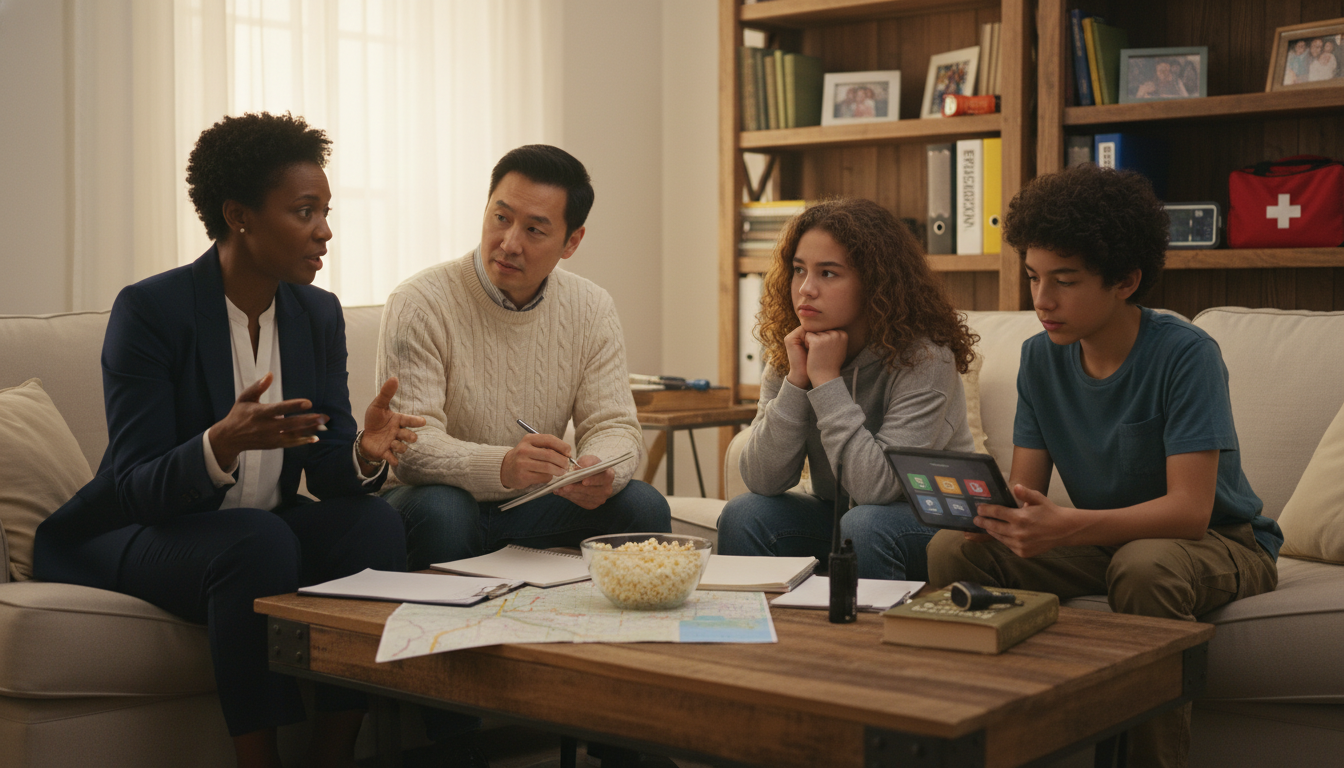
In today’s world, building a community with others is key. It helps us be stronger and support each other in tough times. For preppers, joining forces can make a big difference.
By starting a prepper group, we can share what we know. We can also help each other, making us better prepared for challenges.
To build a strong community, start with simple talks about being ready for emergencies. Then, invite people to meet and share resources. This way, we grow closer and get ready for anything.
For more tips on prepping together, check out Reality Studies.
Key Takeaways
- Building a prepper community enhances resilience and support during emergencies.
- Effective community building starts with casual conversations and neighborhood gatherings.
- Shared resource lists and mutual support are key to a successful prepper group.
- Local survivalist networks benefit from diverse skills and resources.
- Community prepping involves planning, resource sharing, and mutual aid.
Table of Contents
The Value of Prepper Communities
While prepping alone is important, it has its limits. Building a community is key to being ready. Alone, we face challenges like not having enough resources or knowledge. But together, we can overcome these hurdles.
Why Individual Prepping Has Limitations
Prepping by oneself can be tough due to personal limits. For example, one person can’t do everything, like medical care or self-defense. Working together helps fill these gaps. This way, we can share what we know and support each other.
Resource Multiplication Through Collective Effort
When we team up, we can do more than we could alone. We can share what we have and learn from each other. This makes our community stronger. For instance, we can start projects together that help us all get better prepared.
| Benefits of Collective Effort | Individual Prepping | Community Prepping |
|---|---|---|
| Resource Pooling | Limited by personal resources | Shared resources among members |
| Skill Sharing | Limited by personal skills | Variety of skills shared among members |
| Knowledge Base | Limited by personal knowledge | Collective knowledge and experience |
Finding Like-Minded Preppers in Your Area
Connecting with local preppers is key for a strong support network. This network can help face many challenges. You can use several strategies to find them.
Online Resources and Platforms
The internet is full of ways to meet preppers. Social media groups and forums about preparedness are great resources.
Social Media Groups and Forums
Online communities focused on survival and preparedness are helpful. Look for private Facebook groups or Reddit forums on these topics.
Preparedness Events and Expos
Going to events and expos about preparedness is a good idea. These events have workshops, vendor booths, and chances to meet others.
Local Community Venues and Organizations
Local spots and groups are great for meeting people with similar interests. Check out gun clubs, outdoor gear stores, or emergency response teams.
Subtle Indicators of Preparedness Mindset
Watching your neighbors can give hints about their preparedness. Look for signs like well-kept gardens, full pantries, or outdoor gear.
Making First Contact: Approaching Fellow Preppers
When you want to meet fellow preppers, think carefully. It’s important to be open but also careful. This helps build strong relationships.
First meetings are key to a community’s success. Being kind and real is important. This way, you start a foundation of trust and help.
Building Initial Trust Through Common Interests
Find things you all care about to start trust. Maybe it’s food safety, self-defense, or green energy. These shared goals are a good start.
Plan events around these topics. This draws people together. It’s a great way to start prepper group organization.

Conversation Strategies That Respect Privacy Concerns
Always respect people’s privacy when you meet. Don’t ask too many personal questions. This makes everyone feel safe.
Ask open-ended questions instead. This lets people share what they want. It’s a good way to build a prepper support network and keep everyone comfortable.
How to Build Community With Other Local Preppers
Building a strong prepper community starts with bringing people together who share the same values. It needs careful planning and a clear understanding of what everyone wants.
Establishing a Core Group with Shared Values
Finding people who think alike is key. Shared values and objectives are what hold a group together. This core group will lead the community and keep it going.
Creating Community Guidelines and Expectations
Having clear rules is important to keep things in order. These rules should cover things like communication protocols, meeting schedules, and how to solve problems.
Developing Secure Communication Channels
In today’s world, keeping talks private is critical. Using encrypted messaging apps and secure email services helps keep plans safe from prying eyes.
By focusing on these areas, preppers can create a strong community. A community that can face challenges together.
Organizing Meaningful Group Activities
To build a strong prepper support network, groups need to do activities that help share skills, pool resources, and plan for scenarios. These activities make everyone better prepared and help the group feel united and work together well.
Skill-Sharing Workshops and Training Sessions
Skill-sharing is key for a good prepper community. Workshops and training sessions let members share their knowledge in first aid, food saving, and self-defense. This way, everyone gets better and the community becomes stronger.
For example, someone with medical skills can teach first aid. Another with gardening knowledge can show how to grow food sustainably.
Group Purchasing and Resource Pooling Strategies
Group buying and sharing resources help a prepper community get ready better. By working together, members can buy more stuff at a lower cost. This means they can have more food, water, medical gear, and ways to talk to each other.
Good resource sharing needs good planning and teamwork. But it makes the group much more ready for emergencies.

Scenario Planning and Practice Drills
Planning for scenarios and doing drills are key to getting a prepper community ready for emergencies. By practicing different disaster situations, members can learn how to respond better. This training builds confidence and makes sure the group is ready for real emergencies.
Regular drills also make the group feel closer and more united. They work together to handle fake emergencies.
Maintaining Security and Privacy in Your Network
As preppers build their community, keeping the network safe and private is key. A secure network guards the community’s stuff and builds trust among members.
Vetting Processes for New Members
It’s important to have a good vetting process for new members. This means doing background checks, checking identities, and seeing if they fit the community’s values and skills. A strong vetting process keeps the community safe from risks.
Key vetting steps include:
- Conducting interviews to understand their motivations and preparedness level
- Verifying references from known community members or trusted sources
- Assessing their ability to maintain confidentiality and adhere to community guidelines
Information Compartmentalization Techniques
Keeping information safe is a big part of community security. By only sharing sensitive info when it’s needed, you lower the chance of it getting out.
| Compartmentalization Technique | Description | Benefit |
|---|---|---|
| Need-to-Know Access | Restrict information access based on individual roles or needs | Reduces the risk of information leakage |
| Data Encryption | Encrypt sensitive data both in transit and at rest | Protects against unauthorized data access |
| Secure Communication Channels | Utilize encrypted communication platforms for sensitive discussions | Ensures confidentiality of community communications |
Legal and Ethical Considerations for Prepper Groups
Prepper groups face many legal and ethical issues. They must make sure their efforts are both effective and responsible. It’s important to know the laws and ethics involved.
Understanding Mutual Aid Laws in Your Area
Mutual aid laws change a lot from place to place. It’s key for prepper groups to know these laws to stay out of trouble. Researching local regulations and talking to legal experts is a good start.
Some states protect volunteers who help during disasters. Knowing these laws helps your group stay legal.
| State | Mutual Aid Law | Key Provisions |
|---|---|---|
| California | California Good Samaritan Law | Protects volunteers from liability when providing aid |
| New York | New York State Good Samaritan Law | Provides immunity from liability for those rendering aid |
Balancing Preparedness with Community Responsibility
Prepper groups must think about their duty to the community. Balancing individual preparedness with community needs is important. This keeps good relations and helps everyone.
By doing community outreach and education, groups can build trust and cooperation. This makes their efforts better for the community.
Conclusion: Cultivating Resilience Through Community
Building a prepper community is key for better survival readiness. It helps by sharing resources, skills, and emotional support. A well-organized group can make a big difference in emergencies, helping members to do well, not just survive.
To begin, setting clear goals and a vision is vital. Finding like-minded preppers online or at local events is a good start. This builds a strong base for the group.
Following this guide helps create a strong support system. It boosts preparedness and group strength. Good organization means clear roles, a communication plan, and regular training. Together, preppers can build a strong community ready for challenges.
FAQ
What are the benefits of building a prepper community?
A prepper community lets people share resources and skills. It also offers mutual support. This makes everyone more prepared and resilient.
How can I find like-minded preppers in my area?
Look online for social media groups and forums. Attend preparedness events and visit local venues. You can also notice if your neighbors seem prepared.
What are some effective ways to make initial contact with fellow preppers?
Start by finding common interests. Be respectful of privacy. Use polite conversation to build trust.
How do I establish a strong prepper community?
Begin with a group that shares values. Create rules and expectations. Make sure you have secure ways to talk to each other.
What types of activities can I organize to enhance community preparedness?
Host workshops to share skills. Plan group buys and share resources. Practice drills to improve readiness and teamwork.
How can I maintain security and privacy within my prepper community?
Check new members carefully. Use secret ways to share important info. This keeps your community safe.
What legal and ethical considerations should I be aware of as a prepper group?
Know the laws about helping each other. Be responsible and considerate in your actions. Think about the legal and moral sides of your group’s actions.
How can I ensure that my prepper community is effective in a crisis?
Build a community with shared values and clear rules. Make sure you can talk securely. Practice and update your plans often to stay ready.
What are some strategies for fostering local prepper relationships?
Be friendly and respectful. Show real interest in others’ prep work. Go to local events and join online groups to meet others.
How can I contribute to building a prepper support network?
Share your skills and knowledge. Join in group activities and help when you can. This strengthens the community.