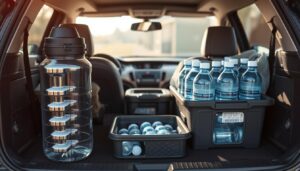
Bottled water is easy and refreshing. But, many wonder how long it lasts. The US Food and Drug Administration (FDA) says bottled water can last forever. Yet, its quality might change over time because of how it’s stored.
The FDA says many things can change bottled water’s quality. This includes how it’s stored and the type of bottle it’s in. For more details, check out our article on whether bottled water goes bad.
Key Takeaways
- The FDA considers bottled water to have an unlimited shelf life.
- Storage conditions can affect the quality of bottled water over time.
- The material of the bottle can impact the taste and safety of the water.
- Prefer glass or aluminum bottles to reduce plastic exposure.
- Check the taste and smell of bottled water before consumption.
Table of Contents
Understanding Bottled Water Shelf Life
Bottled water seems to last forever, but it’s not that simple. Many things can affect how long it stays good. Unlike other foods, bottled water doesn’t really expire.
What Manufacturers Say vs. Reality
Companies put a “best-by” date on bottled water. This date doesn’t always mean the water is unsafe. It’s more about the water’s quality. The actual shelf life depends on how it’s stored and the packaging.
FDA Regulations on Bottled Water Dating
The FDA doesn’t make bottled water have an expiration date. It sees bottled water as a food. But, some states might have their own rules for when bottled water should be used by.
Different Types of Bottled Water and Their Longevity
There are many kinds of bottled water, like spring, purified, and mineral. Each type can last differently. This depends on where it comes from and how it’s treated.
| Type of Bottled Water | Typical Shelf Life | Factors Affecting Longevity |
|---|---|---|
| Spring Water | 1-2 years | Source quality, packaging |
| Purified Water | 1-2 years | Treatment process, storage conditions |
| Mineral Water | 1-2 years | Mineral content, packaging material |
The Truth About Expiration Dates on Water Bottles
Expiration dates on bottled water are more about quality than safety. But what does this really mean for consumers? Bottled water makers often give these dates. Yet, people often don’t understand their true meaning.
Why Water Bottles Have Dates
Water bottles have dates to show the water’s quality. This includes taste, smell, and purity. The date shows how long the water will stay good if stored right.

What These Dates Actually Mean
The expiration date on bottled water doesn’t mean the water is unsafe after that. It just means the maker stops guaranteeing its quality. The water can be safe to drink after the date, if stored right.
Legal Requirements for Dating Water Products
In the United States, the FDA watches over bottled water but doesn’t need expiration dates. But, some states have rules about when to date bottled water. Makers might put dates on to make sure consumers know the water’s quality.
The key takeaway is that expiration dates on bottled water are mainly about quality, not safety. Knowing this can help ease worries and help people make better choices about bottled water.
How Long Bottled Water Really Lasts
Many people wonder how long bottled water stays good. Its shelf life depends on storage and the container type.
Unopened Bottled Water Lifespan
Unopened bottled water can last for years if stored right. Important factors include:
- Keeping it cool and dark
- Avoiding chemicals and strong smells
- Staying away from sunlight
With these conditions, unopened water stays fresh for a long time.
Opened Bottled Water Shelf Life
Opened water doesn’t last as long. It’s best to drink it:
- In a few days to a week in the fridge
- Within 24 hours at room temperature
Sealing the bottle tightly after use helps keep it fresh.
Differences Between Plastic and Glass Containers
The container type affects water quality. Glass containers are better than plastic because they:
- Don’t change the water’s taste or add chemicals
- Let less gas and moisture in
In summary, bottled water’s life depends on storage and container type. Knowing this helps consumers choose better.
Factors Affecting Bottled Water Quality Over Time
Bottled water’s quality changes over time. Knowing what affects it is key for those who want safe, fresh water.
Bottle Material Impact
The bottle type greatly affects water quality. Plastic bottles, like those made from PET (Polyethylene Terephthalate), are often used.
Plastic Bottles (PET vs. HDPE)
PET bottles are usually safe. But, PET can leach chemicals into water under certain conditions. HDPE is different.
Glass Bottles
Glass bottles are safer because they don’t leach chemicals. But, they’re heavy and can break easily.
Environmental Conditions
Environmental factors also impact bottled water quality.
Temperature Effects
High temperatures can cause chemical reactions in the bottle. This can affect water quality.
Sunlight Exposure
Sunlight can cause algae to grow in the water. This is more likely if the bottle isn’t well-protected.
Water Source and Treatment Methods

Knowing these factors helps consumers choose better bottled water.
Proper Ways to Store Bottled Water
How you store bottled water affects its taste, quality, and safety. It’s key to keep it fresh and extend its life.
Ideal Storage Conditions
Keep bottled water in a cool, dark spot. Stay away from sunlight and chemicals. The best temperature is between 50°F and 70°F (10°C and 21°C).
Storage Mistakes to Avoid
Don’t store water near heating vents or ovens. Also, avoid areas that flood easily. Keep it away from strong smells, as water can pick up odors.
Long-Term Storage Solutions
For long-term storage, use airtight containers. Rotate your stock every six months. This ensures older water is used first.
Emergency Water Storage Considerations
In emergencies, have a solid water storage plan. Store water where you can easily get to it. Check your water regularly for contamination.
Signs Your Bottled Water Has Gone Bad
Bottled water doesn’t last forever. Here are the signs it has gone bad. Over time, it can get contaminated or its quality can drop. This makes it unsafe or unpleasant to drink.
Visual Indicators
One of the first signs of bad bottled water is a change in appearance. Look for cloudiness, sediment, or particles in the water. If it looks unusual, it’s best to throw it away.
Smell and Taste Changes
If the water smells off or tastes unusual, it may have gone bad. Fresh water should smell and taste neutral. Any big change in smell or taste means it’s not good to drink.
Container Integrity Issues
Check the bottle for any damage or leakage. If the container is compromised, the water inside may be contaminated. Look for cracks, dents, or any damage that could affect the bottle’s integrity.
Potential Health Concerns
Drinking contaminated or spoiled bottled water can lead to health issues. This includes gastrointestinal problems. If you notice any signs, it’s best to discard the water to avoid health risks.
Extending the Freshness of Your Bottled Water
To keep bottled water fresh, follow a few easy steps. Once you open a bottle, drink it within a few days. Proper storage after opening is key.
Best Practices After Opening
After opening, make sure the bottle is tightly closed. Keep it in the fridge to slow down bacteria. This simple action can greatly extend the freshness of your bottled water.
Transfer and Storage Tips
If you won’t drink it right away, move the water to a clean, airtight container. Keep it away from sunlight and heat.
Sustainable Alternatives to Single-Use Bottles
Think about using refillable water bottles to cut down on waste. These options are good for the planet and help your bottled water last longer. They encourage drinking from one, long-lasting container.
Understanding the Lifespan of Bottled Water
The shelf life of bottled water depends on several things. These include where it’s stored, the material of the bottle, and how it’s handled. Manufacturers’ claims and FDA rules help us understand how long it lasts.
Storing bottled water right can make it last longer. Keep it away from sunlight and heat. The type of bottle, plastic or glass, also matters for its quality over time.
In short, knowing how long bottled water lasts is key. It helps keep it safe and fresh. By understanding what affects its shelf life and storing it correctly, we can enjoy clean drinking water.
FAQ
Does bottled water expire?
The FDA says bottled water doesn’t have an expiration date. But, its quality can go down over time because of how it’s stored.
What is the shelf life of unopened bottled water?
Unopened bottled water can last forever if it’s stored right. But, its quality might get worse with time.
How long does opened bottled water last?
Opened bottled water usually lasts a few days to a week. This depends on how it’s stored and handled.
What is the best way to store bottled water?
Keep bottled water in a cool, dark spot. It should be away from sunlight and chemicals to keep it fresh.
Can the type of bottle material affect the quality of bottled water?
Yes, the bottle material can change the water’s quality over time. Some materials might let chemicals into the water.
How can I tell if bottled water has gone bad?
Bad bottled water might look, smell, or taste different. Also, check for any damage to the container, like leaks.
Can I store bottled water for emergency purposes?
Yes, you can store bottled water for emergencies. Just make sure to store it right and check it often for spoilage.
Are there any sustainable alternatives to single-use bottled water?
Yes, you can use reusable water bottles or water filters. These are better for the planet and can save you money.
How can I extend the freshness of bottled water?
To keep bottled water fresh, store it well. Keep it away from strong smells and drink it within a few weeks.