During disasters, having clean drinking water is key for pets. Pet owners need to prepare to keep their pets safe. Without enough pet emergency water supply, pets can get dehydrated and sick.
At 72hours.ca, we have emergency water solutions for pet owners. These include water rations and containers. They help provide safe water for pets in emergencies.
Key Takeaways
- Having a pet emergency water supply is vital for pet survival during disasters.
- Pet owners should prepare emergency water solutions in advance.
- Dehydration can be a significant health risk for pets without access to clean drinking water.
- 72hours.ca offers a wide range of emergency water solutions for pets.
- Preparing for disasters includes having enough water storage for pets.
Table of Contents
Why Your Pets Need Emergency Water Supplies
When disasters hit, pets rely on us for water. They can’t get water or find clean sources by themselves. So, it’s key to have a plan ready.
Common Disaster Scenarios Affecting Water Supply
Natural disasters like hurricanes, earthquakes, and floods can mess up water systems. This leaves pets without clean water. For example, Hurricane Katrina made many pets dehydrated because of no clean water.
The Critical Timeline: How Long Pets Can Go Without Water
Pets can last different times without water, based on their size, age, and health. Usually, dogs and cats can go 3-5 days without water. But, in hot weather or for pets with health issues, this time can be much shorter.
| Pet Type | Survival Time Without Water | Recommended Water Storage |
|---|---|---|
| Dogs | 3-5 days | 1 ounce per pound of body weight per day |
| Cats | 3-5 days | 1 ounce per pound of body weight per day |
| Small Pets/Birds | Varies | Consult a veterinarian for specific needs |
For more tips on picking the best emergency water supplies, check out ClearH2O’s guide on the subject.
Calculating Your Pet’s Emergency Water Needs
It’s key to know how much water your pet needs in emergencies. A good rule is to store one ounce of water per pound of body weight per day for dogs and cats.
Water Requirements for Dogs
Dogs need different amounts of water based on their size and how active they are. Small breeds drink less, while large breeds drink more.
Small, Medium, and Large Breed Differences
Dogs of different sizes need different amounts of water. For example, a 10-pound small breed dog needs about 10 ounces of water each day.
Activity Level Considerations
Active dogs drink more water than less active ones. Think about how much your dog moves when figuring out their emergency water needs.
Water Requirements for Cats
Cats need less water than dogs. On average, a cat needs 3.5 to 4.5 ounces of water for every 5 pounds of body weight each day.
Water Needs for Small Pets and Birds
Smaller animals like birds and hamsters need less water but it should be changed more often. Birds, for example, might need their water changed every day because they burn energy fast.
Creating a Multi-Pet Water Storage Plan
If you have more than one pet, making a detailed water storage plan is important. Check out emergency water needs for pets for detailed advice.
| Pet Type | Water Needs per Pound | Daily Water Requirement Example |
|---|---|---|
| Dogs | 1 ounce/pound | 50 pounds = 50 ounces |
| Cats | 0.7-0.9 ounces/5 pounds | 10 pounds = 14-18 ounces |
| Birds | Varies by species | Typically less than 1 ounce |

Emergency Water Storage for Pets: Container Options
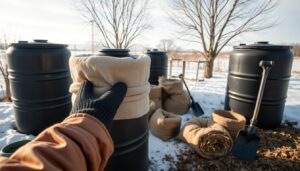
Keeping pets safe means having the right water containers. Look for containers that are strong, the right size, and easy to carry.
Food-Grade Plastic Containers
Food-grade plastic containers are great for storing water. They are safe and can handle different weather conditions.
Pre-Packaged Water Options
Pre-packaged water, like bottled water, is easy to use. Make sure to check the expiration date and store it correctly.
Collapsible Water Containers for Evacuation
Collapsible water containers are perfect for when you need to leave quickly. They are light and take up little space.
Avoiding Unsafe Container Materials
Not all materials are good for storing water. Stay away from containers that can make water unsafe to drink.
| Container Type | Benefits | Considerations |
|---|---|---|
| Food-Grade Plastic | Durable, Non-Toxic | Size, Cost |
| Pre-Packaged Water | Convenient, Portable | Expiration Dates |
| Collapsible Containers | Lightweight, Space-Saving | Durability |
Water Treatment and Purification Methods Safe for Pets
When emergencies happen, it’s key to make water safe for pets. It’s important to keep their water clean to keep them healthy.
Boiling Water for Pet Consumption
Boiling water is a simple way to make it safe for pets. Boiling it for 1-3 minutes kills most harmful germs.
Pet-Safe Water Purification Tablets
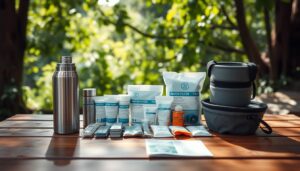
Water purification tablets are also a good choice. Halogen-based tablets kill many germs.
Recommended Brands and Usage
Potable Aqua and MSR Water Purification Tablets are popular. Always use them as the maker says.
Dosage Adjustments for Different Pets
The usual dose works for most pets. But, you might need to adjust it based on the pet’s size and water quality.
Filtration Systems for Pet Emergency Water
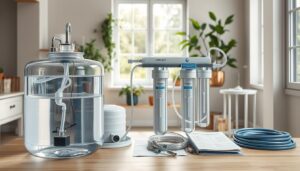
Portable filters, like those with activated carbon, can purify water. They remove dirt and some germs.
When to Avoid Certain Purification Methods
Not all methods are safe for pets. Some filters might not catch all viruses or bacteria. Pick methods that work against many germs.
| Purification Method | Effectiveness | Suitability for Pets |
|---|---|---|
| Boiling | High | Yes |
| Halogen-based Tablets | High | Yes |
| Activated Carbon Filters | Moderate | Conditional* |
*Conditional upon the filter’s ability to remove pathogens.

Strategic Storage Locations for Pet Emergency Water
Choosing the right spots for pet emergency water storage is key. It makes sure your pets can get water when they need it most.
Temperature Considerations for Water Storage
Water in extreme temperatures can spoil or get dirty. Keep it in a cool, steady place. The best temperature is between 50°F and 70°F (10°C and 21°C).
Accessibility During Different Emergency Scenarios
Think about different emergencies like earthquakes or floods. Make sure your water is easy to get to. For example, if it’s in a basement, watch out for flooding.
| Storage Location | Accessibility | Temperature Control |
|---|---|---|
| Basement | Moderate | Good |
| Attic | Poor | Poor |
| Panic Room | Good | Good |
Dividing Water Supplies Between Locations
Spread your water across different places. This way, it’s available in various emergencies.
Storage Solutions for Small Living Spaces
In small homes, use collapsible water containers or under-bed storage. They save space.
Maintaining Your Pet’s Emergency Water Supply
Keeping your pet’s emergency water safe and ready is key. You need to check and clean the water often. This makes sure it’s good to use when needed.
Rotation Schedule for Stored Water
Change your pet’s emergency water every six months. Use the first-in, first-out rule. This means using the oldest water first.
- Mark containers with the date they were filled.
- Check expiration dates regularly.
- Replace water as needed.
Signs of Contamination to Watch For
Look for signs of bad water often. Watch for:
- Cloudiness or sediment
- Unusual odors
- Algae growth
Cleaning and Sanitizing Storage Containers
Before you refill, clean the containers well. Use water and unscented bleach (1 tablespoon per gallon) to kill germs.
Documentation and Labeling Best Practices
Labeling and keeping records are important. Make sure containers have the date and any use instructions.
Alternative Water Sources for Pets During Emergencies
In emergency situations, having alternative water sources for pets can be lifesaving. When regular water supplies are disrupted, pet owners must find other clean water sources for their pets.
Hidden Water Sources in Your Home
Your home may have hidden water sources for emergencies. Water heaters and toilet tanks are two such sources. They usually have clean water that pets can drink if accessed correctly.
Water Heaters and Toilet Tanks
Water heaters hold a lot of water. To get this water, turn off the power or fuel. Then, drain the water from the tank.
Properly Accessing These Sources
To get water from toilet tanks, remove the lid and scoop out the water. Make sure the water is clean before your pet drinks it.
Outdoor Water Collection Methods
Collecting water outdoors can also help. You can collect rainwater or use streams or ponds. Just make sure to purify or treat the water first.
Water Sources to Avoid for Pet Consumption
Don’t use water from radiators, hot tubs, or water with chemicals or sewage. It can harm your pet.
Portable Water Collection Tools for Evacuation
For evacuations, use portable, collapsible water containers. They are light and easy to carry.
Conclusion
It’s very important to have a good plan for your pets’ water in emergencies. Knowing how much water they need and where to store it helps keep them safe. This way, you can keep your pets healthy and happy.
Good pet water storage solutions include safe plastic containers and water that’s ready to go. You also need containers that can fold up. It’s also key to keep the water clean to avoid bad stuff getting in.
Having a solid plan for your pets’ water in emergencies is a must. It should cover how much water they need and how long it can last. This way, you can make sure your pets are safe and comfortable when disaster strikes.
Start protecting your pets’ health by making a special water plan for emergencies. Check and update your plan often. This keeps it working well and ready for your pets’ needs.
FAQ
How much water do I need to store for my pet during an emergency?
The water needed depends on your pet’s size, breed, and how active they are. Generally, pets need at least one ounce of water for each pound of body weight daily. For example, a 20-pound dog needs about 20 ounces (or 1.25 pints) of water every day.
What type of containers are safe for storing emergency water for pets?
Use food-grade plastic containers, like HDPE, for storing water. Avoid containers that held chemicals or non-food items. They might contaminate the water.
Can I use tap water for my pet’s emergency water supply?
Yes, tap water is usually safe for pets. But, if you’re worried about your tap water, use a water filter or purification tablets to make it safer.
How often should I rotate my pet’s emergency water supply?
Rotate your pet’s emergency water every six months. This keeps it fresh and prevents bacteria from growing.
What are some alternative water sources for pets during emergencies?
You can use hidden water sources at home, like the water heater tank. Or collect rainwater outside. Always purify or boil the water before giving it to your pet to make sure it’s safe.
Are there any water purification methods that are not safe for pets?
Yes, some methods, like unscented bleach or iodine, can be toxic to pets. Use pet-safe purification tablets or boil the water to keep it safe for your pet.
How can I store emergency water for pets in small living spaces?
Use collapsible water containers or small, stackable ones to save space. You can also split your water supply into different places to make it easier to get to.
What are some signs of contamination in stored water?
Look for visible sediment, strange smells, or color changes. Check your stored water regularly for these signs and replace it if needed.
Can I use pre-packaged water for my pet’s emergency water supply?
Yes, pre-packaged water, like bottled water, is a good option. Just make sure it’s stored right and not past its expiration date.
How can I make sure my pet’s emergency water supply is accessible during different emergency scenarios?
Keep water in different places, like your home, car, or emergency kit. This way, it’s easy to get to in different situations. Use portable containers or bags for when you need to leave quickly.