Owning a home is exciting and comes with big responsibilities. One key part is being ready for emergencies that can happen anytime. Different natural disasters like earthquakes, hurricanes, tornadoes, and floods affect different areas in the U.S. in unique ways. Being prepared helps keep your family safe when danger comes.
Emergencies are unpredictable and can happen fast. When disaster strikes, families need to act quickly. Having a plan in place before trouble starts is essential. A good emergency plan helps you make smart choices, even when you’re stressed or scared.
New homeowners often feel overwhelmed with tasks like moving and setting up utilities. Emergency prep might seem like something to do later. But, spending a few hours now can save lives and protect your home. A detailed guide can turn new homeowners into confident emergency responders.
This guide will show you everything you need to do. You’ll learn how to make an emergency plan that fits your family. You’ll find out what supplies to keep ready. You’ll also know when to leave and when to stay put.
Preparing for emergencies doesn’t have to be expensive or require you to be an expert. You just need to start now. Begin today, and you’ll feel more confident knowing your home and family are ready for anything.
Table of Contents
Why Emergency Preparedness Matters for First-Time Homeowners
Buying your first home is exciting. You’ve worked hard for this investment. It’s important to think about what could go wrong. Emergency planning at home is key for all families and neighbors.
Natural disasters and severe weather can hit without warning. Being ready makes a big difference.
The statistics are clear. FEMA says about 60% of Americans live in areas at risk for disasters. Most homeowners don’t have basic emergency plans. This leaves families and homes at risk.
First-time homeowners face special challenges. You might not know your area’s risks or your home’s weak spots. Emergency planning helps build confidence and protects your loved ones and property.
Prepared families recover faster from disasters. They face less stress and fewer losses. Your home is a big investment of savings and dreams. Emergency preparedness keeps it safe.
- Reduces injury and loss of life during emergencies
- Minimizes property damage and financial losses
- Helps you regain stability more quickly after disasters
- Protects your family’s peace of mind
- Strengthens your community’s overall resilience
Acting now, before an emergency, puts you ahead. You’ll feel more confident in your new home. Your family will know what to do. That preparation is priceless.
Creating Your Home Emergency Plan and Communication Strategy
As a new homeowner, making a disaster plan is key. It helps your family know what to do and how to find each other in an emergency. A good plan keeps everyone safe and reduces stress.
Make your plan simple and clear. Everyone in your home should know their role. Include details on where to go and who to call. Write it down so you don’t forget anything during a crisis.
Establishing Family Meeting Points and Evacuation Routes
First, find all exit routes from your home and neighborhood. Walk through your house with your family. Show them doors, windows, and hallways leading outside. Make sure exits are clear.
Then, choose two meeting spots. One should be near your home, and the other outside your neighborhood. Use places like libraries or churches. Make sure everyone knows both spots.
Practice evacuation routes with your family. Time how fast you can leave. Use landmarks to help younger children remember the way.
- Pick a meeting spot close to your home
- Choose a second meeting place outside your neighborhood
- Walk the evacuation routes together
- Practice leaving your home at least twice a year
- Use landmarks to help family members remember routes
Setting Up Emergency Contacts Inside and Outside Your Area
Communication is tough in emergencies. Phone lines get busy, and finding family can take time. Choose emergency contacts for help.
Find someone near your home to call for support. They should be able to help with shelter and supplies. Make sure they know they’re your go-to person.
Also, pick an out-of-area contact for when you’re separated. Long-distance calls might be easier if phone lines are busy. Choose someone who lives far away and is reliable.
| Contact Type | Purpose | Location | Best For |
|---|---|---|---|
| Local Contact | Immediate support and help | Your neighborhood | Shelter, food, transportation |
| Out-of-Area Contact | Communication when separated | 50+ miles away | Passing messages between family |
Planning for Household Members with Special Needs
Every family has unique needs. Plan for seniors, people with disabilities, children, non-English speakers, and pets. Think about each person’s needs to avoid problems later.
Seniors may need more time to leave. People with disabilities might need special help. Young children need simple instructions. Non-English speakers need plans in their language. Pets and service animals need carriers and food.
Give each family member a copy of your plan and emergency contact info. Give them a card with all important numbers and addresses. Children should carry information on where to go and who to call.
Practice your plan with everyone regularly. Do it at least twice a year. Ask each person what they would do in different situations. Answer their questions. This builds confidence and helps them remember what to do in an emergency.
- Write down your complete household disaster plan
- Include all emergency contact numbers
- Make copies for each family member
- Give copies to trusted neighbors
- Store digital copies in the cloud
- Review the plan every six months
- Update it when contact information changes
Your home emergency plan is a living document. Update it when family members move or change jobs. Share it with grandparents, babysitters, and anyone who spends time at your home. The more people who know your plan, the safer you’ll be.
Building Your Essential Emergency Supply Kit
Creating a strong emergency supply kit is a smart move for new homeowners. It keeps your family safe during disasters. You don’t need to buy everything at once. Start with the basics and add more as you can.
Your emergency kit is like a safety net. It has everything your family needs for a few days without help. The items depend on your family size, location, and special needs. Let’s look at the key categories.
Water and Food Supplies
Water is first because your family can’t survive without it. Store one gallon of drinking water per person per day. For a 3-day supply for evacuation, a family of four needs 12 gallons. For a 2-week supply for home, that family needs 56 gallons.
Food should be non-perishable and easy to prepare. Stock a 3-day supply for evacuation and a 2-week supply for home. Choose items that need no cooking or refrigeration. Canned goods, granola bars, and dried fruits are good choices. Don’t forget a manual can opener. Think about any dietary restrictions in your household.
Light, Communication, and Power
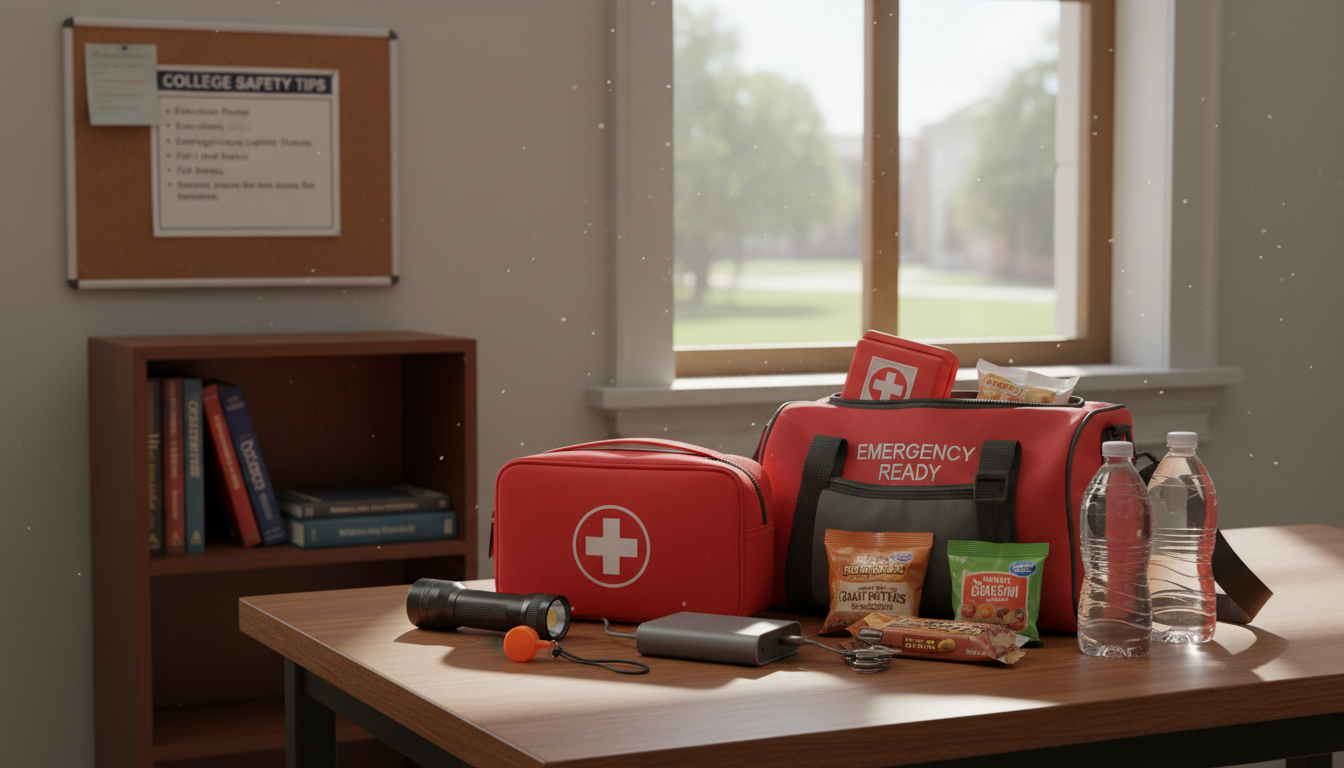
A flashlight or battery-powered lantern is key when the power goes out. Keep multiple flashlights in different areas of your home. Pair them with extra batteries so you’re never left in the dark. A battery-powered or hand-crank radio, like a NOAA Weather Radio, keeps you informed about emergency conditions. Hand-crank models need no batteries at all.
Your cell phone with chargers is a lifeline during emergencies. Keep a portable charger handy. Two-way radios help family members communicate if cell towers go down. Glow sticks provide light without batteries and work great for children. A whistle or bell lets rescuers know where you are if you need help.
Medical and Health Essentials
A first aid kit handles minor injuries. Make sure it includes bandages, antiseptic wipes, pain relievers, and antibiotic ointment. Your medications require special attention. Store a 7-day supply of all prescription medications in their original containers with clear labels showing dosages. Keep a list of the medications you take, why you take them, and exact dosages.
Medical supplies specific to your household matter too. If family members use hearing aids with extra batteries, glasses, contact lenses, or syringes, include backups. Sanitation and personal hygiene items like moist towelettes, soap, hand sanitizer, and toothpaste prevent disease. Add N95 or surgical masks for respiratory protection. Household liquid bleach diluted properly can disinfect surfaces and water if needed.
| Category | 3-Day Evacuation Supply | 2-Week Home Supply |
|---|---|---|
| Water | 12 gallons (family of 4) | 56 gallons (family of 4) |
| Non-Perishable Food | 3-day ready-to-eat items | 2-week non-perishable items |
| Medications | 7-day prescription supply | 7-day prescription supply |
| First Aid Kit | Complete basic kit | Complete basic kit plus extras |
| Lighting | Flashlight, extra batteries | Multiple flashlights, extra batteries |
| Communication | Battery-powered radio, cell phone charger | Battery-powered radio, two-way radios, cell phone charger |
| Important Documents | Copies in waterproof container | Copies in waterproof container |
| Cash | Extra cash for emergencies | Extra cash for emergencies |
Important Documents and Identity
Store copies of personal documents in a waterproof container. Include your medication list and pertinent medical information, proof of address, deed or lease to home, passports, birth certificates, and insurance policies. These documents prove ownership and identity when you need help rebuilding. Keep family and emergency contact information written down in case your phone dies.
Extra cash comes in handy when ATMs aren’t working. Keep both coins and small bills. An extra set of car keys and house keys prevents you from being locked out. A multi-purpose tool like a Swiss Army knife handles many repair tasks. Scissors and duct tape secure items and make quick repairs.
Specialized Items for Your Household
Your kit should fit your unique situation. Baby supplies like bottles, formula, baby food, and diapers are non-negotiable for families with infants. Games and activities for children reduce stress during long emergencies. Pet supplies including collar, leash, ID, food, carrier, and bowl keep your animals safe and comfortable.
For disaster-specific protection, add a whistle for signaling help, matches in a waterproof container, rain gear to stay dry, towels for cleanup, and work gloves for handling debris. Tools and supplies for securing your home might include plastic sheeting to seal windows and duct tape. Extra clothing, a hat and sturdy shoes protect against rough conditions. Emergency blankets or blankets and sleeping bags keep people warm.
Smart Storage and Maintenance
Store your supplies in an easily accessible location that all household members know about. Choose a cool, dry place away from direct sunlight. Keep your kit in a sturdy container like a large plastic storage bin or backpack.
Check your supplies every time daylight saving time changes. Replace expired items, rotate food and water, and update medications. This twice-yearly schedule makes maintenance simple to remember. An emergency blanket takes up little space yet provides critical warmth. Maps of the area help you navigate if GPS isn’t available.
Building your emergency supply kit is an ongoing process. Start with water, food, a first aid kit, flashlights, extra batteries, a battery-powered radio, and medications. Add more items as time and budget allow. Your preparation now protects your family later.
Emergency Prep for New Homeowners: Assembling Your Go Bag
Your family’s safety during an emergency depends on being ready to leave your home quickly. Everyone in your household should have a Go Bag—a collection of things you would want if you have to leave in a hurry. Your Go Bag should be sturdy and easy to carry, like a backpack or a small suitcase on wheels. Having these bags packed ahead of time means you won’t waste precious minutes searching for essentials when danger strikes.
Getting your Go Bag ready is not as hard as it sounds. You can build it gradually by buying one item at a time or purchase everything at once. Keep your bag in an easy-to-reach spot like a garage or closet. A well-prepared Go Bag should have enough items for your entire family for three days. According to guidance on building your emergency kit during natural disasters, the right supplies can make all the difference in a crisis situation.
What to Pack for Quick Evacuations
Start with the basics that keep you alive and healthy. Pack bottled water and nonperishable food, such as granola bars, for each family member. Aim for one gallon of water per person per day. Include copies of your important documents in a waterproof container, such as insurance cards, Medicare or Medicaid cards, photo IDs, proof of address, marriage and birth certificates, and copies of credit and ATM cards.
Don’t forget items that help you stay connected and informed. A flashlight, hand-crank or battery-operated AM/FM radio, and extra batteries are essential. Keep a list of the medications you take, why you take them, and their dosages. Write down contact information for your household and members of your support network, plus doctors’ names and phone numbers.
Pack practical items that make a real difference:
- Cash in small bills for situations when card readers don’t work
- A notepad and pen for writing down important information
- Back-up medical equipment such as glasses and batteries, with portable cell phone chargers
- A first-aid kit with basic medical supplies
- Toiletries and a change of clothes
- Aerosol tire repair kits or tire inflators to repair flat wheelchair or scooter tires if needed
- Child care, pet care, and other special items your family requires
Special Considerations for Pets and Service Animals
Your pets matter just as much as your family members. Create a separate Go Bag for each pet or service animal in your household. Include supplies for your service animal or pet, such as food and extra water, food and water dishes, a collapsible cage or carrier, and a sturdy leash.
Pack a current color photograph of you and your pet or service animal together in case you become separated during evacuation. Add copies of medical records that indicate dates of vaccinations and a list of medications. Keep proof of identification and ownership, along with a physical description of your pet.
Make sure your pet’s bag includes:
- Food and water for at least three days
- An animal first aid kit
- A muzzle for dogs if they become stressed
- A cotton sheet to place over the carrier for comfort
- Comforting toys or treats to reduce anxiety
- Litter, litter pan, and litter scoop for cats
- Plastic bags for clean-up
- Vaccination records and medications your pet needs
Including COVID-19 Protection Items
Modern emergencies require modern thinking about health protection. Include items that can help protect you and others from COVID-19, including hand sanitizer and face coverings for each person in your household. Keep disinfecting wipes and any personal protective equipment that fits your family’s health needs.
These items take up minimal space but provide real peace of mind knowing you can protect yourself and loved ones during evacuation. Store them in an easy-access pocket of your Go Bag so you can grab them quickly when leaving your home.
Understanding When to Evacuate and When to Shelter in Place
It’s important to know the difference between evacuating and sheltering in place. Evacuation is a last resort when there’s a big danger. City officials will tell you when to leave through the media and direct warnings.
Evacuation is for serious threats to public safety. You need to understand and prepare for both evacuation and sheltering in place.
Preparing for Evacuation
Start by knowing your risks. Find out if you live in a hurricane zone or an area prone to wildfires, floods, or other disasters. Know the evacuation plans for all places you spend time, like work, school, and childcare.
Make plans for different ways to travel if your car is not available. Practice evacuation drills with your family. This builds confidence and helps everyone act fast in emergencies.
Acting When Evacuation Is Necessary
Leave immediately if an official tells you to or if you’re in danger. If you have time, make your home safe by closing and locking doors and windows. Unplug appliances before leaving.
Wear shoes and clothes that protect your skin. Bring your Go Bag with important documents and supplies. Don’t use elevators in emergencies unless told to by emergency personnel. Go to the nearest safe place or shelter as soon as you’re told.
- Bring your Go Bag with essential documents and supplies
- Do NOT use an elevator during a fire or other emergency unless directed to do so by emergency personnel
- Go to the nearest safe place or shelter as soon as instructed
- Follow designated evacuation routes provided by local authorities
Understanding Shelter in Place
In some emergencies, you might need to stay where you are. This could mean staying at home while officials clear nearby hazards. Shelter in place is for emergencies like contaminated air or dangers outside that make leaving risky.
Choose a room with few doors or windows for sheltering. It should have at least 10 square feet per person for comfort during long stays.
Securing Your Shelter Space
Once you’ve picked your shelter room, know how to make it ready fast. Lock doors, close windows, air vents, and fireplace dampers to keep outside air out. Turn off fans, air conditioning, and heating systems to avoid pulling in contaminated air.
Seal all openings with plastic sheeting and duct tape for an airtight space. Gather your emergency supplies in this room before a crisis. Listen to local radio or TV for updates on when it’s safe to leave.
| Scenario | Your Action | Key Items Needed |
|---|---|---|
| Evacuation Order | Leave immediately with Go Bag and follow designated routes | Go Bag, sturdy shoes, protective clothing, important documents |
| Shelter in Place Order | Move to interior room and seal openings | Plastic sheeting, duct tape, radio, water, first aid kit |
Knowing these steps ahead of time helps avoid dangerous delays in emergencies. Practice both scenarios with your family. This way, everyone knows what to do when panic sets in. Your preparation today keeps your family safe tomorrow.
Staying Informed and Protecting Your Home Investment
Being a new homeowner is exciting but comes with big responsibilities. Two key steps are staying informed about emergencies and getting the right insurance. These steps help keep you safe and protect your investment.
Knowing what to do in emergencies is smart. Real-time info helps you act fast. Good insurance lets you recover without losing everything. Let’s look at how to protect yourself and your home.
Signing Up for Emergency Alerts and Notifications
Emergency alerts can save lives by giving you time to prepare or leave. Sign up for Notify NYC, the City of New York’s free emergency program. You can register through the Notify NYC app, NYC.gov/notifynyc, or by calling 311.
Notify NYC messages come in many ways, like email, text, and phone. Most places have similar systems.
Setting up alerts takes just minutes but is very important:
- Download your local emergency app
- Enable wireless emergency alerts on your phone
- Subscribe to weather alerts by email and text
- Follow your local emergency office on social media
- Keep a weather radio in your home

Getting the Right Insurance Coverage
Many first-time homeowners are surprised by what their policy doesn’t cover. It’s important to get the right insurance. Renters need renter’s insurance, and homeowners need extra for flood and wind damage.
Check your coverage in these areas:
| Disaster Type | Covered by Basic Policy | Requires Additional Coverage |
|---|---|---|
| Fire Damage | Yes | No |
| Flood Damage | No | Separate Flood Insurance |
| Wind Damage | No | Windstorm or Separate Policy |
| Earthquake Damage | No | Earthquake Insurance Rider |
| Theft or Burglary | Yes | No |
Here are smart steps to protect your investment:
- Have a detailed meeting with your insurance agent
- Document your home’s contents with photos and video
- Keep policy documents safe at home and in cloud storage
- Ask about discounts for bundling policies
- Review your coverage every year, after big changes
Your home is your biggest financial investment. Proper insurance isn’t just for your lender—it’s for your peace of mind. Understanding your coverage and getting the right insurance means you can sleep better, knowing you’re protected.
Conclusion
You’ve learned a lot about keeping your family safe at home. Creating a family emergency plan is a key first step. It includes meeting points and ways to communicate.
Building a home emergency supply kit is also important. It should have water, food, and essential items for two weeks. Assembling Go Bags for everyone and pets ensures quick evacuations.
Knowing when to evacuate or stay in place is critical. Registering for emergency alerts keeps you informed. Securing insurance coverage protects your new home.
Emergency preparedness is not a one-time task. It’s an ongoing commitment that needs regular updates. With practice, maintaining preparedness becomes easier.
What seems hard now will become second nature. You won’t spend hours thinking about your emergency plan every day. Instead, you’ll have peace of mind knowing you’re ready.
Being prepared doesn’t mean living in fear. It means taking action to face uncertainties with confidence. Start today with one small step. Fill water containers, designate meeting points, or sign up for emergency alerts.
Every action you take makes your household safer and more resilient. Your new home is a place of security and comfort. Let your emergency preparedness plan be the foundation that keeps it that way.
FAQ
What should a new homeowner prioritize first when it comes to emergency preparedness?
First-time homeowners should focus on creating a home emergency plan. This plan should include evacuation routes and family meeting points. It’s also important to have a communication strategy.
Identify hazards in your area, like hurricanes or earthquakes. Then, create a plan tailored to those risks. Assemble an emergency kit with essentials like water, food, and first aid supplies.
Make sure everyone knows the plan and practice it regularly. This way, your family will know how to act during an emergency.
Why is emergency preparedness specially important for new homeowners?
New homeowners often overlook safety risks and disaster preparedness. Understanding safety preparedness protects your family and investment. Being prepared helps you respond quickly during emergencies.
Having the right emergency supplies and a solid evacuation plan can reduce injuries and damage. Insurance companies may offer better rates for prepared homes.
How do I establish evacuation routes and family meeting points for my household?
Walk through your home to find at least two exits from each room. Map out your evacuation plan and discuss it with your family. Include a printed map in visible locations.
Choose a primary meeting point outside your home and a secondary one outside your neighborhood. Make sure everyone knows these locations. Practice the evacuation route with your children to help them feel secure.
What emergency contacts should I compile and how should I organize them?
Create a checklist with emergency services, insurance agent, doctor, and utility numbers. Include both local and out-of-area contacts. Write this information on a card and post it in visible places.
Store these numbers digitally in your phone and email them to yourself. This way, you can access them even if your phone dies. Having these contacts ready can be a lifesaver during emergencies.
How should I prepare for emergency situations if my family includes people with special needs?
Plan for emergencies by considering special needs. Create individualized plans for each family member. Include medical information, medication lists, and comfort items in your emergency kit.
Keep a waterproof bag with important documents and medical equipment. Practice evacuation drills to help assist individuals with mobility challenges. Contact your local emergency management office about special needs registries.
What should every first-time homeowner include in their emergency supply kit?
Your kit should include one gallon of water per person per day for three days. Add non-perishable food, prescription medications, and first aid supplies. Include flashlights, extra batteries, and a battery-powered or hand-crank radio.
Don’t forget to include duct tape, plastic sheeting, and a manual can opener. Add comfort items like blankets and hygiene products. Store this kit in an accessible location and check it regularly.
What essentials should I pack in my family go bag for quick evacuations?
Your go bag should have important documents, cash, and phone chargers. Include prescription medications, a change of clothes, and toiletries. Add a small first aid kit and a flashlight with extra batteries.
Include a photo of your home’s exterior and sentimental items. Keep your go bag in an easily accessible location. Review and update your go bag annually or after significant life changes.
How should I prepare my go bag if I have pets or service animals?
Pack a pet go bag with recent photos, vaccination records, and medication. Include a carrier or crate, collar and leash, and identification tags. Add a two-week supply of food and water, and comfort items like toys.
For service animals, include their working gear and specialized equipment. Keep a list of pet-friendly shelters and hotels. Store pet records in a waterproof container.
Should I include COVID-19 protection items in my emergency kit?
Yes, include N95 masks, hand sanitizer, and disinfectant wipes in your kit. Add gloves and thermometers. Consider adding antiviral medications and pain relievers.
Store these supplies in a cool, dry place and rotate them periodically. Having these items ensures your family can stay safe during emergencies.
How do I know when to evacuate my home versus when to shelter in place?
Pay attention to emergency alerts and notifications from local authorities. Evacuate immediately if ordered or if you’re in danger. Shelter in place when it’s safer.
Have a home emergency plan that includes decision trees for different scenarios. Never wait until the last minute to evacuate. Keep your emergency kit and go bag ready.
How can I stay informed about possible emergencies affecting my home?
Sign up for emergency alerts from your local government. Download weather apps and follow your local emergency management office on social media. Invest in a battery-powered or hand-crank radio.
Stay informed about weather patterns and understand your area’s disaster risks. Create a system for receiving emergency alerts and finding information during emergencies.
What insurance coverage is most important for new homeowners preparing for emergencies?
Standard homeowners insurance covers damage from fire, theft, and some weather events. But it doesn’t cover flood or earthquake damage. Review your policy with your agent to understand what’s covered.
If you live in a flood-prone area, get flood insurance. For earthquake-prone regions, consider earthquake insurance. Document your home’s contents with photos and video footage.
How often should I review and update my family’s emergency preparedness plan?
Review your plan at least twice a year, in spring and fall. Update it after significant life changes or new purchases. Conduct family drills quarterly to ensure everyone remembers the procedures.
Check your emergency supplies every six months and replace expired items. Keep your go bag updated with current clothing sizes and phone numbers. Test your weather radio and flashlights seasonally.
What specific steps should new homeowners take before the start of severe weather season?
Conduct a thorough natural disaster readiness assessment before severe weather season. Inspect your roof, gutters, and drainage systems. Trim tree branches near your home and secure outdoor items.
Test your sump pump if you have one. Update your emergency kit and go bag with seasonal items. Ensure your generator is in working order and you have enough fuel.
Are there local resources available to help new homeowners with emergency preparedness planning?
Yes! Your local emergency management office offers free resources like emergency guides and workshops. FEMA’s Ready.gov website has emergency planning guides for families. Contact your local Red Cross chapter for workshops and CPR/first aid training.
Many community organizations offer emergency preparedness seminars for new homeowners. Your city or county website has hazard-specific information and evacuation procedures. Reach out to your insurance agent for guidance on safety measures.
How can I help my children feel less anxious about emergency preparedness without scaring them?
Explain emergency preparedness as a responsible family project. Use age-appropriate language when discussing disasters. Involve children in building the emergency kit and practicing evacuation drills.
Explain that emergency responders are trained to help. Read books and watch videos about staying safe together. Answer their questions honestly but reassuringly. This approach teaches responsibility without causing unnecessary fear.