Extreme weather is getting worse as the world warms up. The EPA says we’ll see more severe storms and cyclones. It’s key to get your home ready to avoid damage and keep your family safe.
There are steps you can take to protect your home and family. Know the dangers, strengthen your home, plan for emergencies, and get your outside ready. For more tips, check out Nationwide’s emergency preparedness resources.
Key Takeaways
- Understand severe weather threats to your area
- Make structural reinforcements to your home
- Create an emergency plan for your family
- Prepare your exterior and landscape for severe weather
- Consider installing hurricane shutters and lightning protection
Table of Contents
Understanding Severe Weather Threats in Your Region
To get ready for severe weather, knowing your area’s threats is key. Events like hurricanes, tornadoes, and blizzards can harm communities a lot. Knowing what weather dangers you face helps you prepare better.
Hurricane and Tropical Storm Preparation
If you live where hurricanes and tropical storms happen, getting ready is important. Keep an eye on the weather forecast and sign up for alerts from local services. It’s also good to have a family plan with a meeting spot and contact numbers.
Important steps include securing outdoor items, trimming trees, and having a kit with water, food, and medicine.
Tornado and High Wind Protection Strategies
Places at risk for tornadoes and strong winds need special safety steps. Make sure your home’s roof and windows are strong. Also, have a safe room or shelter ready. Check your home often and watch the weather forecast closely.
Flood, Blizzard, and Extreme Temperature Readiness
Areas hit by floods, blizzards, or extreme weather need special plans. For floods, have an evacuation plan and keep important items ready. For cold weather, have backup heat and warm clothes.
Stay updated on weather with local news and services. A battery radio and emergency supplies like food and first aid kits are also important.
Best Ways to Prepare Your Home for Severe Weather: Structural Reinforcements
Strengthening your home’s structure is key for severe weather. Focus on the roof, windows, doors, and smart home tech. This boosts your home’s fight against extreme weather.
Roof Reinforcement and Impact-Resistant Materials
Ensuring your roof can handle high winds and debris is vital. Use impact-resistant roofing materials like metal or wind-rated shingles. These materials reduce damage from debris, protecting your home from natural disasters.
Regular checks and upkeep are also important. They help find and fix weak spots before bad weather hits.

Window Protection: Storm Shutters, Impact Glass, and Temporary Solutions
Windows are weak spots during severe weather. Storm shutters or impact-resistant glass offer strong defense against debris. For cheaper options, plywood panels can help too.
Make sure any window protection is installed right. This boosts its ability to keep your home safe.
Doorway Reinforcement and Garage Door Bracing
Doorways, including garage doors, face high winds and can let in water and wind. Use doorway reinforcement kits and garage door bracing to prevent damage. These steps help your home stay strong during severe weather, ensuring severe weather home safety.
Smart Home Technology for Weather Monitoring and Protection
Smart home technology offers real-time weather alerts. This lets homeowners act fast. Weather stations and smart sensors can spot weather changes early, giving you time to prepare.
For more tips on getting your home ready for severe weather, check out https://rainbowrestores.com/blog/preparing-your-home-for-severe-weather.
Creating an Emergency Plan and Supply Kit
Preparing for severe weather is more than just fixing your home. You need a good emergency plan and a full supply kit. A solid plan can greatly lower the risks of severe weather.
An effective emergency plan has several parts. Know the best evacuation routes, have a communication plan, and stock up on key supplies. Let’s look at how to make a supply kit and plan.
Essential Supplies: Water, Food, and Medication
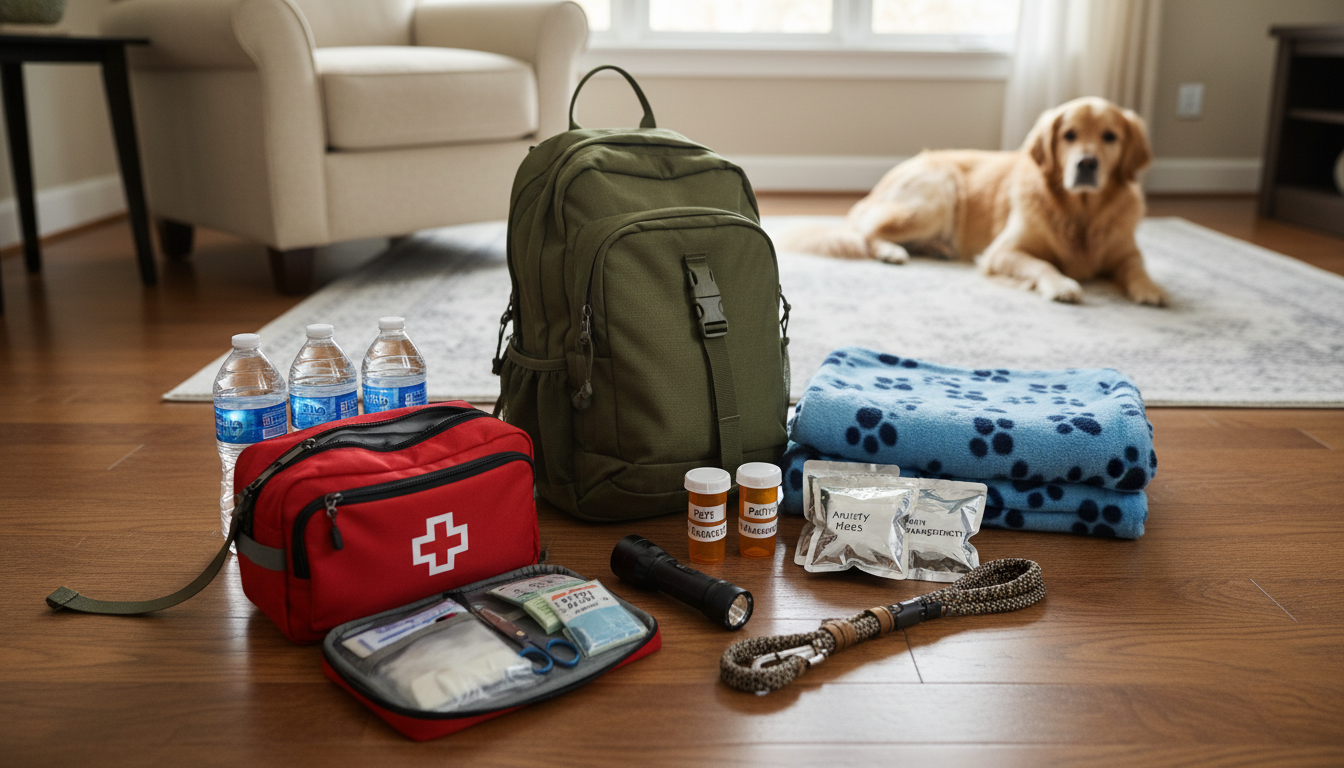
Your supply kit should have three days’ worth of water (one gallon per person per day) and non-perishable food. Don’t forget enough medication and a first aid kit. For more tips, check This Old House’s guide on severe weather prep.
- Water (at least 1 gallon per person per day)
- Non-perishable food
- Prescription medication
- First aid kit
Power Solutions: Generators, Battery Backups, and Alternative Energy
Severe weather often causes power outages. A generator, battery backups, or solar chargers can be very helpful. Make sure your generator is installed and maintained right, and think about battery backups for important devices.
Communication Tools and Emergency Contact Plans
Having a way to communicate is key during severe weather. Use a cell phone with a charger, a two-way radio, or a whistle. Make sure everyone knows how to reach each other.
Important Documents and Digital Backups
Keep important documents (like insurance and ID) in a waterproof place. Also, make digital backups and store them safely online.
By making a detailed emergency plan and supply kit, you can keep your family safe during severe weather. Stay informed, be ready, and take steps to protect your home and family.
Exterior and Landscape Preparations
Protecting your home from severe weather starts with exterior and landscape prep. Taking steps early can help reduce damage and keep your property safe.
Tree Maintenance and Vegetation Management
Trimming trees and branches near your house is key to avoid wind damage. Regular checks for dead or sick branches help prevent breakage in strong winds.
Key Tree Maintenance Tips:
- Check trees often for decay or damage.
- Prune branches close to your home or power lines.
- Get a pro arborist for tough tree care.

Water Management: Gutters, Drainage, and Flood Prevention
Good water management stops water damage in severe weather. Clean and check gutters often to keep water away from your home.
| Water Management Task | Frequency | Benefits |
|---|---|---|
| Gutter Cleaning | Twice a year | Prevents water buildup, avoids gutter damage |
| Drainage Inspection | After heavy rain | Ensures water flows right, prevents flooding |
| Flood Prevention Measures | Before storm season | Keeps home safe from water damage, stops mold and mildew |
Securing Outdoor Furniture, Decorations, and Structures
Outdoor items can become dangerous in strong winds. Securing them keeps your outdoor space safe.
Securing Outdoor Items:
- Move light furniture and decorations inside or tie them down.
- Secure outdoor structures like gazebos and pergolas to the ground.
- Trim or remove trees and shrubs that could cause damage.
Insurance Considerations and Documentation of Property
Having enough insurance is key to protect your home’s value. Photos and videos of your property help with insurance claims.
Insurance and Documentation Tips:
- Check your insurance policy every year for enough coverage.
- Document your property, including outdoor features and structures.
- Keep records of maintenance and repairs for insurance.
Conclusion: Building Long-Term Resilience Against Severe Weather
Understanding severe weather threats in your area is key. Taking steps to prepare your home can help. This way, you can lessen damage and stay safe.
Investing in storm shutters and impact-resistant roofing is important. It helps protect your home from natural disasters.
A good plan for severe weather includes strong structures and emergency plans. Also, getting your home and yard ready is important. By following the tips in this article, you can keep your family safe.
Preparing for severe weather needs both short and long-term plans. Stay informed and act early. This way, you can make your home safer and reduce damage risks.
FAQ
What are the most common severe weather threats to homes?
Homes face threats like hurricanes, tropical storms, tornadoes, blizzards, and extreme temperatures. Knowing these threats helps you prepare your home and family.
How can I protect my home from hurricane and tropical storm damage?
To shield your home, install storm shutters and impact-resistant windows. Reinforce your roof too. Secure outdoor items and trim trees to avoid damage.
What are some effective tornado and high wind protection strategies?
For tornado and high wind safety, reinforce your roof and install storm shutters. Secure heavy items and think about a storm shelter or safe room.
How can I prepare my home for flooding?
Prepare for floods by installing a sump pump and elevating outlets and appliances. Use flood-resistant materials and clear gutters and downspouts.
What are some essential supplies to include in my emergency kit?
Your emergency kit should have water, non-perishable food, and medication. Don’t forget first aid supplies, flashlights, and radios. Add a portable generator or solar panels.
How can I secure my outdoor furniture and decorations during severe weather?
Store outdoor items in a garage or shed during severe weather. If not possible, weigh or tie them down to prevent damage.
What are some smart home technologies that can help protect my home from severe weather?
Smart home tech like weather monitoring systems and smart sensors can help. They offer early warnings and alerts to protect your home.
How can I ensure my home is properly insured against severe weather damage?
Check your insurance policy to cover likely damage. Get flood insurance if needed. Document your property with photos and videos for claims.