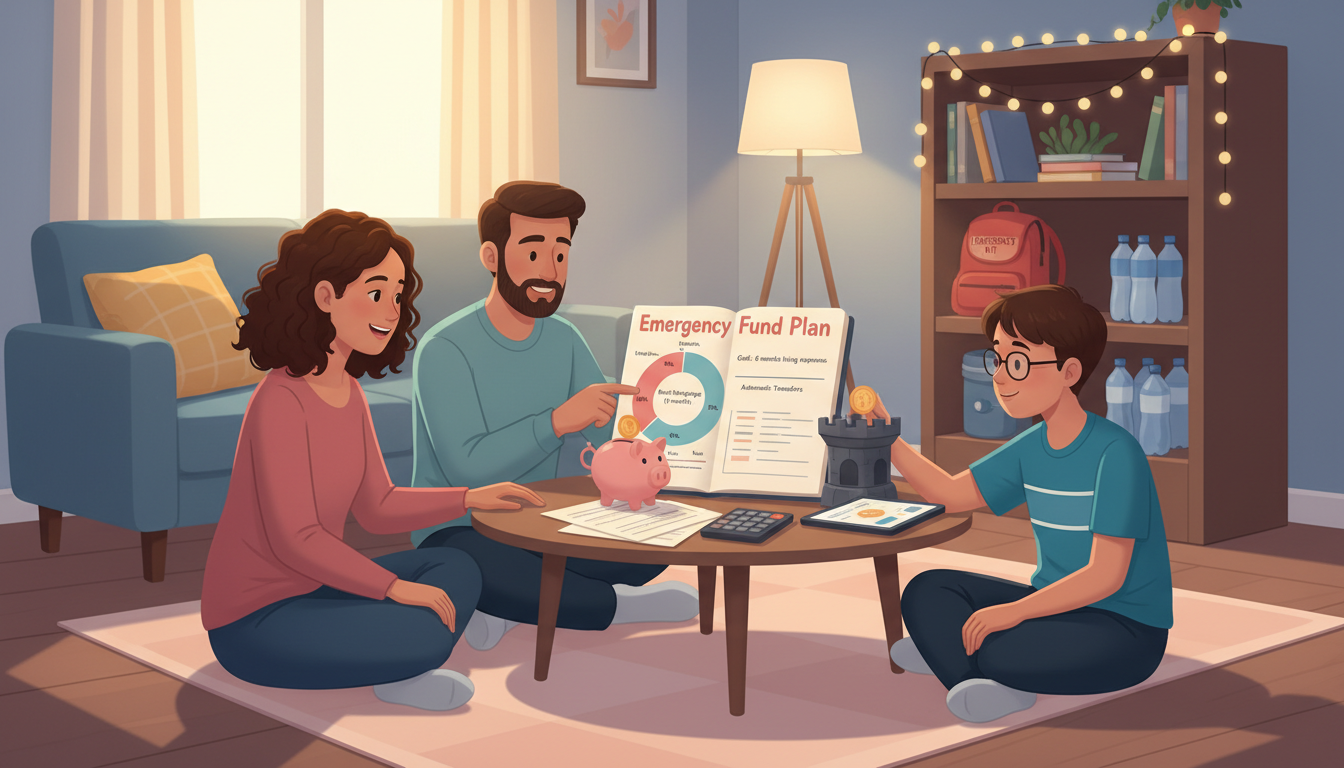
Being ready for emergencies is key for everyone, no matter how small their home is. Mountain House says, “The size of your home doesn’t change how important it is to prepare for emergencies.” This shows we all need smart ways to store things in small spaces.
Finding places to keep emergency supplies in small homes can be tough. But, being ready for emergencies is a must. We need to find the best storage solutions that work with our home’s size and layout.
Key Takeaways
- Emergency preparedness is essential for all, regardless of home size.
- Creative storage solutions are necessary for small homes.
- Assessing your home’s layout is key for good storage.
- Prioritizing storage areas can help use space better.
- Using multi-functional storage solutions is helpful.
Table of Contents
Why Emergency Preparedness Matters in Small Living Spaces
Emergency preparedness is very important, even more so in small living spaces. It’s not just about having supplies. It’s about being ready for any situation, keeping you and your loved ones safe.
Mountain House says natural disasters and power outages can happen anywhere. In small spaces, it’s hard to prepare because of limited room.
Common Emergencies to Prepare For
It’s key to think about the emergencies you might face. Some common ones include:
- Natural disasters like earthquakes and hurricanes
- Power outages and service disruptions
- Medical emergencies and accidents
- Financial crises and job loss
Being ready for these can really help keep you safe and make a big difference.
Unique Challenges of Small Homes
Small homes have special challenges for emergency prep. With less space, you need to be smart with what you have. Some of these challenges are:
- Not enough room for emergency supplies
- It’s hard to keep a good mix of essentials
- You need items that can do more than one thing
Balancing Preparedness with Space Constraints
To deal with space limits, try these tips:
- Optimize your storage: Use space well with smart storage solutions.
- Choose multi-purpose items: Pick items that can do more than one thing.
- Prioritize: Focus on the most important supplies and use your space wisely.
With these strategies, you can be well-prepared for emergencies, even in the smallest spaces.
Essential Emergency Supplies Every Home Needs
Every home needs essential emergency supplies for safety. In small homes, it’s key to manage these supplies well. This is because there’s less room for storage.
Basic emergency supplies include water, non-perishable food, first aid kits, and flashlights. These are key for surviving emergencies.
Basic Survival Kit Components
A basic survival kit should have items for at least 72 hours of survival. These include:
- Water (at least 1 gallon per person per day)
- Non-perishable food
- First aid kit
- Flashlights and extra batteries
- Multipurpose tool
- Sanitation and hygiene supplies

Space-Efficient Supply Options
In small homes, choose supplies that save space. For example, a portable water filter is better than lots of bottled water.
| Supply | Traditional Option | Space-Efficient Option |
|---|---|---|
| Water | Bottled Water | Portable Water Filter |
| Food | Canned Goods | Freeze-Dried Meals |
| First Aid | Large First Aid Kit | Compact First Aid Kit |
Multi-Purpose Items That Save Space
Using items that do more than one thing saves space. For example, a bandana can be for first aid, a dust mask, or a signal.
Prioritizing Supplies When Space is Limited
When space is tight, focus on the most important supplies first. Water, food, and first aid should come first.
Check and update your emergency supplies every 3-6 months. This keeps them ready and useful.
Best Places to Store Emergency Supplies in Small Homes
Storing emergency supplies in small homes needs smart solutions. When space is tight, every inch counts. It’s key to use every spot to keep emergency supplies safe.
Under-Bed Storage Solutions
Using under-bed storage is a top choice for small homes. Bed risers or special bins fit under beds. Under-bed storage is great for food, first aid kits, and more. For tips on small space prep, check Mountain House’s guide.
Vertical Wall Space Utilization
Using wall space is another smart move. Shelves, hooks, or units that reach the ceiling add lots of storage. Vertical storage is ideal for flashlights, batteries, and blankets. It also keeps things you use often within reach.
Behind-Door Organizers
Behind-door organizers are perfect for hidden spots. They hold first aid kits, phone chargers, and more. They’re great in tight spaces like hallways and closets.
Furniture with Hidden Compartments
Furniture with hidden spots is clever for storing supplies. Ottomans and coffee tables can hide emergency items. This method saves space and adds security.
Ceiling and High Shelf Storage
For less-used items, ceiling and high shelves work well. Store camping gear, decorations, or big items here. It keeps them out of the way but easy to get to.
Maximizing Kitchen and Bathroom Spaces
In small homes, making the most of kitchen and bathroom spaces is key for emergency prep. These areas are vital for daily life and can store important supplies.
Cabinet Organization Techniques
Using cabinet space well is a smart way to store emergency supplies in the kitchen. Adjustable shelving and cabinet organizers help use space better. Stackable containers or baskets keep supplies organized and easy to find.
Mountain House suggests using shelving or wall racks for food storage. This method saves space and keeps food fresh and handy.

Utilizing Dead Space Above Appliances
The space above kitchen appliances is often wasted. Installing shelves or storage units there adds more room for emergency supplies. It’s perfect for items like emergency blankets or special foods.
Water Storage Solutions for Tiny Bathrooms
Storing water in tiny bathrooms is tough due to space limits. Use water storage containers that fit under the sink or stackable water bottles. Store water purification tablets or filters in cabinets for a compact water solution.
Food Rotation Systems for Small Pantries
In small pantries, a food rotation system is vital to keep supplies fresh. Use the “first in, first out” rule. Label containers with expiration dates for a tidy pantry.
By using these strategies, homeowners can store emergency supplies efficiently in their kitchen and bathroom. This boosts their readiness without using too much space.
Creative Storage Ideas for Closets and Small Rooms
Closets and small rooms have hidden spots for storing emergency supplies. You can make these areas organized and easy to reach. This helps your home be ready for emergencies without taking up too much space.
Closet Shelving Systems for Emergency Supplies
Setting up a closet shelving system is a smart way to store emergency items. Group similar things together and use clear containers. This makes it easy to see what you have. For more tips on organizing closets, check out closet organizing ideas.
Key Components of an Effective Closet Shelving System:
- Shelves for canned goods and non-perishable items
- Drawers or bins for small items like first aid supplies
- Hooks for hanging emergency bags or equipment
Using Vacuum-Sealed Bags for Soft Supplies
Soft items like blankets, clothes, and bedding can be stored well in vacuum-sealed bags. This saves space and keeps items clean from dust and moisture.
| Supply Type | Storage Method | Benefits |
|---|---|---|
| Blankets and Bedding | Vacuum-Sealed Bags | Space-saving, dust protection |
| Clothing | Vacuum-Sealed Bags | Compact storage, moisture protection |
Hanging Organizers and Pocket Solutions
Hanging organizers and pocket solutions are great for closet walls. They’re perfect for storing small emergency items like masks and gloves.
Utilizing Space Under Stairs and in Corners
The space under stairs and in corners is often wasted. Custom storage or simple bins can make these areas useful for emergency supplies.
Tips for Utilizing Dead Spaces:
- Measure the space well to design a good storage solution
- Use bins or baskets to keep items clean and organized
- Label each storage unit for easy access in emergencies
Maintaining and Rotating Supplies in Limited Space
To keep emergency supplies good, you must check and rotate them often. This is very important in small homes. Supplies need to be stored well and kept in good shape. This way, they will work when you need them.
Creating an Inventory System
Having an inventory system is key. It helps you know what you have and what you need. You can use a simple spreadsheet or a special app for this.
Expiration Date Tracking Methods
It’s important to track when things expire. This is true for food and medical items. Use labels or a digital calendar to mark these dates. Also, use the oldest supplies first.
Seasonal Rotation Strategies
Rotating supplies with the seasons is smart for small spaces. Keep winter supplies ready in cold months. Then, switch to summer supplies when it gets warmer.
Digital Emergency Preparedness Resources
Digital tools can help a lot. Apps can track supplies, give emergency tips, and more. They are great for small homes because you can use them anywhere.
Using these tips, even small homes can be ready for emergencies. Regular checks and rotations keep supplies ready for you.
Conclusion
Storing emergency supplies in small homes needs careful planning. You must find the right spots and use smart storage solutions. This way, you can be ready for any unexpected event.
Good places to store supplies are basements, garages, and closets near exits. It’s key to use containers that are waterproof and easy to carry. This makes it simple to move them if needed. For more tips on making an emergency kit, check out Mira Safety’s guide on essential home survival kits.
Keeping supplies fresh is very important. You should regularly check and replace old items. This keeps your emergency plan working well.
Using these tips, you can make your home safer. This helps protect your family in emergencies.
FAQ
What are the most essential emergency supplies to store in a small home?
Key emergency supplies include a first aid kit, non-perishable food, and water. Also, a flashlight and a battery-powered radio are must-haves. These items are top picks when space is tight.
How can I maximize storage space in my small home for emergency supplies?
Use under-bed storage and vertical wall space for supplies. Behind-door organizers and furniture with hidden spots are great too. For less used items, try ceiling and high shelf storage.
What are some creative ways to store emergency supplies in the kitchen and bathroom?
In the kitchen, organize cabinets and use space above appliances. For the bathroom, think about water storage and a food rotation system in your pantry.
How often should I rotate my emergency supplies?
Rotate your supplies every six months to keep them fresh. Use an inventory system to track expiration dates. Also, have a seasonal rotation plan.
What are some digital resources available for emergency preparedness?
There are many digital tools like apps, online guides, and webinars. They help you stay ready for emergencies.
How can I maintain my emergency supplies in a small home?
Check expiration dates and update your inventory regularly. Make sure all supplies are good to use. Use vacuum-sealed bags for soft items to keep them dry.
Can I use multi-purpose items as emergency supplies?
Yes, multi-purpose items save space. A portable charger works for many devices. A Swiss Army knife has many uses.
How can I utilize closet space for emergency supplies?
Install shelving and use hanging organizers in closets. Store items in vacuum-sealed bags. Don’t forget the space under stairs and in corners.