Having a reliable stockpile of emergency food supplies is key for unexpected disasters. The secret to an affordable emergency food stockpile is to pick items you eat often. This makes it easy to use up what you have.
Buying food that you normally eat makes it easier to keep your stock fresh. It also means you can use your food for meals, making it more practical.
Choosing affordable emergency food helps you build a stockpile without breaking the bank. This way, you can keep your family safe and fed during tough times.
Key Takeaways
- Stockpiling emergency food supplies is essential for emergency preparedness.
- Focus on buying food that you normally eat to simplify supply rotation.
- Affordable emergency food options can help build a sustainable stockpile.
- Regularly rotating your stockpile ensures it remains useful and relevant.
- Maintaining an emergency food stockpile can provide peace of mind during disasters.
Table of Contents
Why Building an Emergency Food Supply Matters
Preparing an emergency food supply is smart for family safety. Emergencies can come from natural disasters, economic problems, or personal crises.
Types of Emergencies to Prepare For
Emergencies need a food supply, like hurricanes, earthquakes, power outages, and economic crises. Fueling your body during a crisis requires different nutritional needs than your everyday diet. You need high-energy, high-protein foods.
Financial Benefits of Advance Preparation
Preparing an emergency food supply early can save money. Buying in bulk and during sales lowers costs. This way, you spread out the expense over time, making it easier to handle.
Balancing Cost with Preparedness
Finding the right balance between emergency food cost and preparedness is key. It’s important to choose budget-friendly emergency food options that are nutritious. Look for affordable, long-term food storage that meets your needs.
Key Factors to Consider for Long-Term Food Storage
Creating a reliable emergency food stockpile needs careful thought. Think about the food types that will keep you and your family going.
Shelf Life Requirements
Shelf life is a big deal. Choose foods like canned goods and dried legumes for long-term storage. For tips on emergency food, check out University of Georgia’s Extension Service.
Nutritional Value Considerations
Don’t forget about food’s nutritional value. A balanced diet with various food groups is key for health in emergencies.
| Food Group | Nutritional Benefits | Examples |
|---|---|---|
| Grains | Rich in carbohydrates, fiber | Rice, Wheat, Oats |
| Dried Legumes | High in protein, fiber | Beans, Lentils, Peas |
| Canned Goods | Rich in vitamins, minerals | Fruits, Vegetables, Meats |
Storage Conditions and Space
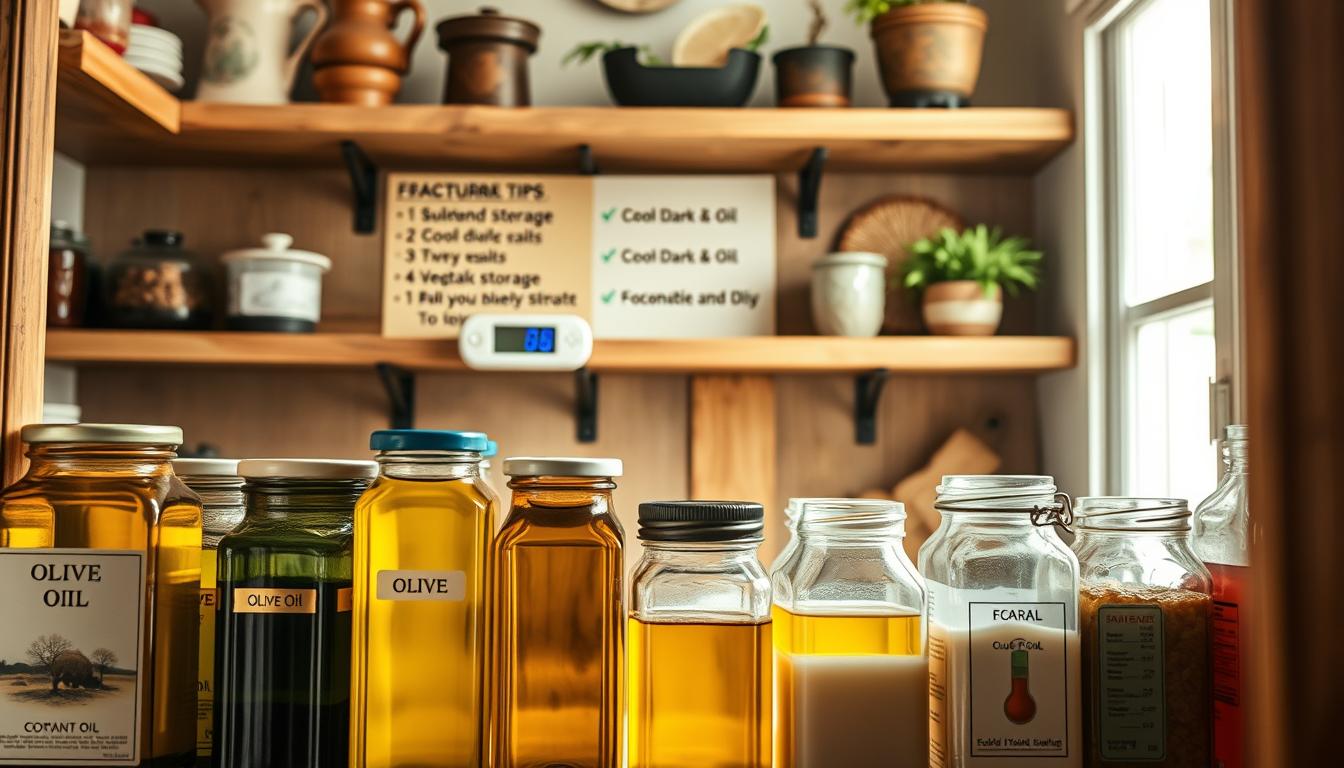
Good storage conditions are essential. Keep your food in a cool, dry spot. Also, think about the space you have for storage.

Calorie Planning on a Budget
Planning for enough calories is vital. Make sure you have enough for everyone. Look for affordable emergency food that fits your calorie needs.
Best Budget Foods for Long Term Emergency Storage
Stockpiling emergency food on a budget is key for long-term needs. Look for foods that are affordable, last long, and are nutritious.
Grains and Rice
Grains and rice are great for emergency food. They last a long time and can be used in many dishes.
White Rice vs. Brown Rice Storage
White rice is better for long storage than brown rice. White rice can last up to 30 years when stored right. Brown rice lasts about 6 months to a year because it has more oil.
Pasta and Flour Options
Pasta and flour are cheap and last long. Dry pasta can last 2 years. Flour can last 12-18 months in a cool, dry place.
Dried Beans and Legumes
Dried beans and legumes are full of protein, fiber, and nutrients. They are cheap and can be stored for up to 30 years.
Canned Goods
Canned goods are a budget-friendly choice. They last 2 to 5 years and offer many nutrients. Good options include canned veggies, fruits, meats, and soups.
Dehydrated Foods
Dehydrated foods like fruits, veggies, and meats are light, nutritious, and last long. They’re easy to make by adding water.
| Food Item | Shelf Life | Nutritional Value |
|---|---|---|
| White Rice | Up to 30 years | High in carbohydrates |
| Dried Beans | Up to 30 years | High in protein and fiber |
| Canned Goods | 2 to 5 years | Varies by product |
| Dehydrated Foods | Up to 25 years | High in nutrients |
Affordable Protein Sources for Your Emergency Stockpile
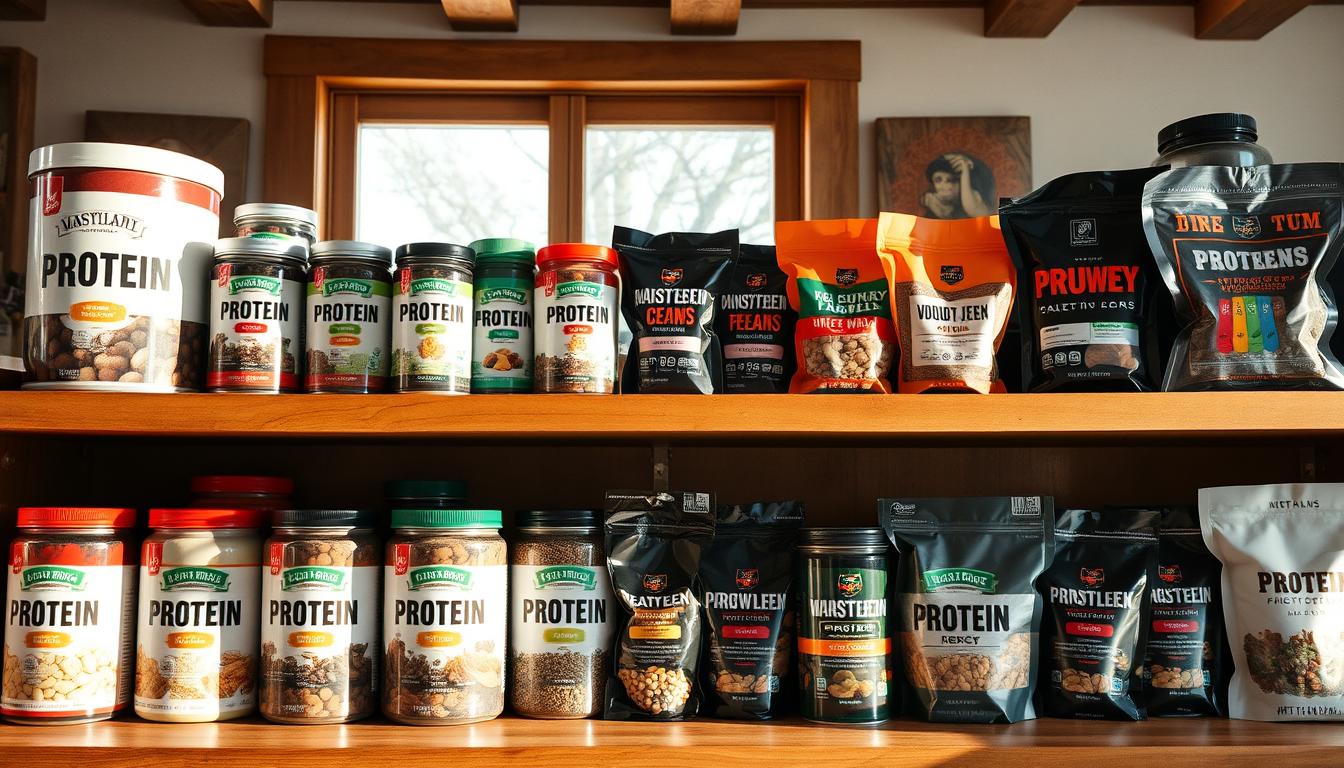
Stocking up on protein doesn’t have to be expensive. There are many cheap options. It’s important to have different protein sources in your emergency food supply.
Canned Meats and Fish
Canned meats and fish are great for protein and last a long time. You can find tuna, salmon, and Spam. They’re cheap and can be used in many ways.
Peanut Butter and Nut Butters
Peanut butter and other nut butters are full of protein and calories. They’re perfect for emergency food. You can use them in sandwiches and baked goods.
Powdered Milk and Eggs
Powdered milk and eggs are easy and cheap to get. They’re good for cooking and baking. They provide important nutrients when you need them most.
Plant-Based Protein Options
Beans, lentils, and chickpeas are cheap and full of nutrients. They last a long time and can be used in many dishes.
| Protein Source | Cost | Shelf Life |
|---|---|---|
| Canned Tuna | $1.50/can | 5 years |
| Peanut Butter | $2.50/jar | 2 years |
| Powdered Milk | $3.00/box | 10 years |
Adding these affordable protein sources to your emergency stockpile is smart. You get a balanced and nutritious food supply without spending a lot.
Budget-Friendly Shopping Strategies for Emergency Food
Preparing for emergencies with food stockpiles can be affordable. Smart shopping helps build a good emergency food supply without spending too much.
Bulk Buying Opportunities
Buying in bulk is a smart way to save on emergency food. Items like grains, dried beans, and canned goods are cheaper in large amounts. For example, buying rice or beans in bulk is a cost-effective way to eat well for a long time.
Look for stores that give discounts for bulk purchases. Online retailers like Country Life Foods offer natural ingredients and discounts for bulk.
Seasonal Sales and Couponing
Take advantage of seasonal sales and coupons. Grocery stores have discounts on items at certain times. Buying canned goods or non-perishable items during these sales can save money.
Also, use coupons or digital discounts to lower the cost of emergency food.

Dollar Stores and Discount Retailers
Shopping at dollar stores and discount retailers is another way to save. These places have non-perishable food items at lower prices than regular stores. The selection might be smaller, but you can find useful items for your emergency food supply.
DIY Preservation Methods
Using DIY preservation methods can also help. Techniques like canning, dehydrating, or freezing food can make food last longer. This way, you can enjoy seasonal food and sales, improving your emergency preparedness without spending a lot.
Conclusion: Building Your Emergency Food Supply Without Breaking the Bank
Building an emergency food supply doesn’t have to cost a lot. You can pick affordable emergency food that’s good for you and lasts a long time. By choosing the right foods, you can be ready for emergencies without spending too much.
Emergency food should include grains, dried beans, canned goods, and dehydrated foods. These are cheap and give you the energy and nutrients you need. Brands like Mountain House, Valley Food Storage, and ReadyWise offer good and affordable options.
To keep your emergency food fresh, rotate it often, check expiration dates, and store it right. This way, your food stays safe and works well in emergencies.
Preparing for emergencies doesn’t have to be expensive. With some planning and smart shopping, you can build a good emergency food supply.
FAQ
What are the most important factors to consider when building an emergency food supply on a budget?
When building an emergency food supply on a budget, think about the types of emergencies. Also, consider nutritional value, shelf life, and storage conditions. Don’t forget about calorie planning.
How can I ensure that my emergency food supply is nutritious and meets my dietary needs?
To make sure your emergency food is nutritious, include a variety of foods. This means grains, dried beans, canned goods, and dehydrated foods. Look for affordable protein sources like canned meats, peanut butter, and plant-based options.
What are some budget-friendly shopping strategies for emergency food supplies?
For budget-friendly shopping, buy in bulk and look for seasonal sales. Use coupons and shop at dollar stores and discount retailers. Also, try DIY preservation methods.
How can I store my emergency food supply to maximize its shelf life?
To keep your emergency food fresh, store it in a cool, dry place. Keep it away from sunlight and moisture. Use airtight containers or Mylar bags to protect it from pests and spoilage.
What are some affordable emergency food options that are high in protein?
Affordable high-protein options include canned meats, peanut butter, and powdered milk. Plant-based options like beans, lentils, and nuts are also good choices.
How often should I rotate my emergency food supply to ensure it remains fresh?
Rotate your emergency food every 6-12 months. This keeps it fresh and ensures you use older items before they expire.
Can I use my emergency food supply for everyday meals to make rotation easier?
Yes, using your emergency food for daily meals makes rotation easier. It also keeps your supply fresh and usable.