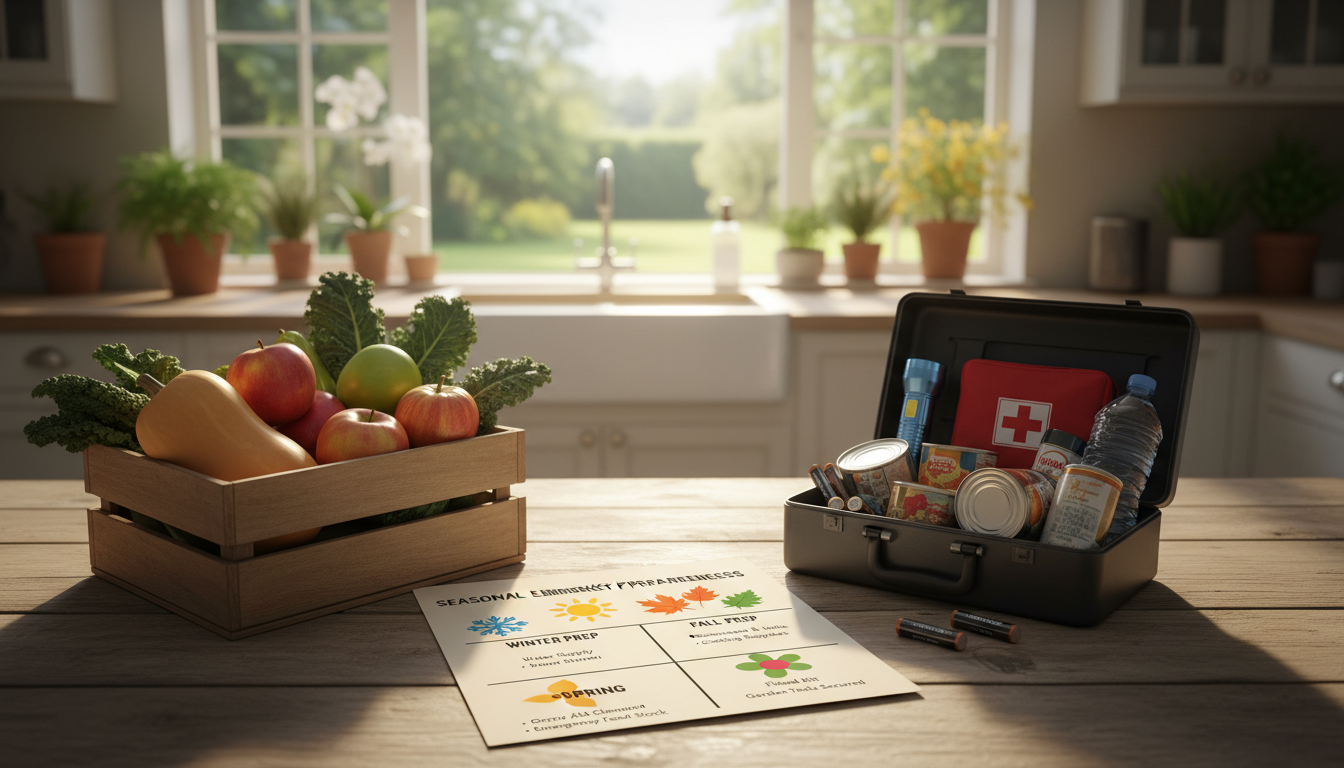
Preparing for emergencies is key to keeping people safe. Prepping is more than just storing supplies. It’s about having a solid plan for unexpected events.
For beginners, starting can feel too much. But, with a clear emergency plan and basic knowledge, it gets easier. It’s important to have a family communication strategy and know about local dangers.
Focus on the basics and grow your emergency kit slowly. FEMA and Ready.gov have great guides on disaster planning and checklists.
Key Takeaways
- Establish a clear emergency plan before stocking supplies.
- Understand local hazards and tailor your plan according to them.
- Start with the basics: water, non-perishable food, and a first aid kit.
- Gradually build up your emergency kit over time.
- Utilize resources like FEMA and Ready.gov for guidance.
Table of Contents
Why Start Prepping? Understanding the Basics
Prepping often sparks questions and myths. But, it’s really about being ready for life’s surprises. It’s not just about having stuff; it’s about learning skills and staying prepared.
Common Misconceptions About Prepping
Many think prepping is only for extreme survivalists. But, prepping is for anyone who wants to be ready for emergencies. It’s not just about money; it’s about knowing what to do.
Setting Realistic Goals for Your First Month
For newbies, setting doable goals is key. First, figure out what risks you face. Start with basic supplies and skills like water storage and first aid. By aiming for realistic goals, you’ll make progress and feel more confident.
Assessing Your Personal Situation and Needs
Starting a prepping plan means knowing your personal risks. This helps you prepare for emergencies in a way that fits you.
Identifying Likely Threats in Your Area
It’s important to know what emergencies might hit your area. Think about both natural disasters and man-made ones.
Natural Disasters vs. Man-Made Emergencies
Natural disasters like hurricanes and floods depend on where you live. Man-made emergencies could be industrial accidents or cyber-attacks. Knowing these helps you make a good emergency essentials checklist.
Regional Risk Assessment
Doing a regional risk assessment means looking at threats in your area. Use local resources, historical data, and talk to neighbors and experts.

Evaluating Your Current Resources
After knowing the threats, check what you already have. Look at your money, health, and prepper supplies list. Make a list of what you need to get ready.
Creating a Personalized Prepping Plan
With your risks and resources in mind, make a personalized prepping plan. It should cover the first 30 days. Include getting essential prepper gear, making emergency plans, and practicing.
By doing these steps, you’ll have a prepping plan that fits you perfectly.
The Beginner Prepper Checklist for Your First 30 Days
As a beginner prepper, knowing what to do first is key. This guide helps you get ready for emergencies in just 30 days.
Week 1: Essential Water and Food Supplies
The first week is about getting the basics right: water and food. Having enough water is very important. There are many ways to store it.
Water Storage Solutions
For water storage, you need containers that are safe and last long. Here are some good options:
- Plastic Bottles: Food-grade plastic bottles are a popular choice for water storage.
- Water Tanks: Larger water tanks can store a lot of water.
- Collapsible Containers: These save space when not in use.
Initial Food Stockpile
Your first food stock should have non-perishable items. These should be full of calories and nutrients. Some must-haves are:
- Canned Goods: Vegetables, fruits, and meats.
- Dried Legumes: Beans, lentils, and peas.
- Nuts and Seeds: Almonds, sunflower seeds, etc.
Week 2: Basic Emergency Equipment
The second week is about getting basic emergency gear. This gear helps you deal with tough situations.
- First Aid Kit: A basic first aid kit should include bandages, antiseptic wipes, pain relievers, etc.
- Flashlights and Batteries: Reliable light sources are key.
- Multi-tool: A multi-tool is useful for many tasks.
Week 3: First Aid and Medication
The third week is about improving your first aid skills. Make sure you have the right medicines.
- Prescription Medications: Have enough on hand.
- Over-the-counter Medications: Pain relievers, antihistamines, etc.
Week 4: Documentation and Communication
In your last week, focus on organizing documents and setting up communication tools.
- Important Documents: Copies of ID, insurance, etc., should be stored safely.
- Communication Devices: A battery-powered radio and a fully charged cell phone with a backup power source.
By following this checklist, beginner preppers can ensure they’re well-prepared for emergencies in their first 30 days.
Building Your Emergency Food Supply
Creating a reliable emergency food supply needs careful planning. It’s not just about storing food. It’s about making sure you have enough to eat during a crisis.
Shelf-Stable Foods Every Prepper Should Stock
Shelf-stable foods are key for an emergency food supply. These foods last a long time without needing to be refrigerated. They are vital for survival in emergencies.
- Canned goods (vegetables, fruits, meats)
- Dried legumes (beans, lentils)
- Grains (rice, pasta)
- Nuts and seeds
- Dried fruits and vegetables
Calorie and Nutrition Planning
Planning for calories and nutrients is very important. Your food supply must give you enough energy and nutrients to keep you and your family going.
| Nutrient | Daily Requirement | Example Foods |
|---|---|---|
| Calories | 2,000 per person | Grains, nuts, dried fruits |
| Protein | 50g per person | Canned tuna, beans, lentils |
| Vitamin C | 60mg per person | Canned fruits, dried fruits |
Dietary Restrictions and Alternatives
Think about dietary needs when preparing your emergency food. This includes options for gluten-free, vegan, and other special diets.
For more detailed guidance on building an emergency preparedness checklist, you can visit The Prepared.
Food Storage Solutions for Small Spaces
If you have little space, there are ways to store more food. Use under-bed storage, stackable containers, or choose compact food options.

Rotating Your Food Supply: The Basics
It’s important to rotate your food to keep it fresh. Use the oldest items first to avoid expired food.
Essential Prepper Gear and Equipment
Prepping is more than just food. It’s about having the right tools and equipment. This guide will help you find the must-have tools, power solutions, and affordable options for beginners.
Must-Have Tools for Emergencies
Right tools are key in emergencies. Every prepper should have:
- A multi-tool or pocket knife
- Duct tape
- Rope or twine
- A flashlight or headlamp
- Fire starting equipment (matches, lighters, firestarters)
These tools help you face challenges, from fixing things to starting fires for warmth.
Power Solutions: Batteries, Generators, and Alternatives
Power is vital in emergencies. Invest in:
- Rechargeable batteries and a battery bank
- A portable generator or solar-powered generator
- Alternative power sources like solar panels or hand-crank generators
These solutions keep your devices running, ensuring you stay connected and have light.
Budget-Friendly Gear Options for Beginners
Prepping doesn’t have to cost a lot. Here are some affordable options:
| Item | Average Cost | Usefulness |
|---|---|---|
| Multi-tool | $10-$20 | High |
| First Aid Kit | $20-$50 | High |
| Portable Water Filter | $20-$100 | High |
| Solar-Powered Charger | $20-$50 | Medium |
DIY Alternatives to Expensive Prepper Gear
You can make some prepper gear at home, saving money. For example, a simple water filter can be made with sand, charcoal, and gravel. DIY projects are fun and cost-effective for prepping.
Prioritizing Purchases on a Limited Budget
When budget is tight, focus on what you need most. Start with food, water, first aid, and basic tools. As you can, add more advanced items to your collection.
Developing Critical Survival Skills
To get ready for emergencies, it’s key to learn survival skills. These skills help you deal with unexpected problems well.
Basic First Aid and Medical Knowledge
Knowing basic first aid is very important. It helps you treat injuries and stop infections. Skills like cleaning wounds and doing CPR are essential. Having a first aid kit and knowing how to use it can really help in emergencies.
- Learn CPR and basic life-saving techniques
- Understand how to treat common injuries
- Keep a well-stocked first aid kit
Water Purification Techniques
Clean drinking water is key for survival. Learning to purify water is important. You can boil it, use tablets, or filters. Knowing how to purify water keeps you safe from sickness and hydrated.
- Boiling water to kill bacteria and viruses
- Using water purification tablets or filters
- Understanding how to maintain water quality
Home Security and Emergency Communications
Keeping your home safe and having a plan for emergency calls are important. This means securing your home and having a reliable way to communicate. Having a two-way radio or satellite phone can be a big help in emergencies.
- Secure your home with locks and alarms
- Invest in a reliable means of emergency communication
- Plan for alternative power sources for your communication devices
Conclusion: Moving Beyond Your First 30 Days
Finishing your Beginner Prepper Checklist for Your First 30 Days is just the start. It’s key to keep building on what you’ve done. Prepping is more than just storing supplies; it’s about living ready for anything.
As you keep going, think about long-term prepping plans. Sites like The Prepared can help you keep going. Learn skills like first aid, water cleaning, and home safety to get better at prepping.
Remember, prepping tips for newbies say to stay updated and flexible. Keep up with your prepping plan and be ready to change it when needed. With hard work and the right attitude, you can make a safer future for you and your family.
FAQ
What is prepping, and why is it important?
Prepping means getting ready for emergencies like natural disasters or power outages. It’s key to have a plan and supplies to keep you safe.
How do I start prepping as a beginner?
First, think about your personal needs and the dangers in your area. Then, make a plan based on your resources. Start with the basics like water, food, and emergency gear.
What are the most essential supplies to stockpile for emergencies?
You’ll need water, non-perishable food, first aid kits, flashlights, and batteries. Don’t forget communication devices and important documents like insurance and ID.
How do I build an emergency food supply?
Stock up on shelf-stable foods and think about your calorie and nutrition needs. Remember to store food properly and rotate it to keep it fresh.
What are some budget-friendly prepping options for beginners?
Look for DIY solutions like making your own first aid kits or water systems. Focus on buying what you really need first, based on your budget.
How do I develop critical survival skills?
Learn basic first aid, how to purify water, and home security. You can take online courses or practice with hands-on training.
What are some common mistakes to avoid when starting to prep?
Don’t skip assessing your needs and making a plan. Also, remember to update and rotate your supplies. Stay practical and avoid getting too extreme.
How do I maintain my prepping supplies and equipment over time?
Check your supplies regularly for expiration and damage. Rotate your food and test your gear. Stay informed and update your plan as needed.