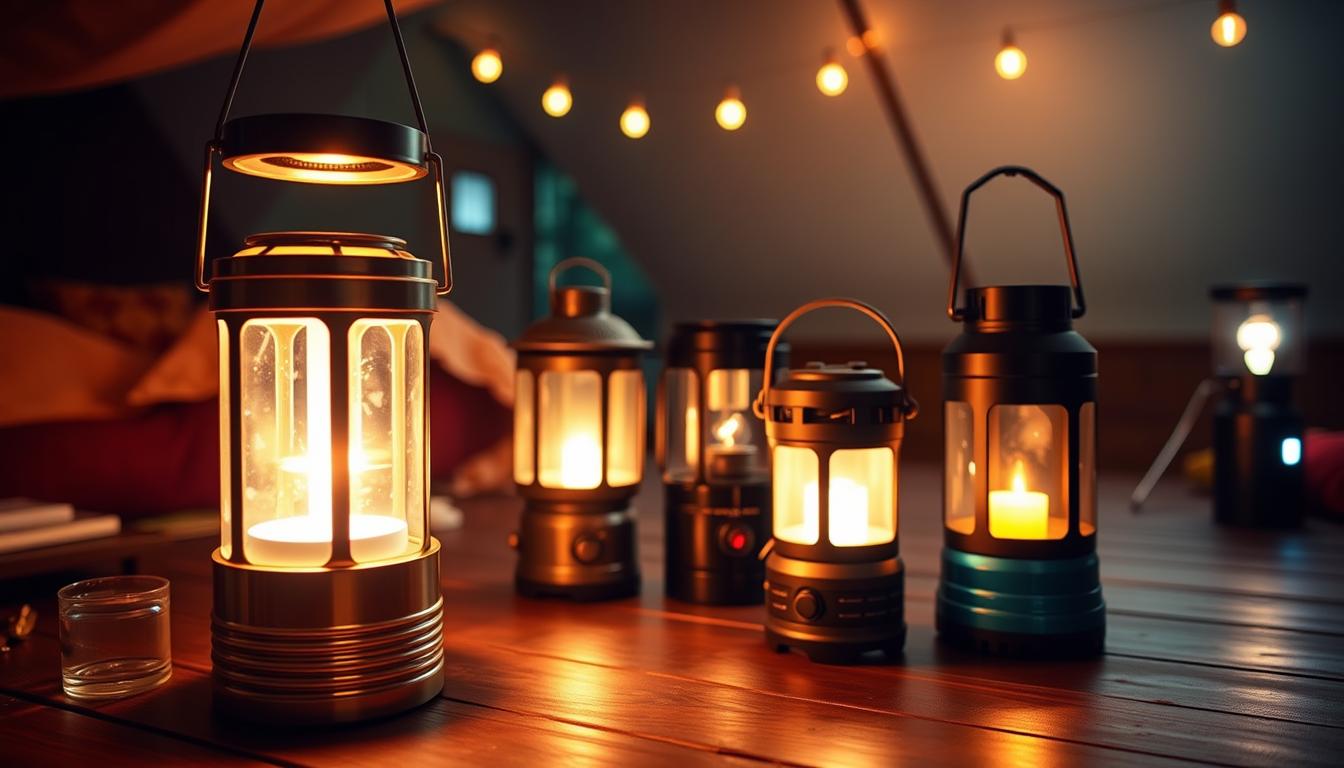
Power outages can happen anytime. Storms, grid failures, and natural disasters can make your home dark and unsafe. When the lights go out, you need a reliable light source quickly. Battery lanterns have been a trusted choice for emergency situations for many years.
Modern technology has made battery-operated lanterns much more powerful. Today’s LED lanterns are more efficient than old fuel-based models. They last longer, shine brighter, and are cheaper to use. Our tests of 25+ lantern models show how much they’ve improved.
Finding the right lantern doesn’t have to be hard. This guide covers everything you need to know. You’ll learn why battery lanterns are key for emergency preparedness. You’ll find out which features are most important.
You’ll see which models perform well in real-life situations. Most importantly, you’ll discover if rechargeable or disposable batteries are better for your family.
A good battery-operated lantern keeps your family safe in the dark. It lights your way during evacuations. It makes emergency situations less scary. With so many options, finding the perfect lantern for your home is easier than you think. Let’s explore the best choices to protect your family today.
Ready to find reliable lighting solutions? Check out our detailed review of the best survival lantern options to find the model that fits your emergency preparedness plan.
Table of Contents
Why Battery Lanterns for Power Outages Are Essential for Emergency Preparedness
When the power goes out, it gets dark fast. A good emergency plan needs reliable lighting that works when the power is out. Battery lanterns are key for keeping families safe and comfortable during blackouts. Knowing why portable lighting is important helps you choose the right options for your home.
Understanding the Importance of Reliable Emergency Lighting
Power outages can last from a few hours to days. In these times, having safe lighting is vital. Families need to move around their homes safely. Parents must care for kids and elderly relatives.
Quality emergency lanterns give peace of mind when it gets dark. They help families stay calm and together. Unlike flashlights or candles, battery lanterns provide steady light that families can rely on.
How Battery-Powered Lanterns Outperform Other Light Sources During Blackouts
Battery lanterns are better than other lights in many ways. Here are some reasons why:
- 360-degree illumination – Unlike flashlights, blackout lanterns light up entire rooms and outdoor areas
- Superior brightness – Modern LED lanterns give off 100 to 1,200 lumens, much more than candles
- Safety first – Battery-powered models are safer than candles, which can start fires
- Extended use – Lanterns can run for hours without needing to be refueled, unlike gas lanterns
- Indoor friendly – Battery lanterns can be used safely anywhere in your home, unlike gas lanterns that need ventilation
Studies show lanterns are better than flashlights for lighting up your home during an outage. Emergency lanterns provide practical, reliable light. They keep your family safe and comfortable through the night.
Key Features to Look for in Emergency Battery Lanterns
Choosing the right emergency lighting can be tough with so many choices. But, focusing on key features makes it easier. Knowing what’s important helps you find lanterns that meet your family’s needs during power outages.
Brightness is your first consideration when looking at LED lanterns. Brightness is measured in lumens. For indoor use, 200 to 600 lumens is enough. But, for bigger spaces or outdoor use, you’ll need 1000 lumens or more.
Runtime shows how long your lantern will stay bright. Lanterns can last from 3 hours to 33 days, depending on the brightness and battery. Look for models with adjustable brightness to save battery life during long blackouts.
The type of battery matters for your lifestyle. Rechargeable lanterns are good for homes with easy charging access. Disposable batteries are better for those who prefer quick, easy use. Many families have both types in their emergency kits.
Think about portability when picking lighting solutions. Lanterns that weigh 3 to 5 pounds are easy to carry. Compact designs also save space in storage.
- Durability and weather resistance protect your investment
- Easy-to-use controls matter during stressful situations
- USB charging ports let you power phones during emergencies
- Multiple light modes include white, red, and SOS options
- Collapsible designs save valuable storage space
- Hanging and standing options provide flexible placement
| Feature Category | What to Look For | Why It Matters |
|---|---|---|
| Brightness (Lumens) | 200-600 for indoors, 1000+ for larger areas | Ensures adequate visibility for your space |
| Runtime | Adjustable settings for extended use | Extends battery life during long outages |
| Weight | 3-5 pounds for portability | Easy to move and store in emergency kits |
| Battery Type | Rechargeable or disposable options | Matches your household’s emergency style |
| Bonus Features | USB ports, multiple modes, collapsible design | Adds practical value beyond basic lighting |
Battery-operated lanterns with simple controls are very helpful. They’re easy to use, even when you’re stressed or need to use them with children or elderly family members. Make sure the controls are easy to use before you buy.
Extra features make a good lantern great. USB charging ports are useful for charging your phone. Red light modes help keep your night vision. SOS settings can signal for help. Collapsible designs and hanging hooks offer flexibility in where you place them.
Top-Rated Battery-Powered Lanterns for Blackout Situations
Choosing the right lantern for power outages is key. It’s not just about the features; real-world tests show which ones work best. We’ve tested top models to help you pick the best for your needs and budget.
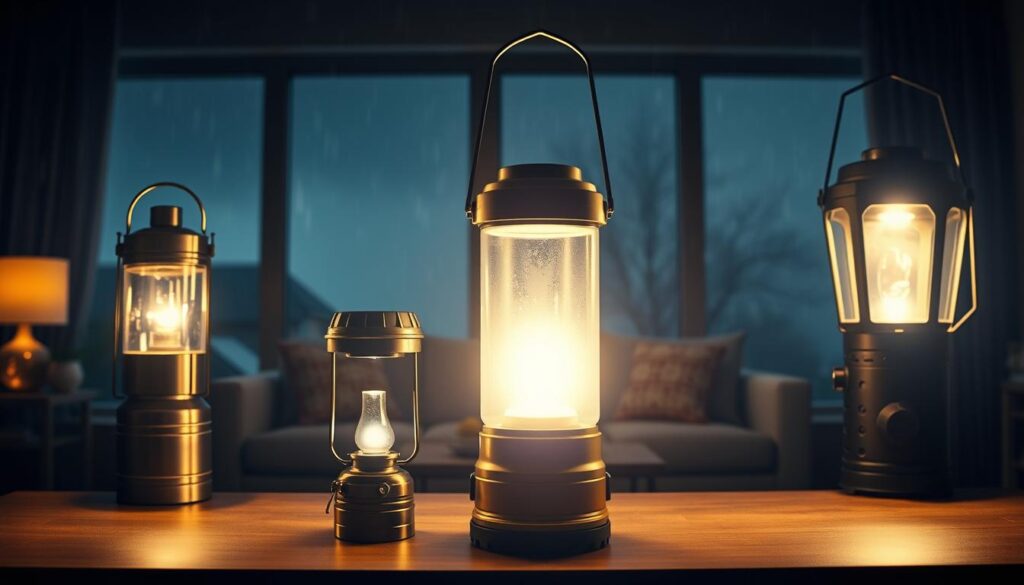
Goal Zero Lighthouse 600 – Best Overall Performance
The Goal Zero Lighthouse 600 shines with its brightness and versatility. It lights up a whole room with 600 lumens. Its flexible charging system is a big plus.
You can charge it with a USB cable or use the hand-crank when there’s no power. This makes it perfect for long outages. It also charges phones and small devices, making it a lifesaver.
- Output: 600 lumens
- Runtime on high: 3.2 hours
- Weight: 19.8 ounces
- Price: Around $80
- Charging: USB and hand-crank options
The main drawback is the price and some durability concerns. But, its features make it worth it for serious emergency prep.
Ultimate Survival Technologies 30-Day Duro – Longest Runtime
The UST 30-Day Duro is great for long blackouts. It uses three D batteries for up to 33 days on low.
It shines bright with 1,000 lumens and lasts nine hours at max. Its frosted cover spreads light evenly. The rubber base keeps it stable.
- Maximum output: 1,000 lumens
- Runtime on high: 9 hours
- Runtime on low: 33 days
- Weight: 29.3 ounces
- Battery type: 3 D batteries
Accessing the battery compartment can be hard. Carrying three D batteries adds weight. But, it’s worth it for long-term use.
Coleman Battery Lanterns – Budget-Friendly Options
Coleman lanterns are affordable and reliable for power outages. They offer good lighting without breaking the bank. They’re perfect for multiple rooms.
Coleman is known for durability. These lanterns are great for families starting their emergency kits or as a backup.
| Product | Lumens | Runtime Features | Weight | Best For |
|---|---|---|---|---|
| Goal Zero Lighthouse 600 | 600 | 3.2 hours (high), rechargeable | 19.8 oz | Versatile, extended use |
| UST 30-Day Duro | 1,000 | 9 hours (high), 33 days (low) | 29.3 oz | Extended outages |
| Glocusent Camping Lantern | 1,200 | 80 hours, rechargeable | 8.7 oz | Compact, lightweight |
| Coleman Models | Varies | Battery-dependent | Varies | Budget-conscious buyers |
Coleman lanterns are perfect for those looking for affordable, dependable options. They’re great for building a solid emergency kit without spending too much.
Rechargeable vs Disposable Battery Lanterns: Which Is Right for You
Choosing between rechargeable lanterns and disposable battery models is a big decision for power outages. Both have benefits, and the right choice depends on your needs. Many people find that having both types is the best backup lighting.
Advantages of Rechargeable LED Lanterns
Rechargeable LED lanterns save money and are convenient. The Goal Zero Lighthouse 600 has a 5200mAh capacity, cutting down on battery costs. Just plug it in via USB to charge it up.
These lanterns do more than just light up the room. They can charge your phone or other devices when there’s no power. Adding solar panels makes them even more independent. Some even have hand-crank charging for when there’s no electricity.
From an environmental view, rechargeable lanterns reduce waste and cut down on battery storage needs. The main downside is needing to charge them, which might be hard during long outages.
When Disposable Battery Models Make More Sense
Disposable battery lanterns are great in certain situations. The Ultimate Survival Technologies 30-Day Duro runs for 33 days on D batteries. This is perfect for areas with long power failures.
Disposable battery models have some key benefits:
- Batteries last for years without losing power
- No need to charge them first
- They have fewer parts that can break
- It’s easy to stock up on batteries
Disposable battery lanterns are reliable even when everything else fails. They’re heavier, but that extra weight means they provide real power in emergencies.
Think about using LED lanterns for everyday outages and disposable ones for serious emergencies. This way, you have the best of both worlds for complete emergency preparedness.
| Feature | Rechargeable LED Lanterns | Disposable Battery Models |
|---|---|---|
| Cost Over Time | Lower long-term costs | Higher ongoing battery expenses |
| Weight | 8-20 ounces | 29-32 ounces with batteries |
| Runtime Examples | Goal Zero: multiple days per charge | UST 30-Day Duro: 33 days continuous |
| Power Requirements | Needs charging access | Works anywhere with batteries |
| Bonus Features | Power bank capability, solar charging | Simple, reliable operation |
| Best For | Regular use and frequent outages | Extended emergencies and backup |
Maximizing Your Emergency Lantern’s Performance and Lifespan
Buying quality battery-operated lanterns is just the start of being ready for emergencies. Many forget about their portable lights until disaster hits. This can lead to dead batteries or broken gear when you need it most.
But, simple care routines can keep your lanterns ready. This way, they’ll be ready when you need them.
Regular care is key to your emergency preparedness. Test your lanterns every three months to make sure they work. Try all the brightness settings and features.
This also helps your family learn how to use them. It’s easier to learn when it’s not an emergency.
Battery Care and Storage
Keep disposable batteries in cool, dry places away from heat. Check their expiration dates often and rotate your stock. For rechargeable batteries, charge them every three to six months, even if not in use.
This keeps them from losing power and can make them last two to five years.
Make sure battery contacts are clean and free from corrosion. Use a dry cloth to wipe them sometimes. Corroded contacts can make your light dimmer.
Smart Placement and Usage
Store your battery-operated lanterns where everyone can find them. Don’t hide them in closets or garages. Instead, place them in spots all over your home.
- Test brightness settings to understand runtime tradeoffs
- Running lanterns at fifty percent brightness extends runtime significantly
- Keep lenses clean for maximum light output
- Check hanging mechanisms and stands for proper function
- Use protective cases for transported lanterns
With regular care, your emergency gear can last for years. It will serve you well through many emergencies. This makes your initial investment in quality lanterns worth it.
Conclusion
Power outages can happen anytime, but you don’t have to be in the dark. Getting good battery lanterns is a smart move for your family’s safety and comfort. We’ve shown you what to look for and the top emergency lanterns for when the lights go out.
The Goal Zero Lighthouse 600 is a top pick for most homes. The Ultimate Survival Technologies 30-Day Duro is great for long blackouts. Coleman offers affordable options for starting your emergency kit or adding to your collection.
You can have both rechargeable and disposable battery models. This way, you’re always ready for any situation. Make sure to test your lights and replace batteries before they expire. Keep your rechargeable lanterns charged during storm season.
Being prepared is not about fear. It’s about taking control and protecting what’s important. With reliable emergency lanterns, you’ll stay safe and comfortable during outages. Choose the right lanterns, test them, and feel confident in your readiness.
FAQ
What makes battery-powered lanterns better than flashlights for emergency preparedness?
Flashlights are great for finding things, but lanterns light up whole rooms. This is perfect for family gatherings during power outages. Lanterns also let you use your hands for other tasks.
How do battery lanterns compare to candles and fuel-powered lanterns for blackout situations?
Candles are dangerous and don’t give much light. Battery lanterns are safe and bright. Fuel lanterns can’t be used indoors because of carbon monoxide risks. Battery lanterns are safe for any room in your house.
What brightness level (lumens) do I need for effective emergency lighting?
For indoor emergencies, 200-600 lumens is enough. The Goal Zero Lighthouse 600 has 600 lumens. For bigger spaces, look for lanterns with 1000+ lumens.
How long do rechargeable LED lanterns typically last on a single charge?
Runtime depends on brightness. The Goal Zero Lighthouse 600 lasts 3.2 hours on high. Lower settings can last much longer. The Glocusent Camping Lantern lasts 80 hours on low.
What’s the difference between disposable and rechargeable battery lanterns?
Rechargeable lanterns save money and are better for the environment. They need to be charged. Disposable lanterns use batteries and last a long time. They’re good for long outages.
Can rechargeable lanterns charge devices like phones during power outages?
Yes, many rechargeable models can charge phones. The Goal Zero Lighthouse 600 can charge devices. This is great for emergencies when you need to stay connected.
How do hand-crank charging features work on emergency lanterns?
Hand-crank charging uses a crank to charge the battery. It’s useful when there’s no electricity. The Goal Zero Lighthouse 600 has this feature.
What size and weight should I look for in portable emergency lanterns?
Choose compact, lightweight models for easy transport. Heavier models last longer but are harder to carry. Pick what fits your needs.
What weather resistance ratings should I look for in blackout lanterns?
Look for IP-rated weatherproofing for outdoor use. Higher ratings mean better protection. For indoor use, basic durability is enough.
How often should I test my battery-operated lanterns?
Test them every few months. Run them through all settings. This ensures they work when you need them most.
What’s the best way to store disposable batteries for emergency preparedness?
Store them in a cool, dry place. Keep them away from metal. Check expiration dates. This prevents damage and keeps them ready.
How long do rechargeable batteries in emergency lanterns typically last?
They last 2-5 years with regular use. Charge them every few months to keep them fresh. Eventually, they’ll need to be replaced.
Should I store battery lanterns in a specific location in my home?
Store them in easy-to-find places. This way, everyone knows where to get them during emergencies. Keep them in various rooms for better coverage.
How can I extend runtime on my battery-operated lanterns during long power outages?
Use lower brightness settings to save battery. The Ultimate Survival Technologies 30-Day Duro shows how much difference this makes.
What maintenance steps keep emergency lanterns ready for actual blackout situations?
Test them regularly, keep contacts clean, and store them well. Clean lenses and check for damage. These steps ensure they work when you need them.
Why would I choose the Goal Zero Lighthouse 600 as my primary emergency lantern?
It’s versatile and bright, with many features. It’s a great value for its price. It’s a reliable choice for emergencies.
When should I choose the Ultimate Survival Technologies 30-Day Duro over other battery lanterns?
Choose it for long runtime. It lasts 33 days on low. It’s a good choice for long emergencies.
Are Coleman battery lanterns good options for emergency preparedness?
Yes, they’re affordable and reliable. They’re good for starting your emergency kit. They’re a budget-friendly option.
Is the Glocusent Camping Lantern suitable for household emergency preparedness?
Yes, it’s compact, lightweight, and bright. It’s a good choice for grab-and-go kits. It’s affordable and effective.
What bonus features should I look for in emergency battery lanterns?
Look for USB charging, multiple light modes, and hand-crank charging. These features make lanterns more useful.
Should I keep both rechargeable and disposable battery lanterns for maximum emergency preparedness?
Yes, it’s a good idea. Rechargeables are convenient, and disposables are good for long emergencies. This way, you’re prepared for anything.
How do I know when to replace the battery in my rechargeable emergency lantern?
If it doesn’t charge as long, it’s time for a new battery. Most last 2-5 years. Replacing the battery is cheaper than a new lantern.
What should I do if my battery-operated lantern won’t charge or dims unexpectedly?
Check the charging cable and USB port for damage. If it’s old, it might need more time to charge. Replace the battery if it dims.
How do I safely dispose of old batteries and non-functioning emergency lanterns?
Don’t throw them away. Look for recycling programs. Many retailers offer free recycling. This keeps the environment safe.
Can I use emergency lanterns for regular camping or outdoor activities?
Yes, they’re great for camping and other outdoor activities. They’re versatile and reliable. Use them for fun and emergencies.
What’s the best way to teach family members about using battery lanterns before emergencies occur?
Practice using them regularly. Show everyone how to use them. This way, they’ll know how to use them during emergencies.
How do LED lanterns compare to traditional incandescent emergency lighting?
LED lanterns are brighter and use less power. They’re safer and last longer. They’re the better choice for emergencies.
Are battery lanterns suitable for use in RVs, boats, or other mobile situations?
Yes, they’re perfect for mobile situations. They’re portable and don’t need ventilation. They’re reliable wherever you go.
What’s included in a complete emergency preparedness kit beyond just lanterns?
A kit should have water, food, first aid, communication tools, and more. Lanterns are just one part of being prepared.
How does having emergency lanterns improve my family’s sense of security during power outages?
Emergency preparedness gives you peace of mind. Knowing you have light makes outages less scary. It keeps your family safe and comfortable.