When disaster hits, plumbers won’t be there to help. You’ll have to fix your home’s water system yourself. Learning basic plumbing repairs is key for preppers. It’s not about fancy tricks but practical skills to keep your family safe and healthy.
Most preppers focus on food and emergency supplies. But they often forget about water systems. This is a critical mistake. Your pipes, faucets, and toilets work every day. When they break, you need to act fast. Knowing how to maintain your plumbing is essential for clean water.
DIY plumbing repairs don’t need years of training. You don’t have to be a licensed plumber. What you need is knowledge and practice. This article will teach you essential skills for real emergencies. You’ll learn to shut off your water supply, fix leaks, and clear clogs. You’ll also find ways to access water when your system fails.
Practice these skills before you need them. Try replacing a pipe in your garage or fixing a running toilet. Practice turning off your water supply. Get comfortable with the work. When an emergency happens, you’ll know what to do. Your family will stay safe and comfortable because you learned these skills.
These basic plumbing repairs protect your home and health. Water damage can destroy houses. Contaminated water can make people sick. With the right skills and tools, you can prevent these problems. Let’s explore the plumbing knowledge every prepper should have.
Table of Contents
Shutting Off Your Water Supply: The Most Critical Skill
Knowing how to shut off your water supply is key. When pipes burst, you have seconds to stop the flow. This skill can prevent thousands of dollars in damage.
Every home’s water shutoff valve is in a different spot. So, it’s important to find yours before an emergency.
This skill is easy to learn. You just need to know where your shutoff valve is and how to use it. Even kids can learn this important technique.
Locating Your Main Water Shutoff Valve
Your main water shutoff valve is usually found in one of these places:
- Near the water meter (often in the basement or crawl space)
- Along the foundation wall outside your home
- Inside a basement utility area
- Under the kitchen sink or in a utility closet
- In a protected box buried in your yard
Shutoff valves come in two types. Gate valves have a handle that turns like a wheel. Ball valves have a lever handle that moves ninety degrees. Knowing which type you have is important for plumbing repairs and emergencies.
| Valve Type | Handle Style | Closing Action | Best For |
|---|---|---|---|
| Gate Valve | Round wheel handle | Multiple full rotations | Main shutoff valves |
| Ball Valve | Lever handle | Quarter turn (90 degrees) | Quick emergency shutoffs |
Test your valve now, before an emergency. Turn it slowly to make sure it works. If it’s stuck or corroded, replace it with a plumber’s help. Write down or print your valve’s location and keep these instructions somewhere everyone can find them quickly.
Teaching Everyone in Your Household This Life-Saving Skill
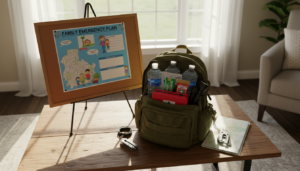
Don’t keep this knowledge to yourself. Every adult and older child in your home should know where the shutoff valve is and how to use it. Create a simple diagram showing the valve’s location and keep copies in multiple places:
- Inside your electrical panel box
- On the water heater
- Inside your main kitchen cabinet
- On your refrigerator with a magnet
Laminate these instructions so they stay readable even if water gets on them. Conduct family drills where each person practices turning off the water. Make it a quick exercise that takes just minutes. When everyone knows this basic plumbing repairs skill, your entire household stays protected from water damage emergencies.
Consider using a bright sticker or paint mark to make the valve easy to spot in stressful situations. The easier you make it to find and operate, the faster your family can respond when water trouble strikes.
Basic Plumbing Repairs for Common Household Issues
Homeowners often face plumbing problems. You might find a faulty fixture one day and deal with drain issues the next. These small issues can quickly turn into big problems if ignored.
A small drip can lead to a burst pipe. A slow drain can become a complete blockage. A running toilet wastes a lot of water each month. Catching these problems early can save you from bigger headaches.
You don’t need to be a pro plumber to fix basic plumbing issues. Most fixes are simple and can be learned by anyone. The key is to spot problems fast and know how to fix them.
Building your own toolkit and learning these repairs is part of being a prepper. Being self-reliant and resourceful is important when you can’t call a plumber.
Basic plumbing repairs also help save water and keep your home’s systems running smoothly. Here are some essential repairs every prepper should know:
- Stopping faucet drips that waste water daily
- Fixing running toilets that drain your water supply
- Clearing clogged drains before they back up completely
- Replacing broken pipes and damaged connections
- Identifying leaks hidden behind walls or under floors
Having the right tools and supplies ready can make a big difference. Stock your emergency kit with basic supplies now. This way, you’ll be prepared when problems arise.
Fixing Leaky Faucets and Running Toilets to Conserve Water
Water waste at home can quickly drain your resources. Leaky faucets and running toilets are common culprits. A dripping faucet wastes thousands of gallons each year. A running toilet can dump gallons daily.
Learning to fix these issues keeps water in your system. This is key for preppers, as water conservation is critical during emergencies.
Simple Steps to Stop Faucet Drips
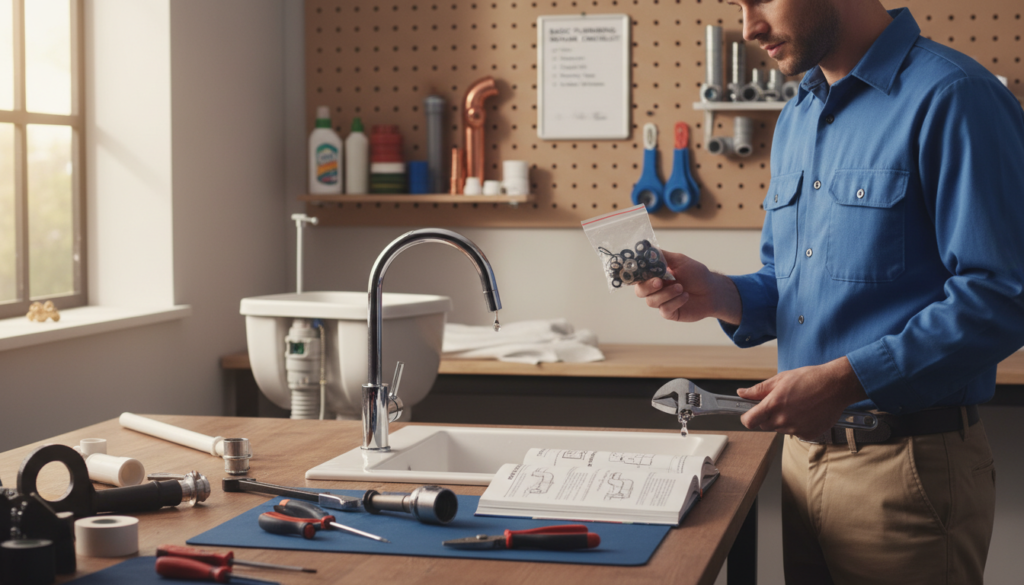
Most faucet leaks come from worn parts inside the handle. The good news? Fixing leaky faucets takes less than thirty minutes and requires basic tools.
Follow these steps for fixing leaky faucets:
- Turn off the water supply valve under the sink
- Remove the faucet handle by unscrewing the cap or bolt
- Take out the worn washer or O-ring
- Replace it with a new one from your hardware store
- Reassemble the handle and test your work
That’s it. You just saved gallons of water and hundreds of dollars on water bills.
Repairing a Constantly Running Toilet
Toilet repair basics start with detecting the leak. Try this simple test: drop food coloring into your toilet tank (not the bowl). Wait fifteen minutes without flushing. If colored water appears in the bowl, you have a leak wasting gallons daily.
Most running toilets suffer from two issues:
| Component | Problem | Solution |
|---|---|---|
| Flapper | Worn rubber prevents sealing | Replace the flapper valve at the tank bottom |
| Fill Valve | Faulty valve keeps water running | Adjust or replace the fill valve |
Both repairs take fifteen to twenty minutes with an adjustable wrench and screwdriver. Understanding toilet repair basics empowers you to handle emergencies without calling a plumber. You control your resources and your emergency preparedness.
Clearing Clogs and Replacing Broken Pipes
Being able to unclog drains and fix pipe leaks are key prepper skills. They help avoid big plumbing problems. Learning these skills means you won’t need to call a plumber when stores are closed.
Unclogging Drains with Simple Methods
You don’t need expensive chemicals to unclog drains. Start with simple methods and move to more complex ones if needed.
- Plunger method: Make a tight seal and push down steadily. It works well for toilets and sinks clogged with debris.
- Boiling water: Pour hot water down the drain to break up grease. But don’t use it on toilets with wax seals, as it can damage them.
- Baking soda and vinegar: Pour half a cup of baking soda, then vinegar, and let it fizz for 15 minutes. Flush with hot water. This method is safe for your pipes.
- Dish soap and warm water: For toilet clogs, mix warm water with dishwasher soap. It’s a gentler option than harsh chemicals.
- Drain snake: Use this tool to pull out hair and debris without damaging pipes.
Know when to stop and call a plumber. If many drains are clogged, smells are bad, or your fixes don’t work, it’s time to call a pro.
Pipe Leak Repairs for Emergency Situations
Fixing pipe leaks is more complex than unclogging drains. First, identify your pipe type—PVC, copper, or PEX—because each needs different fixes.
| Pipe Type | Repair Method | Best For |
|---|---|---|
| PVC | PVC cement and couplings | Cold water lines and drainage |
| Copper | Solder or compression fittings | Hot and cold water supply |
| PEX | Crimp rings and couplings | Modern water distribution systems |
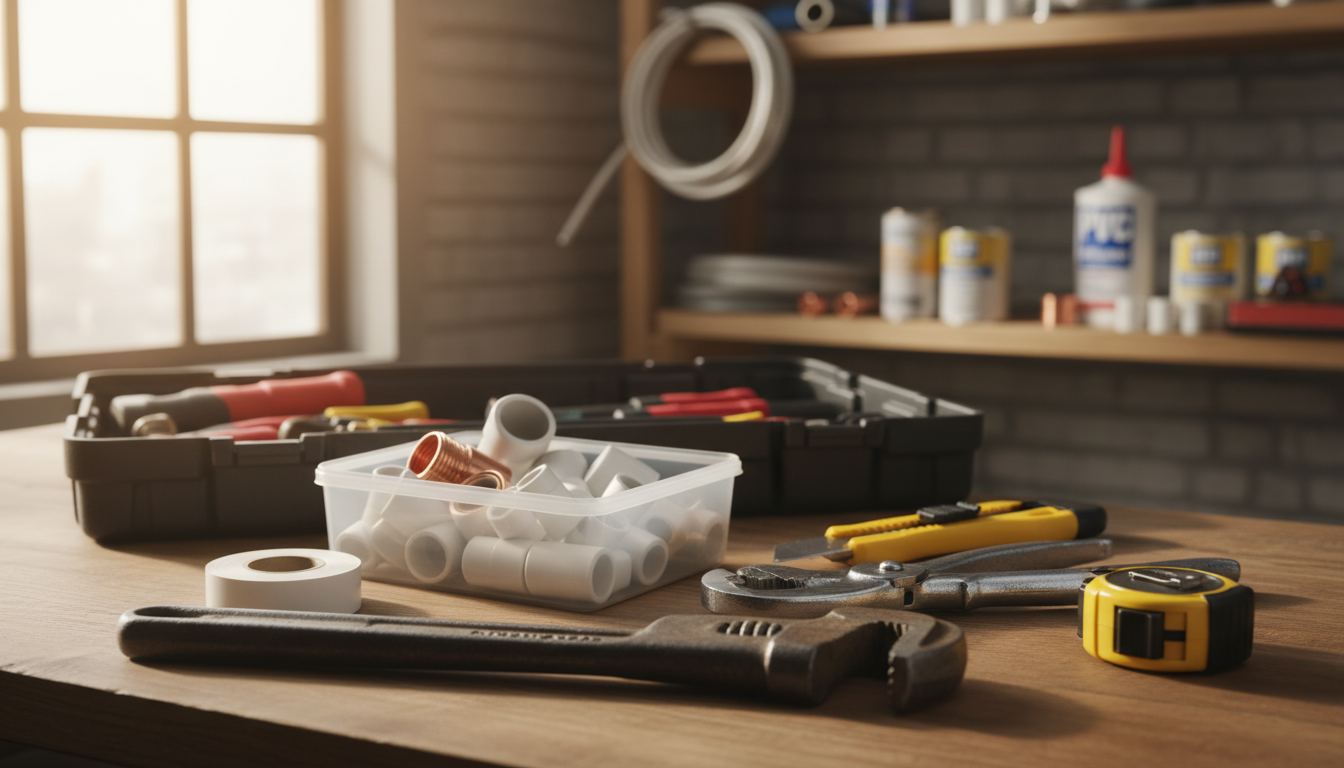
Keep an emergency kit with pipe sections, couplings, tape, and cement. Also, have cutting tools and a threader if you can. Basic repairs involve cutting out the damaged part and installing a new one with the right fittings.
For big water line issues, get professional help. But you can handle small repairs. Having these supplies ready means you’re prepared for emergencies.
Finding Alternative Water Sources When Systems Fail
When the water system fails, finding other water sources is key. This guide shows you how to find water on your property and build a plumbing toolkit. Learning these skills makes you self-reliant in emergencies. Many people forget the need for backup water plans along with plumbing care.
Locating and Tapping Wells for Emergency Water
Wells are a good backup when other water sources are gone. First, check if your land has a well. Look up records with your county or local water agency. Knowing the water table depth helps decide if a shallow well is possible.
If you find a capped well, it might be fixable. Hand pumps are great for emergencies because they don’t need electricity. Before drilling, check local laws through your state’s water department. Many places, like California, have water recycling and alternative water plans for emergencies.
Test well water before drinking it. You’ll need professional help for this. Keep test kits in your emergency kit for when labs are closed.
Essential Tools and Supplies for Your Emergency Kit
A plumbing toolkit is vital for repairs when plumbers are not around. It helps with regular maintenance and emergencies:
- Adjustable wrenches (multiple sizes)
- Pipe wrenches for gripping round pipes
- Plungers for sinks and toilets
- Drain snakes to clear blockages
- Plumber’s tape and putty for sealing leaks
- Pipe fittings in common sizes
- Replacement faucet parts and cartridges
- Toilet fill valves and flappers
- Hose washers and clamps
- Pipe repair clamps for emergency fixes
Don’t forget water heater repair tools in your kit. Water heaters work hard and can get clogged. Flushing them yearly helps them last longer. Listen for strange sounds that mean they need cleaning.
Keep your water heater at 120°F for safety and energy savings. This temperature is hot enough to kill bacteria but not too hot. Lower temperatures save energy without risking safety.
Make printed copies of plumbing guides for your survival binder. Digital guides won’t work when the power is out. Keep these guides with your tools in a waterproof bag.
Conclusion
You now know the key plumbing repairs every prepper should learn. These include shutting off water, fixing leaky faucets, and clearing clogs. These skills are the base of being independent at home.
Learning to troubleshoot plumbing isn’t just for emergencies. It also saves you money and gives you peace of mind. You’ll know you can solve problems when they happen.
Start practicing these skills this weekend. Find your main water shutoff valve and show your family where it is. Fix that running toilet you’ve been ignoring. Replace a broken pipe or clear a drain.
Like professional plumbers, you need hands-on practice before emergencies. Each skill you practice makes you more confident and less dependent on others.
Create a physical plumbing reference binder and keep it safe and easy to find. Include diagrams of your home’s plumbing system, emergency procedures, and basic repair instructions. This binder is key when the power goes out or you can’t access the internet.
Every plumbing repair you learn brings you closer to self-reliance. The confidence you gain from fixing your own plumbing is important for everyday life and emergencies. You don’t need special talent or years of training. Just the willingness to learn and practice.
Start today, and make your household more resilient and independent.
FAQ
Why is knowing how to shut off my water supply so important for preppers?
Knowing how to shut off your water supply is a critical skill. A burst pipe can cause thousands of dollars in damage in just hours. If help isn’t available, you can stop water damage quickly.
This skill is a lifesaver for your home and family’s safety.
Where is the main water shutoff valve typically located?
The main water shutoff valve is often outside near the foundation or at the meter box in warmer climates. In colder areas, it’s inside near the water meter, in the basement, or crawl space. Some homes have a secondary valve where water enters.
Check your home to find yours before an emergency.
What’s the difference between gate valves and ball valves, and how do I operate them?
Gate valves have a wheel handle that needs to be turned multiple times to close. Ball valves have a lever that only needs a quarter-turn to stop water flow. Ball valves are faster and more reliable.
If you’re replacing a gate valve, consider a ball valve for better performance.
How can I make sure my entire household knows how to shut off the water?
Make a simple diagram showing where the main shutoff valve is. Post it in places like the electrical panel or on the refrigerator. Practice drills with your family to learn how to use it.
Even kids can learn this important skill. Make sure everyone knows how to shut off the water.
What are the most common plumbing issues I should watch for as part of emergency preparedness?
Watch for slow drips that can burst, clogging drains, and running toilets wasting water. These problems start small but can get worse. Catching them early helps avoid big problems.
Knowing how to fix these issues helps you maintain your home’s systems.
How much water can a simple dripping faucet waste, and why should preppers care?
A dripping faucet wastes about 3,000 gallons a year. This might seem small, but it’s important for preppers. Saving water is about resource management and self-sufficiency.
Fixing leaks shows the prepper mindset of not wasting resources.
What’s the food coloring test for detecting a running toilet, and why does it matter?
Put food coloring in the tank to find a leaking flapper. If it shows up in the bowl, your flapper is leaking. A running toilet wastes up to 200 gallons daily.
This is a serious issue for water security during shortages or emergencies.
What are the basic steps for fixing a leaky faucet, and how long does it take?
Fixing a leaky faucet usually takes 15-30 minutes. Turn off the water, disassemble the faucet, find the worn part, and replace it. You’ll need basic tools like an adjustable wrench and screwdriver.
Many hardware stores sell repair kits for under . This is an affordable and impactful repair.
How do I fix a running toilet by replacing the flapper?
To replace the flapper, turn off the water, flush to empty the tank, and remove the old flapper. Slide the new flapper onto the pins. This fix takes about 10 minutes and saves a lot of water.
Fixing a running toilet is a simple task that can save a lot of water.
What methods can I use to unclog a drain without harsh chemicals?
Start with a plunger for a proper seal and steady pressure. If that fails, try baking soda and vinegar. Pour 1/2 cup of each down the drain, wait 30 minutes, then flush with boiling water.
For stubborn clogs, use a drain snake. Boiling water works for grease clogs but not in toilets with wax seals.
How do I identify what type of pipes I have before attempting repairs?
Look for PVC, copper, or PEX pipes in your basement or under sinks. PVC is easy to work with using solvent cement. Copper requires a torch and solder or compression fittings. PEX is beginner-friendly with crimp rings and a tool.
Knowing your pipe type is key for the right repair materials and techniques.
What supplies should I stockpile for pipe leak repairs and other plumbing emergencies?
Build a plumbing kit with wrenches, plungers, a drain snake, tape, fittings, washers, O-rings, and repair clamps. Include PVC, copper, and PEX pipe. Store it in a labeled container in an easy-to-reach place. Add repair guides for troubleshooting without internet.
Having these supplies and guides helps you handle emergencies.
How do I maintain my water heater as part of overall home plumbing maintenance?
Flush your water heater annually by turning off the heater, attaching a hose, and running water until it’s clear. This takes 30 minutes to an hour and can extend its life. Listen for popping sounds to know it’s time to flush.
Keep the temperature at 120°F for safety and efficiency. Regular maintenance prevents emergencies when help might not be available.
Can I access groundwater from a well for emergency water during system failures?
Drilling a well requires professional equipment and expertise. But, you might access an existing well. Research shallow wells and your water table depth. Hand pumps can get groundwater during power outages.
Understanding your property’s water access gives you independence and peace of mind during emergencies.
What’s the best way to organize and store plumbing repair instructions for emergencies?
Create a physical binder with repair instructions, a diagram of your water system, plumber contacts, emergency procedures, and supplier info. Laminate key pages for water resistance. Store it in an easy-to-reach place, separate from digital devices.
This binder is invaluable when you need immediate guidance without internet.
How should I practice these plumbing skills before an actual emergency occurs?
Practice these skills to build confidence and muscle memory. This weekend, find and practice using your main water shutoff valve. Fix that dripping faucet or running toilet you’ve been ignoring.
Conduct family drills to practice shutting off the water. Research your home’s pipe types and locations. Try unclogging a drain to understand the process. Remember, even professionals needed training.
Each repair you complete reduces your dependency on outside systems and increases your preparedness.
Why should preppers view basic plumbing repairs as essential skills, not optional knowledge?
Water systems are the lifeline of every home. While many focus on food and self-defense, plumbing failures can compromise health and comfort faster. Learning these skills saves money, conserves resources, and maintains your home’s systems.
From an emergency preparedness standpoint, plumbing knowledge is as essential as any survival skill.
Can someone without any plumbing experience really learn to handle these repairs?
Absolutely. Most homeowners can master basic plumbing repairs with the right guidance and practice. Start with the basics like shutting off the water supply, then move to simple repairs before tackling more complex ones.
Online tutorials, printed guides, and hands-on practice build confidence. You don’t need specialized training to fix leaky faucets, clear drains, or perform plumbing troubleshooting. Anyone motivated to learn can develop these valuable skills.