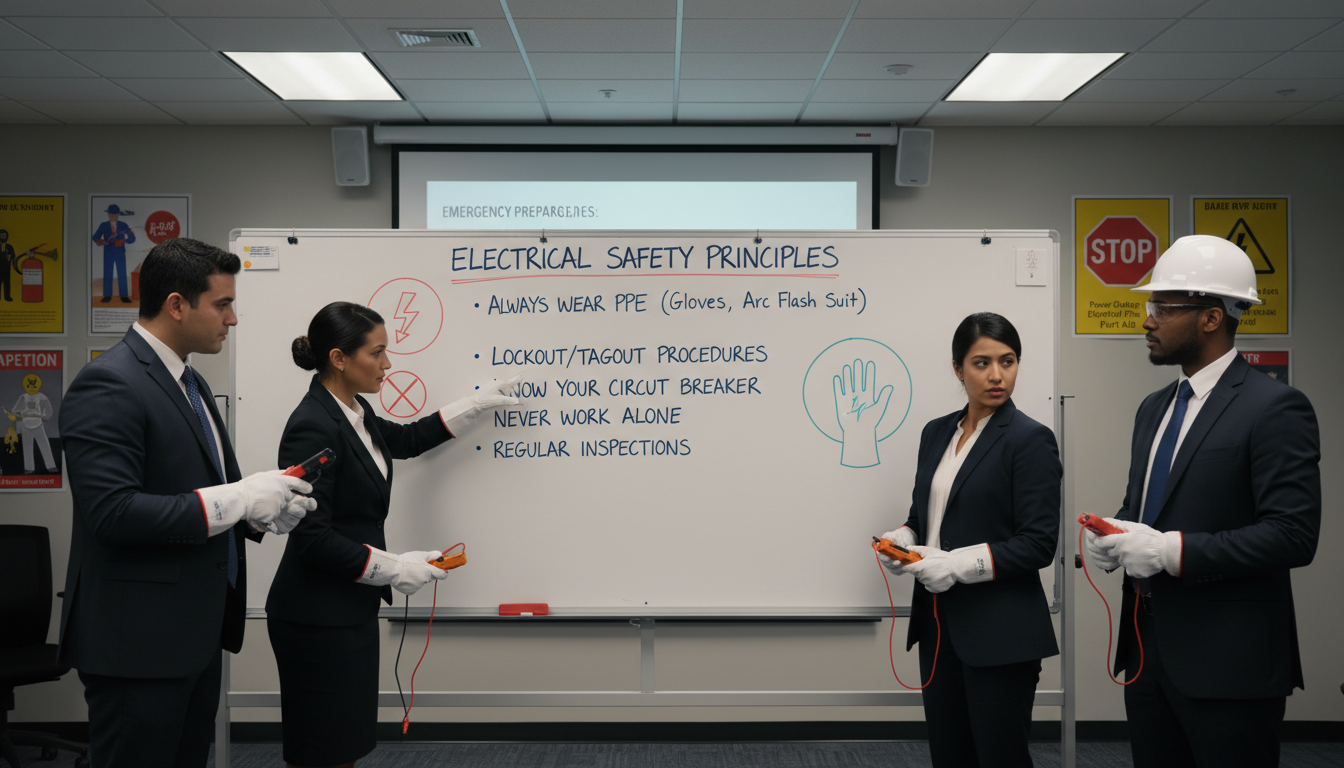
Electricity is everywhere in our modern world. It keeps our homes warm and powers our devices. But, it also comes with serious risks.
Electrical hazards can happen anywhere. They can occur at home, at work, or in public. That’s why learning about electrical safety is important for everyone.
OSHA says electricity poses three main dangers. Electric shock can be deadly. Arc flash and arc blast can cause severe burns in seconds. Burns from electrical sources are also a risk.
Many people underestimate these risks. They don’t know how to protect themselves. This makes accidents more likely.
But, proper electrical safety training can prevent most accidents. Knowing the dangers helps you spot problems early. This can save lives.
This article will teach you basic electrical safety skills. You’ll learn about hazards and how to recognize dangerous situations. You’ll also know what to do in an electrical emergency. The knowledge here can save lives.
Respect the power of electricity. Learn about its dangers. Protect yourself and others with the right knowledge and choices.
Table of Contents
Understanding Electrical Hazards in Your Environment
Electricity is everywhere in our homes and workplaces. But it also comes with big risks. Knowing how to prevent electrical hazards is key to staying safe every day. There are three main dangers: electric shock, arc flash, and thermal burns. Each one can harm your health and safety.
Electric Shock and Electrocution Risks
Electric shock happens when your body becomes part of an electrical circuit. This can happen if you touch something live while also touching something grounded. Your body acts as a bridge, letting current flow through you.
The danger level depends on three things: how much current flows, the path it takes, and how long you’re in contact. Even small amounts of current can cause serious harm or death. The difference between a slight tingle and a fatal shock is very small.
| Current Level (Milliamperes) | Effect on the Human Body | Duration Risk |
|---|---|---|
| 1 mA | Barely noticeable tingle | Generally safe for brief contact |
| 5 mA | Slight shock with possible involuntary movement | Uncomfortable but usually survivable |
| 6-30 mA | Painful shock with loss of muscular control | Dangerous; difficult to release grip |
| 50-150 mA | Extreme pain, respiratory arrest, inability to let go | Potentially fatal without immediate help |
| 1,000-4,300 mA | Ventricular fibrillation and probable death | Likely fatal outcome |
| 10,000+ mA | Cardiac arrest, severe burns, probable death | Almost certain death |
The path electricity takes through your body affects how severe the injury is. Current going through your chest is the most dangerous because it can mess with your heart rhythm. Touching wet skin, sweat, or water makes you more likely to get shocked.
Arc Flash and Arc Blast Dangers
Arc flash and arc blast are less known dangers. They occur when high electrical currents create an arc, or sudden electrical discharge through the air. This discharge makes extreme heat, hotter than the sun’s surface. Arc flash burns can happen even if you don’t touch the electrical source directly.
Arc blast creates a pressure wave that can throw people across rooms. Flying debris and shrapnel travel fast, causing serious injuries. The intense heat can also ignite clothing and nearby flammable materials. These hazards happen when circuits open or close, during short circuits, or during equipment maintenance and repair work.
- Arc flash produces severe burns from intense heat radiation
- Clothing can ignite from arc flash temperatures
- Arc blast pressure waves cause hearing damage and physical trauma
- Flying debris causes cuts, puncture wounds, and eye injuries
- Nearby flammable materials can catch fire from electrical arc heat
Thermal Burns from Electrical Sources
Electricity can cause burns in different ways. Direct contact with hot electrical surfaces creates contact burns. When electrical current passes through body tissue, it generates internal heat that burns from the inside out. Arc flash heat causes surface burns similar to severe sunburn. Knowing these different types of burns helps with electrical hazard prevention strategies.
The danger of thermal burns isn’t just for the person touching the electrical source. Bystanders can get burns from arc flash heat and flying debris. Fires started by electrical arcs spread fast, threatening entire buildings and everyone inside. Proper electrical maintenance and safety equipment reduce these risks a lot.
- Direct electrical burns from touching live conductors
- Arc burns from intense heat of electrical arcs
- Thermal contact burns from hot surfaces and equipment
- Secondary burns from fires started by electrical arcs
- Inhalation injuries from smoke produced by electrical fires
Basic Electrical Safety: Essential Knowledge for Everyone
Learning about electricity is key to staying safe. It’s important for everyone, whether you work or just use devices at home. Knowing the basics helps you make choices that keep you and others safe.
Electricity flows through closed circuits. Your body becomes a danger if it gets in the way. Think of it like water flowing downhill. Electricity always seeks the easiest path to the ground, and sometimes that path is through you.
This can happen in three ways:
- Touching both wires of an electrical circuit at the same time
- Touching one energized wire while your body is in contact with the ground
- Touching a metal object that has become electrically charged
Your body is mostly water, making it a great conductor of electricity. Water lowers your body’s resistance, making it more dangerous in wet conditions. Standing on a dry surface increases your resistance and offers some protection.
The severity of electrical shock depends on several factors. Current strength matters most—measured in milliamps (mA). Even small currents can cause serious harm. Understanding these thresholds helps explain why safe electrical practices save lives:
| Current Level | Effects on the Human Body |
|---|---|
| Below 1 mA | Generally not felt |
| 1 mA | Faint tingling sensation |
| 5 mA | Slight shock; person can usually let go |
| 6–25 mA (women) | Painful shock; loss of muscle control |
| 9–30 mA (men) | Cannot let go; severe involuntary reactions |
| 50–150 mA | Extreme pain; respiratory arrest possible; death possible |
| 1–4.3 amps | Heart stops beating; severe burns; death likely |
| 10 amps and above | Cardiac arrest; severe burns; death probable |
Your heart and brain are most at risk from electrical shock. A current as low as 70 milliamps can cause ventricular fibrillation. This is a condition where the heart stops pumping properly and cannot be restarted without medical help. The timing of the shock also matters. If electricity passes through your body at a certain moment in your heart’s cycle, it can trigger this dangerous condition.
Other factors affect how serious a shock will be. Your general health, how long you stay in contact with the electricity, and the type of current all play a role. Alternating current (AC)—the type delivered to homes and offices—is more dangerous than direct current (DC) because it disrupts the heart’s rhythm more easily.
Many people believe that if they don’t see burns or injuries, electrical shock isn’t dangerous. This is false. Electricity can damage your organs, nerves, and muscles from the inside without leaving visible marks on your skin. Anyone who experiences electrical shock should seek immediate medical evaluation, even if they feel fine. Hidden internal damage can develop hours or days after the incident. Access proper guidance through OSHA’s basic electricity materials to strengthen your workplace electrical safety knowledge.
Smart workplace electrical safety practices start with education. When employees and homeowners understand these principles, they can spot dangers and avoid becoming part of an electrical circuit. Your knowledge is your best defense against electrical hazards.
Recognizing Common Electrical Hazards Before They Become Emergencies
Spotting electrical issues early can save your home and keep your family safe. Many problems start slowly, giving you time to notice warning signs. Learning to spot these signs helps you control your electrical safety. Knowing what to look for helps you prevent electrical emergencies.
Warning Signs of Electrical Problems
Your home sends clear signals when something is wrong with its electrical system. Look out for these common signs that need quick action:
- Flickering lights suggest loose connections or overloaded circuits that could spark fires
- Warm or hot switches and outlets show dangerous overheating inside the walls
- Burning odors near outlets or appliances often come before electrical fires
- Sparking or buzzing sounds indicate arcing electricity ready to cause shock or fire
- Frequent breaker trips signal that your circuit breaker safety systems are working hard to protect you
Think of these signs like your body’s warning system. Just as pain tells you something is wrong, electrical warnings tell you to act fast. Call a qualified electrician immediately when you notice any of these problems.
Identifying Damaged Cords and Equipment
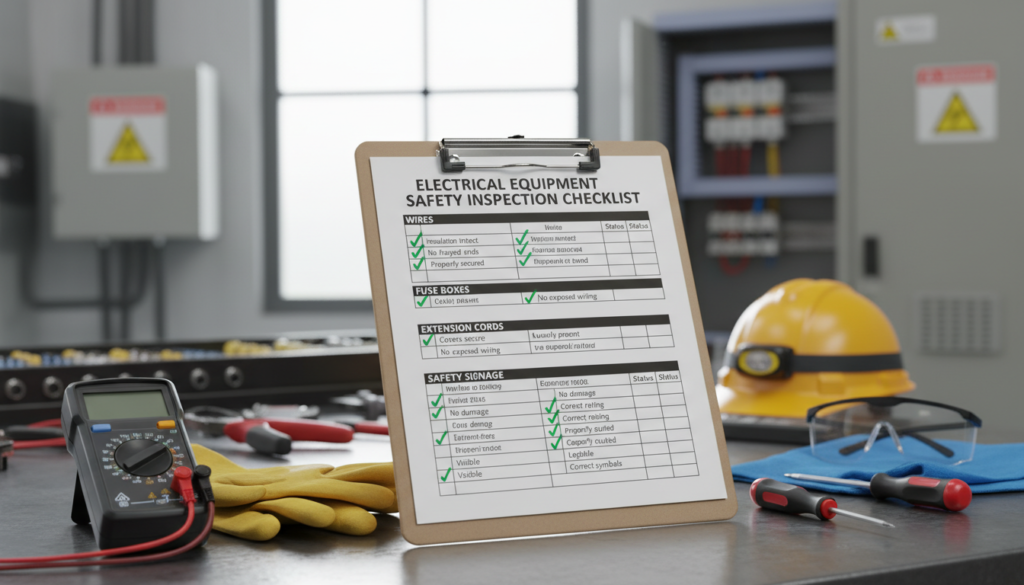
Damaged cords and worn equipment create serious risks every single day. Inspect your electrical devices regularly by looking for these specific problems:
| Damage Type | What It Looks Like | Why It’s Dangerous |
|---|---|---|
| Frayed or cracked insulation | Exposed wires near plugs or along the cord length | Direct contact with electricity causes shock or fire |
| Bent or damaged prongs | Plugs that don’t fit evenly into outlets | Creates loose connections that overheat and spark |
| Discolored cords or plugs | Brown, black, or melted-looking plastic | Shows previous overheating that damaged insulation |
| Loose connections | Wobbly plugs or outlets that move easily | Unstable connections generate dangerous heat |
| Cracked casings on equipment | Visible cracks in the plastic housing | Water and debris enter, creating shock hazards |
Never use any equipment with these problems. Running cords under doors, rugs, or through windows speeds up damage and creates fire risks. Store cords properly instead of coiling them tightly, which damages the insulation inside.
Know where your circuit breaker panel is located. Your circuit breaker safety depends on quick access during emergencies. The panel must have at least three feet of clear space in front of it. Every breaker should be clearly labeled so you understand what each one controls. If any breakers are missing, breaker caps must be in place for safety.
Emergency Response Procedures for Electrical Accidents
Knowing how to react to an electrical emergency can save lives. Basic electrical safety means knowing what to do when someone gets shocked. The first moments are critical, so staying calm and acting fast is key.
When an electrical accident occurs, call 911 right away. Don’t wait to see if the person feels better. If the victim is unconscious, not breathing, or shows serious injury signs, call emergency services immediately. Give the dispatcher clear details about what happened and where you are.
Before approaching anyone in contact with electricity, assess the situation carefully. Your safety is the top priority. You can’t help if you become another victim. Never touch someone who is connected to an electrical source with your bare hands. This is the golden rule of Basic Electrical Safety in emergency situations.
Steps for Safely Removing a Victim
If the power source can’t be shut off quickly, you need to separate the victim from the electrical current. Use only non-conductive materials like dry wood boards, plastic items, or rubber. These materials don’t conduct electricity and keep you safe from electrocution.
- Turn off the circuit breaker if you can reach it safely
- Use a dry, non-conductive item to push the victim away from the source
- Never use wet items or metal objects
- Keep yourself at least 10 feet away from downed power lines
CPR and Medical Response
If the person is not breathing and you have received CPR training, have someone call 911 while you begin CPR immediately. Electrical injuries can cause the heart to stop, and quick action is vital. Even if a shock victim appears fine, they must receive medical evaluation. Internal injuries may not show right away.
| Situation | Your Action | Timeline |
|---|---|---|
| Person unconscious or not breathing | Call 911 immediately, begin CPR if trained | Within seconds |
| Person conscious but injured | Call 911, monitor breathing, keep them calm | Immediately |
| Power source is active | Turn off circuit breaker or use non-conductive item | Before approaching victim |
| Victim appears fine after shock | Insist on medical evaluation | Right after incident |
Preventing Accidental Re-Energization
During rescue or repair work, Basic Electrical Safety requires locking out and tagging circuits. Before anyone inspects or repairs electrical equipment, the current must be turned off at the switch box. The switch should be padlocked or tagged in the off position. This prevents the equipment from accidentally starting and causing more injury.
Test all equipment to make sure there is no leftover energy before anyone works on the circuit. Taking these steps protects both victims and rescuers during emergencies.
Safe Practices for Working with Electrical Equipment
Working with electrical equipment safely means knowing the right practices. It also means using the right protective measures. Knowing how to handle power tools, cords, and outlets can prevent serious injuries. This section covers essential safety habits that protect you and your family from electrical hazards.
Proper Use of Extension Cords and Power Strips
Extension cords are important for temporary use with portable tools and devices. But, many people use them as permanent solutions for fixed appliances. This is dangerous and can cause fires and electrical failures.
When choosing an extension cord, make sure the wire thickness matches your tool’s needs. Always check for the UL listing mark on the package. Before plugging in any cord, inspect it for cuts, fraying, or damage that could expose live wires.
Power strips need built-in overload protection and must be UL listed for safety. Never plug a power strip into another power strip, as this is dangerous. Unplug extension cords after each use to reduce electrical risks.
- Use extension cords only for portable tools
- Check wire gauge matches your tool requirements
- Verify UL listing before purchasing
- Inspect cords before each use
- Never run cords under rugs or through doorways
- Unplug cords when not in use
Ground Fault Circuit Interrupter Protection
Ground Fault Circuit Interrupters (GFCIs) are protective devices that save lives. They work by comparing electrical current flowing to a device against current returning from it. When these amounts don’t match, the GFCI cuts power in just 1/40 of a second—faster than your heartbeat.
Unlike regular circuit breakers that protect equipment, GFCIs protect people by detecting when electricity might be flowing through a person. This makes them essential in wet areas where electrical contact becomes likely. Install GFCIs in bathrooms, kitchens, garages, basements, and outdoor outlets.
Test your GFCI outlets monthly using the test button on the outlet. Proper installation and maintenance of grounding and bonding procedures ensures these devices work when needed. Both fixed outlets and portable GFCI devices should be used in high-risk construction sites and wet locations.
| Location Type | GFCI Requirement | Reason |
|---|---|---|
| Bathrooms | Required | Water creates shock hazards |
| Kitchens | Required | Frequent water and wet conditions |
| Outdoor Outlets | Required | Exposure to moisture and rain |
| Garages | Required | Damp environments and tool use |
| Basements | Required | Potential for water seepage |
| Construction Sites | Required | High-risk temporary installations |
Personal Protective Equipment for Electrical Work
Personal protective equipment is your last line of defense when working with electricity. Before starting any electrical task, remove all jewelry including rings, watches, bracelets, and necklaces. Metal jewelry conducts electricity and can cause severe burns or create dangerous short circuits.
Use insulated tools and testing equipment designed for electrical work. Safety glasses protect your eyes from arc flash debris. Insulated gloves rated for the voltage you’re working with provide hand protection. Non-conductive footwear keeps electricity from flowing through your body to the ground.
Power tool safety improves when using double-insulated tools or tools with GFCI protection. Choose wood or fiberglass ladders instead of aluminum, which conducts electricity. Never work with electrical equipment in wet or damp environments without GFCI protection. Always follow manufacturer instructions and never attempt repairs unless you’re a qualified electrical technician. When in doubt about your skills, contact a professional.
- Remove all jewelry before electrical work
- Wear safety glasses and insulated gloves
- Use non-conductive footwear
- Select insulated tools for all electrical tasks
- Choose non-conductive ladders
- Use double-insulated power tools
- Avoid wet or damp work areas
- Inspect PPE before each use
Safe electrical practices aren’t complicated or expensive. Reading equipment instructions and using proper grounding and bonding procedures protects you from shocks, burns, and fires. Start implementing these habits today in your home and workplace.
Preventing Electrical Fires and Maintaining Safe Work Areas
Electrical fires often start small. They can grow from problems like overloaded circuits and poor storage. The key to preventing them is simple habits you can follow daily. Keeping your environment safe involves how you store items and maintain your electrical systems.
One key rule is to keep flammable materials away from electrical gear. This includes cleaning supplies and gasoline. Even temporary storage near outlets can be risky. Store these items in separate, safe areas.
Good housekeeping is vital. Clean, organized spaces prevent fires and reduce hazards. Here are some tips:
- Maintain at least three feet of clear space in front of electrical panels
- Route cords so they do not create trip hazards
- Store materials away from heat sources and electrical equipment
- Keep exit paths completely clear
- Remove clutter from work benches and areas
Circuit breakers and fuses protect your wiring. If they trip or blow, it’s a warning. Never repeatedly reset breakers without finding the cause. Faulty appliances need attention, not quick fixes.
Learn where electrical panels are in your home or workplace. Make sure all breakers are labeled. Store a flashlight near the panel for emergencies. Never use oversized fuses or defeat circuit breakers. Knowing how to shut off power is part of prevention.
Regular checks and maintenance are also important. Ensure good air flow around electrical gear to avoid heat buildup. Never cover electrical devices with cloth or paper. These steps protect you and your property every day.
Conclusion
You now know how to keep yourself and others safe from electrical dangers. Learning about workplace electrical safety is important for everyone. It helps you make smart choices around electrical equipment every day.
Workplace electrical safety is something you should always practice, not just once. Always check your cords and equipment. Watch out for warning signs that something is wrong. Never be lazy or careless around electricity.
OSHA’s electrical standards are in place to keep workers safe. By following these standards, you protect yourself and others. Your knowledge is important to your family and coworkers.
Share what you’ve learned about recognizing hazards and using equipment safely. Help create a culture that respects electricity’s power. If you’re unsure, call a qualified electrician. Knowing your limits is smart, not weak.
The time you spent reading this article was worth it. Electrical safety awareness can prevent tragedy and save lives. You’re now ready to face electrical hazards with confidence and care. Use these practices every day to make your home and workplace safer for everyone.
FAQ
Why is basic electrical safety important for everyone, not just electricians?
Electrical emergencies can happen anywhere. Knowing how to prevent them can save lives. Electricity is powerful but also risky. It’s important for everyone to learn about electrical safety.
How much electrical current can be dangerous to the human body?
Even a little electrical current can be deadly. The body can become a conductor, leading to shock. Currents as low as 1 milliampere can cause a tingle, while over 10,000 milliamperes can be fatal.
What is an arc flash and why is it dangerous?
An arc flash is an electrical explosion that can happen when circuits are opened or closed. It produces intense heat and can cause severe burns. Arc blasts can also throw people across rooms and cause hearing damage.
What are the different ways electricity causes burn injuries?
Electricity can cause burns through several ways. It can heat up surfaces, generate heat as it passes through the body, or from electrical arcs. Internal damage from electrical shock can be severe, even without visible burns.
Why is water so dangerous when electricity is present?
Water lowers the body’s resistance to electrical current. This makes it easier for current to flow through the body. Always avoid using electrical devices near water sources.
What warning signs indicate electrical problems in my home?
Warning signs include flickering lights, warm or hot switches and outlets, burning smells, and sparking or buzzing sounds. These signs indicate electrical issues that need attention.
How do I inspect electrical cords and equipment for damage?
Look for fraying, exposed wires, cracked insulation, damaged prongs, loose connections, and overheating. Regular inspections can prevent electrical accidents.
What’s the first thing I should do if someone experiences an electrical shock?
Call 911 immediately if someone has been shocked and is unconscious or showing serious injury. Never touch someone who is in contact with an electrical source. Use non-conductive materials to separate the victim if possible.
Should an electrical shock victim seem fine if they have no visible burns?
Yes, but they should always receive medical evaluation. Internal injuries from electrical shock can be severe, even without visible burns. Medical assessment is critical after any electrical incident.
Why are extension cords meant for temporary use only?
Extension cords are for temporary use with portable tools, not as permanent wiring. They should not be used for fixed appliances. Always match the wire gauge to the tool’s power requirements and check for UL listing marks.
What warning signs indicate electrical problems in my home?
Warning signs include flickering lights, warm or hot switches and outlets, burning smells, and sparking or buzzing sounds. These signs indicate electrical issues that need attention.
How do I inspect electrical cords and equipment for damage?
Look for fraying, exposed wires, cracked insulation, damaged prongs, loose connections, and overheating. Regular inspections can prevent electrical accidents.
What’s the first thing I should do if someone experiences an electrical shock?
Call 911 immediately if someone has been shocked and is unconscious or showing serious injury. Never touch someone who is in contact with an electrical source. Use non-conductive materials to separate the victim if possible.
Should an electrical shock victim seem fine if they have no visible burns?
Yes, but they should always receive medical evaluation. Internal injuries from electrical shock can be severe, even without visible burns. Medical assessment is critical after any electrical incident.
Why are extension cords meant for temporary use only?
Extension cords are for temporary use with portable tools, not as permanent wiring. They should not be used for fixed appliances. Always match the wire gauge to the tool’s power requirements and check for UL listing marks.
What warning signs indicate electrical problems in my home?
Warning signs include flickering lights, warm or hot switches and outlets, burning smells, and sparking or buzzing sounds. These signs indicate electrical issues that need attention.
How do I inspect electrical cords and equipment for damage?
Look for fraying, exposed wires, cracked insulation, damaged prongs, loose connections, and overheating. Regular inspections can prevent electrical accidents.
What’s the first thing I should do if someone experiences an electrical shock?
Call 911 immediately if someone has been shocked and is unconscious or showing serious injury. Never touch someone who is in contact with an electrical source. Use non-conductive materials to separate the victim if possible.
Should an electrical shock victim seem fine if they have no visible burns?
Yes, but they should always receive medical evaluation. Internal injuries from electrical shock can be severe, even without visible burns. Medical assessment is critical after any electrical incident.
Why are extension cords meant for temporary use only?
Extension cords are for temporary use with portable tools, not as permanent wiring. They should not be used for fixed appliances. Always match the wire gauge to the tool’s power requirements and check for UL listing marks.
What warning signs indicate electrical problems in my home?
Warning signs include flickering lights, warm or hot switches and outlets, burning smells, and sparking or buzzing sounds. These signs indicate electrical issues that need attention.
How do I inspect electrical cords and equipment for damage?
Look for fraying, exposed wires, cracked insulation, damaged prongs, loose connections, and overheating. Regular inspections can prevent electrical accidents.
What’s the first thing I should do if someone experiences an electrical shock?
Call 911 immediately if someone has been shocked and is unconscious or showing serious injury. Never touch someone who is in contact with an electrical source. Use non-conductive materials to separate the victim if possible.
Should an electrical shock victim seem fine if they have no visible burns?
Yes, but they should always receive medical evaluation. Internal injuries from electrical shock can be severe, even without visible burns. Medical assessment is critical after any electrical incident.
Why are extension cords meant for temporary use only?
Extension cords are for temporary use with portable tools, not as permanent wiring. They should not be used for fixed appliances. Always match the wire gauge to the tool’s power requirements and check for UL listing marks.
What warning signs indicate electrical problems in my home?
Warning signs include flickering lights, warm or hot switches and outlets, burning smells, and sparking or buzzing sounds. These signs indicate electrical issues that need attention.
How do I inspect electrical cords and equipment for damage?
Look for fraying, exposed wires, cracked insulation, damaged prongs, loose connections, and overheating. Regular inspections can prevent electrical accidents.
What’s the first thing I should do if someone experiences an electrical shock?
Call 911 immediately if someone has been shocked and is unconscious or showing serious injury. Never touch someone who is in contact with an electrical source. Use non-conductive materials to separate the victim if possible.
Should an electrical shock victim seem fine if they have no visible burns?
Yes, but they should always receive medical evaluation. Internal injuries from electrical shock can be severe, even without visible burns. Medical assessment is critical after any electrical incident.
Why are extension cords meant for temporary use only?
Extension cords are for temporary use with portable tools, not as permanent wiring. They should not be used for fixed appliances. Always match the wire gauge to the tool’s power requirements and check for UL listing marks.
What warning signs indicate electrical problems in my home?
Warning signs include flickering lights, warm or hot switches and outlets, burning smells, and sparking or buzzing sounds. These signs indicate electrical issues that need attention.
How do I inspect electrical cords and equipment for damage?
Look for fraying, exposed wires, cracked insulation, damaged prongs, loose connections, and overheating. Regular inspections can prevent electrical accidents.
What’s the first thing I should do if someone experiences an electrical shock?
Call 911 immediately if someone has been shocked and is unconscious or showing serious injury. Never touch someone who is in contact with an electrical source. Use non-conductive materials to separate the victim if possible.
Should an electrical shock victim seem fine if they have no visible burns?
Yes, but they should always receive medical evaluation. Internal injuries from electrical shock can be severe, even without visible burns. Medical assessment is critical after any electrical incident.
Why are extension cords meant for temporary use only?
Extension cords are for temporary use with portable tools, not as permanent wiring. They should not be used for fixed appliances. Always match the wire gauge to the tool’s power requirements and check for UL listing marks.
What warning signs indicate electrical problems in my home?
Warning signs include flickering lights, warm or hot switches and outlets, burning smells, and sparking or buzzing sounds. These signs indicate electrical issues that need attention.
How do I inspect electrical cords and equipment for damage?
Look for fraying, exposed wires, cracked insulation, damaged prongs, loose connections, and overheating. Regular inspections can prevent electrical accidents.
What’s the first thing I should do if someone experiences an electrical shock?
Call 911 immediately if someone has been shocked and is unconscious or showing serious injury. Never touch someone who is in contact with an electrical source. Use non-conductive materials to separate the victim if possible.
Should an electrical shock victim seem fine if they have no visible burns?
Yes, but they should always receive medical evaluation. Internal injuries from electrical shock can be severe, even without visible burns. Medical assessment is critical after any electrical incident.
Why are extension cords meant for temporary use only?
Extension cords are for temporary use with portable tools, not as permanent wiring. They should not be used for fixed appliances. Always match the wire gauge to the tool’s power requirements and check for UL listing marks.
What warning signs indicate electrical problems in my home?
Warning signs include flickering lights, warm or hot switches and outlets, burning smells, and sparking or buzzing sounds. These signs indicate electrical issues that need attention.
How do I inspect electrical cords and equipment for damage?
Look for fraying, exposed wires, cracked insulation, damaged prongs, loose connections, and overheating. Regular inspections can prevent electrical accidents.
What’s the first thing I should do if someone experiences an electrical shock?
Call 911 immediately if someone has been shocked and is unconscious or showing serious injury. Never touch someone who is in contact with an electrical source. Use non-conductive materials to separate the victim if possible.
Should an electrical shock victim seem fine if they have no visible burns?
Yes, but they should always receive medical evaluation. Internal injuries from electrical shock can be severe, even without visible burns. Medical assessment is critical after any electrical incident.
Why are extension cords meant for temporary use only?
Extension cords are for temporary use with portable tools, not as permanent wiring. They should not be used for fixed appliances. Always match the wire gauge to the tool’s power requirements and check for UL listing marks.
What warning signs indicate electrical problems in my home?
Warning signs include flickering lights, warm or hot switches and outlets, burning smells, and sparking or buzzing sounds. These signs indicate electrical issues that need attention.
How do I inspect electrical cords and equipment for damage?
Look for fraying, exposed wires, cracked insulation, damaged prongs, loose connections, and overheating. Regular inspections can prevent electrical accidents.
What’s the first thing I should do if someone experiences an electrical shock?
Call 911 immediately if someone has been shocked and is unconscious or showing serious injury. Never touch someone who is in contact with an electrical source. Use non-conductive materials to separate the victim if possible.
Should an electrical shock victim seem fine if they have no visible burns?
Yes, but they should always receive medical evaluation. Internal injuries from electrical shock can be severe, even without visible burns. Medical assessment is critical after any electrical incident.
Why are extension cords meant for temporary use only?
Extension cords are for temporary use with portable tools, not as permanent wiring. They should not be used for fixed appliances. Always match the wire gauge to the tool’s power requirements and check for UL listing marks.
What warning signs indicate electrical problems in my home?
Warning signs include flickering lights, warm or hot switches and outlets, burning smells, and sparking or buzzing sounds. These signs indicate electrical issues that need attention.
How do I inspect electrical cords and equipment for damage?
Look for fraying, exposed wires, cracked insulation, damaged prongs, loose connections, and overheating. Regular inspections can prevent electrical accidents.
What’s the first thing I should do if someone experiences an electrical shock?
Call 911 immediately if someone has been shocked and is unconscious or showing serious injury. Never touch someone who is in contact with an electrical source. Use non-conductive materials to separate the victim if possible.
Should an electrical shock victim seem fine if they have no visible burns?
Yes, but they should always receive medical evaluation. Internal injuries from electrical shock can be severe, even without visible burns. Medical assessment is critical after any electrical incident.
Why are extension cords meant for temporary use only?
Extension cords are for temporary use with portable tools, not as permanent wiring. They should not be used for fixed appliances. Always match the wire gauge to the tool’s power requirements and check for UL listing marks.
What warning signs indicate electrical problems in my home?
Warning signs include flickering lights, warm or hot switches and outlets, burning smells, and sparking or buzzing sounds. These signs indicate electrical issues that need attention.
How do I inspect electrical cords and equipment for damage?
Look for fraying, exposed wires, cracked insulation, damaged prongs, loose connections, and overheating. Regular inspections can prevent electrical accidents.
What’s the first thing I should do if someone experiences an electrical shock?
Call 911 immediately if someone has been shocked and is unconscious or showing serious injury. Never touch someone who is in contact with an electrical source. Use non-conductive materials to separate the victim if possible.
Should an electrical shock victim seem fine if they have no visible burns?
Yes, but they should always receive medical evaluation. Internal injuries from electrical shock can be severe, even without visible burns. Medical assessment is critical after any electrical incident.
Why are extension cords meant for temporary use only?
Extension cords are for temporary use with portable tools, not as permanent wiring. They should not be used for fixed appliances. Always match the wire gauge to the tool’s power requirements and check for UL listing marks.
What warning signs indicate electrical problems in my home?
Warning signs include flickering lights, warm or hot switches and outlets, burning smells, and sparking or buzzing sounds. These signs indicate electrical issues that need attention.
How do I inspect electrical cords and equipment for damage?
Look for fraying, exposed wires, cracked insulation, damaged prongs, loose connections, and overheating. Regular inspections can prevent electrical accidents.
What’s the first thing I should do if someone experiences an electrical shock?
Call 911 immediately if someone has been shocked and is unconscious or showing serious injury. Never touch someone who is in contact with an electrical source. Use non-conductive materials to separate the victim if possible.
Should an electrical shock victim seem fine if they have no visible burns?
Yes, but they should always receive medical evaluation. Internal injuries from electrical shock can be severe, even without visible burns. Medical assessment is critical after any electrical incident.
Why are extension cords meant for temporary use only?
Extension cords are for temporary use with portable tools, not as permanent wiring. They should not be used for fixed appliances. Always match the wire gauge to the tool’s power requirements and check for UL listing marks.
What warning signs indicate electrical problems in my home?
Warning signs include flickering lights, warm or hot switches and outlets, burning smells, and sparking or buzzing sounds. These signs indicate electrical issues that need attention.
How do I inspect electrical cords and equipment for damage?
Look for fraying, exposed wires, cracked insulation, damaged prongs, loose connections, and overheating. Regular inspections can prevent electrical accidents.
What’s the first thing I should do if someone experiences an electrical shock?
Call 911 immediately if someone has been shocked and is unconscious or showing serious injury. Never touch someone who is in contact with an electrical source. Use non-conductive materials to separate the victim if possible.
Should an electrical shock victim seem fine if they have no visible burns?
Yes, but they should always receive medical evaluation. Internal injuries from electrical shock can be severe, even without visible burns. Medical assessment is critical after any electrical incident.
Why are extension cords meant for temporary use only?
Extension cords are for temporary use with portable tools, not as permanent wiring. They should not be used for fixed appliances. Always match the wire gauge to the tool’s power requirements and check for UL listing marks.
What warning signs indicate electrical problems in my home?
Warning signs include flickering lights, warm or hot switches and outlets, burning smells, and sparking or buzzing sounds. These signs indicate electrical issues that need attention.
How do I inspect electrical cords and equipment for damage?
Look for fraying, exposed wires, cracked insulation, damaged prongs, loose connections, and overheating. Regular inspections can prevent electrical accidents.
What’s the first thing I should do if someone experiences an electrical shock?
Call 911 immediately if someone has been shocked and is unconscious or showing serious injury. Never touch someone who is in contact with an electrical source. Use non-conductive materials to separate the victim if possible.
Should an electrical shock victim seem fine if they have no visible burns?
Yes, but they should always receive medical evaluation. Internal injuries from electrical shock can be severe, even without visible burns. Medical assessment is critical after any electrical incident.
Why are extension cords meant for temporary use only?
Extension cords are for temporary use with portable tools, not as permanent wiring. They should not be used for fixed appliances. Always match the wire gauge to the tool’s power requirements and check for UL listing marks.
What warning signs indicate electrical problems in my home?
Warning signs include flickering lights, warm or hot switches and outlets, burning smells, and sparking or buzzing sounds. These signs indicate electrical issues that need attention.
How do I inspect electrical cords and equipment for damage?
Look for fraying, exposed wires, cracked insulation, damaged prongs, loose connections, and overheating. Regular inspections can prevent electrical accidents.
What’s the first thing I should do if someone experiences an electrical shock?
Call 911 immediately if someone has been shocked and is unconscious or showing serious injury. Never touch someone who is in contact with an electrical source. Use non-conductive materials to separate the victim if possible.
Should an electrical shock victim seem fine if they have no visible burns?
Yes, but they should always receive medical evaluation. Internal injuries from electrical shock can be severe, even without visible burns. Medical assessment is critical after any electrical incident.
Why are extension cords meant for temporary use only?
Extension cords are for temporary use with portable tools, not as permanent wiring. They should not be used for fixed appliances. Always match the wire gauge to the tool’s power requirements and check for UL listing marks.
What warning signs indicate electrical problems in my home?
Warning signs include flickering lights, warm or hot switches and outlets, burning smells, and sparking or buzzing sounds. These signs indicate electrical issues that need attention.
How do I inspect electrical cords and equipment for damage?
Look for fraying, exposed wires, cracked insulation, damaged prongs, loose connections, and overheating. Regular inspections can prevent electrical accidents.
What’s the first thing I should do if someone experiences an electrical shock?
Call 911 immediately if someone has been shocked and is unconscious or showing serious injury. Never touch someone who is in contact with an electrical source. Use non-conductive materials to separate the victim if possible.
Should an electrical shock victim seem fine if they have no visible burns?
Yes, but they should always receive medical evaluation. Internal injuries from electrical shock can be severe, even without visible burns. Medical assessment is critical after any electrical incident.
Why are extension cords meant for temporary use only?
Extension cords are for temporary use with portable tools, not as permanent wiring. They should not be used for fixed appliances. Always match the wire gauge to the tool’s power requirements and check for UL listing marks.
What warning signs indicate electrical problems in my home?
Warning signs include flickering lights, warm or hot switches and outlets, burning smells, and sparking or buzzing sounds. These signs indicate electrical issues that need attention.
How do I inspect electrical cords and equipment for damage?
Look for fraying, exposed wires, cracked insulation, damaged prongs, loose connections, and overheating. Regular inspections can prevent electrical accidents.
What’s the first thing I should do if someone experiences an electrical shock?
Call 911 immediately if someone has been shocked and is unconscious or showing serious injury. Never touch someone who is in contact with an electrical source. Use non-conductive materials to separate the victim if possible.
Should an electrical shock victim seem fine if they have no visible burns?
Yes, but they should always receive medical evaluation. Internal injuries from electrical shock can be severe, even without visible burns. Medical assessment is critical after any electrical incident.
Why are extension cords meant for temporary use only?
Extension cords are for temporary use with portable tools, not as permanent wiring. They should not be used for fixed appliances. Always match the wire gauge to the tool’s power requirements and check for UL listing marks.
What warning signs indicate electrical problems in my home?
Warning signs include flickering lights, warm or hot switches and outlets, burning smells, and sparking or buzzing sounds. These signs indicate electrical issues that need attention.
How do I inspect electrical cords and equipment for damage?
Look for fraying, exposed wires, cracked insulation, damaged prongs, loose connections, and overheating. Regular inspections can prevent electrical accidents.
What’s the first thing I should do if someone experiences an electrical shock?
Call 911 immediately if someone has been shocked and is unconscious or showing serious injury. Never touch someone who is in contact with an electrical source. Use non-conductive materials to separate the victim if possible.
Should an electrical shock victim seem fine if they have no visible burns?
Yes, but they should always receive medical evaluation. Internal injuries from electrical shock can be severe, even without visible burns. Medical assessment is critical after any electrical incident.
Why are extension cords meant for temporary use only?
Extension cords are for temporary use with portable tools, not as permanent wiring. They should not be used for fixed appliances. Always match the wire gauge to the tool’s power requirements and check for UL listing marks.
What warning signs indicate electrical problems in my home?
Warning signs include flickering lights, warm or hot switches and outlets, burning smells, and sparking or buzzing sounds. These signs indicate electrical issues that need attention.
How do I inspect electrical cords and equipment for damage?
Look for fraying, exposed wires, cracked insulation, damaged prongs, loose connections, and overheating. Regular inspections can prevent electrical accidents.
What’s the first thing I should do if someone experiences an electrical shock?
Call 911 immediately if someone has been shocked and is unconscious or showing serious injury. Never touch someone who is in contact with an electrical source. Use non-conductive materials to separate the victim if possible.
Should an electrical shock victim seem fine if they have no visible burns?
Yes, but they should always receive medical evaluation. Internal injuries from electrical shock can be severe, even without visible burns. Medical assessment is critical after any electrical incident.
Why are extension cords meant for temporary use only?
Extension cords are for temporary use with portable tools, not as permanent wiring. They should not be used for