
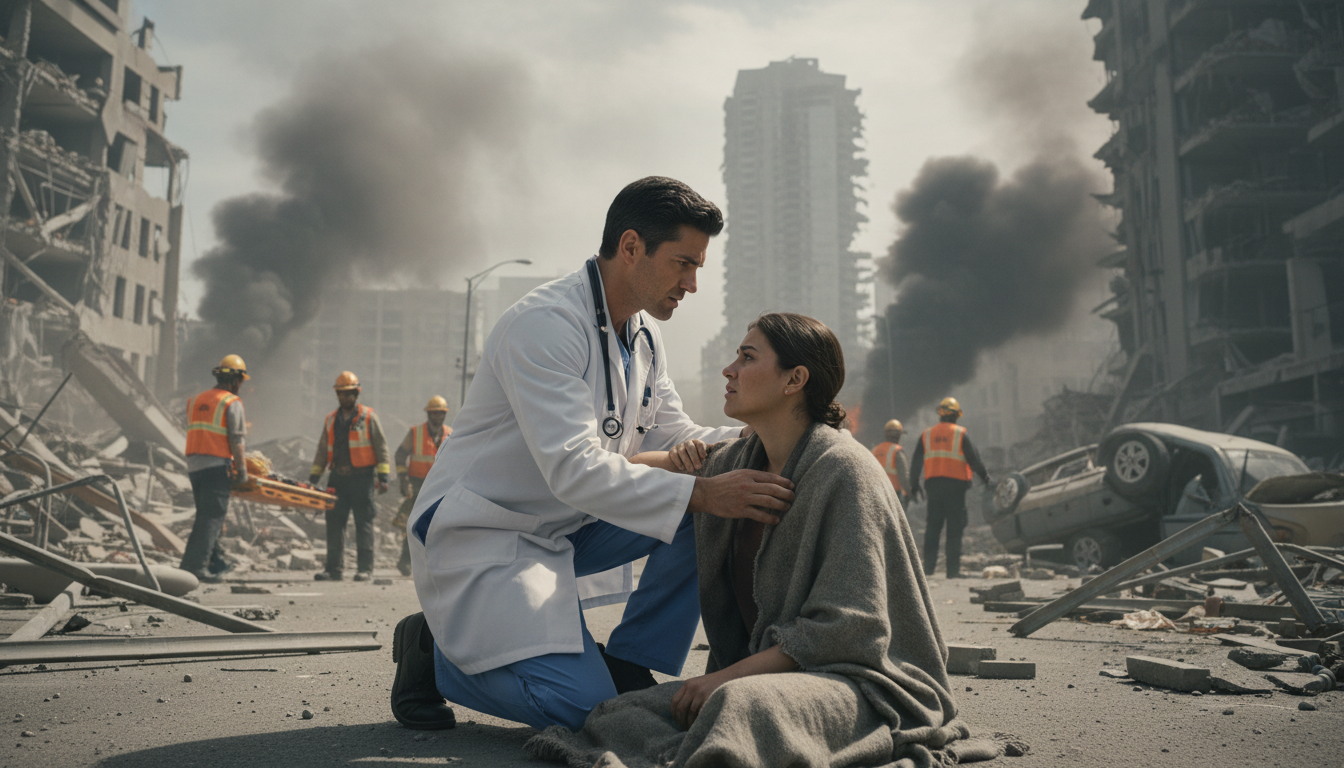
How to Recognize a Stroke During a Disaster When Help Is Delayed
Stroke is the fourth leading cause of death in the U.S. It's also a top reason for disability. Knowing the signs of a stroke is key when disasters hit. Emergency…
Stroke is the fourth leading cause of death in the U.S. It's also a top reason for disability. Knowing the signs of a stroke is key when disasters hit. Emergency…

Babies don't always follow schedules. Sometimes, labor moves faster than expected. This can make it hard to get to the hospital. In the U.S., nearly 9,000 women have unplanned births…

Getting sick from contaminated water is more common than you might think. The CDC says about 2,000 people get waterborne illnesses each year from swimming. This usually happens in the…
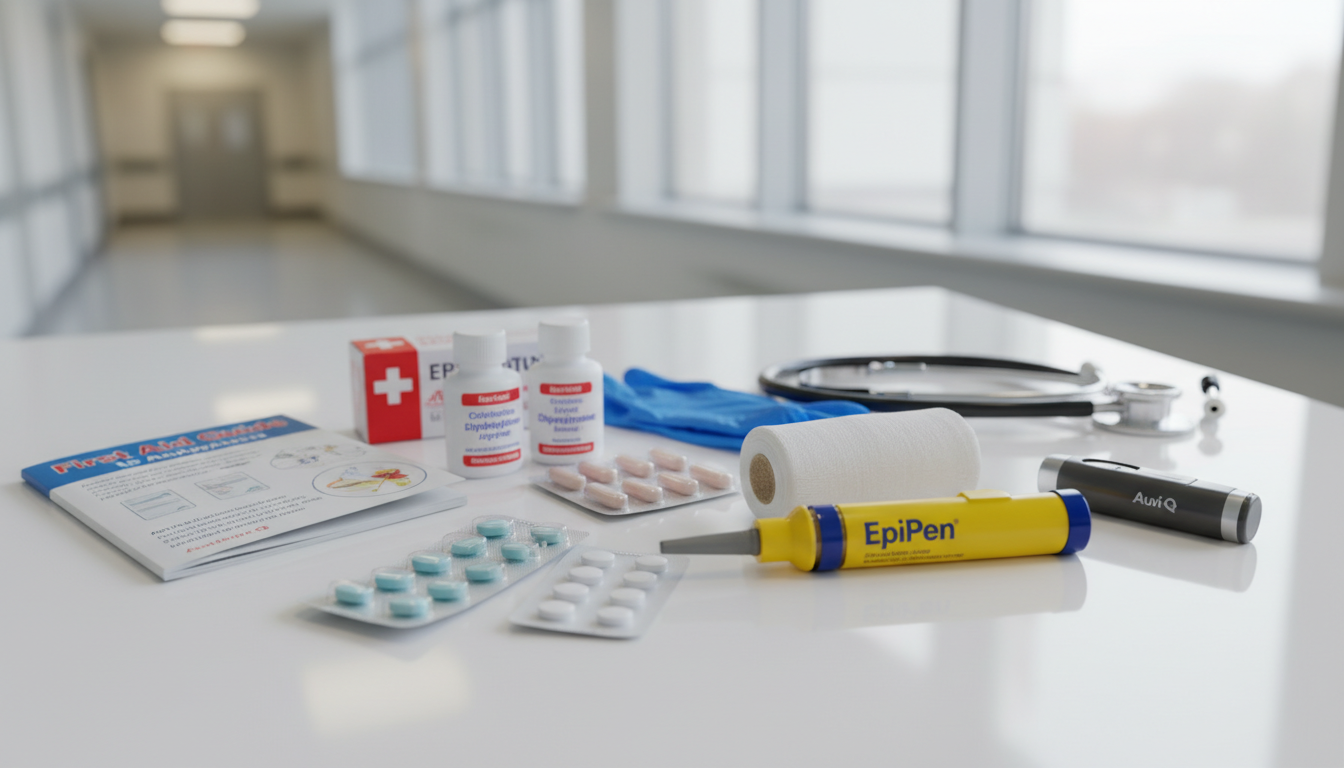
Allergic reactions are common, but severe ones are not. They require quick action. Every second is critical.Anaphylaxis is a severe allergic reaction. It can make breathing hard and lower blood…
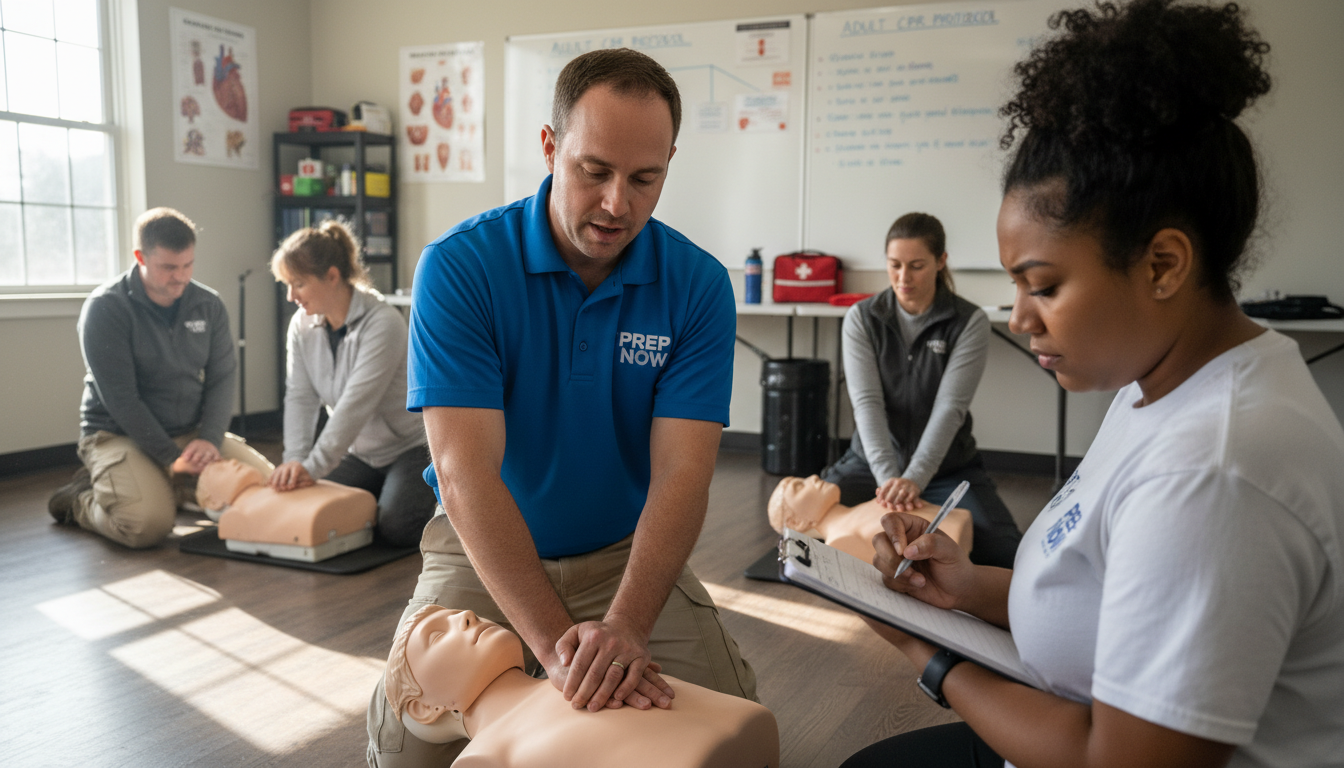
When cardiac arrest happens, time is of the essence. The American Heart Association says about 350,000 U.S. adults face cardiac arrest outside hospitals each year. Yet, only about 40% of…
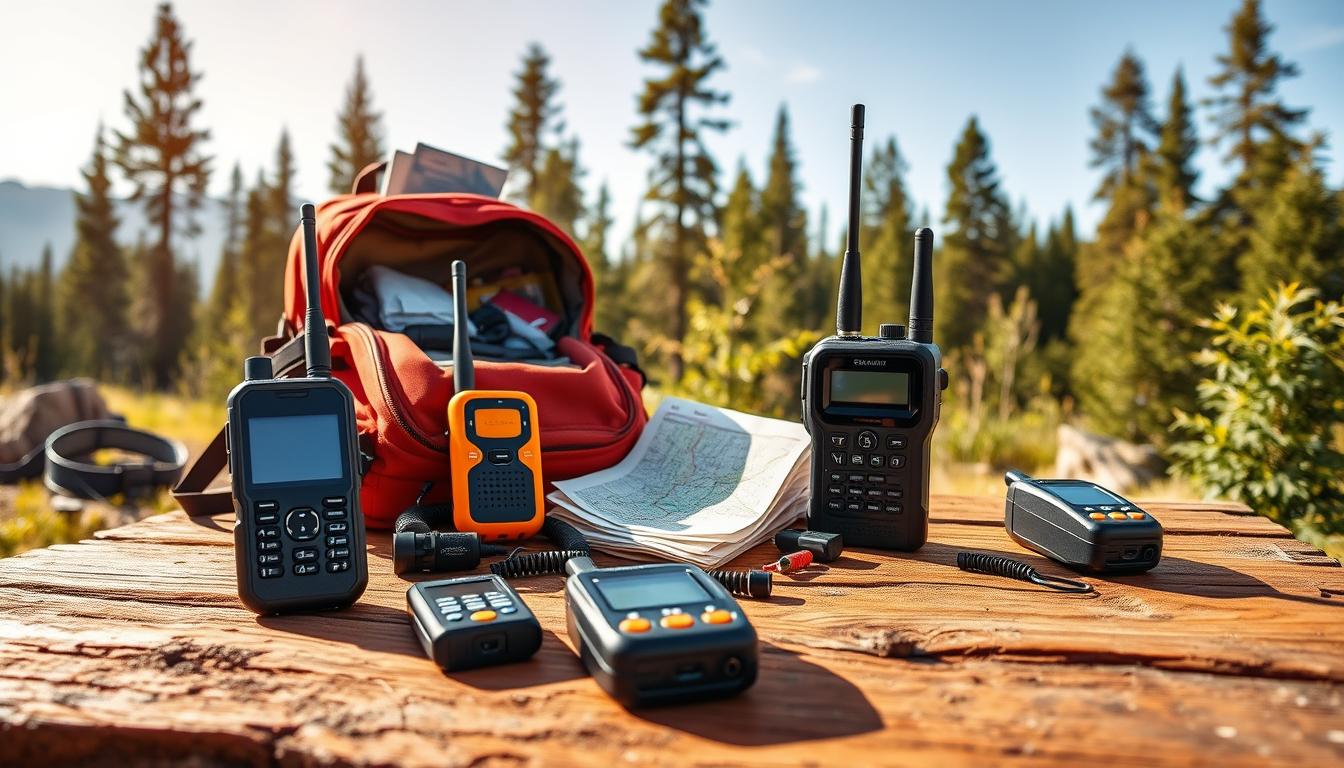
Your smartphone is great for everyday use. It keeps you connected to friends, family, and work. But what happens when cell towers go down? What if you're stuck in a…
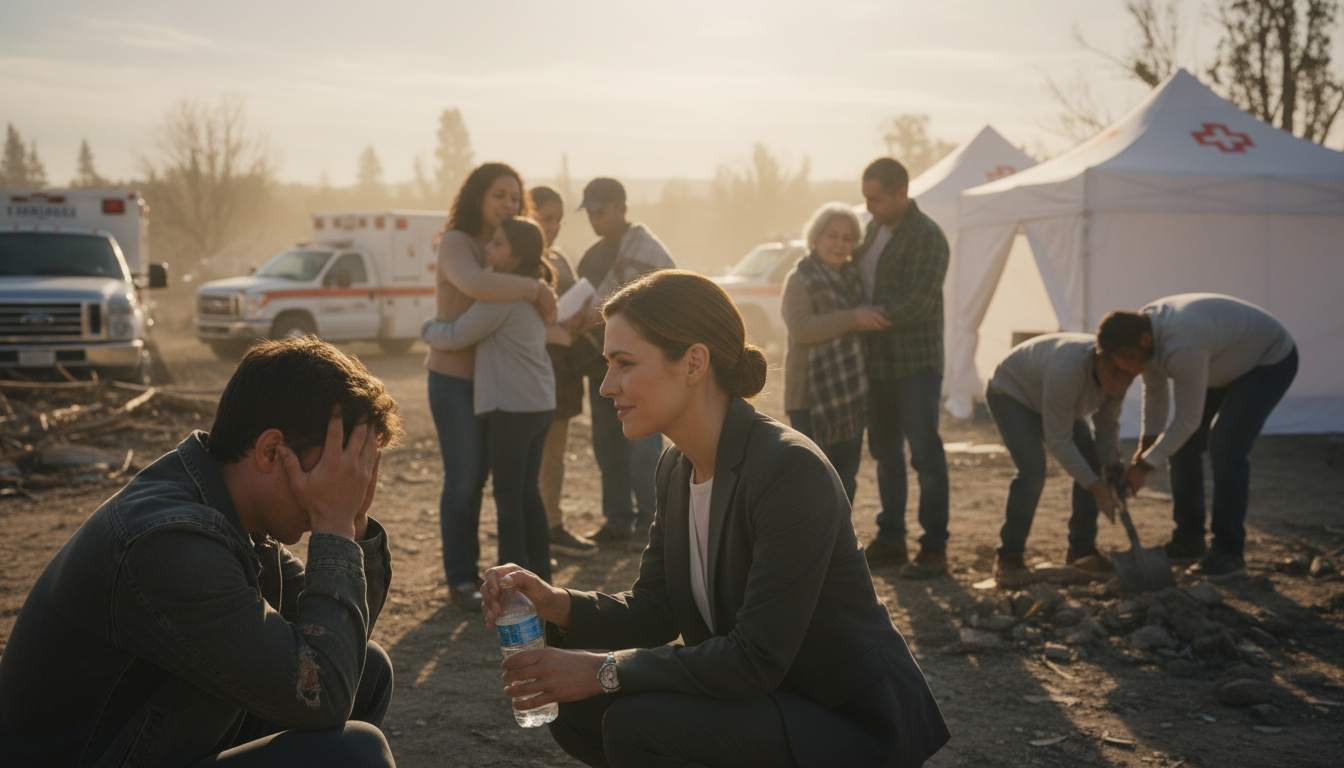
When disasters hit, we often focus on the immediate dangers. We provide food, water, and shelter to those affected. But, the psychological impact of disasters affects many more than physical…
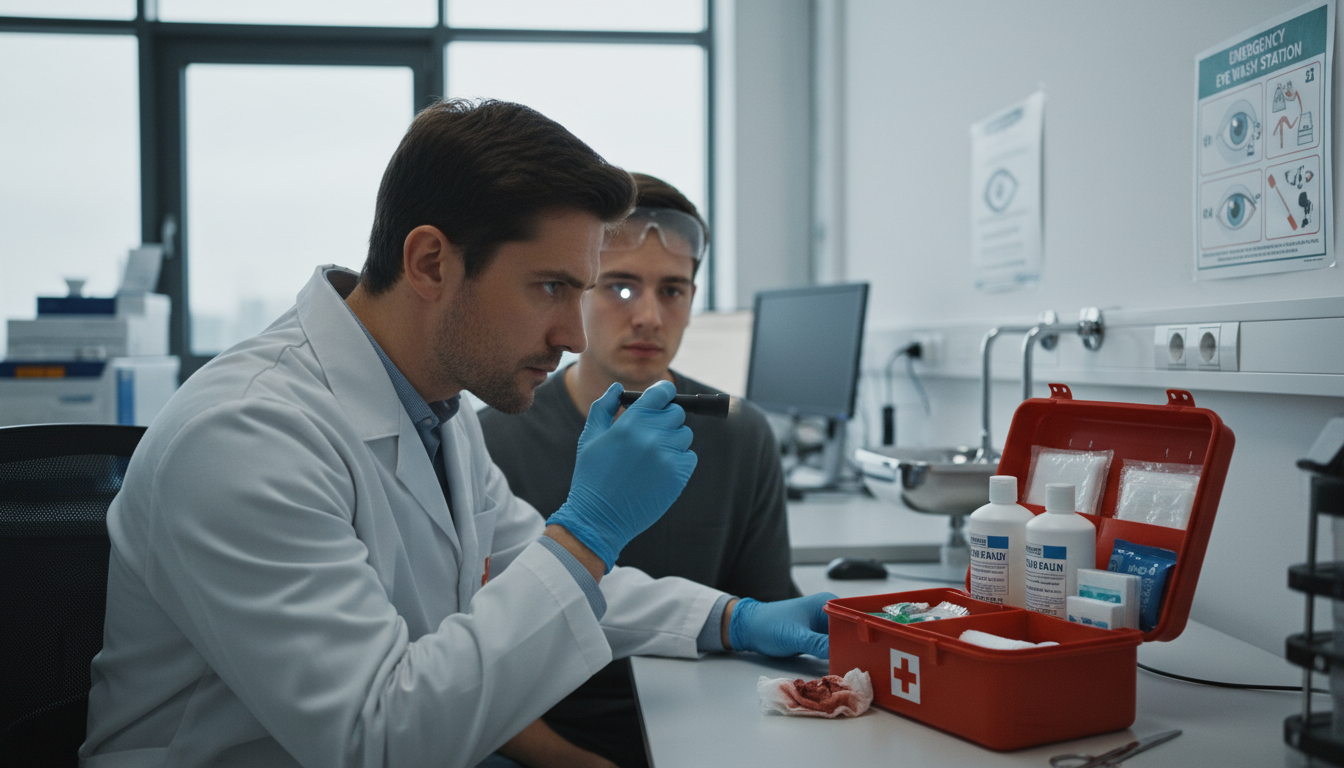
Eye injuries can happen quickly at work or in emergencies. Knowing how to act fast with the right steps is key to protecting your vision. Quick action and proper first…
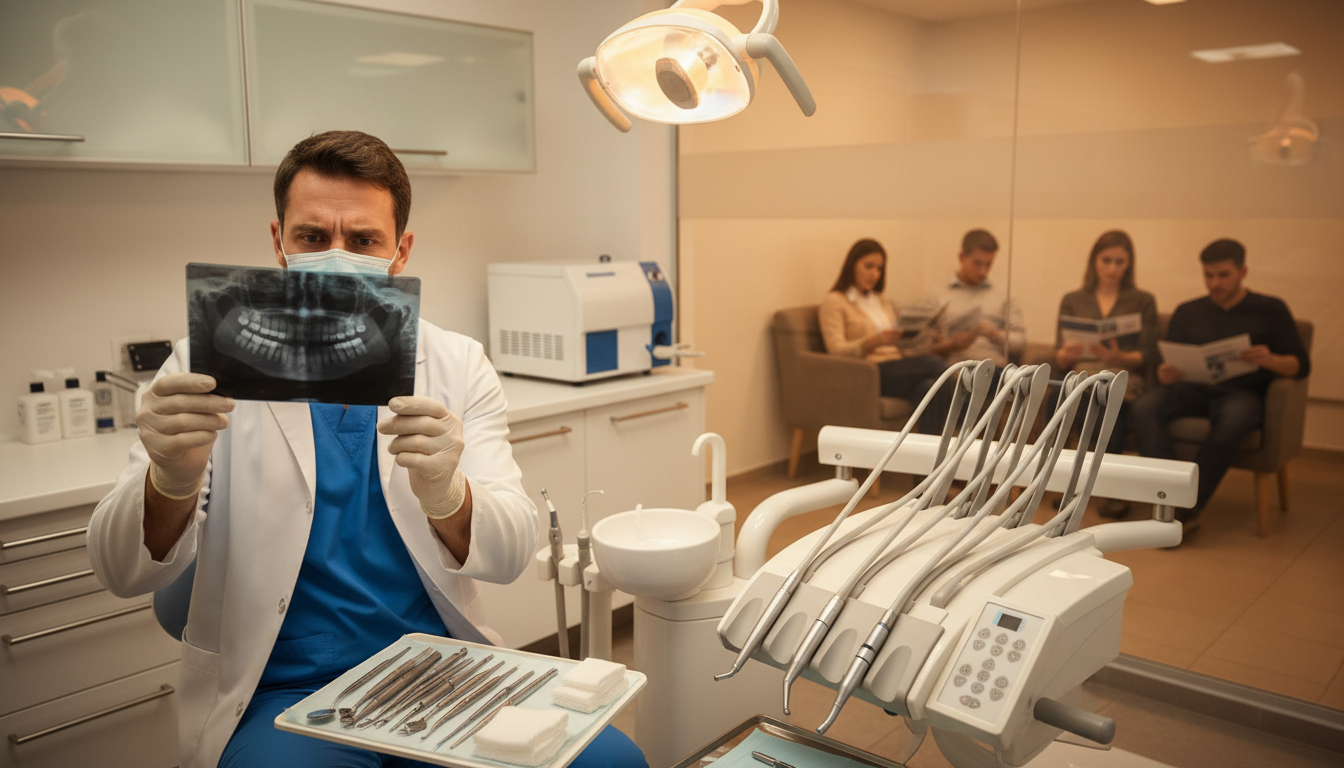
Dental emergencies can happen anytime. A sudden pain, a broken tooth, or a knocked-out tooth can occur. These situations are stressful and scary.Knowing what to do right away is key.…
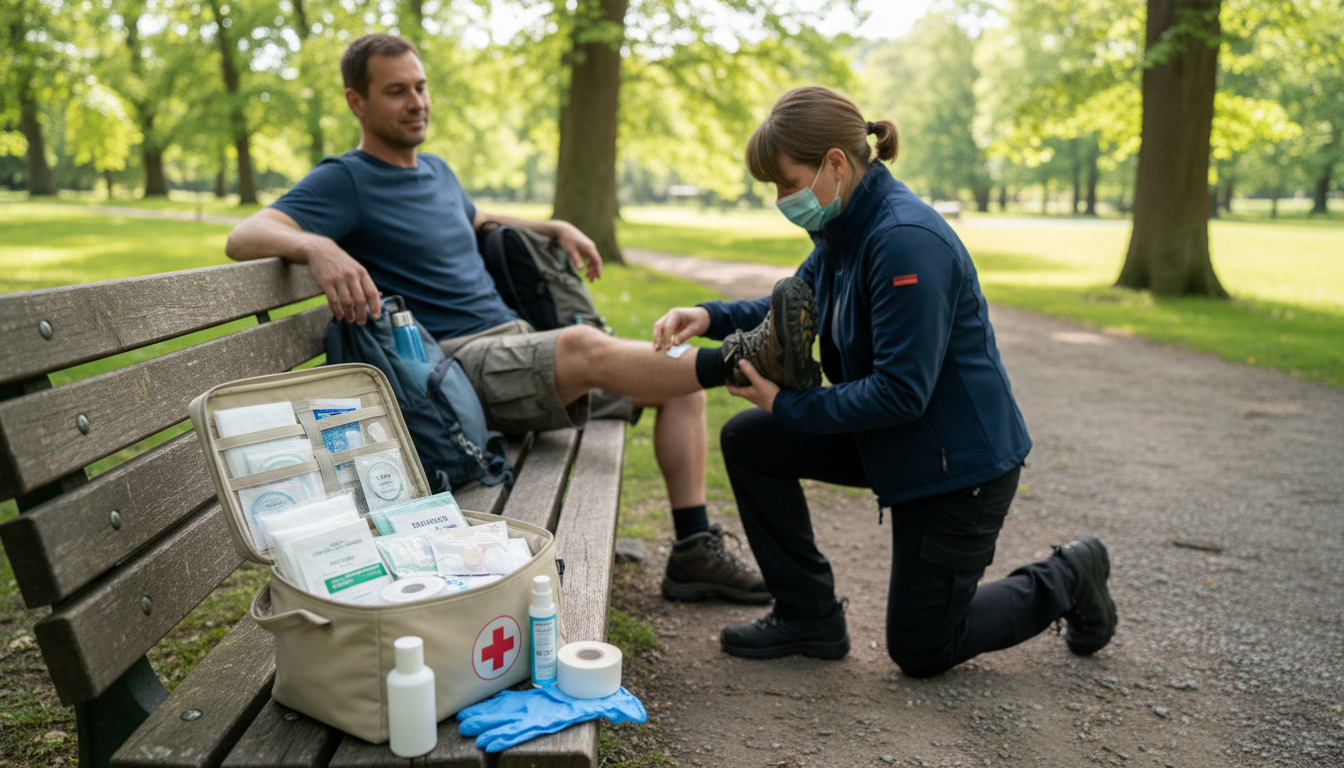
Blisters can pop up when you least expect them. They might happen if you're hiking in the wrong shoes or if you're evacuating during a crisis. Or maybe you're pushing…