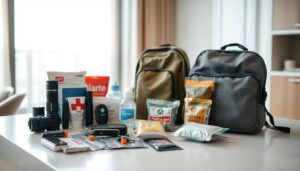
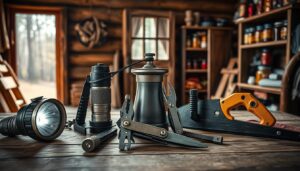
Keeping gear in good shape is key for outdoor lovers and pros. When seasons change, gear needs to be stored right. But, bad storage can damage and wear it down. Andrea Ference, a blogger on outdoor gear, says storing camping gear at the end of the season is tough.
Not taking care of gear before storing it can cost a lot. Good maintenance tips help keep gear in top shape. This way, it’s ready for the next season.
Key Takeaways
- Proper gear maintenance is essential for long-term storage.
- Improper storage can lead to damage and deterioration.
- Effective gear maintenance tips can help extend equipment lifespan.
- Regular cleaning and inspection are key before storing gear.
- Following maintenance tips can save money on repairs and replacements.
Table of Contents
The Critical Importance of Proper Gear Storage
Storing gear right is key to keeping it reliable. Good storage habits help keep gear in top shape. Andrea Ference says, “Clean and dry your gear before storing it for a long time.” This shows how important it is to prepare gear well before storing it.
Preventing Damage and Deterioration
Right storage stops gear from getting damaged or worn out. Key benefits include:
- Less chance of corrosion
- Stopping material breakdown
- Less wear and tear
Economic Benefits of Proper Maintenance
Storing gear well saves money. It means you don’t have to replace or fix things as often. A good storage plan can lead to:
- Lower costs for upkeep
- Longer life for your gear
- Better efficiency
Spending time on good storage methods can save you money in the long run.
Assessing Your Gear’s Specific Storage Needs
Before you store your gear, you need to know what it needs. You must understand each piece’s special needs. This helps you find the best way to store it.
Categorizing Equipment by Material Type
Sorting your gear by material is key. Each material has its own storage needs. For example, fabric and metal gear need different care.
Environmental Vulnerability Assessment
It’s important to see how your gear reacts to the environment. Think about how it handles temperature, humidity, and light. Knowing this helps you pick the right place to store it.
Storage Duration Considerations
How long you plan to store your gear matters too. Gear stored for a long time might need extra care to stay in good shape.
| Material Type | Environmental Concerns | Storage Duration Impact |
|---|---|---|
| Fabric/Textile | Moisture, Light | May degrade over time |
| Metal | Corrosion, Humidity | May rust or corrode |
| Electronic | Static, Moisture | May suffer component damage |
Thinking about these points helps you create best practices for gear storage. This way, your gear stays in top shape while it’s stored.
Pre-Storage Cleaning Protocols
Cleaning gear before storage is key to keeping it in top shape. It stops damage and keeps quality high.
Fabric and Textile Equipment
Cleaning fabric and textile gear is vital. Dirt and sweat can harm them if not cleaned.
Removing Dirt and Stains
To clean dirt and stains, use a mild, biodegradable soap. Stay away from harsh chemicals and scented soaps.
Treating for Mildew Prevention
After cleaning, apply a mildew preventative. You can use a special spray or a mix of tea tree oil and water. Make sure the fabric is dry before storing it.
Metal Components and Tools
Metal gear needs special care to avoid rust and corrosion.
Rust Removal Techniques
To remove rust, use a soft abrasive like steel wool or a rust remover. Always wear gloves and work in a well-ventilated area.
Corrosion Prevention Methods
To stop corrosion, apply a rust-inhibiting coating or lubricant. This protects metal from moisture and other factors.
Electronic Equipment Cleaning
Electronic gear must be cleaned carefully to avoid damage.
Safe Cleaning Compounds
Use compressed air or a soft-bristled brush to clean electronic gear. For deeper cleaning, use a special electronic cleaner.
Connection and Port Maintenance
Check and clean connections and ports on electronic gear. Use a contact cleaner to keep them working well and prevent corrosion.
By cleaning your gear before storage, it stays in great shape. It’s ready to use when you need it.
Drying and Moisture Control Techniques
Learning how to dry and control moisture is key for long-term gear care. Moisture can cause rust, mold, and damage materials. So, it’s important to know how to dry and protect your gear from moisture.
Complete Drying Methodologies
Drying gear well before storage is vital to avoid damage from moisture. Different materials need different drying methods.
Air Drying vs. Heat Drying
Air drying is safe for most materials, like sleeping pads. Andrea Ference says, “Just inflate your pad and let it air dry. Do this inside or in a shaded area to avoid UV damage.” Heat drying is okay for tougher items but be careful not to damage some materials.
Drying Hard-to-Reach Areas
For gear with tricky designs or hard spots, use compressed air or special drying tools. This ensures all areas dry well.
Moisture Prevention Strategies
To keep gear dry during storage, use desiccants and control the storage area’s moisture.
Silica Gel and Desiccants
Put silica gel packets or other desiccants near your gear to soak up moisture. For more on desiccants, check Purdue Extension.
Dehumidifiers and Moisture Absorbers
Dehumidifiers or moisture-absorbing products in the storage area can greatly lower moisture damage risk.
| Drying Method | Best For | Precautions |
|---|---|---|
| Air Drying | Sensitive materials, sleeping pads | Avoid direct sunlight |
| Heat Drying | Robust items | Risk of damage to sensitive materials |
| Compressed Air | Hard-to-reach areas | Use with caution to avoid damage |
Using these drying and moisture control methods can make your gear last longer. It will stay in good shape during long storage.
Lubrication and Protection for Mechanical Components
To keep mechanical gear in good shape, the right lubrication and protection are key. Parts like those in knives and multi-tools need special care. This helps them work well over time.
Selecting Appropriate Lubricants
Choosing the right lubricant is very important. The type you pick can greatly affect how well the gear works and lasts.
Oil-Based vs. Dry Lubricants
Oil-based lubricants fight off corrosion and wear well. They’re good for most parts. Dry lubricants are better when you don’t want dirt or residue. For more info, check Purdue University’s Extension publication on equipment care.
Climate-Specific Considerations
Think about the storage climate when picking a lubricant. In humid places, choose ones that stop corrosion.
Application Techniques
How you apply lubricants matters a lot. The method depends on the part and the lubricant.
Precision Application Methods
Use precise methods like spraying or brushing. This ensures even coverage and avoids waste. It also prevents over-lubrication.
Avoiding Over-Lubrication
Too much lubricant can attract dirt and cause problems. Always follow the maker’s advice on how much to use.
Protective Coatings for Exposed Surfaces
Protective coatings are also key. They add extra safety to parts that are open to the air.
Wax and Oil Barriers
Wax and oil barriers keep moisture and corrosion away. They’re great for parts that face the outdoors.
Modern Synthetic Protectants
Modern synthetic protectants offer strong, lasting protection. They work well on many materials, like metal and leather.
How to Maintain Gear for Long Term Storage: Best Practices
Keeping gear in top shape for long storage needs a few key steps. These steps help your gear stay ready to use. They keep it working well when you need it.
Disassembly Guidelines
It’s important to take apart complex gear right. This saves space and keeps parts safe from damage.
When to Disassemble vs. Store Intact
Take apart gear with many parts that can be stored safely. Keep whole items that are less likely to get damaged.
Component Organization Systems
It’s key to organize parts well. Use bins and containers, as Bryan Rogala suggests. This keeps parts in order and easy to find.

Battery and Power Source Management
Handling batteries and power sources right is key. It keeps them safe and working during storage.
Removal and Separate Storage
Take out batteries and store them in a cool, dry spot. This stops corrosion and leaks.
Terminal Protection Methods
Use tape or terminal protectors to cover battery terminals. This stops short circuits.
Pre-Storage Functionality Testing
Test gear before storing it. This finds any problems that need fixing.
Operational Checks
Check how gear works to make sure it’s good to go.
Documenting Known Issues
Write down any problems or maintenance needs. This helps keep gear in good shape while stored.
| Maintenance Task | Importance Level | Recommended Frequency |
|---|---|---|
| Disassembly and Organization | High | Before Storage |
| Battery Removal and Storage | High | Before Storage |
| Functionality Testing | High | Before Storage |
By following these steps for gear care during long storage, your gear stays ready. It works well when you need it.
Optimal Storage Containers and Packaging
The life of your gear depends on the storage containers and packaging you pick. Good storage keeps your equipment safe from damage. It also makes it easy to find and use your items when you need them.
Container Selection Criteria
Choosing the right storage containers is key. You need to think about the type of gear, how long it will be stored, and the environment it will be in.
Breathable vs. Airtight Options
Breathable containers let air in, which stops moisture buildup. Airtight containers keep dust and pests out. Pick what your gear needs most.
Material Compatibility Concerns
Make sure the container material won’t harm your gear. Some materials can damage metals or fabrics.
Protective Wrapping Techniques
Right containers are just the start. Proper wrapping also protects your gear.
Acid-Free Paper and Fabric Options
Wrap your gear in acid-free paper or fabric. These materials won’t harm your gear with chemicals.
Avoiding Plastic Wrap Pitfalls
Plastic wrap can keep moisture out, but it can also trap it. Make sure your gear is dry before wrapping.
Organization and Labeling Systems
Good organization and labels are key. Andrea Ference suggests using opaque bins and labeling them for better organization.
Inventory Documentation
Keep track of your stored gear with an inventory. You can use a log or a digital database.
Digital vs. Physical Records
Digital records are easy to search and back up. Physical records are handy in some places.
| Storage Method | Advantages | Disadvantages |
|---|---|---|
| Breathable Containers | Prevents moisture buildup | May not protect against dust |
| Airtight Containers | Protects against dust and pests | Can trap moisture if not dry |
| Acid-Free Wrapping | Prevents chemical damage | May be more expensive |
Creating Ideal Storage Environments
To keep your equipment in top shape, you need the right storage space. Think about several key factors. They affect how long and well your gear works.
Temperature Control Strategies
Temperature is very important for keeping gear in good condition. Too hot or too cold can damage materials.
Optimal Temperature Ranges
Most gear does best in temperatures between 60°F to 70°F (15°C to 21°C). Stay away from places with big temperature swings.
Avoiding Temperature Fluctuations
Keeping things steady is important. If you can, use climate-controlled storage for sensitive items.
Humidity Management
Humidity affects your gear too. Too much moisture can cause rust or mold. Too little can make materials crack.
Ideal Humidity Levels
Try to keep humidity between 40% to 60%. This stops moisture damage and keeps materials from drying out.
Seasonal Adjustment Techniques
Change your storage setup with the seasons if you don’t have climate control. Use desiccants in wet summers and humidifiers in dry winters.
Light and Pest Exposure Prevention
Direct sunlight and pests can harm your gear. Organizing your storage well helps avoid these problems.
UV Protection Methods
Use UV-blocking materials or store in dark containers to protect from sunlight damage.
Natural and Chemical Pest Deterrents
Think about using natural repellents like cedar or chemical pest control. This keeps insects and rodents away from your gear.
Maintenance Schedule During Storage Periods
Having a good maintenance plan is key for gear stored for a long time. Regular checks help avoid damage and costly fixes. They make sure your gear is ready to go when you need it.
Regular Inspection Routines
Regular checks are vital to catch problems early. Outdoor fans often say how important it is to check their gear often.
Monthly vs. Quarterly Checks
How often you check depends on your gear and where you store it. For most stuff, monthly checks are enough. But for very important or sensitive gear, quarterly checks are better.
What to Look for During Inspections
- Signs of moisture or water damage
- Corrosion on metal parts
- Battery condition if applicable
- Any signs of pest infestation
Addressing Issues Mid-Storage
Spotting problems early saves time and money. It’s important to fix any issues found during checks right away.
Early Intervention Techniques
Early action can be simple. Like drying wet gear or oiling mechanical parts. For electronics, keeping batteries right can stop damage.
When to Reprocess Equipment
If gear has been stored for a long time, it might need a check-up before use. This includes fixing any wear or damage from storage.
Gear Reactivation After Long-Term Storage
Reactivating gear from long-term storage needs a detailed check and test. First, we unpack everything carefully. Then, we inspect and test each piece to make sure it works and is safe.
Systematic Unpacking Procedures
Unpacking gear right is key to find any damage or problems. We take out the gear from its boxes and look for any signs of wear.
Initial Assessment Process
The first check looks for any visible damage, rust, or wear. This helps us see how the gear is doing and what steps to take next.
Acclimation Period Requirements
It’s important to let the gear get used to its new environment. This acclimation period helps avoid sudden problems from changes in temperature or humidity. It makes sure the gear works smoothly again.
Functionality Testing Protocol
After unpacking and getting used to the environment, we test the gear. We check each part to make sure it’s working right.
Safety Checks Before Use
Before we use the gear again, we do safety checks. We make sure all safety features are working and there are no dangers.
Performance Evaluation Methods
We test the gear under normal conditions to see how it does. This helps us find any problems that need fixing before it’s ready for use again.
For more tips on keeping equipment in good shape during long storage, check out aircraft-analytics.com. They have great advice on parking and getting aircraft ready to fly again, which also applies to other types of gear.

| Reactivation Step | Description | Importance Level |
|---|---|---|
| Systematic Unpacking | Careful removal from storage containers | High |
| Initial Assessment | Checking for damage or corrosion | High |
| Acclimation Period | Allowing gear to adjust to environment | Medium |
| Functionality Testing | Verifying operational status | High |
| Safety Checks | Ensuring safety features are operational | High |
Conclusion
Keeping your gear in good shape is key to making it last longer. It also helps it work well when you need it. By storing your gear right, you avoid damage and save money on repairs.
Good storage means cleaning, drying, and protecting your gear before you put it away. You also need to think about where you store it and how often you check on it. This way, your gear stays safe from harm.
Using these tips helps your gear stay in top condition, even when it’s not in use. It saves you time and keeps your equipment reliable. So, your gear will always be ready to help you achieve your goals.
FAQ
What is the best way to clean fabric and textile equipment before storing it?
Use a mild detergent and cold water to clean fabric and textile equipment. Gently scrub the fabric, then rinse well. Let it air dry. Avoid harsh chemicals and hot water to prevent damage.
How can I prevent moisture damage to my gear during storage?
Make sure your gear is dry before storing it. Use silica gel or desiccants in the container. Also, a dehumidifier in the storage area helps keep it dry.
What type of lubricant should I use on mechanical components before storing them?
Choose a silicone or lithium-based lubricant for most parts. But, always check the manufacturer’s advice for your specific gear.
How often should I inspect my gear during long-term storage?
Check your gear every few months. Look for damage, rust, or wear. This helps you fix problems quickly and keeps your gear in good shape.
What are the best practices for storing electronic equipment?
Clean electronic equipment well and remove batteries or power sources. Use anti-static packaging to prevent damage. Store it in a cool, dry place, away from sunlight.
How can I protect my gear from pests and rodents during storage?
Store gear in sealed containers or bags. Use mothballs or cedar chips to repel pests. Keep the area clean and avoid storing food or other items that attract pests.
What is the ideal temperature range for storing gear?
The best temperature range varies by equipment type. Most gear does well between 60°F to 80°F (15°C to 27°C). Avoid extreme temperatures like attics or basements.
How should I store tools with metal components to prevent rust?
Clean and dry metal tools before storing them. Apply a rust-inhibiting coating or lubricant. Store them in a dry place, and use silica gel or desiccants if needed.
What are the steps to reactivate my gear after long-term storage?
First, inspect your gear for damage or issues. Follow the manufacturer’s instructions for reassembly and testing. Check for corrosion or wear, and lubricate as needed. Test the gear to ensure it works before using it again.