Knowing the shelf life of various food items is key for a tidy pantry. It also keeps food safe. Good pantry organization and long-term food storage help keep groceries fresh and quality high.
It’s important to know how long different foods last. This helps plan meals, cut down on waste, and save money. For example, Real Simple offers tips on food shelf life. They cover everything from dairy and meat to canned goods and leftovers.
Key Takeaways
- Understand the shelf life of different food types to improve pantry organization.
- Proper food storage techniques can extend the freshness of groceries.
- Long-term food storage requires knowledge of specific storage conditions.
- Reducing food waste can be achieved by knowing what to consume first.
- Meal planning becomes easier with an understanding of food shelf life.
Table of Contents
Understanding Food Storage Fundamentals
Knowing how to store food is key to keeping it fresh. The right storage methods keep food safe and nutritious. How you store food greatly affects its quality.
Factors Affecting Shelf Life
Many things can change how long food lasts. Temperature is very important. Food spoils faster in warm places.
Storing food in a cool, dry spot helps keep it fresh.
- Temperature control
- Humidity management
- Light protection
- Appropriate packaging
Decoding Expiration Dates
Expiration dates can be tricky to understand. But knowing them helps manage food better. “Sell By,” “Use By,” and “Best If Used By” tell you when food is at its best.
Resources like “FOOD Share” explain these dates. They help you choose the best food.
| Date Type | Description | Action |
|---|---|---|
| Sell By | Last date for retailers to sell the product | Remove from shelf |
| Use By | Last date for peak quality | Consume by this date for best quality |
| Best If Used By | Manufacturer’s estimate of peak quality | Optimal quality before this date |
Storage Conditions and Their Impact
Where and how you store food matters a lot. The place, container, and how you handle it all affect food quality. For example, airtight containers keep food dry and pest-free.
By controlling these factors, you can keep food fresh longer. This reduces waste and keeps food nutritious.
Shelf Life of Pantry Staples
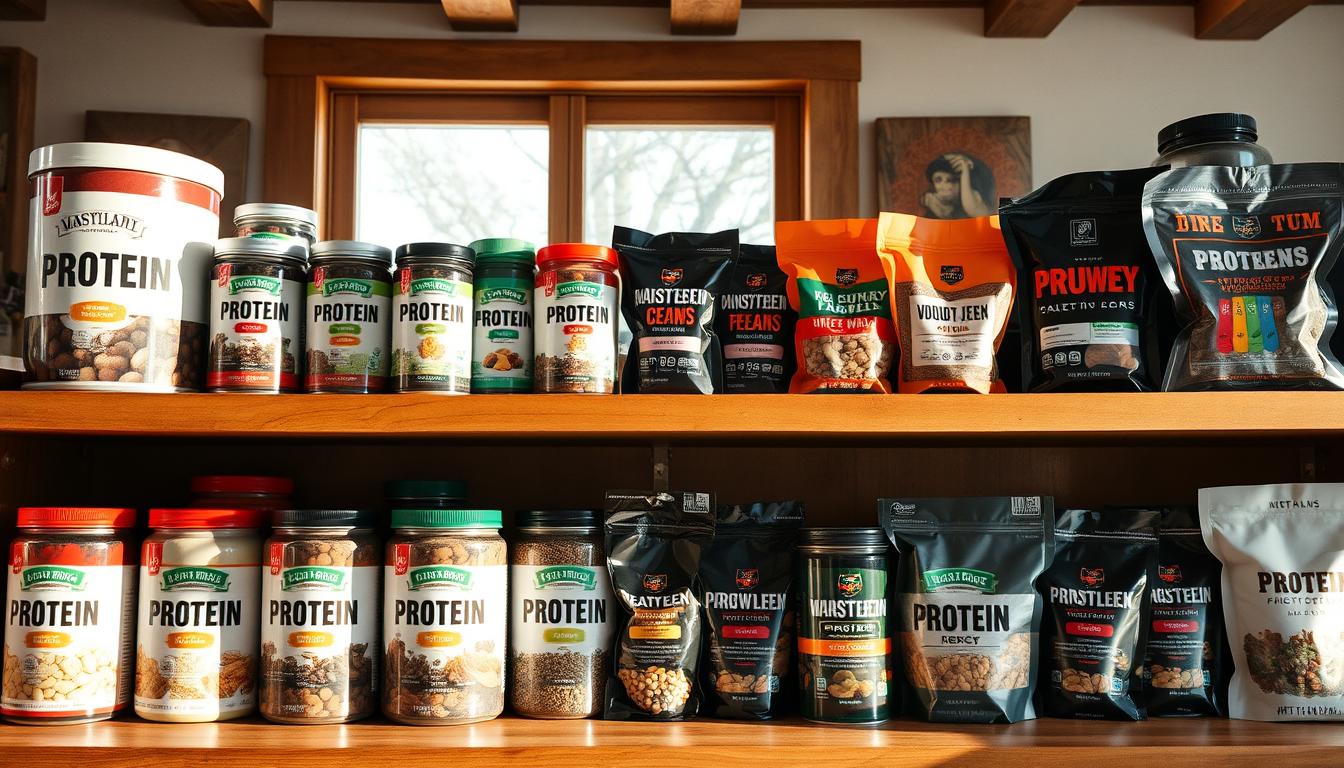
To keep your pantry organized, knowing how long foods last is key. Pantry staples are the base of many meals. Their shelf life affects meal planning and shopping. Keeping them in the right place helps them last longer.
Grains, Flours, and Cereals
Grains, flours, and cereals are kitchen essentials. They last a long time in a cool, dry spot. For example, white rice can stay good for 2 years. Whole wheat flour, with more oil, lasts 6-8 months.
Storing them in airtight containers helps them last longer. Keep them away from sunlight and moisture.

Dried Beans and Legumes
Dried beans and legumes last a long time. They can stay good for 2-3 years in airtight containers. Look out for signs of aging, like shriveled or discolored beans.
Keeping them in a cool, dark spot keeps them fresh.
Pasta and Rice
Pasta and rice have different shelf lives. Dry pasta can last 2 years in a cool, dry spot. White rice also lasts 2 years, but brown rice only 6-8 months because of its fat.
Using airtight containers keeps them fresh.
Canned and Jarred Goods
Canned and jarred goods last a long time, up to 2-5 years if cans are okay. Store them in a cool, dry place and check expiration dates. After opening, move them to airtight containers and fridge to keep them good.
Oils, Nuts, and Spices
Oils, nuts, and spices have different shelf lives. Oils can go bad in 6-12 months if not stored right. Nuts last up to 6 months at room temperature. Spices stay potent for 1-2 years.
Keeping them in a cool, dark place in airtight containers helps them last.
Fresh Produce Storage Guidelines
To keep your fruits and vegetables fresh, knowing the best storage is key. Proper food storage techniques greatly affect how long your groceries last.
Fruits and Their Optimal Storage
Different fruits need different storage. Berries should go in the fridge and eat them in a day or two. Apples and oranges can stay at room temperature or in the fridge to stay fresh longer.
Some fruits, like bananas and avocados, should sit at room temperature until ripe. Then, they can go in the fridge to last longer.
Vegetables Storage Best Practices
Leafy greens and herbs need the fridge, wrapped in a damp cloth to keep humidity. Root veggies like carrots and beets can go in a cool, dark spot or the fridge.
Keep veggies away from strong-smelling foods. They can pick up smells quickly.
Extending Produce Freshness Techniques
To make your produce last longer, use proper food storage techniques. Store fruits and veggies separately. Some fruits release ethylene gas, which can make veggies spoil faster.
Following these tips and being aware of storage needs for different produce can greatly extend their freshness. This helps in maximizing shelf life of groceries.
Dairy, Eggs, and Protein Storage Timelines
Knowing how long to store dairy, eggs, and proteins is key to less waste and safety. The right storage keeps these items fresh and safe.
Dairy Products Shelf Life
Dairy like milk and yogurt lasts longer if kept cold. Milk stays good for a week after its “Sell By” date if it’s cold enough. For more info, check the Food Shelf Life Guide.
Egg Storage Safety
Eggs can last weeks in the fridge. Keep them cool and dry, below 40°F (4°C). The USDA says to store eggs in their carton to keep them fresh.
Meat, Poultry, and Seafood Storage
Meat, poultry, and seafood spoil fast. Store raw meat and poultry in sealed containers at the fridge’s bottom. Cooked food should go in the fridge within two hours.
Plant-Based Protein Alternatives
Plant proteins like tofu need special care. Store them in the fridge in airtight containers. Always check the packaging for storage tips.
| Product | Refrigerator Storage | Freezer Storage |
|---|---|---|
| Milk | 7-10 days | 3 months |
| Eggs | 3-5 weeks | 12 months |
| Raw Chicken | 1-2 days | 12 months |
Food Storage Shelf Life by Food Type: Specialty and Prepared Foods
Storing food right is key to keeping specialty and prepared foods fresh. These foods need special care to last longer and stay good.
Baked Goods and Bread
Baked goods and bread are common in kitchens. Store them in a cool, dry spot. Bread stays fresh for up to 3 days at room temperature or longer when frozen.
Freezing is a great way to keep baked goods fresh for a long time. For example, frozen bread can stay fresh for up to 3 months.
Condiments and Sauces
Condiments and sauces can last a long time if stored right. Once opened, keep them in the fridge to avoid spoilage. Check the expiration dates and follow the maker’s storage tips. Some can last up to a year or more.
Leftovers and Prepared Meals
Leftovers and prepared meals need to be in airtight containers and refrigerated within two hours. They can stay in the fridge for 3 to 4 days. For longer, freeze them.
Label leftovers with dates to use the oldest first.
Freezer Storage for Long-Term Preservation
Freezer storage is great for keeping specialty and prepared foods fresh for a long time. Use airtight containers or freezer bags to avoid freezer burn. Proper freezer storage can keep foods fresh for months. For example, frozen meals can last up to 3-4 months without losing much quality.

By following these storage tips, you can make your specialty and prepared foods last longer. This reduces waste and saves money. Good pantry organization and storage are key to keeping food quality up.
Conclusion: Maximizing Food Freshness and Reducing Waste
Knowing about food expiration dates and how to store food is key to less waste. It helps us use up perishable items before they go bad. This way, we can enjoy our food longer.
Storing food right, like keeping it at the right temperature and humidity, keeps it fresh longer. For more tips on food storage, check out the Agriculture Institute’s resource.
Using these tips can help us waste less food. It also saves us money and helps the planet. Good food management makes our lives better, from keeping food in the pantry to enjoying fresh meals.
FAQ
What is the best way to store grains to maintain their shelf life?
Grains should be kept in a cool, dry spot. Avoid direct sunlight and moisture. Use airtight containers like glass jars or plastic bins with tight lids.
For longer storage, use Mylar bags or #10 cans with oxygen absorbers. This prevents spoilage.
How can I extend the shelf life of fresh produce?
Store fruits and veggies in the right conditions. Berries need a breathable container in the fridge. Root veggies like carrots and beets go in a cool, dark spot.
Use ethylene gas control, manage humidity, and ensure good ventilation. This keeps produce fresh longer.
What are the guidelines for storing canned goods?
Canned goods need a cool, dry place away from sunlight. Check cans for damage or rust. Make sure they’re sealed well.
Follow the “first in, first out” rule. This ensures older cans are eaten before they expire.
How long can I store dairy products in the refrigerator?
Dairy product shelf life varies by type and storage. Milk lasts 7-10 days past the “Sell By” date in a fridge under 40°F (4°C). Yogurt and cheese can last longer.
Always check expiration dates and store properly to keep quality.
Can I store raw meat, poultry, and seafood at room temperature?
No, these should be refrigerated at under 40°F (4°C) to prevent bacterial growth. Wrap them tightly in plastic or foil.
Place them on the bottom shelf of the fridge to avoid cross-contamination.
How can I maintain the quality of frozen foods?
Keep frozen foods at 0°F (-18°C) or below. Use airtight containers or freezer bags to prevent freezer burn. Label containers with date and contents.
Follow safe freezing practices. Freeze foods promptly and keep the freezer at a consistent temperature.
What is the shelf life of spices and nuts?
Spices and nuts’ shelf life depends on storage. Whole spices last 2-3 years in a cool, dark place. Ground spices last 1-2 years.
Nuts can go rancid if not stored right. Store them in airtight containers in the fridge or freezer.
How can I store leftovers safely?
Leftovers should be in shallow, airtight containers and refrigerated within two hours of cooking. Reheat to 165°F (74°C) to ensure safety.
Consume leftovers in 3-4 days. Discard any that have been stored too long or show spoilage.