When getting ready for outdoor trips or emergencies, knowing how to preserve food is key. There are two main ways to do this. One method is to freeze the food and then lower the pressure around it. The other is to heat the food to make the water evaporate.
Each method changes the food in different ways. It affects the food’s nutrients, taste, and how long it lasts. Knowing the freeze-drying benefits and other methods is important for picking the right emergency food supplies.
Key Takeaways
- Understanding the differences between preservation methods is key for emergency prep.
- Freeze-drying and dehydrating have unique processes and results.
- The choice of method impacts the food’s nutrients and shelf life.
- Freeze-dried food has many benefits, like a longer shelf life.
- Choosing the right preservation method is vital for emergency food supplies.
Table of Contents
The Critical Role of Food Preservation in Emergency Preparedness
Emergency preparedness relies on good food preservation. When disasters hit, having enough food is key. It keeps people healthy and strong during tough times.
Why Long-Term Food Storage Matters
Storing food for a long time is vital. It lets people keep food for months or years. This is important in areas where food is scarce.
Effective long-term storage solutions help keep a steady food supply. This reduces the need for outside help during emergencies.
It also helps manage food better, cuts down on waste, and meets nutritional needs over time.
Evolution of Food Preservation Techniques
Food preservation methods have changed a lot. From old ways like smoking and salting to new ones like freeze-drying and dehydrating.
Now, freeze-drying and dehydration are top choices for storing food. They keep food’s taste and nutrients. These methods have made emergency food supplies better and more reliable.
Freeze Drying vs Dehydrating for Emergency Food: Core Differences
When preparing emergency food, you must choose between freeze-drying and dehydrating. These methods change food quality and how long it lasts. Knowing the differences helps you pick the best for your emergency food needs.
The Science Behind Freeze Drying
Freeze-drying, or lyophilization, takes water out of food by freezing it. Then, it lowers the air pressure to turn the frozen water into vapor. This keeps the food’s nutrients and texture, making it great for emergency food.
How Food Dehydration Works
Dehydrating food uses heat and air to remove moisture. You can do this by sun drying, air drying, or using a dehydrator. While it works well, it can change the food’s texture and nutrients. This depends on the drying temperature and time.
At-a-Glance Comparison
| Characteristics | Freeze-Drying | Dehydrating |
|---|---|---|
| Nutritional Retention | High | Moderate |
| Texture Preservation | Excellent | Variable |
| Shelf Life | Long (up to 25 years) | Moderate (up to 10 years) |
| Equipment Cost | High | Low to Moderate |

The table shows the main differences between freeze-drying and dehydrating. Freeze-drying keeps nutrients and texture better, lasts longer, but costs more. Dehydrating is cheaper but might not keep nutrients and texture as well.
The Freeze-Drying Process and Equipment
For those looking to preserve food for emergencies, knowing the freeze-drying process and equipment is key. Freeze-drying, or lyophilization, removes water from food. This stops bacteria, yeast, and mold from growing.
How Freeze Drying Preserves Food
Freeze-drying first freezes food, then lowers pressure to turn ice directly into vapor. This keeps food’s nutrients, flavor, and texture. The key benefits of freeze-drying include:
- Long-term preservation without refrigeration
- Retention of nutritional value and flavor
- Lightweight and compact storage
Commercial vs. Home Freeze-Drying Equipment
Freeze-drying equipment differs between commercial and home units. Commercial units are for big production and have advanced controls. Home units are smaller and easier to use for personal needs. When picking equipment, think about:
- Capacity and production volume
- Energy efficiency and cost
- Ease of use and maintenance
Operating a Freeze Dryer Effectively
To use a freeze dryer well, follow the maker’s instructions and know what food you’re preserving. Properly freeze and load the food for the best results. Also, watch the freeze-drying process and tweak settings if needed. This ensures the food stays good and safe.
Dehydrating Methods for Emergency Food Storage
Dehydrating food is key in emergency prep. It’s a simple way to keep food fresh for a long time. By removing moisture with heat, food stays good for longer.
Traditional and Modern Dehydration Techniques
Dehydrating methods have changed a lot. Sun drying is old, using the sun’s heat. But, it needs watching to avoid bad food. Now, electric dehydrators dry food better and faster.
Types of Food Dehydrators
There are many dehydrators for different needs. Some popular ones are:
- Stackable dehydrators, great for saving space
- Shelf dehydrators, good for drying more food
- Commercial dehydrators, for heavy use
For more info on drying food, check out this article on freeze drying vs dehydrating.
DIY Dehydration Options
If you like making things yourself, DIY dehydration is for you. You can use your oven or make a homemade dehydrator. DIY is cheaper but might not be as good as store-bought ones.

Comparing Food Quality and Shelf Life
In emergency preparedness, knowing the quality and shelf life differences is key. Freeze-dried and dehydrated foods have different impacts on nutrition, taste, and usability. This choice is vital for emergency rations.
Nutritional Retention Comparison
Freeze-dried foods keep more nutrients than dehydrated ones. This is because freeze-drying uses lower temperatures. It saves vitamins and minerals that dehydration might lose.
For example, freeze-dried meals often have more nutrients than dehydrated ones.
Taste, Texture, and Rehydration Properties
Freeze-dried foods taste and feel better than dehydrated ones. They rehydrate quickly and well. Dehydrated foods can be chewier and take longer to rehydrate.
Maximum Shelf Life Expectations
Freeze-dried foods last longer than dehydrated ones. Freeze-dried foods can last up to 25-30 years. Dehydrated foods last 15-20 years when stored right.
Storage Requirements for Optimal Longevity
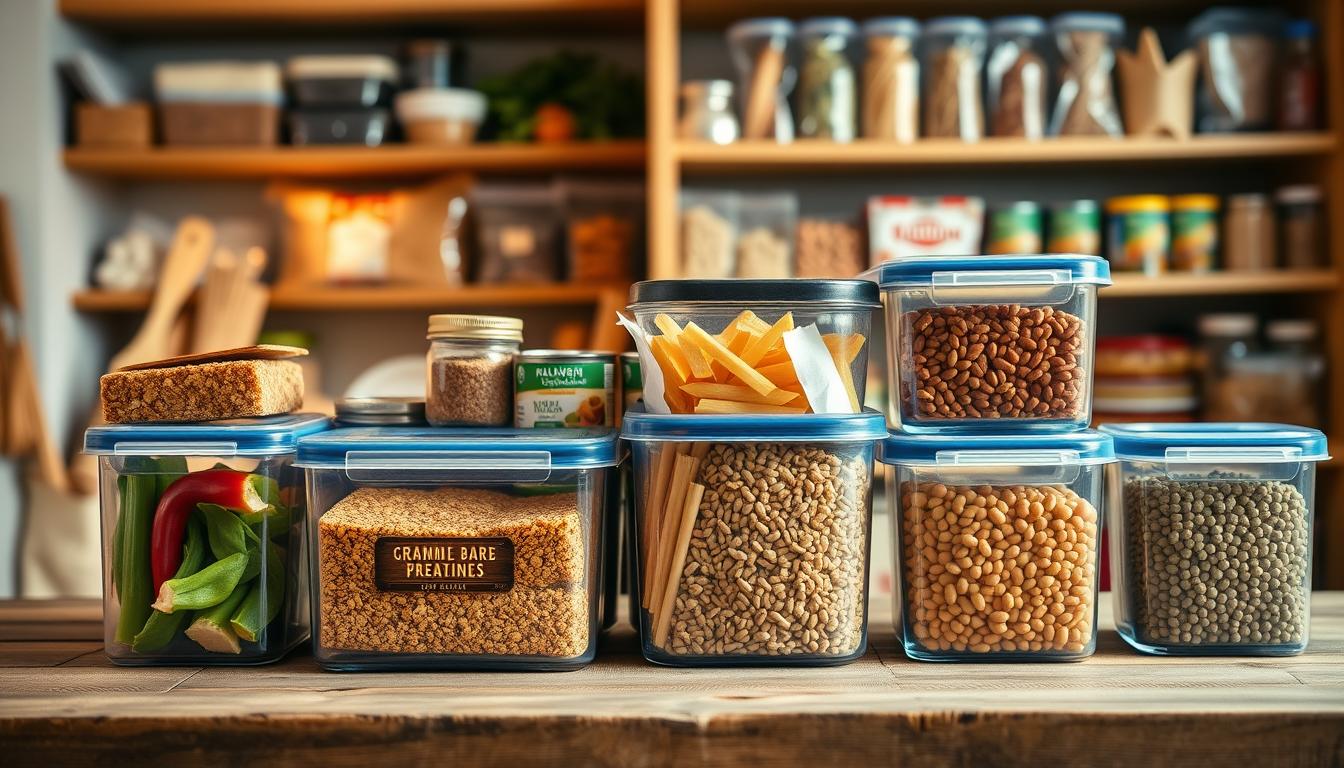
Both types need a cool, dry place for long shelf life. Keep them away from sunlight and moisture. Use airtight containers or Mylar bags for best storage. Check stored food often for spoilage or damage.
Practical Considerations for Emergency Preparedness
Effective emergency food storage depends on several key factors. When choosing between freeze-drying and dehydrating, these factors are important to consider.
Cost Analysis: Initial Investment vs. Long-Term Value
The cost of freeze-drying equipment is usually higher than dehydrating equipment. But, freeze-dried foods keep more nutrients and last longer. This can make the initial cost worth it.
A home freeze dryer costs between $2,000 to $3,000. Dehydrators, on the other hand, cost from $50 to $500.
Space and Storage Requirements
Freeze-dried foods need less space because they are lighter and have less moisture. This is great for emergency kits where space is tight. Dehydrated foods, though, might need more space, depending on how they are stored.
Best Foods for Each Preservation Method
For freeze-drying, meats, fruits, and veggies work well because they rehydrate well. For dehydrating, fruits, jerky, and some veggies are good because they keep their texture and taste.
Knowing the best foods for each method is key for good emergency food storage.
Conclusion: Selecting the Right Preservation Strategy for Your Emergency Food Supply
Choosing the right way to keep food for emergencies is key. Freeze-drying and dehydrating both have good points and bad. Freeze-drying keeps nutrients better and lasts longer, which is great for freeze-dried food advantages.
Dehydrating is cheaper and works well for small amounts and short storage. Think about what you need, like equipment and storage space, when picking a method. Knowing the differences helps you choose wisely for your needs.
The best way to keep food for emergencies depends on your situation. Whether you pick freeze-drying or dehydrating, choose what works best for you.
FAQ
What is the main difference between freeze-drying and dehydrating for emergency food preservation?
Freeze-drying freezes food and then removes water by reducing pressure. Dehydrating uses heat to evaporate water. Freeze-drying keeps food’s nutrients and texture better.
Which method is more effective for preserving nutrients in emergency food?
Freeze-drying is better for keeping nutrients. It uses lower temperatures and doesn’t heat food for long. This helps keep more nutrients in the food.
Can I use a home freeze dryer for emergency food preservation?
Yes, you can use a home freeze dryer. They are good for saving food at home. But, they might not hold as much as big machines and cost more.
What types of dehydrators are best for emergency food storage?
There are many dehydrators like stackable ones and sheet pan dehydrators. The best one for you depends on how much food you need to store and how much space you have.
How do I store freeze-dried and dehydrated foods to maximize their shelf life?
Store these foods in airtight containers. Keep them away from light, moisture, and heat. Use Mylar bags or #10 cans with oxygen absorbers for storage.
What is the expected shelf life of freeze-dried and dehydrated foods?
Freeze-dried foods can last 25 to 30 years or more if stored right. Dehydrated foods usually last 5 to 15 years, depending on how they are stored.
Are there specific foods that are better suited for freeze-drying or dehydrating?
Yes, some foods are better for freeze-drying like meats and fruits. Dehydrating is good for fruits, herbs, and jerky. Choose based on the food, texture, and what you like.
How do I rehydrate freeze-dried and dehydrated foods?
For freeze-dried foods, add hot water. Dehydrated foods soak in water or broth. The method depends on the food and how you want it.
What are the cost implications of using freeze-drying versus dehydrating for emergency food preservation?
Freeze-drying equipment costs more than dehydrating, but it’s worth it. Freeze-dried food keeps more nutrients and lasts longer. This can save money in the long run.