It’s very important for families to have a good emergency kit. A 72-hour kit has the basics needed to get through tough times.
Disasters can happen anytime. Being ready is key to keeping your family safe. A family emergency plan is essential, and having the right emergency essentials is a big part of it.
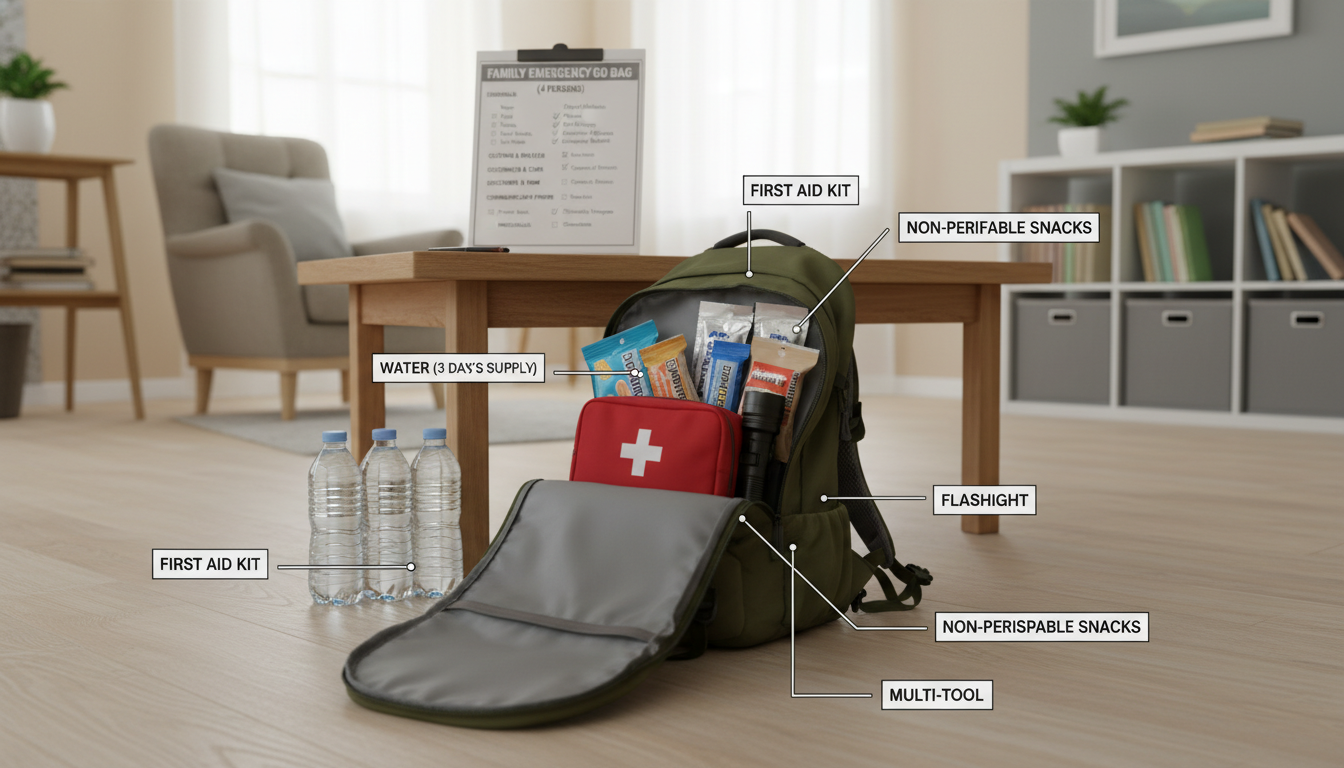
A 72-hour kit should have important items like food, water, first aid kits, and ways to communicate. These things help your family stay safe and comfy until help comes.
Key Takeaways
- Create a family emergency plan that includes a communication strategy and a meeting point.
- Stock your emergency kit with essential supplies such as food, water, and first aid kits.
- Ensure all family members know the location of the emergency kit and understand its contents.
- Regularly check and update your emergency kit to ensure it remains relevant and effective.
- Consider the specific needs of your family, including pets and individuals with special needs.
Table of Contents
Understanding the Importance of Emergency Preparedness
Being ready for emergencies is vital for family safety. It means having the right supplies and plans for at least 72 hours. This is important for disasters like earthquakes, hurricanes, and floods.
Why 72 Hours is the Critical Timeframe
The 72-hour mark is key because it’s when help usually arrives. A disaster survival kit with essentials can help a lot. Experts say it should have water, non-perishable food, and first aid items.
Common Disasters and Emergencies to Prepare For
Families need to get ready for many disasters. This includes:
- Natural disasters like hurricanes, earthquakes, and floods
- Power outages and utility disruptions
- Other emergencies such as wildfires and tornadoes
For more tips on emergency kits, check out SafeWise’s Emergency Kits page. Making an emergency supply checklist is a good way to prepare for anything.
Essential Water and Food Supplies
In a disaster, having enough water and food can save lives. A 72-hour kit should have water and non-perishable food for your family for three days.
Water Requirements and Storage Options
Families need at least 4 litres of water per person each day. This is for drinking, cooking, and staying clean. You can store water in bottles, use purification tablets, or a portable filter.
Water Storage Tips:
- Keep water in a cool, dark spot.
- Use containers that don’t let air in to keep it clean.
- Write the date and what’s inside on the container.
| Water Storage Method | Capacity | Portability |
|---|---|---|
| Bottled Water | Various sizes | High |
| Water Purification Tablets | N/A | High |
| Portable Water Filter | Varies by model | Medium |
Non-Perishable Food Selection
Choose non-perishable foods like canned goods, energy bars, and dried fruits for your kit. These foods are high in calories and last a long time.

Food Preparation Tools and Utensils
You also need tools and utensils for cooking. This includes a manual can opener, reusable utensils, and a portable stove or pot.
Food Preparation Checklist:
- Manual can opener
- Reusable utensils (e.g., spork or multi-tool)
- Portable stove or cooking pot
- Fuel for stove (if applicable)
First Aid and Medication Necessities
It’s important to have the right first aid and medication for family safety in emergencies. A good emergency first aid kit can make a big difference in medical emergencies.
Basic First Aid Kit Components
A basic first aid kit should have things like bandages, antiseptic wipes, and pain relievers. Also, include any medicines your family might need. For more on making a 72-hour emergency kit, check out DIY 72-Hour Emergency Kit.
- Bandages and band-aids
- Antiseptic wipes and ointment
- Pain relievers and antihistamines
Managing Prescription Medications
Make sure your emergency kit has enough of each family member’s prescription medicines. Check that these medicines are not past their expiration date and are stored correctly.
Hygiene and Sanitation Supplies
Hygiene and sanitation items are also key for staying healthy in emergencies. Add hand sanitizer, toilet paper, and soap to your kit.
- Hand sanitizer
- Toilet paper and paper towels
- Biodegradable soap
By focusing on these emergency essentials, your family will be ready for unexpected situations.
How to Build a 72 Hour Emergency Kit for Your Family
Creating a 72-hour emergency kit for your family is key to keeping everyone safe in disasters. This kit will be a lifesaver in emergencies, giving your family the tools to last at least 72 hours.
Step-by-Step Assembly Process
Building your 72-hour emergency kit is easy. Start with an emergency supply checklist to make sure you have everything. First, get basic items like water, non-perishable food, and first aid kits. Then, think about what your family needs, like kids, seniors, and pets.
After you have all your supplies, organize them well. Use strong containers or bags that are easy to carry. It’s also smart to label what you have so you can find things fast.
Customizing for Different Family Members
It’s important to tailor your emergency kit for each family member. Make sure it meets the needs of kids, seniors, and pets for their safety and comfort.
Children’s Specific Needs
For kids, pack diapers, formula, baby food, and any medicines they need. Don’t forget comfort items like favorite toys or blankets to help them feel secure.
Elderly Family Members’ Considerations
For seniors, include their medicines, reading glasses, and any medical gear. Also, add personal care items like denture supplies and comfy clothes.
Pet Emergency Supplies
Remember your pets! Pack their food, water, bowls, and any meds. A pet carrier or crate is also handy for safe transport.
Storage and Portability Solutions
Think about how to store and carry your kit. Pick a container that’s easy to move and keep in a spot you can reach fast. Backpacks or duffel bags work well because they’re portable and easy to grab.

Shelter, Clothing, and Warmth Considerations
Shelter, clothing, and warmth are key for any emergency plan. They help keep your family safe and healthy during tough times.
Emergency Shelter Options
There are many ways to find shelter in an emergency. A portable tent or a tarpaulin can keep you dry. For really cold weather, add a lightweight emergency blanket or a space blanket to your kit. Learn more about making an emergency kit at Bush Life.
Weather-Appropriate Clothing
Clothing that fits the weather is very important. Pack clothes that can be layered, like rain gear, warm hats, and gloves. Think about your local weather and pack the right clothes.
Heat Sources and Warmth Maintenance
To stay warm, include heat sources like hand warmers, fire starters, or a portable heater in your kit. It’s also good to know how to keep warm, like building a fire or using body heat techniques.
Communication and Navigation Tools
Good communication and navigation are very important for emergency plans. In a disaster, talking to family and knowing where you are can save lives.
Emergency Communication Devices
Having the right devices in your 72-hour kit is key. Make sure you have a fully charged cell phone and a backup power source. A two-way radio or walkie-talkie is also good, in case phones don’t work.
For more tips on getting ready for emergencies, check out the Surrey Emergency Program website.
Important Documents and Contact Information
Keep important papers like insurance and ID in a waterproof bag. Also, have a list of emergency contacts and a physical map handy.
Maps, Compasses, and Navigation Aids
Include a compass and a paper map of your area in your kit. These help you find your way if tech fails. Always update your maps to show the latest changes.
Conclusion: Maintaining and Updating Your Emergency Kit
Building a 72-hour emergency kit is just the first step. To keep it effective, regular checks and updates are key. Families should check their kit every six months.
Make sure all supplies are good to use and not expired. Update your kit for any changes in your family’s needs. This includes new medications or baby supplies.
It’s also important to check the expiration dates of food, water, and medical supplies. Replace them as needed. By keeping your kit up to date, you and your family will be ready for any emergency or disaster.
FAQ
What is the recommended duration for an emergency kit to sustain a family?
The recommended duration is 72 hours. This is because emergency responders need time to help during disasters.
How much water should be stored per person in the emergency kit?
Store at least one gallon of water per person per day. This is for drinking, cooking, and hygiene.
What type of food is recommended for an emergency kit?
Choose non-perishable, high-calorie foods. Examples include energy bars, canned goods, and dried fruits.
What are the essential components of a basic first aid kit?
A basic first aid kit should have bandages, antiseptic wipes, pain relievers, and any prescription medications.
How often should an emergency kit be checked and updated?
Check and update your emergency kit every six months. This ensures supplies are not expired and are usable.
What are some important documents to include in an emergency kit?
Include copies of identification, insurance cards, and emergency contact information in your kit.
How can an emergency kit be customized for different family members?
Think about the specific needs of family members. This includes diapers for infants, special dietary needs, and medical equipment for individuals with disabilities.
What are some emergency shelter options that can be included in a 72-hour kit?
A tent, sleeping bag, and tarp can provide adequate shelter in emergency situations.
What are some communication tools that should be included in an emergency kit?
Include a cell phone with charger, two-way radio, and whistle. These tools help with communication and signaling for help.
How can an emergency kit be made portable?
Use a backpack or duffel bag to store supplies. Consider a kit with wheels or a handle for easy transport.