Keeping a good stock of emergency supplies is key for families. But, did you know that 30 to 40 percent of food in the U.S. gets thrown away? This happens because of bad storage and not knowing about expiration dates.
Proper rotation of emergency food and water supplies is vital. It keeps your supplies good to use. By knowing how to rotate and keeping up with maintenance, families can cut down on waste. This makes them ready for emergencies.
Key Takeaways
- Understanding the importance of rotating emergency supplies.
- Recognizing the impact of improper storage on food waste.
- Implementing a routine to maintain a well-stocked emergency supply.
- Reducing waste through effective rotation.
- Ensuring household preparedness for emergencies.
Table of Contents
Understanding the Importance of Rotating Emergency Supplies
Rotating emergency food and water is key to keeping them good to use. It lets you use up older items first. Then, you can restock as needed to keep everything safe and quality.
If you don’t rotate your supplies, a lot can go bad. This wastes money and puts your emergency plans at risk.
Why Food and Water Rotation Matters
Rotating your emergency supplies keeps them good. It makes sure you have fresh food and water when you need it most.
The Risks of Expired Emergency Provisions
Using expired supplies can make you sick. It can also mean you don’t get enough nutrition in an emergency. This can make things worse.
Benefits of a Well-Maintained Stockpile
A good stockpile has many perks. It keeps food nutritious and saves money.
Nutritional Preservation
Rotating your food keeps its nutrients. You eat the older stuff first, making room for new.
Financial Savings
Rotating saves you money. You don’t waste cash on expired or bad food. It’s smart and saves money over time.
Here’s how rotating supplies helps:
| Benefits | Description | Impact |
|---|---|---|
| Nutritional Preservation | Ensures older items are consumed before they expire | Maintains the health and well-being of individuals during emergencies |
| Financial Savings | Avoids wasting money on expired or spoiled provisions | Reduces the economic burden of emergency preparedness |
| Reduced Waste | Minimizes the amount of waste generated from expired supplies | Contributes to a more sustainable approach to emergency preparedness |
How to Rotate Emergency Food and Water the Right Way
Keeping your emergency food and water fresh is key. A good rotation system keeps your supplies ready for disasters.
The First-In, First-Out (FIFO) Method Explained
The FIFO method is a common way to rotate supplies. It means using the oldest items first. This stops older supplies from going bad.
To use the FIFO method well:
- Mark each item with its date.
- Put new items behind old ones.
- Check your stock often to use the oldest first.
Creating an Effective Inventory System
Managing your emergency supplies is important. It helps you know what you have and what needs to be replaced.
Digital Tracking Options
Use digital tools like spreadsheets or apps for inventory. They make it easy to update and remind you to rotate supplies.
Physical Inventory Sheets
If you like paper, use inventory sheets. List your supplies, how much, and when you got them.

| Supply Item | Quantity | Date Stored | Rotation Date |
|---|---|---|---|
| Canned Goods | 20 | 01/2023 | 01/2024 |
| Bottled Water | 50 gallons | 06/2022 | 06/2023 |
| MREs | 30 | 03/2023 | 03/2024 |
Establishing Realistic Rotation Schedules
Setting a good rotation schedule is key. Think about how long your supplies last and plan to rotate them before they expire.
For example, canned goods last a year. Rotate them every 10-11 months to keep them good.
By following these tips, your emergency supplies will always be ready.
Best Practices for Emergency Food Rotation
Rotating emergency food is more than just eating the oldest first. It’s about a detailed plan. This plan looks at the food type, storage, and what you like.
Rotation Strategies for Different Food Categories
Each emergency food needs its own way to stay good and healthy.
Canned Goods
Canned foods are key in many emergency kits. Here’s how to keep them fresh:
- Check expiration dates often
- Follow the “first in, first out” rule
- Keep cans in a cool, dry spot
Dry Goods and Grains
Dry foods like rice and pasta are sensitive to moisture and bugs. Here’s how to keep them good:
- Use airtight containers
- Look for spoilage or bugs
- Use within 6-12 months for best taste
Freeze-Dried and Dehydrated Foods
Freeze-dried and dehydrated foods last a long time but need care. Here’s how to keep them:
- Check for packaging damage
- Store in a cool, dry place
- Follow rehydration steps from the maker
Proper Labeling and Storage Organization
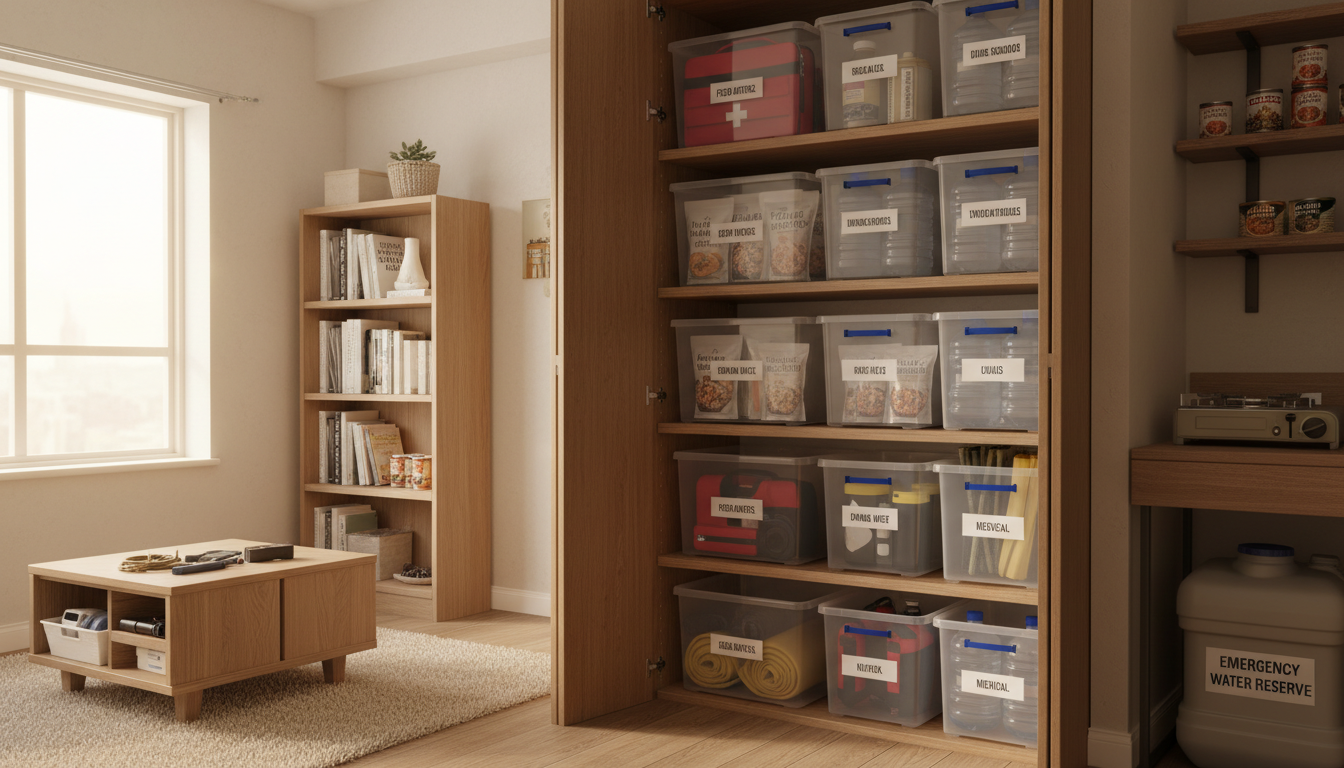
Good labeling and storage are key for a well-rotated food supply. Use a system that shows the date and what’s inside. Keep your storage organized so you can find the oldest items easily.
https://www.youtube.com/watch?v=Zx1NdZibGkU
Incorporating Emergency Food into Your Regular Diet
Using emergency food in your daily meals is a smart move. Try making “prepper pantry dinners” once a week. Use items like canned soups, pasta, rice, beans, peanut butter, oats, or snack foods your family likes. This keeps your food fresh and saves money. For more ideas, check out Urban Survival Site.
By following these tips, your emergency food will stay safe, healthy, and ready when you need it.
Water Storage Rotation Guidelines
Keeping your emergency water fresh is key. Regularly rotate your stored water to keep it safe for drinking.
Recommended Water Rotation Timeframes
Change your stored water often to keep it good. Replace bottled water every 12 – 18 months. If it’s been hot, do it sooner.
For refillable containers, empty, clean, and fill them every 6 months.
Water Rotation Schedule
| Container Type | Recommended Rotation Period | Additional Notes |
|---|---|---|
| Bottled Water | 12 – 18 months | Replace sooner if exposed to heat |
| Refillable Containers | 6 months | Empty, clean, and refill |
Signs Your Stored Water Needs Immediate Replacement
If your water smells bad, looks funny, or has stuff in it, change it right away. Always check your water for safety.

Safe Methods for Rotating Large Water Containers
Rotating big water containers needs a plan. Use the oldest water first, following the first-in, first-out principle. Make sure containers are clean before you fill them up.
Sanitization Procedures
To clean containers, mix 1 teaspoon of unscented bleach with a quart of water. Let it sit for 30 minutes, then rinse well.
Water Quality Testing
Testing your water often is important. Use water testing kits to check for bad stuff.
Utilizing Rotated Water Responsibly
After rotating your water, use the old water for things like watering plants or washing. This way, you don’t waste water and help the planet.
Conclusion
Being prepared isn’t just about what you store. It’s also about how you keep it. A simple emergency food rotation system can save you money. It makes your storage space more intentional and reduces waste.
By following the strategies outlined, you can keep your emergency pantry well-stocked. Regularly rotating your emergency food ensures it stays usable and effective.
Effective emergency preparedness is within your reach. With a well-maintained stockpile, you can face the future with confidence. You’ll know you’re ready for whatever comes next.
FAQ
What is the best method for rotating emergency food supplies?
The First-In, First-Out (FIFO) method is best. It makes sure older items get eaten first.
How often should I rotate my emergency food and water supplies?
Rotate emergency food every 6-12 months. Water supplies also need rotation every 6-12 months. This depends on storage and expiration dates.
What are the signs that my stored water needs to be replaced?
Look for sediment, odd smells, or taste changes. Also, replace water if it’s been stored for over 6-12 months.
How can I incorporate emergency food into my daily meals?
Use emergency food in place of regular ingredients. Try canned goods or dried fruits in your recipes.
What are the benefits of maintaining a well-organized emergency stockpile?
A well-organized stockpile keeps supplies usable. It also reduces waste and gives peace of mind in emergencies.
How can I track my emergency food and water supplies effectively?
Use a digital inventory, spreadsheet, or log to track supplies. This helps monitor expiration and rotation.
What are the risks associated with expired emergency provisions?
Expired supplies can be harmful. They may cause illness and not provide needed nutrition in emergencies.
How can I safely rotate large water containers?
Use a pump or siphon to remove old water. Then, refill with fresh water. Make sure the container is clean and free of contamination.